
Tuscan Tesla Solar Roof: A Texas Roofer's Honest Guide After 15 Years in the Business
My name is Mike, and I've been installing and repairing roofs across Texas for over fifteen years. Our team at Kingwood Roofing has completed more than 2,500 projects, from simple storm damage repairs to complex solar integrations. We are GAF Master Elite and Tesla Certified Installers, which means we've passed rigorous training on the very products we discuss. This article exists because I've sat across from dozens of Texas homeowners asking the same question: "Is the Tuscan Tesla Solar Roof right for my home?" This guide aims to answer that completely, saving you hours of confusing research and giving you the straight talk you need to make a confident decision.
The information here comes from our hands-on experience installing these systems, direct conversations with Tesla engineers, analysis of manufacturer specifications, and real project data from our customers. We'll explain the methodology behind our cost estimates and recommendations. Our goal is not to sell you anything, but to provide the clarity and expert perspective you deserve when considering a major investment in your home's future.
What is the Tuscan Tesla Solar Roof?
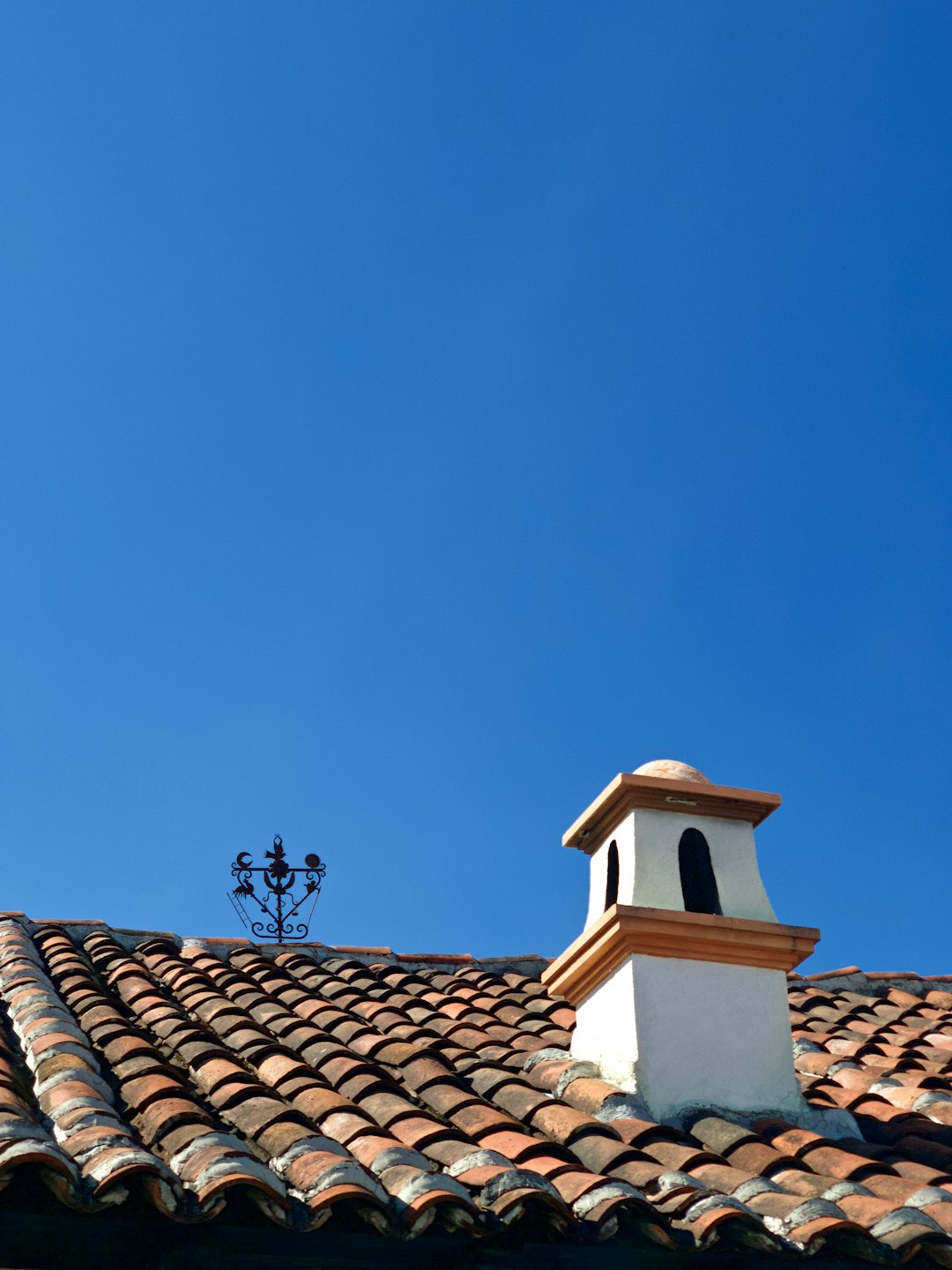
The Tuscan Tesla Solar Roof is a specific style of Tesla's integrated solar product. It is not solar panels mounted on top of a traditional roof. Instead, it is the roof itself. The system uses two types of durable glass tiles: solar tiles that generate electricity and non-solar tiles that look identical. This creates a seamless, uniform appearance. The "Tuscan" style refers to the tile's textured, curved design, which mimics the look of classic Mediterranean clay roof tiles.
This product represents a fundamental shift in roofing. It combines weather protection and energy generation into a single, architecturally integrated system. For homeowners who value aesthetics as much as function, it offers a compelling solution. The tiles are made from tempered glass, which Tesla claims is more than three times stronger than standard roofing tiles. They are designed to withstand hail, high winds, and the intense Texas sun for decades.
Key Components and How They Work
The system is more than just pretty tiles. It is a complete energy ecosystem. The solar tiles contain photovoltaic cells that convert sunlight into direct current (DC) electricity. This power runs through wiring integrated into the roof's underlayment to one or more Tesla Powerwall batteries and a Tesla inverter. The inverter converts the DC power to alternating current (AC) for your home to use.
Any excess energy generated during the day is stored in the Powerwall. When the sun goes down or during a power outage, your home draws from this battery storage. If the battery is full and you're still producing excess, it can be sent back to the grid if you have a net metering agreement with your utility company. This creates a resilient, self-sufficient energy system for your home.
- Solar Glass Tiles: Generate electricity while protecting your home.
- Non-Solar Glass Tiles: Provide the same durable cover where solar isn't needed.
- Powerwall+: The latest battery storage unit that includes an integrated inverter.
- Tesla App: Allows you to monitor energy production, consumption, and storage in real-time.
- Weatherization Layer: A critical waterproofing barrier installed beneath all tiles.
Real-World Costs: A Texas Contractor's Breakdown
This is the most common question we get, and the answer is rarely simple. The cost of a Tuscan Tesla Solar Roof is highly variable. It depends on your roof's size, complexity, energy needs, and your location's labor rates. Based on our completed projects in the Houston area, we see total costs typically ranging from $60,000 to $120,000 or more for an average-sized home. This is significantly more than a traditional asphalt shingle roof with separate solar panels.
However, you must view this as a combined cost for two major systems: a premium, durable roof and a full-home solar-plus-storage system. When you separate the costs, the picture becomes clearer. A high-end tile roof replacement can cost $40,000-$70,000. A robust solar panel system with multiple Powerwalls can cost $30,000-$50,000. The Tesla Solar Roof combines these into one installation with a unified warranty and sleek appearance.
Factors That Influence Your Final Price
Several key factors will change your quote. Roof pitch and complexity are major drivers. A simple, single-plane roof is far less expensive to install than a roof with multiple valleys, dormers, and skylights. Your home's energy consumption dictates how many solar tiles you need. Tesla's design team will analyze your past utility bills to size the system appropriately.
The number of Powerwall batteries you choose adds cost but also increases your energy independence. Local permitting fees and interconnection costs with your utility provider vary. Finally, the condition of your existing roof deck is critical. If the underlying wood structure needs repair or reinforcement, that will be an additional cost. Always budget for potential "discovery work" once the old roof is removed.
- Roof Square Footage: The total area needing coverage.
- Roof Complexity: Number of hips, valleys, penetrations, and pitch.
- Energy Usage: Your average monthly kilowatt-hour consumption.
- Battery Storage: How many Powerwall units you include.
- Local Labor Rates: Installation costs vary by region.
- Existing Roof Condition: Needed repairs to the decking or structure.
Material Quality and Hands-On Performance
Having installed both traditional materials and the Tesla system, I can provide a direct comparison. The Tesla glass tiles are exceptionally durable. Their impact resistance meets the highest UL 2218 Class 4 rating for hail, which is crucial for Texas storms. The tempered glass is also highly fire-resistant, earning a Class A fire rating. From an aesthetic standpoint, the Tuscan style offers a beautiful, low-profile look that many homeowners prefer over bulky solar panels.
However, the material has trade-offs. The tiles are heavier than asphalt shingles, requiring a structurally sound roof deck. The installation process is more complex and less forgiving than traditional roofing. It requires a certified crew with specific training. In terms of energy production, the solar tiles are slightly less efficient per square foot than the latest monocrystalline solar panels. This means you need more roof area to generate the same amount of power.
Comparing Tesla to Traditional Roofing & Solar
Let's put it side-by-side with common Texas options. A 30-year architectural asphalt shingle roof from a manufacturer like GAF or CertainTeed costs a fraction of the price. Adding a separate solar panel system from a company like SunPower or LG gives you maximum energy efficiency and the ability to replace either system independently. A classic clay or concrete tile roof offers similar aesthetics to the Tuscan style and can last 50+ years, but it also carries a high weight and cost.
The Tesla Solar Roof's main advantage is integration. You get one warranty, one installer, and one cohesive look. The warranty is strong: 25 years on the weatherization layer and solar tile power output, and a lifetime warranty on the tiles themselves. For homeowners who dislike the appearance of standard panels and want built-in battery backup, it's a unique solution. It's a premium product for a specific buyer.
The Installation Process: A View from the Roof
The installation is a major undertaking, typically taking two to three weeks for an experienced crew. It is not a DIY project. The process begins with a detailed engineering plan from Tesla and the acquisition of local permits. On day one, our crew carefully removes the existing roofing material down to the deck. We then conduct a thorough inspection of the wood sheathing, making any necessary repairs.
Next, we install the waterproofing layer, which is critical for preventing leaks. This is followed by attaching the unique mounting hardware to the deck. The Tesla tiles, both solar and non-solar, then clip into this mounting system. The electrical wiring is integrated as we go. Finally, the Powerwall batteries and inverter are installed, usually in a garage or utility room, and the system is connected to your home's main electrical panel and the utility grid.
What Homeowners Should Expect During Installation
Prepare for significant activity at your home. There will be a dumpster, a material delivery, and a crew of 6-10 people. There will be noise. We always recommend securing pets and moving vehicles away from the work area. Your power will need to be turned off for a period during the final electrical tie-in. Good communication with your project manager is key. They should provide a daily schedule and notify you of any unexpected issues, like discovering rotted wood that needs replacement.
Weather is a constant factor. We cannot install the waterproofing layer or tiles in the rain. Texas weather can cause delays. A reputable installer will have a clear plan for securing the worksite at the end of each day to protect your home from unexpected showers. Patience and understanding during this phase lead to a better final product.
Practical Tips from Our Texas Projects
Based on our experience, here is my best advice. First, get multiple quotes. Get a quote for a Tesla Solar Roof, and also get separate quotes for a high-quality traditional roof and a top-tier solar panel system. This gives you a true financial comparison. Second, vet your installer thoroughly. Ask for their Tesla certification number and proof of insurance. Check reviews and ask for references from past Tesla Solar Roof clients.
Third, understand your financing and incentives. The federal solar Investment Tax Credit (ITC) currently covers 30% of the total system cost, including the roof portion if it's a solar roof. This is a massive savings. Some states and utilities offer additional rebates. Your installer should help you navigate these programs. Finally, consider your long-term plans. If you might sell your home in 5-7 years, will this investment increase its value? In many Texas markets, solar is becoming a desirable feature.
- Get Comparative Quotes: Don't evaluate Tesla in a vacuum.
- Check Installer Credentials: Demand proof of Tesla certification and insurance.
- Maximize Incentives: Leverage the 30% federal tax credit and local rebates.
- Plan for the Future: Consider how this fits your 10+ year homeownership plan.
- Review the Contract: Ensure it clearly defines costs, timelines, and warranty transferability.
Frequently Asked Questions (FAQ)
How does it hold up in a Texas hailstorm?
The glass tiles are rated for Class 4 impact resistance, the highest rating for hail. In our experience, they withstand hail very well. However, no roof is indestructible. Severe hail can still cause damage. The good news is that the system is modular. Individual damaged tiles can be replaced without affecting the surrounding tiles or the roof's integrity, which is a significant advantage over traditional shingle roofs.
Can I install it on my existing roof?
No. The Tesla Solar Roof is a complete roof replacement system. The existing roofing material must be completely removed down to the deck. The installation includes a new waterproof underlayment and the new tile system. This ensures proper integration and warranty coverage. Attempting to install it over an old roof would void the warranty and likely cause performance issues.
What happens if a solar tile breaks or stops working?
If a tile is physically broken, it needs to be replaced by a certified installer. If it simply stops producing power, the Tesla monitoring system will identify the underperforming tile. The system is designed so that one faulty tile does not shut down the entire array. Replacing a tile is a straightforward process for a trained crew, similar to replacing a single shingle on a traditional roof.
How do I clean and maintain it?
Maintenance is minimal. The glass tiles are designed to be self-cleaning to a degree, as rain washes away most dirt. In areas with little rain or heavy pollen, you may need to rinse the roof occasionally with a garden hose. Never use a pressure washer, as it can damage the seals. You should also have a professional inspect the roof and electrical system every few years, just as you would with any major home system.
Will my homeowners insurance cover it?
You must notify your insurance company before installation. Most insurers will cover it, but they may re-categorize it as a "solar roof" or "renewable energy system," which could affect your premium. It's crucial to provide them with the full specification sheet and warranty information. Ensure your policy provides replacement cost coverage, not actual cash value, for the entire system. We recommend working with an agent familiar with high-value homes and solar.
What is the true payback period?
The payback period varies dramatically. It depends on your local electricity rates, system cost after incentives, and energy usage. In Texas, with moderate sun and relatively low electricity costs, the payback period for the solar generation portion can be 10-15 years. However, since a significant portion of the cost is for the roof itself—which you would need to replace anyway—many homeowners view it as a premium roofing material that also happens to pay for your electricity over time.
Can I expand the system later if I use more electricity?
Expansion is possible but can be complex and expensive. The initial design should account for future needs. Adding more solar tiles later requires matching the existing installation, which may involve removing non-solar tiles and installing new solar ones. It also may require upgrading your inverter or electrical panel. It is far more cost-effective to size the system correctly from the start based on a realistic forecast of your future energy needs, like adding an electric vehicle or a pool.
Real Project Case Study: A Kingwood Home
Last year, we installed a Tuscan Tesla Solar Roof on a 3,200-square-foot home in Kingwood. The homeowners were replacing a 20-year-old tile roof and wanted to eliminate their $250+ monthly electric bill. Their roof had a moderate pitch with two valleys. The total project cost was approximately $95,000. After the 30% federal tax credit, their net cost was about $66,500.
The installation took 18 working days, delayed two days by rain. We discovered and replaced a small section of rotted decking, which added $1,200 to the cost. The system was sized to cover 110% of their historical energy use. One year later, their average electric bill is now a $10 monthly grid connection fee. They have survived two grid outages with seamless Powerwall backup. They are thrilled with the appearance and performance, though they acknowledge it was a major financial commitment. Their home appraisal increased by an estimated $70,000.
Industry Data and Statistics
According to the Solar Energy Industries Association (SEIA), Texas is the second-largest state for solar capacity and is rapidly growing. The integrated solar roof market, while still a niche, is expanding as aesthetics become a bigger driver for homeowners. Data from the U.S. Department of Energy shows that homes with solar sell faster and for more money than comparable homes without. A study by Zillow found that homes with solar panels sold for 4.1% more on average.
For roofing longevity, traditional asphalt shingles last 15-30 years, while premium materials like slate, clay, and metal can last 50+ years. Tesla's warranty positions its glass tiles in the premium, long-life category. It's important to reference local building codes, like the International Residential Code (IRC) adopted by Texas, which governs roof load, wind resistance, and fire ratings. The Tesla system is designed to meet or exceed these requirements.
Step-by-Step Guide to Evaluating the System
- Assess Your Need: Do you need a new roof soon? Are your electricity bills high? Is aesthetics a top priority?
- Gather Information: Collect 12 months of electric bills. Take pictures of your roof from the ground.
- Get a Tesla Quote: Visit the Tesla website for an initial online estimate.
- Get Comparative Quotes: Contact 2-3 local roofing contractors for quotes on premium traditional roofs. Contact 2-3 solar companies for quotes on panel systems with battery backup.
- Check Financing & Incentives: Research the federal ITC and any Texas-specific or utility rebates. Talk to your tax advisor.
- Interview Installers: If proceeding with Tesla, interview 2-3 Tesla Certified Installers. Ask for local references and project portfolios.
- Make Your Decision: Weigh the total cost, aesthetics, performance, and warranty against the traditional roof + solar panel alternative.
Conclusion: Is It the Right Choice for You?
The Tuscan Tesla Solar Roof is a groundbreaking but premium product. It is not the most cost-effective way to get a new roof or to add solar power. It is the best solution for homeowners who place a high value on a seamless, attractive appearance and want an integrated, resilient energy system. If you need a new roof, have the budget for a high-end material, and want to lock in long-term energy savings and security, it is worth serious consideration.
Your next step should be education. Use the comparative quoting process outlined above. Speak to homeowners who have had the system for a year or more. Consult with a financial advisor about the tax implications. As a contractor, my final advice is this: choose the solution that fits your home, your budget, and your values for the long term. Whether it's Tesla or a traditional approach, a well-planned, professionally installed roof is an investment in your home's safety, comfort, and value for decades to come.