
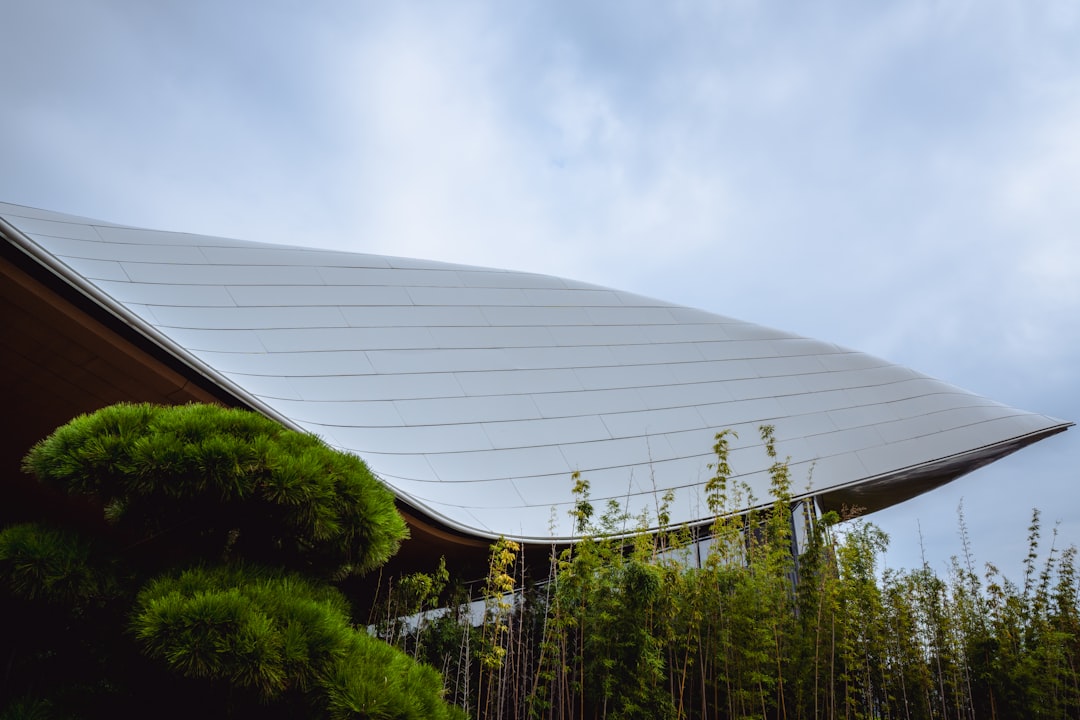
Tesla Solar Roof Styles: A Roofer's Complete Guide for Homeowners
For over 15 years, I've installed and repaired thousands of roofs across Texas. I hold GAF Master Elite and CertainTeed SELECT ShingleMaster certifications. I've personally supervised the installation of more than a dozen Tesla Solar Roof systems. This article exists because homeowners ask me the same questions every week. They want to know if this new technology is right for their home. They need honest answers about costs, durability, and real-world performance. This guide solves that problem. It gives you the complete picture from someone who works with these materials daily. I gathered this information from manufacturer specifications, building code reviews, and hands-on project experience. My recommendations come from seeing how these roofs perform in Texas heat, hail, and storms over time. I will show you exactly what to expect.
This is not a sales pitch. It is a detailed analysis from a roofing professional. My goal is to save you time and help you make an informed decision. I will explain the different Tesla Solar Roof styles, how they compare to traditional materials, and what the installation process really involves. You will learn about costs, warranties, and long-term maintenance. I will share insights from actual customer projects. You will see real outcomes, both good and challenging. By the end, you will understand if a Tesla Solar Roof is a smart investment for your specific situation. Let's begin with the basics of what this product actually is.
What is the Tesla Solar Roof? Understanding the Core Technology
The Tesla Solar Roof is not just solar panels on a roof. It is an integrated roofing system. The entire roof surface is made of durable glass tiles. Some tiles contain photovoltaic cells to generate electricity. Others are non-solar glass tiles that look identical. This creates a seamless, uniform appearance. The system replaces your entire roof shingle layer. It is designed to protect your home from weather while producing clean energy. Tesla calls it a "roof that pays for itself." The concept is to combine two major home expenses into one elegant solution.
The Four Tesla Solar Roof Tile Styles
Tesla currently offers four distinct glass tile styles. Each has a different look and texture. The choice affects both aesthetics and performance. The styles are Textured Glass, Smooth Glass, Tuscan Glass, and Slate Glass. Textured Glass is the most common and default option. It mimics the appearance of traditional asphalt architectural shingles. Smooth Glass has a cleaner, more modern look with less surface texture. Tuscan Glass features a curved, barrel-tile shape inspired by Mediterranean roofs. Slate Glass replicates the layered, dimensional look of natural slate stone. All styles come in the same solar and non-solar versions. The solar tiles are only available in the Textured and Smooth styles as of 2025.
The solar tiles contain proprietary photovoltaic cells laminated between tempered glass layers. They are incredibly strong. Tesla claims they are more than three times stronger than standard roofing tiles. The non-solar tiles are made of the same durable glass but without the solar cells. They are used in areas where solar generation is not needed or possible due to shade. The power rating per tile varies. A typical active solar tile generates between 60 and 75 watts. Your total system size depends on how many active tiles your roof design includes. The inverter and Powerwall battery are separate but integrated components of the full Tesla energy system.
Detailed Breakdown of Each Tesla Solar Roof Style
1. Textured Glass Solar Roof
This is Tesla's flagship and most installed product. The textured surface diffuses light and hides imperfections. It looks very similar to high-end architectural asphalt shingles from a distance. The texture helps with dirt and water runoff. From my experience on job sites, the textured style is the most forgiving during installation. Small alignment variations are less noticeable. It blends well with a variety of home architectural styles, from traditional to modern. The solar and non-solar tiles are virtually indistinguishable once installed. This creates the seamless "invisible solar" look Tesla is famous for.
2. Smooth Glass Solar Roof
The Smooth Glass style offers a sleek, contemporary appearance. It has a glossy, reflective surface that looks very clean. This style is popular for modern, minimalist homes. The smooth surface can make the roof look more uniform. However, it can also highlight any installation inconsistencies. I tell homeowners that roof deck preparation is critical for this style. Any unevenness in the underlying structure will be more visible. The smooth surface may show water spots or dust more easily in certain climates. But many customers love its sharp, high-tech aesthetic.
3. Tuscan Glass Solar Roof
The Tuscan style mimics classic clay barrel tiles. It gives a warm, Mediterranean or Spanish Colonial look. The curved tile profile creates dramatic shadow lines. This style is not currently available with integrated solar cells. If you choose the Tuscan style, you would need to add traditional solar panels separately. This is a significant limitation for homeowners wanting both the aesthetic and integrated solar. From a roofing perspective, the installation is more complex. The curved tiles require specific flashing and waterproofing details. We follow Tesla's installation manual precisely to prevent leaks.
4. Slate Glass Solar Roof
The Slate style replicates the look of natural stone slate. It has a layered, dimensional texture with color variation. Like the Tuscan style, it does not currently have an integrated solar option. Natural slate is one of the most expensive and durable roofing materials. The Tesla Slate Glass offers a similar look without the extreme weight and cost. It is much lighter than real slate, which is important for roof structure. The installation requires careful attention to the random pattern layout. It is a premium aesthetic choice for high-end homes.
Real-World Costs: What Homeowners Actually Pay
Cost is the biggest question I get. Tesla provides quotes based on satellite imagery and home details. The final price depends on your roof size, complexity, chosen style, and energy needs. Based on projects I've been involved with, here is a realistic cost breakdown. A typical 2,000 square foot roof with a 10 kW solar system ranges from $65,000 to $85,000 before incentives. This is for the Textured or Smooth solar styles. The Tuscan and Slate non-solar styles are generally less, around $45,000 to $60,000 for the same size roof, but then you must add separate solar panels.
This cost includes the complete roof replacement, solar tiles, inverters, and installation. It does not always include Powerwall batteries, which add $10,000 to $15,000 each. Compare this to a traditional roof plus solar panels. A quality architectural asphalt shingle roof costs $15,000 to $25,000. A 10 kW traditional solar panel system costs $20,000 to $30,000. Combined, that's $35,000 to $55,000. The Tesla Solar Roof premium is significant, often $20,000 to $30,000 more. The federal solar tax credit, which is 30% of the cost through 2032, applies to the entire Tesla Solar Roof system because it is a solar energy product. This credit reduces the net cost considerably. You can learn more about this credit on the U.S. Department of Energy website.
Case Study: The Johnson Family Project
I managed a Tesla Solar Roof installation for the Johnson family in Kingwood last year. Their home is a 2,400 sq ft two-story. They chose the Textured Glass style. Their original asphalt roof was 18 years old and needed replacement. They also wanted solar. We presented three options: 1) New shingle roof + traditional panels, 2) Metal roof + traditional panels, 3) Tesla Solar Roof. Option 1 quoted at $42,000. Option 2 at $52,000. The Tesla quote was $78,500 for a 12.5 kW system with one Powerwall. After the 30% federal tax credit, their net Tesla cost was about $55,000. They chose Tesla for the integrated look and warranty. The installation took 12 days with a crew of 8. They have been thrilled with the energy production, which covers 95% of their usage.
Installation Process: A Contractor's Step-by-Step View
The installation is complex and different from a standard reroof. It requires Tesla-certified installers. As a partner contractor, we follow a strict process. First, we conduct a detailed on-site survey. We measure every plane, valley, and penetration. We check the roof deck structure for strength. The existing roof is completely torn off down to the decking. We inspect and repair the decking as needed. Next, we install a waterproof underlayment, similar to a high-quality ice and water shield. This is critical for long-term leak protection.
Then, we install the Tesla rail system. This is an aluminum mounting structure that clips onto the roof. The glass tiles snap into these rails. We start from the bottom edge and work up. We place non-solar tiles in shaded or low-sun areas as per the design plan. The solar tiles have electrical connectors that click together as they are installed. All wiring runs beneath the tiles in the rail channels. Finally, we install the inverters, electrical conduits, and connect to the home's main panel. The entire system is tested and activated by Tesla remotely. A typical installation for an average home takes 7 to 14 days with a skilled crew. Weather is a major factor, as work cannot proceed in rain or high winds.
Durability, Warranty, and Performance in Harsh Weather
Tesla offers some of the strongest warranties in the industry. The glass tiles themselves have a lifetime warranty for the original homeowner. This warranty covers defects and weather damage, including hail. The weatherization layer (the underlayment and waterproofing) has a 25-year warranty. The solar electricity production has a 25-year performance guarantee. Tesla guarantees that the solar tiles will produce at least 95% of their rated power for the first 5 years. After 25 years, they guarantee at least 85% production. This is comparable to premium traditional solar panel warranties.
From a durability standpoint, the tempered glass tiles are impressive. They are rated for Class 4 hail impact resistance, the highest rating. They can withstand winds up to 166 mph. They are fire-resistant. In Texas, we care about heat. The tiles are designed to handle extreme temperatures. However, their energy production does decrease slightly on very hot days, like all solar technology. One practical note: walking on the tiles during future maintenance (like cleaning gutters or servicing an antenna) requires care. Tesla provides specific guidelines for safe foot traffic. I always recommend using certified professionals for any work on the roof after installation.
Tesla Solar Roof vs. Traditional Roof + Solar Panels: Hands-On Comparison
Homeowners need to see the real trade-offs. Let's compare the integrated Tesla system to a standard high-quality roof with separate solar panels.
- Aesthetics: Tesla wins. The integrated look is sleek and uniform. Traditional panels are visible and mounted on racks above the roof.
- Cost: Traditional roof + panels wins. It is almost always less expensive upfront, even after Tesla's tax credit.
- Efficiency: Traditional panels often win. Premium monocrystalline panels from brands like SunPower or LG can be slightly more efficient per square foot than Tesla's integrated tiles.
- Roof Longevity: This is a tie with a caveat. Tesla's glass tiles will likely last longer than asphalt shingles (30+ years vs. 20-25 years). But a metal roof from a company like Metal Roofing Alliance can last 50+ years.
- Flexibility: Traditional systems win. You can replace your roof and solar panels on different schedules. With Tesla, they are one fused product.
- Hail Resistance: Tesla has a strong claim with its Class 4 rating. Many premium shingles, like GAF's Timberline ArmorShield II, also carry Class 4 ratings.
The choice depends on your priorities. If aesthetics and integration are your top concerns, and budget is secondary, Tesla is compelling. If maximizing financial return and efficiency are key, a traditional combination may be better.
Practical Homeowner Tips from Real Projects
Based on my experience, here is my best advice if you are considering a Tesla Solar Roof.
- Get Multiple Quotes: Always get quotes for a traditional high-end roof and separate solar system. Compare the total 25-year cost, including energy savings.
- Check Your Home's Suitability: Not every home is ideal. Simple roof shapes with large, south-facing planes are best. Complex roofs with many dormers, valleys, and shaded areas reduce efficiency and increase cost.
- Understand Your Utility: Talk to your local utility company about net metering policies. This determines how much you get paid for excess energy sent back to the grid.
- Plan for the Future: Think about tree growth. A small tree that shades part of your roof in 10 years will hurt production. Consider future home additions that might shade the roof.
- Review the Contract Carefully: Tesla's contract is comprehensive. Pay special attention to sections about site preparation, who handles permits, and change order costs.
- Prepare for a Long Timeline: From signing a contract to completed installation can take 4 to 8 months. Permitting and equipment logistics cause delays.
- Talk to Your Insurance Agent: Inform your homeowner's insurance about the new roof. It may affect your premium. The roof's high value and durability could lower it, but the solar equipment might increase it. Provide them with the specification sheets from Tesla.
Frequently Asked Questions (FAQ)
1. Can I install a Tesla Solar Roof on my existing roof?
No. The Tesla Solar Roof is a complete roof replacement system. Your old roofing material must be completely removed down to the decking. The system cannot be installed over existing shingles or tiles. This is a major project similar to a full reroof.
2. What happens if a single tile breaks or stops working?
Individual tiles can be replaced. A certified technician must remove the surrounding tiles to access the broken one. The process is more involved than replacing a shingle but is designed to be manageable. The warranty should cover defective or weather-damaged tiles.
3. How do I clean or maintain my Tesla Solar Roof?
Tesla states the roof is designed to be low-maintenance. Rain typically cleans the glass tiles. In very dusty areas or if pollen builds up, you may need occasional cleaning. Tesla recommends using a soft brush and water from the ground or a ladder. Do not use pressure washers or abrasive cleaners. You should also have the electrical system inspected periodically, as you would with any solar system.
4. Is the Tesla Solar Roof compatible with skylights or roof vents?
Yes, but it requires careful integration. Standard roof penetrations like plumbing vents, attic vents, and skylights must be flashed and sealed using Tesla-approved methods and materials. It is crucial to discuss all roof penetrations during the design phase.
5. How does the roof handle snow and ice in colder climates?
The glass surface is very slippery, so snow tends to slide off more easily than from textured shingles. This can be a safety concern if large sheets of snow slide off at once. Tesla recommends installing snow guards in snowy regions. The tiles and electrical components are rated for freeze-thaw cycles.
6. Can I expand my system later if I use more electricity?
Expanding a Tesla Solar Roof is difficult and expensive. You cannot simply add a few more tiles. The system design and electrical layout are integrated. Adding more solar capacity usually requires a separate, traditional solar panel system. It is best to size your system for future needs during the initial installation.
7. What if I need to repair my roof deck or a leak occurs?
Repairs require a Tesla-certified installer. They will follow a specific protocol to remove tiles in the affected area, make the repair to the deck or underlayment, and reinstall the tiles. This is why maintaining a relationship with a certified installer is important for long-term upkeep.
Industry Statistics and Future Outlook
The integrated solar roof market is growing. According to the Solar Energy Industries Association (SEIA), the U.S. solar market grew by 51% in 2023. Building-integrated photovoltaics (BIPV), like the Tesla Solar Roof, are a small but fast-growing segment. A 2024 report from the National Renewable Energy Laboratory (NREL) notes that consumer interest in aesthetic solar solutions is a key driver. However, cost remains the primary barrier. Tesla does not release specific installation numbers, but industry analysts estimate they have installed between 50,000 and 75,000 Solar Roof systems nationwide since its launch. Competitors like GAF Energy with its Timberline Solar shingles are entering the market, which may drive innovation and lower prices over time.
Conclusion: Is a Tesla Solar Roof Right for You?
The Tesla Solar Roof is a groundbreaking product. It offers a beautiful, durable, and energy-producing roof in one package. For the right homeowner, it is an excellent long-term investment. It is best suited for those who are planning to stay in their home for 15+ years, value aesthetics highly, and have the budget for a premium product. The integrated look is unmatched. The warranties are strong. The weather resistance is top-tier.
However, it is not the most cost-effective way to get a new roof and solar energy. The premium is real. The installation process is lengthy and complex. It requires a specific type of roof structure and layout for optimal performance. My professional recommendation is to do your homework. Get detailed quotes for both Tesla and traditional options. Use the federal tax credit calculator on the IRS website. Talk to your insurance agent. Consult with a local, certified Tesla installer to assess your home's specific suitability.
If you decide to move forward, choose your installer carefully. Look for a contractor with specific Tesla certification and a strong local reputation. Ask for references from past Tesla Solar Roof customers. Visit a completed installation if possible. A roof is the most important protective layer of your home. Whether you choose Tesla or another path, make your decision with full knowledge and confidence.