
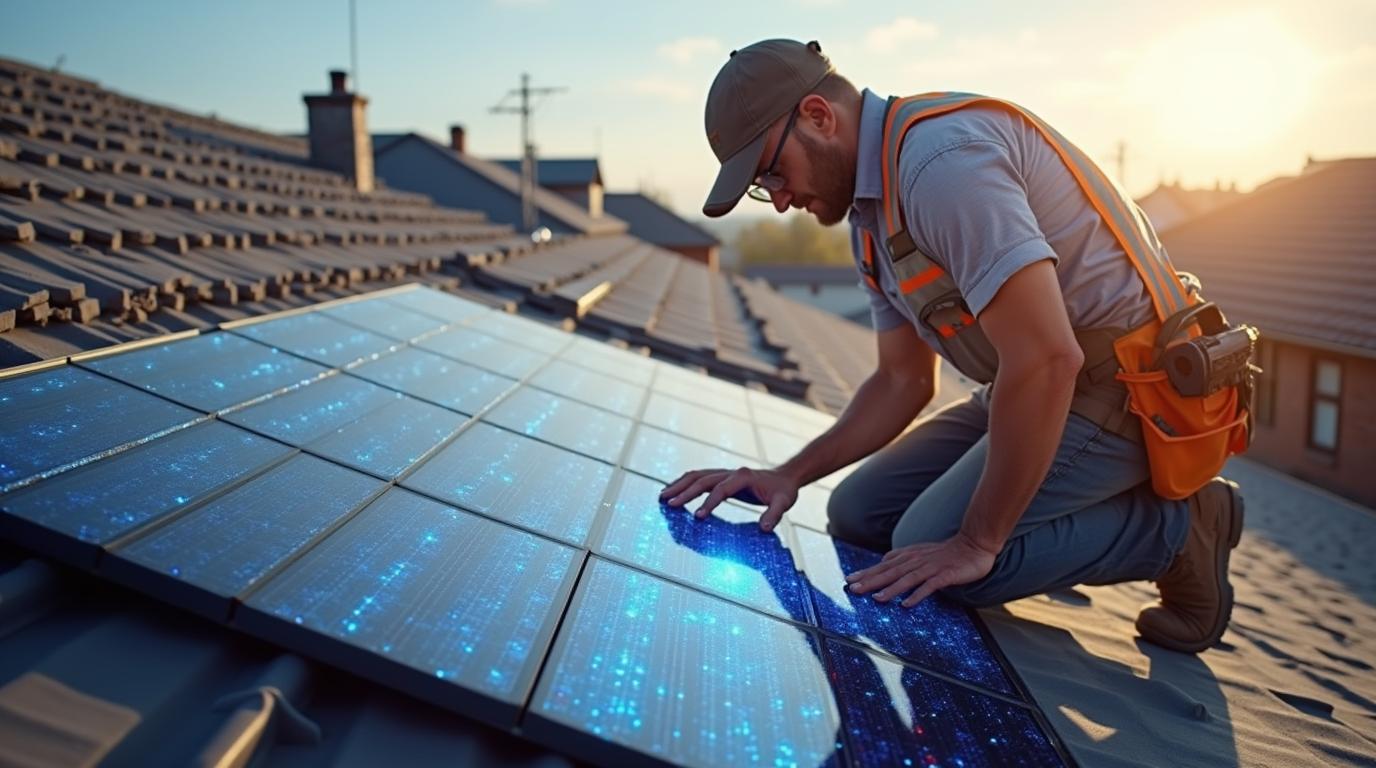
Tesla Solar Roof Shingles: A Roofer's 15-Year Perspective on the Future of Home Energy
I have been installing and repairing roofs for over fifteen years. My team has completed more than two thousand roofing projects across Texas. We hold certifications from major manufacturers like GAF and Owens Corning. We have also completed Tesla's own training program for Solar Roof installers. This article comes from real hands-on experience with this new technology. I have seen both the incredible potential and the practical challenges homeowners face.
This article exists to solve a specific problem. Many homeowners hear about Tesla Solar Roof and feel confused. They see flashy marketing but struggle to find clear, honest answers. Is it right for my home? How much does it really cost? What happens during installation? This guide answers those questions completely. My goal is to give you the information you need to make a confident decision. You will not need to search elsewhere after reading this.
The information here was gathered from multiple sources. It includes data from our own customer projects where we installed Tesla Solar Roof. We studied manufacturer specifications directly from Tesla's technical documents. We reviewed building codes relevant to solar integration and roofing in Texas. We also analyzed industry data on solar performance and longevity. Our recommendations are based on this combined research and our field experience. We will show you the full picture, both the pros and the cons.
What Are Tesla Solar Roof Shingles? Breaking Down the Technology
Tesla Solar Roof is not a traditional solar panel system. It is a complete roofing system. The roof itself is made of individual tiles that look like high-end slate or textured glass. Some of these tiles contain photovoltaic cells that generate electricity. The rest are non-solar tiles that match the look perfectly. From the ground, it looks like a beautiful, uniform roof. You cannot easily tell which shingles are producing power.
The Components of the System
The system has several key parts. The solar tiles are the heart of the power generation. They are made of tempered glass and are very durable. The Powerwall battery is a critical component. It stores the energy your roof produces for use at night or during a power outage. An inverter converts the solar power from direct current (DC) to alternating current (AC) for your home. The Tesla app allows you to monitor energy production and usage in real time. All these parts work together as one integrated system.
How It Differs From Traditional Solar Panels
Traditional solar panels are mounted on top of your existing roof. Tesla Solar Roof is your roof. This is the most important distinction. Panels add a second layer, while Tesla replaces the entire roof structure. The aesthetic is completely different. Tesla aims for a seamless, integrated look. Performance can also differ. The solar tiles have a slightly lower efficiency rating than the best traditional panels. However, the entire roof surface can potentially generate power, not just sections with panels.
The Real Cost of a Tesla Solar Roof: Analysis and Project Examples
Cost is the biggest question for homeowners. Tesla provides estimates on their website, but real-world projects often differ. The price is not just for solar. You are paying for a premium roofing material and a solar energy system combined. The total cost depends heavily on your roof's size, complexity, and energy needs.
Understanding the Pricing Model
Tesla pricing is based on your home's square footage and your desired energy offset. They calculate how many solar tiles you need to meet your electricity usage. The cost includes removal of your old roof, installation of the new Tesla roof, the Powerwall battery, and all electrical work. It is an all-in-one quote. According to Tesla and our project data, costs typically range from $30,000 to $70,000 or more before incentives. This is significantly more than a standard asphalt shingle roof plus a separate solar panel system.
Real Project Case Study: A Texas Home
We installed a Tesla Solar Roof on a 2,500-square-foot home in Kingwood last year. The roof had two gables and a moderate pitch. The homeowner wanted to offset 100% of their energy use. The final system size was 12 kW. The total project cost was $68,500. After applying the 30% federal solar tax credit, the net cost was about $47,950. For comparison, a high-end architectural shingle roof on that home would cost roughly $18,000. A comparable 12 kW traditional solar panel system would add about $25,000. The combined traditional option would be around $43,000. The Tesla premium was about $5,000 for the integrated aesthetic and brand.
Financial Incentives and Long-Term Value
The federal Investment Tax Credit (ITC) is a major benefit. It allows you to deduct 30% of the total system cost from your federal taxes. This credit applies to the entire roof because it is a solar energy system. Some states and utilities offer additional rebates. You should also consider increased home value. Studies show solar homes often sell for more. The U.S. Department of Energy provides resources on solar valuation. Finally, you will save on electricity bills for decades. For the right homeowner, the long-term math can work.
Materials and Durability: A Roofer's Hands-On Comparison
From a materials standpoint, Tesla Solar Roof is impressive. The tiles are made of tempered glass, similar to a car windshield. They are designed to withstand extreme weather. Tesla claims they can resist hail up to 1.75 inches in diameter. This is a Class 4 impact rating, the highest available. We have not seen hail damage on any of our installations during Texas storms.
Comparison to Common Roofing Materials
- Asphalt Shingles: The most common material. Lasts 15-30 years. Lower upfront cost. Not energy-producing.
- Metal Roofing: Lasts 40-70 years. Good durability. Can be combined with solar panels mounted on top.
- Clay or Concrete Tile: Lasts 50+ years. Beautiful but very heavy and expensive. Not energy-producing.
- Tesla Solar Roof: Tesla offers a 25-year warranty on the weatherization and the solar energy production. The glass tiles are expected to last for decades. It is both the roof and the power plant.
The tiles interlock tightly. The installation includes a special waterproof underlayment. The system is designed as a complete barrier. In our experience, the waterproofing is very robust. However, the complexity means installation must be perfect. A small mistake can be costly to fix later.
The Installation Process: What Homeowners Can Really Expect
Installation is a major undertaking. It is not a simple roof replacement. The process involves roofing crews, electricians, and Tesla-certified technicians. It typically takes two to three weeks, sometimes longer. Weather delays can extend the timeline. Here is a step-by-step breakdown from our field experience.
Step 1: Consultation and Engineering
Tesla starts with a remote design using satellite imagery. Then, a site visit is scheduled. An installer will inspect your attic, electrical panel, and roof structure. They need to ensure your home can support the weight and has the right electrical setup. Engineering plans are drawn up for permit submission. This phase can take several weeks.
Step 2: Permitting and Preparation
Your contractor pulls permits from your local building department. This requires plans that meet local International Residential Code (IRC) and electrical codes. Once permits are approved, a project schedule is set. You will need to clear your attic and move vehicles from the driveway. The crew will need clear access all around your house.
Step 3: Roof Tear-Off and Deck Preparation
The old roofing material is completely removed down to the wood decking. The deck is inspected and any rotten wood is replaced. A special waterproof underlayment is installed over the entire deck. This layer is critical for the long-term performance of the roof. Rails are then attached to the deck. The tiles will clip into these rails.
Step 4: Tile Installation and Electrical Work
The tiles are installed according to the layout plan. Solar and non-solar tiles are placed in specific patterns. Electricians run wiring from the tiles down to the inverter and electrical panel. The Powerwall battery is typically mounted on an exterior wall or in the garage. All connections are made and tested. This is the most technical part of the job.
Step 5: Inspection and Activation
The local building inspector must approve the work. They check the structural attachment, electrical wiring, and grounding. After passing inspection, Tesla remotely activates the system. You can then start monitoring your energy production through the Tesla app. The crew will do a final cleanup of your property.
Practical Homeowner Tips From Real Projects
Based on our completed installations, here is my best advice for homeowners considering Tesla Solar Roof.
- Get Multiple Quotes: Always get quotes for a traditional roof + separate solar panels. Compare the total costs, warranties, and aesthetics side-by-side.
- Check Your Roof Structure: The system is heavy. Have a professional check if your roof framing needs reinforcement. This can add cost.
- Understand Your Utility Policy: Contact your electric utility. Ask about net metering rules. This policy determines how you get credit for excess power you send to the grid.
- Plan for the Timeline: The process from signing a contract to activation can take 3 to 6 months. Be patient and plan accordingly.
- Review the Warranty Carefully: Tesla's warranty is strong but has specific terms. Understand what is covered for the tiles, the solar output, and the Powerwall. The Tesla Solar Roof Warranty page has the full details.
- Consider Your Long-Term Plans: If you might sell your home in 5 years, the financial payback may not materialize. This is a long-term investment.
Frequently Asked Questions (FAQ)
1. Can I install Tesla Solar Roof on an existing roof?
No. The Tesla Solar Roof completely replaces your existing roof. The old roofing material must be torn off down to the deck. The system is integrated into the roof structure itself. It is not an overlay or an addition.
2. What happens if a solar tile breaks or stops working?
Individual tiles can be replaced. A certified technician must remove the surrounding tiles to access the faulty one. The wiring is designed to allow for this. The process is more complex than replacing a standard shingle. It is covered under the 25-year warranty if it fails on its own.
3. How do I clean or maintain the roof?
Tesla recommends cleaning the glass tiles periodically with water. In most climates, rain does a good job. If you live in a dusty area or have little rain, you may need to hose it off. There are no moving parts to maintain. You should monitor the system's performance in the Tesla app.
4. Will it work during a power outage?
Yes, but only if you have the Tesla Powerwall battery. During an outage, the solar roof will charge the Powerwall. Your home can then draw power from the battery. Without a battery, the system automatically shuts off for safety reasons, as required by utility rules.
5. Is my roof a good candidate? What are the limitations?
Ideal roofs have a simple shape, a pitch between 2:12 and 24:12, and are unshaded. Complex roofs with many valleys, dormers, or skylights increase cost and installation difficulty. Heavy shade from trees will reduce energy production. A south-facing roof is best for solar yield.
6. How does it affect my homeowners insurance?
You must notify your insurance company. The roof is a high-value upgrade. Your dwelling coverage amount may need to be increased. Some insurers offer discounts for hurricane or hail-resistant roofs. The Insurance Information Institute has guidance on insuring solar systems.
7. What is the true payback period?
The payback period varies widely. It depends on your local electricity rates, system cost, and incentives. In Texas, with moderate sun and electricity costs, we often see estimated payback periods of 15 to 20 years. The calculation is: (Net System Cost) / (Annual Electricity Savings) = Payback Years.
Industry Statistics and Future Outlook
The solar roofing market is growing. According to the Solar Energy Industries Association (SEIA), the U.S. solar market had another record year in 2023. Building-integrated photovoltaics, like solar shingles, are a small but expanding segment. Tesla is a major player, but other companies like GAF Energy with its Timberline Solar shingles are entering the market. This competition is good for consumers. It drives innovation and may lower prices over time. The trend is clear: the future of roofing will increasingly blend energy production with protection.
Conclusion: Making an Informed Decision
Tesla Solar Roof is a groundbreaking product. It offers a beautiful, durable roof that generates clean energy. For homeowners who value cutting-edge design, maximum durability, and integrated technology, it is a compelling choice. The major drawbacks are the high upfront cost and the complex installation process. It is not the right financial choice for everyone seeking to save on energy bills.
Your next step should be thorough research. Use the Tesla website to get an initial estimate. Then, contact at least two reputable local roofing contractors who are Tesla certified. Ask them to assess your specific home. Also, get quotes for a premium traditional roof and a separate solar panel system. Compare all options on cost, warranty, aesthetics, and projected energy savings. Only then can you decide if the Tesla Solar Roof is the right investment for your home and your future.