
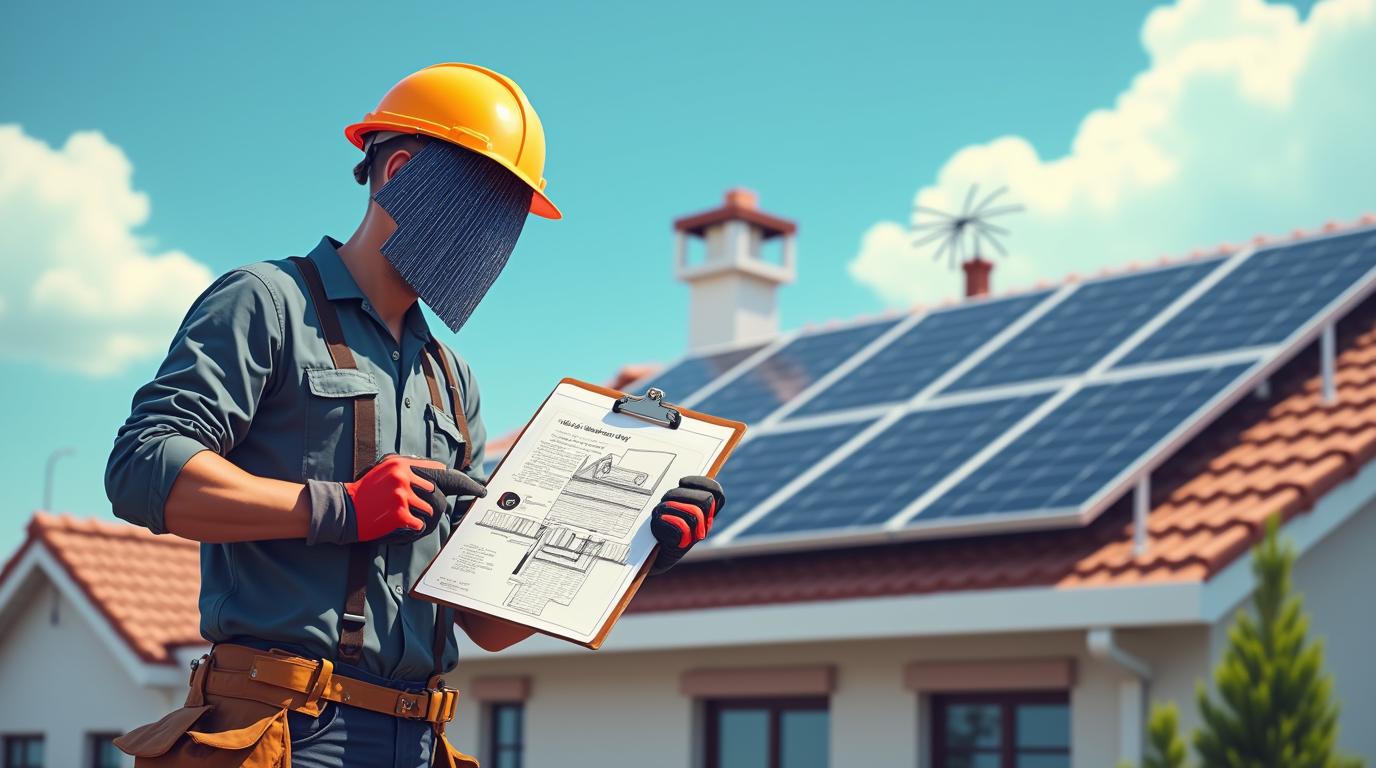
Tesla Solar Panel Installers: A Roofer's 15-Year Perspective on What Homeowners Must Know
I've spent over fifteen years in the roofing industry, completing thousands of projects across Texas. My team holds certifications from major manufacturers like GAF and Owens Corning. We've seen the evolution from basic asphalt shingles to integrated solar solutions. This article exists because homeowners often ask us about Tesla solar panels. They want to know if their roof is ready for this major investment. They worry about installation quality and long-term protection. My purpose is to give you the honest, field-tested perspective you won't get from a sales brochure. I'll share what we've learned from inspecting roofs before and after solar installations. This information comes from direct work with customers, studying manufacturer specifications, and adhering to building codes like the International Residential Code (IRC). My methodology is simple: show you the real considerations, not just the marketing promises.
Choosing a solar installer is about more than just panels. It's about your home's most critical protective layer: your roof. A poor installation can lead to leaks, structural damage, and voided warranties. Through this guide, I'll explain the roofing fundamentals every homeowner must understand before signing a contract. We'll cover roof assessments, material compatibility, installation techniques, and long-term maintenance. I'll provide actionable advice based on real-world scenarios we've encountered. My goal is to help you make an informed decision that protects both your investment and your home.
The Critical Roof Assessment: Is Your Roof Solar-Ready?
Before any solar discussion begins, your roof must be evaluated. Tesla installers will assess this, but understanding the criteria empowers you. The roof's age is the primary factor. Solar panels have a 25-30 year warranty. Your roof should have a comparable remaining lifespan. Installing solar on a 15-year-old roof is a costly mistake. The roof structure must support the additional weight. Panels, racking, and potential snow load add significant pounds per square foot.
Evaluating Roof Age and Condition
We recommend a professional roofing inspection first. Look for curled or cracked shingles, granule loss in gutters, and any signs of sagging. Check the attic for water stains, daylight through the boards, or compromised decking. The North American Board of Certified Energy Practitioners (NABCEP) provides guidelines for solar-ready roofs. If your roof is within 5-7 years of needing replacement, replace it first. Combining a reroof with solar installation is often more economical. It avoids the future cost of removing and reinstalling the solar array.
Structural Integrity and Load Capacity
Your home's framing must handle the static and dynamic loads. Tesla's system, including Powerwall batteries, adds considerable weight. A structural engineer or qualified roofer should verify this. They will examine rafter size, spacing, and the condition of the roof deck. The International Building Code (IBC) and local amendments dictate load requirements. In Texas, we also consider wind uplift resistance. The mounting system must be engineered to withstand regional wind speeds without compromising the roof membrane.
Material Compatibility: How Tesla Panels Work With Your Roof
Not all roofing materials are equal for solar attachment. The installation method varies drastically. This affects cost, warranty, and performance. Asphalt shingles are the most common and compatible. Installers use flashing and lag bolts that penetrate the deck. Proper sealing is non-negotiable to prevent leaks. Tile roofs (clay or concrete) require special attention. Tiles must be removed or carefully lifted for mounting. This process is more labor-intensive and carries a higher risk of breakage.
Metal Roofing and Solar Integration
Standing seam metal roofs are ideal for solar. Clamps can attach directly to the seams without penetration. This preserves the roof's waterproof integrity. Corrugated metal requires careful penetration sealing. Tesla offers a specific Solar Roof product—integrated solar tiles. This is a complete roof replacement, not an add-on. It requires removing your existing roof down to the deck. The cost and process are fundamentally different from panel installation. You must compare traditional panels on an existing roof versus a full Tesla Solar Roof system.
Warranty Conflicts and Protections
This is a critical area. Installing solar can void portions of your existing roof warranty. Most shingle manufacturers have specific requirements for penetrations. For example, GAF's Golden Pledge warranty may be affected. You must get written confirmation from your roofer and the solar installer. They should provide a combined warranty for the entire system. The Solar Energy Industries Association (SEIA) offers resources on warranty best practices. Ensure the workmanship warranty covers leak potential for at least 10 years.
The Installation Process: A Roofer's View of Best Practices
A proper installation protects your home for decades. The sequence matters. First, the roof must be clean, dry, and structurally sound. Installers will map the layout for optimal sun exposure. They will mark rafter locations to ensure secure attachment. Drilling pilot holes for lag bolts comes next. Each penetration must have a waterproof sealant and a flashing kit. The flashing is integrated under the existing shingles. It directs water away from the hole. The racking system is then bolted down. Finally, the panels are secured to the racks.
Penetration Sealing: The Most Important Step
This is where leaks originate. High-quality, rubberized asphalt or butyl tape sealant is essential. We prefer ice and water shield underlayment around penetration points for added security. The sealant must be applied generously and checked annually. Tesla installers typically use their proprietary mounting hardware. Ask to see the specific flashing and sealing products they use. Compare them to industry standards from companies like Quick Mount PV or IronRidge. The goal is a redundant sealing system that outlasts the panels.
Conduit and Wiring Management
Wires must run from the roof to your electrical panel. Exposed conduit on the roof surface is common but not ideal from a roofing perspective. The best practice is to run conduit through the attic, minimizing roof penetrations. Each penetration is a potential leak point. The conduit entry points require the same rigorous flashing and sealing as rack mounts. All wiring should be secured and protected from attic insulation and pests.
Cost Analysis: Real Project Examples and Hidden Expenses
Homeowners often see only the panel cost. The true project scope includes roofing work. Let's break down real examples from our client files. Case Study 1: A home with a 10-year-old asphalt roof wanted Tesla panels. Our inspection found worn shingles in key areas. The homeowner chose a full roof replacement first. Total cost: $22,000 for roof, $28,000 for solar. Case Study 2: A home with a sound metal roof opted for panels. The install was straightforward with clamp-on mounts. Total cost: $31,000 for solar only. The roof required no modification.
Understanding the Quote Breakdown
A Tesla quote includes equipment, design, permitting, and installation. It often excludes necessary roofing repairs. You must get a separate roofing inspection and quote. Factor in potential costs for decking repair, ventilation upgrades, or ice and water shield. If your electrical panel needs an upgrade to handle solar, that's another cost. The federal solar tax credit (ITC) applies to the solar installation and certain roofing costs if integrated. Keep detailed records. Always budget 10-15% extra for unforeseen issues discovered during installation.
Long-Term Value vs. Upfront Investment
Solar panels can increase home value and reduce energy bills. However, a leaking roof from poor installation destroys that value. Consider the payback period including all roofing-related costs. A quality installation on a sound roof provides the best return. Research from the Lawrence Berkeley National Laboratory shows solar adds a premium to home sales. This premium depends on local markets and system quality. Protect your investment by ensuring the roof foundation is solid.
Maintenance and Repair: Life After Installation
Your roof and solar system need ongoing care. Panels should be cleaned periodically for efficiency. This requires walking on the roof or using special tools. Hire professionals familiar with working around solar equipment. They must avoid damaging panels or wiring. Inspect sealant and flashing annually, especially after severe storms. Check the attic for moisture after heavy rains. Look for any signs of rust on mounting hardware.
Handling Roof Repairs Under Solar Panels
Eventually, your roof will need repair, even with solar. Replacing a damaged shingle under a panel is complex. It requires a qualified team to safely remove and reinstall the panel. This service is costly. Tesla or your installer should provide a clear process and cost schedule for this scenario. It's a critical question to ask before signing. Some roofing warranties become void if unauthorized personnel disturb the solar array. Coordination between your roofer and solar provider is essential.
Monitoring System Performance and Roof Health
Use the Tesla app to monitor energy production. A sudden drop could indicate a panel issue or debris. It could also signal an electrical problem with the roof conduit. Pair this with visual roof inspections twice a year. After major hail storms, have both the panels and the roof inspected separately. Hail can damage panel glass and degrade shingles. File insurance claims carefully, noting both roof and solar damage. The National Roofing Contractors Association (NRCA) provides storm damage inspection guidelines.
Choosing the Right Installer: Questions Beyond the Sales Pitch
Tesla uses its own installation crews and certified third-party partners. Verify the specific team's experience. Ask how many Tesla roof installations they have completed. Request local references and visit previous job sites. Speak to the homeowners about their experience. Check for proper licensing and insurance. The installer should carry general liability and workers' compensation insurance. Confirm they will pull all required building and electrical permits. The permits ensure the work meets local building codes.
Essential Questions for Your Installer
- What is your process for locating and sealing roof penetrations?
- Can you provide the manufacturer specs for the mounting and flashing hardware?
- What is the workmanship warranty for the roof penetration points?
- Who handles repairs if a leak develops at a mounting point?
- What is your procedure for future roof maintenance or replacement?
- How do you protect my existing roof and landscaping during installation?
- Can you provide a detailed plan for conduit routing to minimize penetrations?
Red Flags to Watch For
Be wary of installers who dismiss roofing concerns. Avoid those who won't provide a detailed mounting plan. Steer clear of companies that don't carry appropriate insurance. Never choose an installer based solely on lowest price. The cheapest option often cuts corners on sealing and flashing. This leads to expensive leaks later. A quality installer welcomes your questions and provides clear, written answers.
FAQ: Real Customer Questions Answered
Will Tesla solar panels cause my roof to leak?
Properly installed panels should not cause leaks. The risk comes from poor sealing around penetrations. A certified installer using correct flashing and sealant creates a watertight seal. We recommend an independent roofing inspection after installation to verify the work. Look for any gaps in sealant or improperly installed flashing.
Can I install solar on an older roof?
It is not recommended. Solar panels last 25+ years. If your roof needs replacement in 5-10 years, you will pay to remove and reinstall the panels. This cost can be thousands of dollars. It is more economical to replace the roof first. Then install solar on the new, warrantied roof surface.
What happens if my roof needs repair under the panels?
You must contact your solar installer. They will safely remove the necessary panels for roof access. There is a labor cost for this service. Discuss this scenario and get cost estimates in writing before installation. This ensures no surprises during an emergency repair.
Do solar panels void my roof warranty?
They can, if not installed according to the shingle manufacturer's requirements. You must check your specific warranty documents. Some manufacturers require their approved flashing kits. Get written approval from your roofing manufacturer or the company that issued your warranty before proceeding.
How do solar panels affect roof ventilation?
Panels can raise roof temperature by limiting air flow. This may reduce shingle lifespan in hot climates. Installers should maintain proper clearance between the panels and roof surface. This allows for air circulation. They should also avoid blocking ridge vents or soffit vents with conduit or equipment.
Are Tesla Solar Roof tiles better than panels on my existing roof?
They are different products. Solar Roof replaces your entire roof with solar-active tiles. It is a major construction project with a higher upfront cost. Traditional panels mount on your existing roof. The choice depends on your budget, roof condition, and aesthetic preference. Get detailed quotes for both options.
What should I do if I see a leak after installation?
Act immediately. Contact both your solar installer and your roofer. Document the leak with photos and videos. Temporary containment in the attic can prevent interior damage. The installer should inspect the penetration seals and flashing. This is why a strong workmanship warranty is critical.
Conclusion: Protecting Your Home Through Informed Decisions
Investing in Tesla solar panels is a smart move for energy independence. Protecting your roof is a smart move for home integrity. The two goals must work together. Start with a thorough, independent roof inspection. Understand the true condition and remaining life of your roofing system. Choose an installer who respects the roof as much as the panels. Ask detailed questions about sealing, warranties, and future repairs. Get everything in writing.
Your next steps are clear. First, schedule a professional roofing inspection. Second, get multiple quotes from certified solar installers. Third, compare the roofing requirements in each proposal. Fourth, verify warranty compatibility. Finally, proceed with confidence knowing you've protected your largest investment. Solar energy should empower your home, not endanger it. By focusing on the roofing fundamentals, you ensure decades of clean energy and peace of mind.