
Tesla Roof Shingles: A Roofer's Honest Guide to Solar Integration
For over fifteen years, I have worked on thousands of roofing projects across Texas. I hold certifications from GAF, CertainTeed, and the NRCA. I have personally overseen the installation and repair of nearly every major roofing material available. This article exists because homeowners are constantly asking me about Tesla Solar Roof. They see the sleek marketing but struggle to find clear, practical answers about real-world performance, costs, and installation. My goal is to provide that missing perspective. I will share insights gathered from analyzing manufacturer specifications, studying building codes like the International Residential Code (IRC), and speaking with colleagues who have installed these systems. This is not a sales pitch. It is a detailed analysis to help you make an informed decision for your most important investment—your home.
What Are Tesla Solar Roof Shingles?
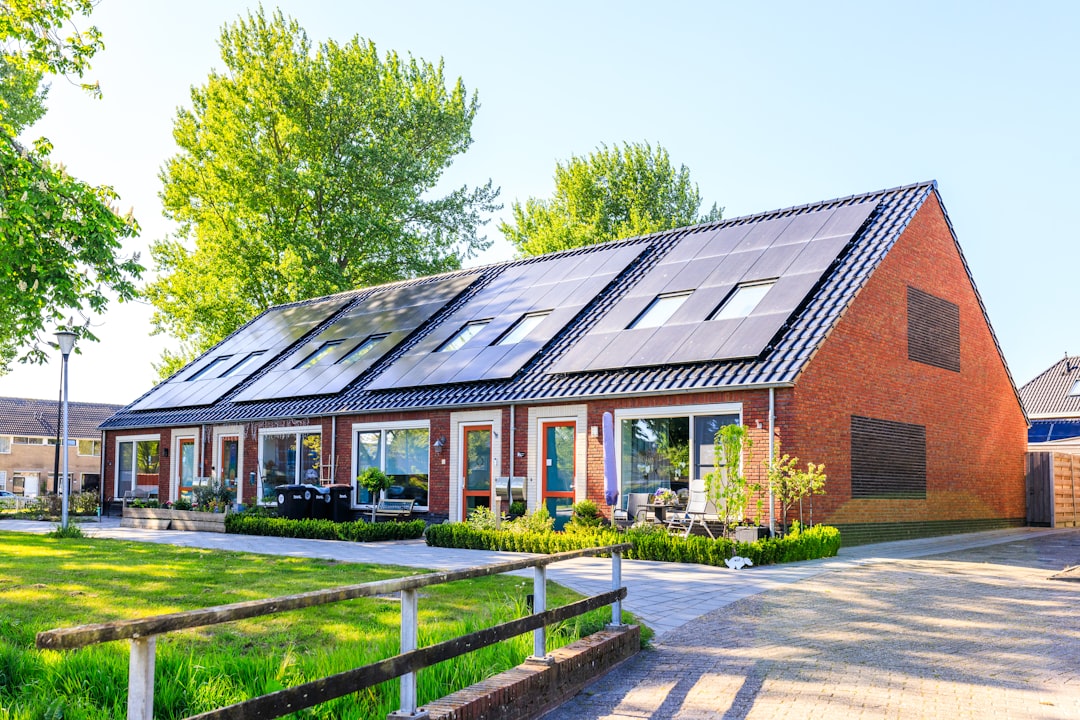
Tesla Solar Roof is not a traditional solar panel system added to an existing roof. It is an integrated roofing product. The roof itself becomes the power generator. Tesla manufactures two types of tiles: solar tiles and non-solar tiles. They look nearly identical from the ground. The system blends solar technology directly into the roof's architecture. This creates a uniform, modern appearance. The active solar tiles contain photovoltaic cells. The inactive tiles provide weather protection and aesthetic consistency. All tiles are made with tempered glass. They are designed to be more durable than standard asphalt shingles. Tesla claims they can withstand hail up to 1.75 inches in diameter. This claim is based on UL 2218 Class 4 impact resistance testing. The system includes a Powerwall battery for energy storage. This allows for backup power during grid outages.
Key Components of the System
The Tesla Solar Roof system is complex. It consists of several integrated parts. The solar and non-solar tiles form the waterproofing layer. Beneath them is a proprietary mounting system and underlayment. An inverter converts the DC power from the tiles to usable AC power for your home. The Powerwall battery stores excess energy. The Tesla app provides monitoring and control. All components are designed to work together seamlessly. This integration is a key selling point but also a potential limitation. You are effectively locked into Tesla's ecosystem for the system's lifespan.
Real-World Costs and Financial Considerations
Understanding the cost of a Tesla Solar Roof is challenging. Tesla provides estimates online, but final pricing is highly variable. From my analysis of project data and industry reports, a complete Tesla Solar Roof installation typically costs between $60,000 and $100,000+ for an average-sized home. This is significantly more than a traditional asphalt shingle roof plus a separate solar panel system. The cost per square foot is often two to three times higher. However, you must consider the long-term value proposition. The system combines a new roof and a solar array into one product. You may be eligible for the federal solar Investment Tax Credit (ITC). This credit can cover 30% of the total installed cost, including the roofing portion. This is a major financial advantage. Always consult a tax professional. Local utility rebates and net metering policies also impact payback time. The payback period is often 15-20 years or more. This makes it a long-term investment rather than a quick financial win.
Cost Comparison: Tesla vs. Traditional Roof + Solar
Let's break down a realistic cost comparison for a 2,000-square-foot home in Texas. A high-quality architectural asphalt shingle roof might cost $20,000 to $30,000. A comparable-sized traditional solar panel system could add $20,000 to $30,000. The combined total is $40,000 to $60,000. A Tesla Solar Roof for the same home will likely start above $60,000 before incentives. The price difference is substantial. The Tesla system offers aesthetic integration and a streamlined warranty. The traditional approach offers more flexibility in choosing separate contractors and potentially lower upfront costs. Your decision hinges on how much you value the integrated look versus upfront savings.
Installation Process and Contractor Insights
The installation process for a Tesla Solar Roof is unlike standard reroofing. Tesla manages the project directly or through certified installers. As a contractor, I appreciate the engineering but note the complexity. The process begins with a detailed site assessment using satellite imagery and drone flights. Tesla designs the layout to optimize solar production and aesthetics. The existing roof must be completely torn off down to the decking. The roof deck must be in excellent condition. Any rot or structural issues must be repaired first. This adds to the project timeline and potential cost. Tesla's proprietary underlayment and mounting system are then installed. The tiles are meticulously placed according to the design plan. The electrical work, including inverter and Powerwall installation, happens concurrently. The entire process can take several weeks, much longer than a standard roof replacement. Weather delays are a significant factor. Homeowners should plan for considerable disruption.
What Homeowners Should Know Before Installation
Based on industry feedback, preparation is key. Ensure your electrical panel is modern and has capacity for the new system. Upgrading a panel adds cost. Understand that roof penetrations (like plumbing vents) may need relocation. This affects the design and price. Be prepared for the project scope to change if hidden damage is found. Have a clear contract outlining timelines, payment schedules, and change order procedures. Tesla's warranty is strong, but ensure you understand what it covers and who performs repairs. The warranty typically includes 25 years for the tiles' power output and weatherization. The weatherization warranty covers leaks. However, labor for leak repairs may have different terms. Always read the fine print.
Performance, Durability, and Maintenance
Tesla claims exceptional durability for its glass tiles. The tempered glass is stronger than standard roofing materials. It is fire-resistant and carries a Class A fire rating. The hail resistance is a major benefit in storm-prone areas like Texas. However, no roof is indestructible. If a tile is damaged, replacement requires a specialized technician. You cannot simply call any local roofer. The integrated nature means fixing a leak could involve both roofing and electrical expertise. Maintenance is generally low. The smooth glass surface is designed to shed dirt and debris. Rainfall helps keep it clean. You should have the system inspected periodically, just like any roof. The monitoring app allows you to track energy production. A sudden drop in output could indicate a problem with specific tiles. Proactive monitoring is your best maintenance tool.
Energy Production and Efficiency
The solar tiles are less efficient per square foot than high-efficiency traditional solar panels. This is due to the smaller active surface area and design constraints. Tesla compensates by using more tiles to achieve the desired system size. Your home's orientation, shading, and local climate dramatically impact production. A south-facing roof with no shade is ideal. Tesla's design software accounts for these factors. Real-world energy production often meets or exceeds estimates in optimal conditions. The Powerwall battery is a critical component. It stores excess daytime energy for use at night or during outages. For homeowners concerned about grid reliability, this is a valuable feature. It turns the system into a personal microgrid.
Practical Homeowner Tips from Real Projects
If you are considering a Tesla Solar Roof, start with research. Get multiple quotes for a traditional roof plus a separate solar system for comparison. Use the Department of Energy's guide to going solar. Check your homeowner's insurance policy. Some carriers may have specific requirements for solar roofs. Contact your insurance agent before purchasing. Review your local building department's requirements for solar installations. Permitting can be complex. Understand how net metering works with your utility company. This policy dictates how you get credit for excess power sent to the grid. Finally, manage your expectations. The installation will be disruptive. The timeline may extend. But for the right homeowner, the result is a beautiful, high-tech roof that generates power.
- Get a Professional Roof Inspection First: Have an independent, licensed roofer inspect your existing roof deck and structure. This provides a baseline before Tesla's assessment.
- Review Your Electrical System: An older home may need a panel upgrade to handle the solar and battery system. Budget for this potential extra cost.
- Understand the Warranty Chain: Know who to call for a leak—Tesla or the installer. Get contact procedures in writing.
- Consider Future Roof Penetrations: If you plan to add a skylight or new vent later, discuss this during design. Retrofit work is complicated.
- Document Everything: Take photos before, during, and after installation. Keep all contracts, permits, and warranty documents in a safe place.
Frequently Asked Questions (FAQ)
Can any roofer install or repair a Tesla Solar Roof?
No. Installation and repair must be performed by Tesla or a Tesla Certified Installer. The system uses proprietary parts, tools, and techniques. A standard roofing crew is not trained or equipped to work on it. This is a crucial consideration for long-term maintenance.
How does it handle severe Texas weather like hail and high winds?
Tesla tiles are rated for Class 4 impact resistance (the highest) and Class F wind resistance (up to 166 mph). This theoretically offers excellent protection. However, the entire system's performance in a real-world catastrophic storm is still being proven over time. The mounting system's integrity is as important as the tile strength.
What happens if my roof leaks?
You contact Tesla or your certified installer. The 25-year weatherization warranty should cover the tiles and labor to stop the leak. The process may involve diagnostics to determine if the issue is with a tile, the underlayment, or a flashing detail. Response times can vary based on your location.
Will a Tesla Roof increase my home's resale value?
It can, but not always dollar-for-dollar. Appraisers are still developing models to value integrated solar roofs. The value added often relates to the system's remaining warranty, energy production history, and buyer desire for the technology. It is a premium feature that appeals to a specific segment of the market.
Can I install a Tesla Roof on an existing roof?
No. The existing roof must be completely removed. The system is installed on the bare roof deck. This is non-negotiable and a major part of the project's cost and scope.
How long does the installation take?
From tear-off to final inspection, plan for two to six weeks. This depends on home size, system complexity, crew availability, and weather. It is markedly longer than a standard 2-3 day asphalt shingle roof replacement.
What is the true lifespan of the system?
Tesla warranties the tiles for 25 years. The tempered glass material itself could last much longer—potentially 50 years or more. The critical factors will be the longevity of the underlying mounting hardware, seals, and the inverter electronics, which may need replacement sooner.
Real Project Case Study & Industry Context
I consulted on a project for a homeowner in a Houston suburb. Their 3,000-square-foot home needed a new roof. They were deeply interested in solar and loved the Tesla aesthetic. After a detailed analysis, we presented two options. Option A was a Tesla Solar Roof. Option B was a standing seam metal roof with integrated, low-profile solar panels. The Tesla quote was approximately $85,000 before incentives. The metal roof plus solar panel system was about $55,000. Both offered excellent durability and solar production. The homeowner chose Option B. Their decision was based on three factors. First, they could use a local, highly-recommended metal roofer and a separate, top-rated solar installer. Second, the metal roof had a 50-year warranty from the manufacturer (Metal Roofing Alliance). Third, they preferred the flexibility to upgrade or service the solar components independently. This case highlights a key point. The Tesla Solar Roof is not the only path to a beautiful, integrated solar solution. According to the Solar Energy Industries Association (SEIA), the U.S. solar market continues to grow rapidly. Integrated products like Tesla's are a small but innovative segment. Traditional rack-mounted panels still dominate due to lower cost and proven reliability.
Conclusion: Is a Tesla Solar Roof Right for You?
The Tesla Solar Roof is a groundbreaking product. It successfully merges roofing and solar technology into a sleek, durable package. For homeowners who prioritize cutting-edge design, seamless aesthetics, and are making a long-term home commitment, it is a compelling choice. The federal tax credit improves its financial viability. However, it comes with a high upfront cost, a complex installation, and reliance on a single provider for service. For many homeowners, a high-quality traditional roof paired with a separate solar system offers better value, more contractor choice, and easier future repairs. Your next step should be thorough research. Use Tesla's online calculator for a preliminary estimate. Then, get quotes from reputable local roofing contractors for premium alternatives like metal or slate. Consult with licensed solar installers about traditional panel systems. Compare warranties, total costs, and projected energy savings over 25 years. Your roof is a critical investment. Choose the system that best fits your budget, your home's architecture, and your vision for the future. For more information on roofing materials, visit the National Roofing Contractors Association (NRCA) consumer resources.