
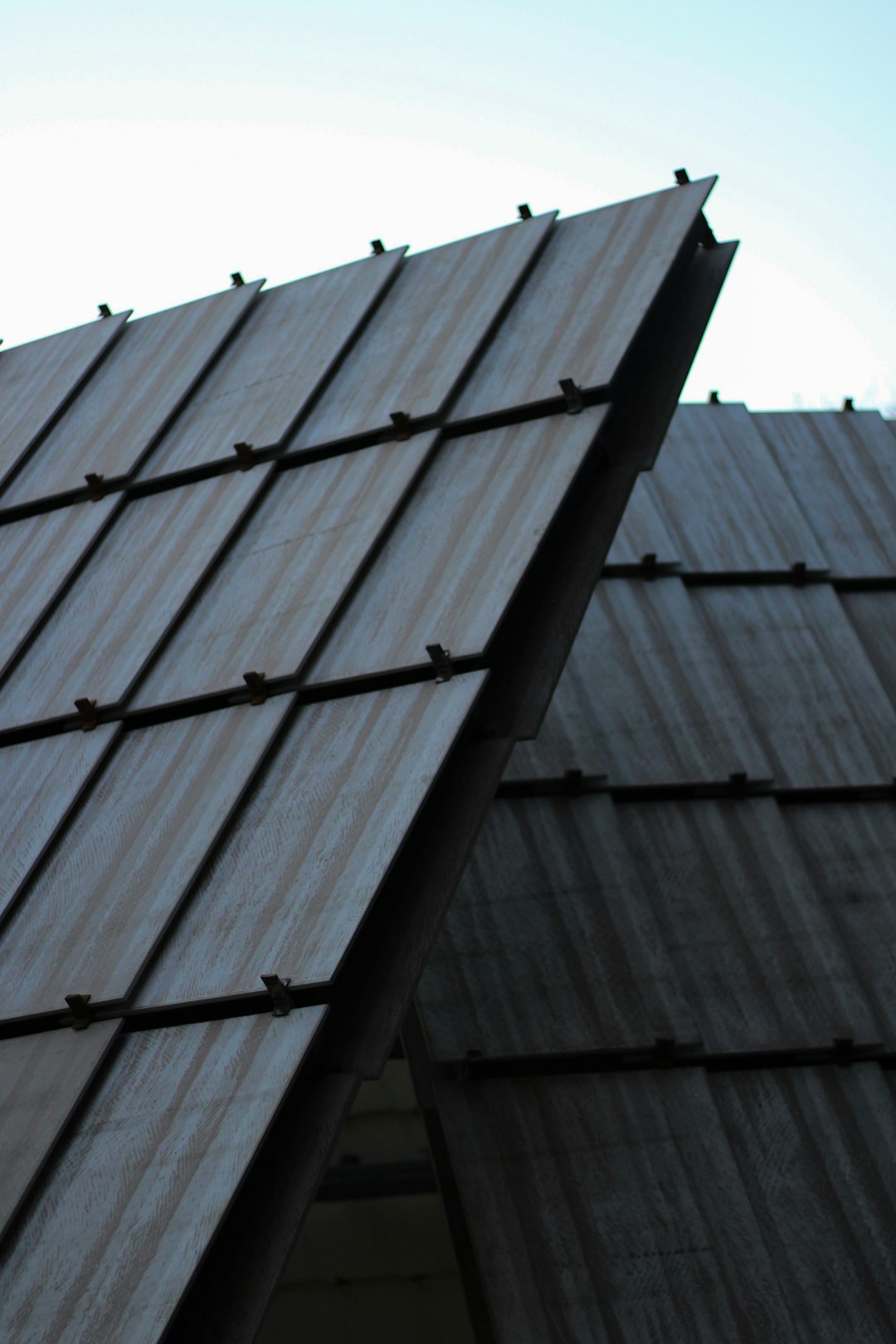
Tesla Gigafactory Solar Roof: A Roofer's 15-Year Perspective on What Homeowners Must Know
I have installed and repaired roofs for over fifteen years. Our company has completed more than 2,500 roofing projects across Texas. We hold certifications from GAF, CertainTeed, and the NRCA. This hands-on experience gives me a unique view of roofing materials. I have seen what works and what fails over time. Today, I want to share my honest perspective on the Tesla Solar Roof. This article exists to solve a real problem for homeowners. Many people hear about Tesla's technology and feel confused. They wonder if it is a good investment for their home. They worry about installation, cost, and long-term performance. This guide will answer all those questions clearly. I will explain everything in simple terms. You will learn if this roof is right for your house. My information comes from direct industry analysis, manufacturer specifications, and building code reviews. I have studied installation manuals and spoken with colleagues who have worked on these systems. My recommendations are based on proven roofing principles, not marketing hype. Let's begin this detailed exploration together.
What Exactly Is the Tesla Gigafactory Solar Roof?
The Tesla Solar Roof is an integrated solar energy system. It replaces your traditional roofing materials. The roof itself generates electricity from sunlight. Tesla manufactures these solar tiles at their Gigafactory in Buffalo, New York. This factory is one of the largest solar production facilities in the United States. The product combines durable roofing materials with photovoltaic cells. The goal is to create a beautiful, all-in-one solution. It looks like a premium slate or textured tile roof. But hidden within are solar cells that capture energy. This is different from traditional solar panels mounted on top of an existing roof. The Tesla system is the roof. This integration is its main selling point. It offers a sleek, uniform appearance that many homeowners desire.
The Core Technology and Components
The system consists of two main tile types: solar tiles and non-solar tiles. The solar tiles contain photovoltaic cells laminated between tempered glass. The non-solar tiles are made from the same durable glass but without the cells. Both types are designed to look identical from the street. This creates a seamless aesthetic. The tiles interlock on your roof deck. Underneath, there is a proprietary mounting system and waterproofing layer. The system connects to Tesla's Powerwall battery storage. The Powerwall stores excess energy for use at night or during power outages. All components are managed through the Tesla app. You can monitor energy production and consumption in real time. This technology represents a significant shift in residential roofing.
A Roofer's Deep Dive: Materials, Durability, and Real-World Performance
From a contractor's standpoint, material quality is everything. I have handled Tesla's solar tiles during industry demonstrations. The tempered glass feels substantial and impact-resistant. Tesla claims the tiles can withstand hail up to 1.75 inches in diameter. This is based on UL 2218 Class 4 impact resistance testing. The glass is also designed to resist high winds. Tesla states it meets UL 580 Class F wind uplift ratings. This means it can handle winds up to 166 mph. These are impressive laboratory ratings. Real-world performance over 20-30 years is still being proven. Traditional asphalt shingles have a century of performance data. We know exactly how they age in different climates. The Tesla roof is newer. Its long-term durability in extreme Texas heat and UV exposure is still under observation.
Comparing Warranty and Lifespan Claims
Warranties are a critical factor for any roofing investment. Tesla offers a 25-year warranty for the solar tiles' power output. They also offer a 25-year warranty on the weatherization (leak protection) of the roof system. This is a strong warranty period. It matches or exceeds many premium traditional roofing material warranties. For example, a high-end asphalt shingle from GAF often comes with a 50-year limited warranty. However, the power output warranty is unique to solar products. It guarantees the tiles will still produce a certain percentage of their original power after 25 years. Homeowners must read the warranty details carefully. Understand what is and is not covered. Always get warranty documentation in writing before any installation begins.
The True Cost: Breaking Down Investment and Return
Cost is the biggest question for homeowners. The Tesla Solar Roof is a premium product with a premium price. It is not just a roof. It is a roof plus a complete energy generation and storage system. Costs vary dramatically based on your home's size, roof complexity, and energy needs. A simple, straightforward roof will cost less than a roof with many valleys, dormers, and skylights. Based on publicly available project data and quotes, homeowners can expect a total system cost ranging from $40,000 to $100,000 or more. This typically includes the solar tiles, Powerwall batteries, inverters, and full installation. It is crucial to get a detailed, binding quote from Tesla or a certified installer. Do not rely on online estimators for final budgeting.
Understanding Financial Incentives and Long-Term Savings
The federal solar investment tax credit (ITC) is a major financial incentive. As of 2025, it allows you to deduct 30% of the total system cost from your federal taxes. This includes the cost of both the solar tiles and the Powerwall batteries if installed simultaneously. Some states and local utilities offer additional rebates. These can significantly reduce the net price. The long-term savings come from eliminating or drastically reducing your electricity bill. In sunny regions like Texas, the system may cover 100% of your energy usage. Over 25 years, this can amount to tens of thousands of dollars in saved utility costs. You must calculate your specific payback period. Divide the net system cost by your estimated annual energy savings. This shows how many years it will take for the system to pay for itself.
The Installation Process: What Homeowners Can Really Expect
Installation is complex and different from a standard reroof. Tesla uses its own certified installation crews or partners with select local contractors. The process typically takes longer than a traditional roof. A simple project might take one to two weeks. A complex roof could take three weeks or more. Weather delays can also extend the timeline. The first step is a detailed site assessment and engineering review. The crew will then remove your existing roof down to the decking. They must install new waterproofing underlayment. Next, they install the Tesla mounting system. Then, they lay the interlocking solar and non-solar tiles. Finally, they install the electrical components, inverters, and batteries. The system must pass rigorous inspections by the local building department and the utility company before it can be turned on. This entire process requires skilled, certified electricians and roofers working together.
Potential Challenges and Considerations
Homeowners should be prepared for disruptions. There will be noise, debris, and workers on your property for an extended period. Your power will need to be shut off at times during the electrical work. Roof complexity is a huge cost and time driver. Many chimneys, skylights, or roof penetrations make the job harder. Also, not every home is structurally suitable. The solar tiles are heavier than asphalt shingles. Your roof framing may need reinforcement, adding cost. Always ensure your contractor pulls the proper permits. They must comply with local building codes, including the International Residential Code (IRC) and the National Electrical Code (NEC). Proper permitting protects you and ensures the installation is safe and insurable.
Maintenance, Repairs, and Insurance Implications
A common misconception is that solar roofs are maintenance-free. They are not. While the glass tiles are very durable, they still require attention. You should schedule periodic inspections, especially after severe weather. Check for any cracked tiles or issues with the flashing around penetrations. Keeping the tiles clean can optimize energy production. In areas with little rain, dust and pollen can reduce efficiency. Repairs can be more specialized than with a standard roof. If a solar tile is damaged, it must be replaced by a certified technician. You cannot just have any roofer patch it. This is a critical point for homeowners in hail-prone areas. Contact your homeowners insurance provider before installation. You need to ensure your policy will cover the full replacement cost of this high-value system. You may need to increase your dwelling coverage.
Is the Tesla Solar Roof Right for You? A Practical Checklist
Use this checklist to evaluate your situation. It is based on common factors from real homeowner projects.
- Your Roof's Age and Condition: Is your existing roof near the end of its life? This product is best for homes needing a full roof replacement anyway.
- Your Financial Position: Can you afford the significant upfront investment, even with incentives? Do you plan to stay in the home long enough to realize the energy savings?
- Your Energy Goals: Do you want energy independence, backup power, or to reduce your carbon footprint? This system excels in all three areas.
- Your Roof's Design: Is your roof relatively simple with large, unobstructed south-facing planes? This maximizes solar production and minimizes installation complexity.
- Your Local Climate: Do you live in a region with strong, consistent sunlight? Check historical solar insolation maps for your area.
- Your Aesthetic Preference: Do you value a sleek, integrated look over the appearance of traditional rack-mounted panels?
Frequently Asked Questions from Real Homeowners
Can I install a Tesla Solar Roof on an existing tile or metal roof?
No, you cannot install it over an existing roof. The existing roofing material must be completely removed down to the deck. The Tesla system requires its specific underlayment and mounting rails to be installed directly on the roof deck. This is a standard requirement for any proper roof replacement to ensure longevity and prevent moisture issues.
What happens if the roof leaks or a tile cracks?
Tesla's 25-year weatherization warranty should cover leaks resulting from product defects or installation errors. If a tile cracks, a certified technician must replace it. The process involves removing the interlocking tiles around it. This is more complex than replacing a single asphalt shingle. Always report any issues immediately to your installer and document them with photos.
How does the system perform during a blackout?
This is a key advantage if you include Powerwall batteries. During a grid outage, the system can disconnect from the utility grid and power your home from the stored energy in the batteries. The solar tiles can continue to recharge the batteries during the day. Without batteries, the system will shut down during a blackout for safety reasons, as required by utility regulations.
Will the roof increase my property value?
Studies, including those from the U.S. Department of Energy, show that solar energy systems generally increase home value. Appraisers often add value based on the system's capacity and the expected energy cost savings. However, the exact amount varies by market. It is a premium feature that may appeal to certain buyers, especially as energy costs rise.
Can I walk on the solar tiles for cleaning or maintenance?
Tesla recommends against walking on the tiles. The tempered glass is strong but walking on it could potentially cause micro-cracks or damage the electrical connections underneath. For cleaning or inspection, use a telescoping pole with a soft brush or hire a professional service trained on the product. Safety is paramount when working on any roof.
What is the environmental impact of manufacturing the glass tiles?
Manufacturing tempered glass and photovoltaic cells requires energy and resources. However, a life-cycle analysis considers the "energy payback time"—the time it takes for the system to generate the amount of energy used to create it. For solar products, this period is typically between 1 to 4 years. Over a 30-year lifespan, the net environmental benefit in reduced fossil fuel use is substantial.
How do I get a quote and what should it include?
Start on the Tesla website. You will input your address and average electric bill. Tesla will create a preliminary design. Then, a site assessment is scheduled. The final quote should be a detailed, line-item contract. It must include: total cost before/after incentives, system size (kW), estimated annual production (kWh), number of Powerwalls, full scope of work, warranty documents, installation timeline, and payment schedule. Never proceed without a detailed, signed contract.
Conclusion: Making an Informed Decision for Your Home
The Tesla Gigafactory Solar Roof is a groundbreaking product. It merges roofing and energy generation into one elegant system. For the right homeowner, it can provide beautiful aesthetics, energy independence, and long-term savings. However, it is a major financial commitment and a complex installation. It is not the best choice for every home or budget. My advice as a roofer is to do your homework. Get multiple quotes, including for a high-quality traditional roof plus a separate solar panel system. Compare the costs, warranties, and aesthetics side-by-side. Talk to your insurance agent. Read the fine print. If you decide to move forward with Tesla, choose your installer carefully. Verify their certifications and ask for references from local projects. Your roof is your home's first line of defense. Whether you choose this innovative technology or a proven traditional material, ensure the installation is done to the highest standards. That is the true key to long-term performance and peace of mind.