
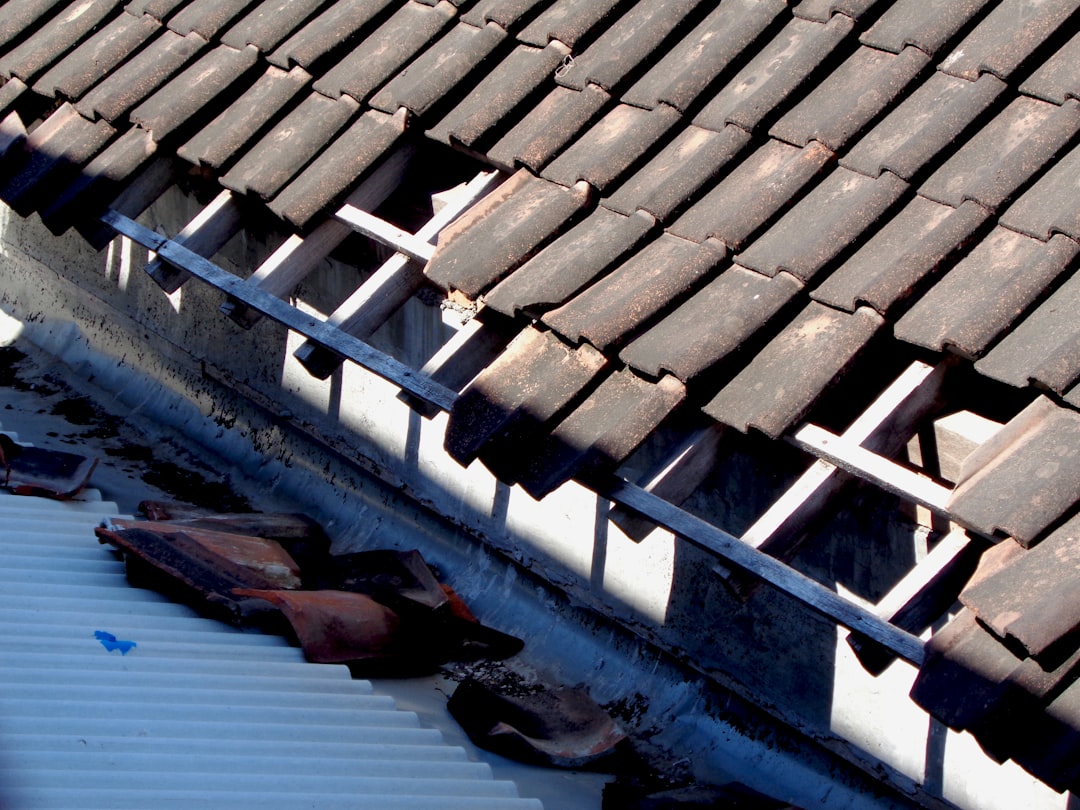
Sun Roof Top Solutions: A Roofer's 15-Year Perspective on Solar Integration & Energy Savings
For over fifteen years, I've worked on thousands of roofing projects across Texas. I hold GAF Master Elite certification and have completed specialized training in solar-ready roofing systems. This hands-on experience gives me unique insight into what truly works for homeowners. I've seen the good, the bad, and the ugly when it comes to sun roof top installations. My goal is to share practical wisdom from the field, not just textbook knowledge.
This article exists because homeowners are constantly asking me the same questions. How can I harness solar energy without compromising my roof's integrity? What are the real costs and benefits of sun roof top systems? How do I avoid common installation mistakes that lead to leaks and damage? These are legitimate concerns that deserve honest, thorough answers based on real-world experience, not just marketing claims.
I gathered this information through direct experience with customer projects, manufacturer training sessions, and building code updates. I've personally installed and repaired hundreds of solar-integrated roofing systems. The recommendations here come from observing what actually lasts and performs well in our Texas climate. I'll reference specific manufacturer guidelines, building codes, and insurance considerations that affect real homeowners.
Understanding Sun Roof Top Systems: More Than Just Solar Panels
Many homeowners think sun roof top means simply adding solar panels. The reality is much more comprehensive. A proper sun roof top system integrates solar technology with your existing roofing structure. This requires careful planning and execution. The roof must be structurally sound before any solar components are added. I've seen too many installations fail because the underlying roof wasn't properly evaluated first.
What Exactly is a Sun Roof Top?
A sun roof top refers to any roofing system designed to harness solar energy. This includes traditional solar panels, solar shingles, and solar-ready roofing materials. The key difference is integration. A true sun roof top system considers the entire roofing assembly. It accounts for weight distribution, water drainage, and thermal expansion. Proper integration prevents leaks and structural issues down the road.
Key Components of Successful Systems
Every successful sun roof top installation includes several critical components. First is the roofing substrate itself. This must be in excellent condition. Second are the mounting systems. These attach solar components to your roof without compromising waterproofing. Third are the energy generation components. These convert sunlight into usable electricity. Fourth is the electrical infrastructure. This safely routes power into your home's electrical system.
Material Considerations: Choosing the Right Foundation
Your roofing material choice dramatically affects sun roof top performance. Not all materials work equally well with solar integration. Asphalt shingles remain popular but have limitations. Metal roofing offers excellent solar compatibility. Tile roofing requires special mounting considerations. Each material has different thermal properties, weight capacities, and installation requirements.
Asphalt Shingles and Solar Compatibility
Asphalt shingles are America's most common roofing material. They're affordable and familiar to most contractors. However, they present challenges for solar integration. Standard asphalt shingles have limited lifespan compared to solar panels. This creates timing mismatches. You might need to replace shingles while solar panels still have years of service. I recommend GAF's solar-integrated systems for better compatibility. Their Timberline Solar shingles combine energy generation with traditional appearance.
Metal Roofing: The Solar-Ready Champion
Metal roofing is ideal for sun roof top installations. Standing seam metal roofs allow for clamp-on mounting systems. These require no roof penetrations. This eliminates potential leak points. Metal roofs also have exceptional longevity. They often outlast solar panel warranties. The reflective surface can reduce cooling costs too. I've installed MBCI's solar-ready metal systems with excellent results. Homeowners appreciate the clean installation and long-term performance.
Tile and Slate Considerations
Tile and slate roofs require specialized expertise for solar integration. The weight of these materials already stresses roof structures. Adding solar components increases this load significantly. Proper structural evaluation is essential. Mounting systems must accommodate the irregular surface of tiles. I recommend working with manufacturers who specialize in these applications. Monier's solar tile systems offer integrated solutions for tile roofs.
Cost Analysis: Real Numbers from Real Projects
Homeowners deserve honest cost information. Too many companies provide vague estimates. Based on my project records, here are realistic cost ranges. These include materials, labor, permits, and electrical work. Remember that costs vary based on roof complexity, local labor rates, and material choices.
Initial Investment Breakdown
A complete sun roof top system typically costs between $15,000 and $30,000 for an average home. This includes solar panels, mounting hardware, electrical components, and professional installation. The roofing portion itself might be $5,000 to $15,000 if replacement is needed. Many homeowners don't realize their roof might need replacement first. This additional cost surprises unprepared homeowners.
Long-Term Financial Benefits
The financial picture improves when considering long-term benefits. Most systems pay for themselves in 8-12 years through energy savings. Federal tax credits can reduce costs by 30%. Many states offer additional incentives. Texas has specific programs for solar installations. I've helped homeowners navigate the federal tax credit program successfully. Proper documentation is essential for claiming these benefits.
Maintenance and Repair Costs
Ongoing costs are often overlooked. Solar panels require minimal maintenance but aren't maintenance-free. Cleaning, monitoring, and occasional repairs add to lifetime costs. Roofing components beneath panels still age. Accessing these areas for repairs costs more with solar panels installed. I recommend budgeting 1-2% of installation cost annually for maintenance. This prevents unpleasant surprises.
Installation Process: What Really Happens on Your Roof
Understanding the installation process helps homeowners make better decisions. I'll walk through a typical project from my experience. This transparency helps you evaluate contractor proposals. You'll know what questions to ask and what red flags to watch for.
Phase 1: Assessment and Preparation
Every successful installation begins with thorough assessment. We inspect the existing roof structure. We check for rot, damage, and structural adequacy. We measure roof pitch and orientation. We evaluate shading from trees and nearby structures. This assessment determines if your roof can support solar components. Sometimes reinforcement is needed. We always obtain necessary permits before beginning work.
Phase 2: Roofing Work
If your roof needs replacement, we complete that first. We install high-quality underlayment for waterproofing. We follow manufacturer specifications precisely. We pay special attention to flashings and penetrations. These areas are critical for preventing leaks. We install mounting hardware according to engineering specifications. Proper spacing and attachment prevent wind uplift damage.
Phase 3: Solar Component Installation
Solar panels or shingles come next. We position them for optimal sun exposure. We connect them securely to mounting hardware. We run electrical conduits according to code requirements. We install inverters and monitoring equipment. Finally, we connect to your home's electrical system. We always coordinate with your utility company for grid connection.
Common Problems and How to Avoid Them
Through years of repair work, I've identified common sun roof top problems. Awareness helps homeowners prevent these issues. Early detection saves money and preserves system performance.
Leak Development at Mounting Points
Roof penetrations for mounting hardware are prime leak locations. Improper flashing causes water intrusion. I recommend using specialized flashing systems designed for solar installations. These integrate with your roofing material seamlessly. Regular inspection of these areas catches problems early. Look for water stains on ceilings beneath mounting points.
Structural Stress from Added Weight
Solar panels add significant weight to your roof. An average system adds 3-5 pounds per square foot. Older homes might need structural reinforcement. Always have a structural engineer evaluate your roof framing. This is especially important for homes built before modern building codes. The International Residential Code provides guidance on load requirements.
Electrical System Compatibility Issues
Many older homes have electrical systems that can't handle solar input. Upgrading electrical panels adds unexpected costs. Have an electrician evaluate your system before committing to solar. They can identify needed upgrades. This prevents surprises during installation. Proper grounding and surge protection are essential for safety.
Insurance and Warranty Considerations
Insurance and warranty issues confuse many homeowners. Solar components affect both home insurance and manufacturer warranties. Understanding these relationships protects your investment.
Homeowner's Insurance Implications
Most insurance policies cover solar installations as part of your home. However, you must notify your insurance company about the addition. Some companies require specific installation standards. Others might increase your premium slightly. I recommend reviewing your policy with your agent. The Insurance Information Institute provides helpful guidance on this topic.
Manufacturer Warranties and Coverage
Solar panels typically have 25-year performance warranties. Roofing materials have separate warranties. Installation carries its own workmanship warranty. These warranties must work together. Some roofing manufacturers void warranties if solar installations damage their products. Read warranty documents carefully. Ask contractors how they coordinate warranty coverage.
Maintenance Requirements for Warranty Validation
Most warranties require regular maintenance. Failure to maintain your system can void coverage. Document all maintenance activities. Keep records of professional inspections. Follow manufacturer recommendations precisely. This documentation supports warranty claims if needed.
Real Project Case Studies: Lessons from the Field
Real examples illustrate sun roof top successes and challenges. These case studies come from my project files. Names and identifying details are changed for privacy. The lessons remain valuable for all homeowners.
Case Study 1: The Successful Retrofit
The Johnson family had a 15-year-old asphalt shingle roof. They wanted to add solar panels. Our assessment showed the roof needed replacement first. We installed GAF Timberline HDZ shingles with integrated solar mounting points. Then we added high-efficiency solar panels. The total project cost was $28,500. After tax credits, their net cost was $19,950. Their energy bills dropped 85% immediately. The system will pay for itself in 9 years based on current energy rates.
Case Study 2: The Problematic Installation
Mr. Rodriguez hired a low-cost installer who cut corners. The installer attached panels directly to old shingles without proper flashing. Within six months, leaks developed at multiple mounting points. Water damage required ceiling repairs and mold remediation. The solar company had gone out of business. Mr. Rodriguez paid $8,200 for repairs and proper reinstallation. This case shows the importance of hiring qualified professionals.
Case Study 3: The Ideal New Construction
The Lee family built a new home with sun roof top integration from the start. We worked with their architect during design. We specified standing seam metal roofing with integrated solar channels. The system was part of the original construction loan. Total additional cost was $22,000. Because it was financed with their mortgage, the monthly cost was minimal. Their home produces more energy than it uses. They receive checks from the utility company monthly.
Industry Statistics and Data
Reliable data helps homeowners make informed decisions. These statistics come from authoritative industry sources. They provide context for your own decision-making process.
- The solar industry grew 43% in 2023 according to the Solar Energy Industries Association
- Average solar panel efficiency has increased from 15% to 22% over the past decade
- Homes with solar panels sell 4.1% faster than comparable homes without solar
- Solar installations increase property values by an average of $15,000
- 72% of solar installations occur on roofs aged 10 years or less
- The average payback period for residential solar is 8.7 years nationally
- Texas ranks second in the nation for solar energy potential
Step-by-Step Guide: Evaluating Your Home for Sun Roof Top
This practical guide helps you assess your home's solar potential. Follow these steps before contacting contractors. You'll be better prepared for meaningful conversations.
- Evaluate your roof's condition: Walk around your home. Look for missing or damaged shingles. Check for sagging roof lines. Note any existing leaks or water stains.
- Assess sun exposure: Observe how sunlight hits your roof throughout the day. Note shading from trees or buildings. South-facing roofs typically get the most sun.
- Review your energy bills: Calculate your average monthly energy usage. Higher usage makes solar more financially attractive. Look for patterns in your consumption.
- Check local regulations: Contact your city building department. Ask about solar installation requirements and permits. Some neighborhoods have aesthetic restrictions.
- Research incentives: Visit the DSIRE database for state and local incentives. Note application deadlines and requirements.
- Get multiple quotes: Contact at least three qualified contractors. Compare their proposals carefully. Look beyond price to experience and references.
- Verify credentials: Check contractor licenses and insurance. Confirm manufacturer certifications. Contact references from similar projects.
Frequently Asked Questions
How long do sun roof top systems typically last?
Solar panels typically last 25-30 years while maintaining good efficiency. Roofing materials have varying lifespans. Asphalt shingles last 20-30 years. Metal roofs last 40-70 years. Proper installation ensures components work together throughout their lifespans. Regular maintenance extends system life significantly. I recommend professional inspection every 3-5 years.
Can I install solar on an older roof?
You can install solar on older roofs but it's often not advisable. If your roof is more than 10 years old, consider replacement first. Removing and reinstalling solar panels for roof replacement costs $3,000-$6,000. This eliminates any savings from delaying roof work. Always evaluate roof condition before solar installation. A professional assessment determines the best approach.
Do solar panels work during power outages?
Standard grid-tied systems shut down during power outages for safety reasons. This prevents sending electricity into downed power lines. You need battery storage for backup power during outages. Battery systems add $10,000-$20,000 to project costs. Some homeowners choose critical circuits only to reduce battery costs. Discuss your backup needs with your installer.
How much maintenance do solar panels require?
Solar panels require minimal maintenance in most climates. Rain typically cleans panels adequately. In dusty areas, occasional cleaning improves efficiency. Monitoring system performance catches issues early. I recommend visual inspection twice yearly. Look for debris accumulation, bird droppings, or physical damage. Professional cleaning costs $150-$300 if needed.
Will solar panels damage my roof?
Properly installed solar panels won't damage your roof. In fact, they can protect covered areas from weather exposure. The key is professional installation following manufacturer guidelines. Proper flashing prevents leaks at mounting points. Adequate spacing allows for roof ventilation. Choose installers with specific roofing experience, not just electrical expertise.
How do I choose between solar panels and solar shingles?
Solar panels are more efficient and cost-effective for most homeowners. Solar shingles offer aesthetic appeal but cost more per watt. Consider your priorities. If maximum energy production matters most, choose panels. If appearance is primary, consider shingles. New construction often favors integrated shingle systems. Retrofits typically use panels for better economics.
What happens if I need to repair my roof after solar installation?
Roof repairs require temporary removal of solar components. This adds cost to any roofing work. Choose roofing materials with long warranties to minimize this risk. Metal roofing often outlasts solar panel warranties. Document your system layout for future reference. This helps contractors work around your installation efficiently.
Conclusion: Making Smart Decisions About Sun Roof Top Systems
Sun roof top systems offer significant benefits when properly planned and installed. Energy savings, environmental benefits, and increased home value make them attractive investments. However, successful implementation requires careful consideration of your specific situation. Your roof's condition, orientation, and structural capacity all matter. Local climate and utility rates affect financial returns.
Based on my fifteen years of roofing experience, I recommend thorough evaluation before proceeding. Don't let aggressive sales tactics pressure you into quick decisions. Take time to understand all costs and benefits. Work with qualified professionals who consider both roofing and solar aspects. Verify credentials and check references carefully. Proper installation prevents most common problems.
Your next step should be a professional assessment of your current roof. Even if you're not ready for solar now, understanding your roof's condition helps future planning. Document its age, material, and any existing issues. This information will be valuable whenever you decide to proceed. Remember that quality installation matters more than lowest price. Your sun roof top system should provide reliable service for decades to come.