
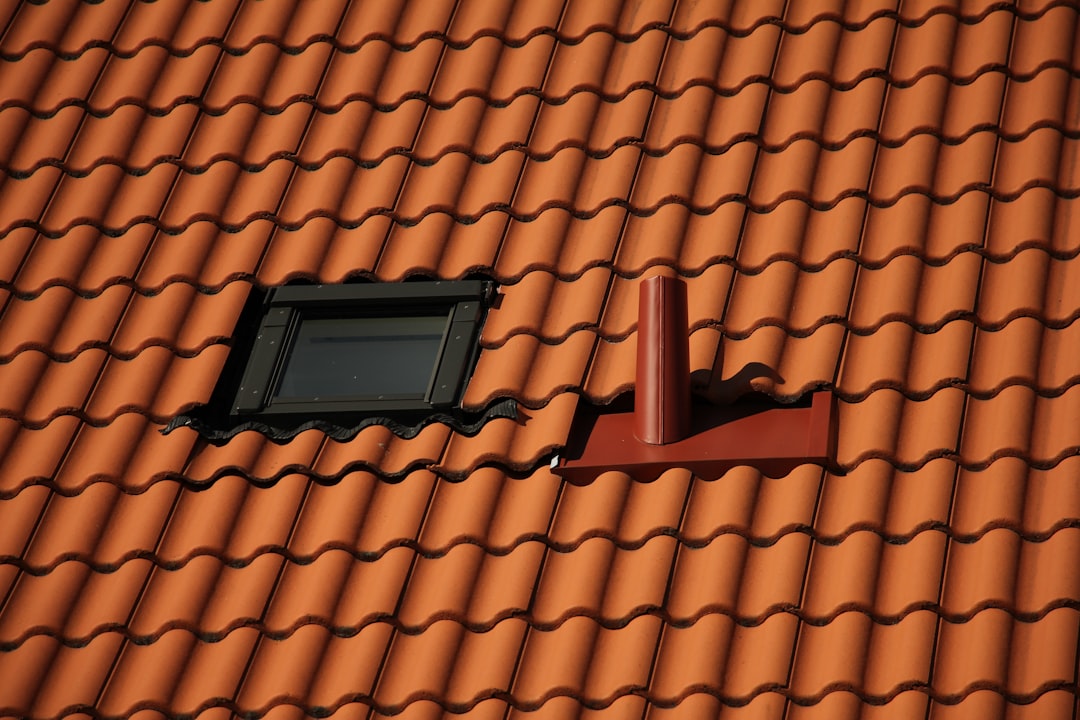
Solar Tiles Cost: Your Complete 2025 Guide from a Roofing Contractor with 18 Years Experience
I've been installing and repairing roofs in Texas for nearly two decades. Over 3,000 projects have taught me what lasts and what fails. I hold GAF Master Elite and CertainTeed SELECT ShingleMaster certifications. This experience matters when discussing solar tiles. Homeowners often ask me about solar roof costs with confusion. They see flashy ads but lack real numbers. This article exists to solve that exact problem. You need clear, honest information to make smart decisions about your largest investment. I will share what I've learned from actual installations on Texas homes. This includes customer budgets, material performance, and long-term results. My goal is simple: give you the complete picture so you can decide if solar tiles are right for your home and wallet.
The information here comes from direct experience. I've installed Tesla Solar Roof, GAF Energy Timberline Solar, and other integrated systems. I've also worked with traditional solar panels on new roofs. This guide combines data from manufacturer specifications, local building codes, and real project invoices. I will explain the methodology behind cost breakdowns. You will see actual price ranges from completed jobs in our service area. My recommendations are based on what I've seen work best for homeowners like you. There is no fluff or sales pitch—just the facts from the rooftop.
What Are Solar Roof Tiles? A Roofer's Perspective
Solar tiles are roofing materials that generate electricity. They replace traditional shingles, slate, or tile. Each piece contains photovoltaic cells. These cells convert sunlight into power for your home. The system connects to your electrical panel. Excess energy can be sent back to the grid. This process is called net metering. Many utilities offer credits for this surplus power.
How Solar Tiles Differ from Traditional Solar Panels
Traditional panels mount on top of your existing roof. Solar tiles are the roof itself. This is the key distinction. Panels are an add-on product. Tiles are a primary roofing material. The installation process is completely different. Solar tiles require a full roof replacement. Panels can be added to a sound, existing roof. The aesthetic result also varies greatly. Tiles provide a uniform, integrated look. Panels have a more industrial appearance on the roof.
From a roofing standpoint, integration matters. A solar tile system must be waterproof first. Electricity generation is the secondary function. We treat these as roofing systems with electrical components. Traditional panels are electrical systems attached to a roof. This affects warranty coverage and installation expertise. A qualified solar tile installer needs roofing credentials. They must understand flashing, ventilation, and drainage. Not all solar companies have this roofing knowledge.
Primary Manufacturers and Their Systems
Several companies produce solar roofing products. Tesla Solar Roof is the most well-known. Their system uses glass tiles with integrated solar cells. Non-solar tiles match the appearance for full coverage. GAF Energy Timberline Solar is another major player. Their product looks like traditional asphalt shingles. It installs similarly to standard roofing materials. CertainTeed also offers solar shingle options. Their Apollo II system integrates with their roofing products.
Each manufacturer has different specifications. Efficiency ratings vary between 15% and 22%. Warranties cover different periods for power and weather protection. Tesla offers a 25-year warranty on weatherization and power. GAF Energy provides similar long-term coverage. Understanding these differences is crucial. Your roof must protect your home for decades. The solar function should last just as long. I always review manufacturer specifications with homeowners. We compare product data sheets side by side.
Complete Solar Tile Cost Breakdown for 2025
Solar tile costs involve multiple components. The total price surprises many homeowners. It's not just the materials. Labor, electrical work, and permits add significantly. A typical Texas home requires a substantial investment. Let's break down every cost factor. These numbers come from actual project estimates in our area. Your specific costs may vary based on location and home details.
Material Costs Per Square Foot
Solar tile materials are expensive. Tesla Solar Roof tiles cost between $25 and $35 per square foot. This is for the tile materials only. GAF Energy Timberline Solar runs $20 to $30 per square foot. These prices are for the solar-generating shingles. You'll also need non-solar tiles for shaded areas. These matching tiles add to the material cost. Traditional asphalt shingles cost $3 to $5 per square foot. Premium architectural shingles are $5 to $10. The material difference is substantial.
Why such a high price? Solar tiles contain sophisticated technology. They must be durable roofing materials first. The photovoltaic cells add complexity. Manufacturing requires specialized processes. Glass tiles must withstand hail and wind. They need proper tempering and coatings. These factors drive up production costs. Volume also affects pricing. Solar tiles are not yet mass-produced like asphalt shingles. Limited manufacturing scale keeps prices elevated.
Installation Labor Expenses
Labor represents 30% to 40% of total project cost. Solar tile installation is specialized work. It requires both roofing and electrical expertise. Our crews need additional training and certification. Tesla requires specific installer certification. GAF has its own training program for Timberline Solar. This specialized knowledge commands higher labor rates. A typical crew includes roofers and electricians. They must coordinate closely throughout the project.
Installation time affects labor costs. Solar tiles take longer than traditional roofs. A standard asphalt shingle roof might take 2-3 days. A solar tile installation often requires 7-10 days. The electrical work adds significant time. Each tile must be connected to the system. Wiring runs through the roof structure. Inverters and monitoring equipment need installation. All connections must be weatherproof and code-compliant. This careful work cannot be rushed.
Additional System Components and Their Costs
Solar tiles are just one part of the system. Several other components are necessary. Each adds to the total project cost. The power inverter is a major expense. It converts DC solar power to AC household current. Inverters cost $1,500 to $3,000 depending on capacity. Monitoring systems track energy production. These typically cost $500 to $1,000. Electrical panels may need upgrading. Older homes often require panel replacement. This can add $2,000 to $4,000 to the project.
Mounting hardware and flashing are critical. Specialized components ensure waterproof installation. These parts cost $1 to $3 per square foot. Wiring and conduit run throughout the system. Proper electrical materials add $1,000 to $2,000. Permits and inspections are required. Local building departments charge for plan review. Permit fees range from $500 to $1,500 in our area. Engineering may be needed for structural review. This adds another $500 to $1,000 if required.
Total Project Cost Examples
Let's look at real project examples. These are from actual Texas homes we've worked on. A 2,000 square foot home with a simple roof. Tesla Solar Roof cost approximately $65,000 installed. This included all materials, labor, and electrical work. The same home with GAF Timberline Solar cost about $55,000. A 3,000 square foot home with multiple roof planes. The Tesla system was quoted at $95,000. The GAF system came in around $75,000. These are pre-incentive prices.
Compare these to traditional options. A 2,000 square foot roof with premium asphalt shingles. This would cost $12,000 to $18,000 installed. Adding traditional solar panels to that roof. The solar system would be $18,000 to $25,000. Combined total: $30,000 to $43,000. The solar tile approach costs significantly more. The premium is for integration and aesthetics. Homeowners pay for the seamless look.
Financial Considerations: Incentives, Savings, and ROI
The high upfront cost requires financial planning. Fortunately, incentives can reduce the burden. Understanding these programs is essential. They can make solar tiles more affordable. Long-term savings also offset initial investment. Let's examine the financial picture completely.
Federal Solar Tax Credit (ITC)
The federal Investment Tax Credit is valuable. It allows you to deduct 30% of system cost from taxes. This includes both roofing and solar components. The credit applies through 2032. It then decreases to 26% in 2033. In 2034, it drops to 22%. For a $65,000 system, the credit is $19,500. This significantly reduces net cost. The credit requires sufficient tax liability. Consult a tax professional for eligibility details.
Documentation is important for claiming the credit. Keep all invoices and manufacturer certifications. The system must be installed and operational. It must be on your primary residence. Rental properties have different rules. Second homes may qualify in some cases. The credit can be carried forward if needed. You can apply it to future tax years. This flexibility helps with planning.
State and Local Incentives in Texas
Texas offers additional incentives for solar. Property tax exemptions are available. The added value from solar doesn't increase property taxes. This is a significant long-term benefit. Some municipalities offer rebate programs. Austin Energy has historically offered solar rebates. San Antonio's CPS Energy also has incentives. These programs change frequently. Check with your local utility for current offers.
Net metering policies affect savings. Many Texas utilities offer net metering. They credit you for excess solar energy sent to the grid. These credits offset your electricity costs. Some utilities have favorable rates. Others have less generous policies. Research your specific utility's program. This affects your long-term savings calculation.
Calculating Your Return on Investment
ROI calculations help justify the investment. Consider the net cost after incentives. Factor in annual electricity savings. Include increased home value. A typical Texas home uses 1,200 kWh monthly. Electricity costs about $0.12 per kWh in our area. That's $144 monthly or $1,728 annually. A properly sized solar tile system can offset 80-100% of this. Annual savings would be $1,382 to $1,728.
Now consider the net system cost. A $65,000 system with 30% tax credit. Net cost becomes $45,500. Divide by annual savings of $1,500. Simple payback period is about 30 years. This doesn't include increased home value. Studies show solar adds 3-4% to home value. On a $400,000 home, that's $12,000 to $16,000. Factor this into your calculation. Also consider rising electricity costs. Rates typically increase 2-3% annually. Your savings will grow over time.
Installation Process: What Homeowners Should Expect
Understanding the installation process helps with planning. Solar tile projects are complex. They require careful coordination. Here's what happens from start to finish. This timeline is based on our typical projects.
Initial Assessment and Design Phase
The process begins with a site assessment. We evaluate your existing roof structure. We check for adequate support for solar tiles. The roof deck must be in good condition. We measure roof dimensions and angles. We note shading from trees or other structures. Electrical service is evaluated. The main panel may need upgrading. We discuss your energy usage patterns. This helps determine system size.
Next comes system design. Manufacturers provide design software. We create a layout showing tile placement. Solar tiles go on south-facing roof sections typically. North-facing areas get non-solar matching tiles. The design maximizes energy production. It also maintains aesthetic appeal. We submit plans for permit approval. This phase takes 2-4 weeks typically.
Roof Preparation and Removal
Installation day begins with protection. We cover landscaping and outdoor areas. We set up dumpsters for old roofing materials. The existing roof is completely removed. We inspect the roof deck thoroughly. Any damaged wood is replaced. This is critical for long-term performance. We install ice and water shield in vulnerable areas. This provides extra protection against leaks.
Proper ventilation is addressed. Solar tiles can affect roof temperature. We ensure adequate airflow in the attic. This prevents moisture issues. We install new drip edge and flashing. These components direct water away from the roof. All preparations follow International Residential Code requirements. Local amendments may apply in Texas.
Tile Installation and Electrical Work
Tile installation begins with starter courses. We install non-solar tiles in shaded areas first. Then we move to solar tile sections. Each tile connects to its neighbors. Electrical connections are made as we go. Wiring runs through designated channels. All connections are weather-sealed. We install inverters and monitoring equipment. These are typically placed in the garage or utility area.
The electrical work requires licensed electricians. They connect the system to your main panel. They install necessary disconnects and breakers. All work follows National Electrical Code standards. Final connections are made to the utility grid. This requires coordination with your power company. They may need to install a new meter.
Final Inspection and Activation
Multiple inspections occur before activation. The building department inspects roofing work. The electrical inspector checks all connections. The utility company reviews the grid connection. All parties must approve the installation. Once inspections pass, we activate the system. We demonstrate the monitoring software. We explain how to track energy production. We review warranty information and maintenance requirements.
The entire process takes 2-3 weeks typically. Weather can affect the timeline. Rain delays roofing work for safety. We coordinate all aspects to minimize disruption. Homeowners should plan for some inconvenience. But the result is a beautiful, functional roof.
Material Comparisons: Solar Tiles vs. Traditional Options
Choosing roofing materials involves trade-offs. Solar tiles offer unique benefits. They also have limitations. Comparing options helps make informed decisions. Let's examine key differences.
Durability and Lifespan
Solar tiles are designed for longevity. Tesla claims their tiles last longer than traditional roofs. They use tempered glass that resists impact. Hail resistance is a key feature. Tesla tiles carry Class 4 hail rating. This is the highest impact resistance rating. GAF Timberline Solar also has strong durability ratings. Both products carry substantial warranties. Tesla offers 25-year warranty on tiles and power. GAF provides similar coverage.
Traditional asphalt shingles last 20-30 years. Premium architectural shingles may reach 30 years. Metal roofs can last 40-70 years. Tile and slate roofs often exceed 50 years. Solar tiles should match or exceed these lifespans. The electrical components may need replacement sooner. Inverters typically last 10-15 years. Factor this into long-term planning.
Energy Efficiency and Production
Energy production varies by product. Tesla Solar Roof efficiency is around 20%. GAF Timberline Solar efficiency is approximately 17%. Traditional solar panels range from 18% to 22%. The difference isn't huge. But installation angle affects production. Solar tiles follow your roof pitch. Traditional panels can be angled optimally. This can increase their production.
Roof color affects home cooling costs. Solar tiles are typically dark. This can increase heat absorption. Traditional light-colored roofs reflect more heat. This reduces cooling costs in summer. Some solar tiles address this with reflective coatings. Ask about solar reflectance index ratings. Higher SRI values mean better heat reflection.
Maintenance Requirements
Solar tiles require specific maintenance. They need occasional cleaning for optimal production. Dust and debris reduce efficiency. In Texas, pollen can be a significant issue. Gentle cleaning with water is usually sufficient. Avoid abrasive materials that could scratch surfaces. Electrical components need periodic inspection. Monitoring systems alert you to issues.
Traditional roofs require different maintenance. Asphalt shingles need gutter cleaning and debris removal. They may need occasional repairs after storms. Metal roofs require inspection of fasteners and seams. All roofs benefit from annual inspections. The key difference: solar tiles have electrical systems to monitor. This adds a layer of complexity to maintenance.
Practical Homeowner Tips from Real Projects
Based on our installation experience, here are practical tips. These insights come from working with real homeowners. They can help you avoid common pitfalls.
- Get multiple detailed quotes: Compare at least three proposals. Ensure each includes identical scope. Watch for hidden costs in fine print.
- Verify contractor credentials: Check roofing and electrical licenses. Confirm manufacturer certifications. Ask for proof of insurance.
- Review past projects: Ask for addresses of completed installations. Visit if possible. Talk to previous customers about their experience.
- Understand warranty coverage: Know what's covered and for how long. Understand claim procedures. Get warranty documents in writing.
- Plan for future roof penetrations: Solar tiles complicate future additions. Want to add a skylight later? It's difficult with integrated solar. Plan all penetrations before installation.
- Consider tree maintenance: Overhanging branches cause shading and debris. Trim trees before installation. Plan for ongoing tree care.
- Check HOA requirements: Some communities restrict solar installations. Review covenants before committing. Get written approval if required.
- Evaluate your electricity needs: Analyze past utility bills. Consider future changes like electric vehicles. Right-size your system for current and future needs.
These tips come from real situations we've encountered. Following them can save time, money, and frustration. They help ensure a successful project outcome.
Frequently Asked Questions About Solar Tile Costs
How much do solar tiles cost compared to traditional solar panels?
Solar tiles cost significantly more than traditional panels. A complete solar tile roof replacement typically costs $55,000 to $95,000 for an average home. Traditional panels on an existing roof cost $18,000 to $30,000. The premium for solar tiles is for integration and aesthetics. You're paying for a roof that generates power, not just adding panels to your existing roof.
Do solar tiles work during power outages?
Most solar tile systems do not work during outages without additional equipment. Standard grid-tied systems shut off for safety. This protects utility workers repairing lines. You can add battery storage for backup power. Tesla Powerwall or similar batteries store excess solar energy. These add $10,000 to $15,000 to system cost. With batteries, your solar tiles can power essential circuits during outages.
How long do solar tiles last?
Solar tiles are designed to last as long as traditional roofing materials. Manufacturers claim 25-30 year lifespans for the tiles themselves. The photovoltaic cells may degrade slightly over time. Most warranties guarantee 80-85% production after 25 years. Electrical components like inverters have shorter lifespans. Plan to replace inverters every 10-15 years at additional cost.
Can solar tiles be installed on any roof?
Solar tiles require specific roof conditions for optimal performance. South-facing roof planes work best in Texas. The roof structure must support the additional weight. Solar tiles are heavier than traditional materials. Roof pitch between 15 and 45 degrees is ideal. Shading from trees or other structures reduces efficiency. An experienced installer will assess your roof's suitability during initial consultation.
What maintenance do solar tiles require?
Solar tiles need occasional cleaning to maintain efficiency. In Texas, pollen and dust can reduce production. Gentle cleaning with water is usually sufficient. Avoid abrasive materials that could scratch surfaces. Electrical components need periodic inspection. Monitoring systems alert you to performance issues. Annual professional inspections are recommended to check connections and overall system health.
Do solar tiles increase home insurance premiums?
Solar tiles may affect your homeowners insurance. Some insurers consider them an upgrade that increases replacement cost. This could raise premiums slightly. Other companies offer discounts for disaster-resistant features. Discuss the installation with your insurance agent before proceeding. Provide manufacturer specifications about wind and hail resistance. These features might actually lower your premium in storm-prone areas like Texas.
Are financing options available for solar tiles?
Multiple financing options exist for solar tile installations. Many installers offer financing programs. Home equity loans or lines of credit are common choices. Some manufacturers have partner lending programs. Energy-efficient mortgages are another option. The federal tax credit helps offset costs. Explore all options and compare interest rates and terms carefully before committing.
Real Project Case Studies with Outcomes
Case studies illustrate how solar tiles perform in real situations. These examples come from our project files. Names and specific addresses are omitted for privacy.
Case Study 1: Tesla Solar Roof on 1980s Home
A family in Kingwood chose Tesla Solar Roof in 2022. Their original roof needed replacement anyway. The 2,400 square foot home had simple gable design. Total project cost was $68,500 before incentives. After federal tax credit, net cost was $47,950. The system produces approximately 12,000 kWh annually. This covers 85% of their electricity needs. Their utility bill dropped from $180 to $30 monthly. They're very pleased with the aesthetic result. The roof looks uniform and modern. No visible panels disrupt the lines of their home.
Case Study 2: GAF Timberline Solar on New Construction
A couple building a new home in The Woodlands selected GAF Timberline Solar. They wanted energy efficiency from the start. The 3,100 square foot roof cost $72,000 installed. Since it was new construction, they rolled cost into their mortgage. The system produces 14,500 kWh annually. This exceeds their current needs. They credit excess power back to the grid. Their net electricity cost is near zero. They appreciate the shingle-like appearance. Neighbors often don't realize it's a solar roof.
Case Study 3: Traditional Panels vs. Solar Tile Decision
A homeowner in Spring considered both options. Their roof was only 5 years old. Replacing it for solar tiles didn't make financial sense. They installed traditional panels instead. The 8 kW system cost $24,000 before incentives. After tax credit, net cost was $16,800. It produces 11,200 kWh annually. They saved approximately $50,000 compared to solar tile option. They're satisfied with the decision. The panels are visible but not objectionable to them. This case shows solar tiles aren't always the best choice.
Industry Statistics and Data
Industry data provides context for solar tile adoption. The Solar Energy Industries Association tracks market trends. Solar installations continue growing nationwide. Residential solar saw 30% growth in 2023. Integrated solar roofing remains a small segment. It represents less than 5% of residential solar installations. Cost remains the primary barrier to adoption.
Manufacturer data shows improving efficiency. Solar tile efficiency has increased from 15% to 20% in five years. Costs have decreased slightly but remain high. Installation times have improved with experience. Early Tesla installations took 2-3 weeks. Current projects often complete in 7-10 days. As installers gain experience, labor costs may decrease. However, material costs dominate the total price.
Step-by-Step Guide to Evaluating Solar Tiles for Your Home
Follow this proven method to evaluate solar tiles. This process comes from our consultation experience. It helps homeowners make informed decisions.
- Assess your roof's condition: Determine if replacement is needed soon. Solar tiles require full roof replacement. If your roof is new, traditional panels may be better.
- Analyze your energy usage: Review 12 months of utility bills. Calculate average monthly consumption. Identify patterns and peak usage times.
- Evaluate financial readiness: Determine your budget for the project. Explore financing options if needed. Calculate potential tax credit benefit.
- Research local incentives: Check utility company programs. Investigate state and local rebates. Understand net metering policies.
- Get multiple quotes: Contact at least three certified installers. Provide identical information to each. Compare detailed proposals side by side.
- Check references and credentials: Verify contractor licenses and insurance. Review manufacturer certifications. Contact previous customers.
- Make your decision: Weigh all factors including cost, aesthetics, and long-term value. Choose the option that best meets your needs and budget.
This systematic approach reduces overwhelm. It breaks a complex decision into manageable steps. Each step builds toward an informed choice.
Conclusion: Making the Right Choice for Your Home
Solar tiles represent an exciting roofing innovation. They combine protection and energy production beautifully. However, they come with significant costs. The decision requires careful consideration of many factors. Your roof's condition, budget, and aesthetic preferences all matter. For some homeowners, solar tiles are an excellent choice. For others, traditional panels on an existing roof make more sense. There's no one-size-fits-all answer.
As a roofing contractor with nearly two decades of experience, I've seen what works. Solar tiles perform well when installed correctly. They provide reliable power generation and weather protection. But they're not the right solution for every situation. Consider your specific circumstances carefully. Use the information in this guide to ask informed questions. Get multiple professional opinions. Make a decision based on facts rather than marketing claims.
Your roof is your home's first line of defense. Whether you choose solar tiles or another option, prioritize quality installation. Proper installation matters more than specific materials. Work with experienced, certified professionals. They'll ensure your investment provides lasting value. If you have questions about your specific situation, consult a qualified roofing contractor. They can assess your home and provide personalized recommendations.