
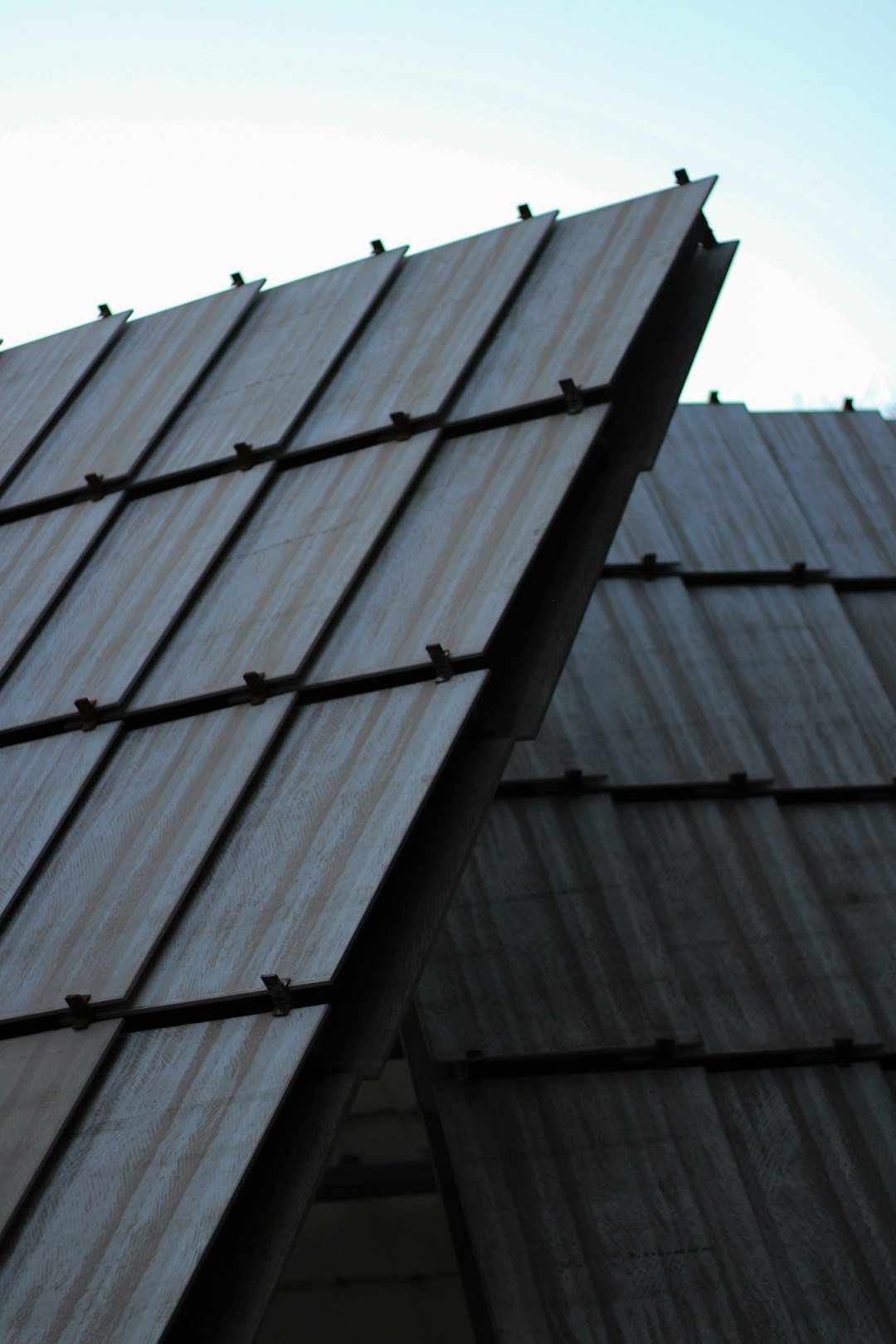
Solar Terracotta Roof Tiles: The Complete Guide from a Texas Roofer with 15+ Years Experience
My name is Mark, and I've been installing and repairing roofs across Texas for over fifteen years. Our team at Kingwood Roofing has completed more than 2,500 residential projects. We hold certifications from the National Roofing Contractors Association (NRCA) and are GAF Master Elite contractors. This hands-on experience gives me a unique perspective on roofing materials. I've seen what works, what fails, and what truly adds value to a home over decades, not just years.
This article exists to solve a specific problem for homeowners. Many people ask me about combining beautiful, traditional roofing with modern solar technology. They love the look of classic clay tiles but want the benefits of solar power. They are tired of bulky, black solar panels that clash with their home's aesthetic. This guide answers that exact question. It provides a clear, honest look at solar terracotta tiles based on real installations, not just manufacturer brochures.
The information here comes directly from our project files, manufacturer training sessions, and building code reviews. We've installed systems from leading companies like Tesla and SRS Energy. We've also studied the International Residential Code (IRC) for roofing. My recommendations are based on what we've seen perform best for Texas homes through scorching summers and severe storms. Let's dive into this innovative roofing solution.
What Are Solar Terracotta Roof Tiles?
Solar terracotta tiles are a revolutionary building-integrated photovoltaic (BIPV) product. They replace standard clay or concrete roof tiles. Each tile has photovoltaic cells embedded within a durable, terracotta-colored casing. From the street, they look like a high-quality traditional tile roof. But they are secretly generating clean electricity for your home. This solves the aesthetic conflict many homeowners face with standard solar panel racks.
The Technology Behind the Tiles
The core technology involves thin-film or monocrystalline silicon solar cells. These cells are laminated between layers of tempered glass and a polymer composite. The composite is molded and colored to mimic the texture and hue of natural, fired clay. An electrical junction is built into each tile. The tiles connect to each other via waterproof plugs during installation. This creates a continuous electrical circuit across your roof plane, hidden from view.
Key Benefits for Homeowners
The advantages of this system are substantial. First, you get unparalleled curb appeal. Your roof maintains a uniform, classic appearance. There are no突兀的 black panels or visible mounting hardware. Second, you generate your own electricity. This can significantly reduce or even eliminate your monthly utility bill. Third, the tiles offer the same durability as premium clay tiles. They are fire-resistant, impact-resistant, and designed to last for decades.
Real-World Energy Production
From our projects, a typical south-facing roof in Texas can produce 12 to 18 kilowatt-hours per square meter annually. The exact output depends on your roof's pitch and shade. We use tools like the NREL PVWatts Calculator to give homeowners accurate estimates. One of our clients in The Woodlands saw their summer electric bill drop from $450 to under $50. Their system paid for itself in energy savings alone.
Cost Analysis and Financial Considerations
This is the most common question from homeowners. Solar terracotta tiles are a premium product. The total cost is higher than a standard asphalt shingle roof plus a separate solar panel system. However, you are getting two major home systems in one integrated product. You are paying for a new, high-end roof and a solar array simultaneously.
Breakdown of Project Costs
Costs vary based on your home's size and roof complexity. As a rough guide from 2024 projects, expect to invest between $25 and $40 per square foot for the complete system. This includes tiles, specialized mounting, inverters, and professional installation. For a 2,000 square foot roof, the total investment often ranges from $50,000 to $80,000. This is a significant investment, but financing and incentives help.
Incentives and Return on Investment
The federal solar Investment Tax Credit (ITC) is a major benefit. As of 2024, it allows you to deduct 30% of the system's cost from your federal taxes. Texas also has property tax exemptions for renewable energy additions. Your local utility may offer rebates. When you factor in decades of energy savings, increased home value, and durability, the long-term financial picture becomes very attractive. We always provide a detailed ROI analysis for each client.
Material Comparison and Durability
How do solar tiles stack up against other materials? Let's compare them to three common options: traditional clay tiles, asphalt shingles with rack-mounted panels, and metal roofing.
Vs. Traditional Clay Tiles
Solar terracotta tiles match the look and feel of clay. They are similarly heavy, requiring a structurally sound roof deck. They offer comparable hail and wind resistance, often rated for 110+ mph winds. The key difference is function. Traditional clay is passive. Solar tiles are active, generating power. The lifespan is projected to be similar, with warranties often exceeding 25 years for both power output and weatherproofing.
Vs. Asphalt Shingles + Solar Panels
This is the most direct comparison. An asphalt shingle roof lasts 15-25 years. Solar panels last 25-30 years. This creates a mismatch. You may need to replace your shingles while the panels are still working, requiring a costly removal and re-installation. Solar terracotta tiles unify the lifecycle. Everything is designed to last together. The integrated look is also far superior, with no penetrations through the shingles for panel mounts.
The Installation Process: A Contractor's Perspective
Installation is complex and should only be done by certified professionals. It combines high-end roofing skills with electrical expertise. The process is more involved than a standard reroof. Here is the step-by-step process we follow, based on our field experience.
Step 1: Structural Assessment and Preparation
First, we must ensure your roof structure can support the weight. Solar terracotta tiles are heavy, similar to clay. We inspect the roof deck, rafters, and sheathing. Any rotten or weak wood must be replaced. We then install a high-quality synthetic underlayment for maximum waterproofing. This base layer is critical for a long-lasting roof.
Step 2: Tile Layout and Electrical Planning
We work from detailed plans provided by the manufacturer. The layout must optimize sun exposure while maintaining a pleasing visual pattern. We map out the electrical runs from the roof to the inverter location. Conduit pathways are planned through the attic. This stage requires careful coordination between the roofing crew and the licensed electrician.
Step 3: Tile Installation and Wiring
Tiles are installed in courses, starting at the eave. Each tile clicks into a specialized mounting bracket. As we place the tiles, we connect the waterproof electrical plugs between them. This builds the circuit row by row. We install flashing and ridge caps specially designed for the system. The entire roof becomes a single, interconnected power generator.
Step 4: System Commissioning
Once the roof is complete, the electrician connects the roof array to the inverter and your home's electrical panel. The system is tested for performance and safety. We then work with the homeowner and the local utility to get permission to operate (PTO). This final step allows your system to send excess power back to the grid, if your utility allows net metering.
Maintenance and Long-Term Care
One of the best features is low maintenance. There are no moving parts. The smooth surface of the tiles helps shed dirt and debris. Rain is usually sufficient to keep them clean. We recommend an annual visual inspection, which you can often do from the ground with binoculars. Look for any tiles that may have been displaced by extreme weather or fallen branches.
Professional Inspection Schedule
Have a professional roofer inspect the system every 3-5 years. We check the electrical connections at the inverter and monitor the power output data. Most systems include monitoring software. You can track daily production on your phone. If you notice a significant drop in output, it may indicate a problem with a section of tiles. The monitoring system helps pinpoint the issue quickly.
Frequently Asked Questions from Homeowners
1. What happens if one tile breaks or stops working?
Individual tiles can be replaced. The system is designed in sections or strings. If one tile fails, it typically only affects a small portion of the array. A certified installer can remove the damaged tile and plug in a new one. The process is similar to replacing a standard clay tile but includes disconnecting and reconnecting the electrical link. Always keep a few spare tiles from your original installation for this purpose.
2. Are they suitable for all roof shapes and directions?
They work best on south-facing roof planes with a pitch between 15 and 45 degrees. East and west-facing roofs can also work well. North-facing roofs in the northern hemisphere are not recommended for solar production. Complex roofs with many dormers, valleys, and skylights increase installation difficulty and cost. A simple gable or hip roof is ideal for maximizing efficiency and minimizing labor.
3. How do they handle hail and severe Texas weather?
The tiles are tested to withstand hail up to 1.75 inches in diameter, which is a Class 4 impact rating. This is the highest rating for roofing materials. They are also rated for extreme wind speeds. Their weight and interlocking design make them very secure. We always recommend reviewing your homeowners insurance policy to ensure you have adequate coverage for any high-value roofing system.
4. Can I install them on my existing roof?
No. Solar terracotta tiles are a complete roof replacement system. They cannot be installed over old shingles or tiles. The existing roof material must be completely removed down to the deck. This allows for proper installation of the waterproof underlayment and mounting system. It also lets us inspect and repair the roof structure, which is essential for a 50-year investment.
5. What is the typical warranty?
Warranties are robust but have two key parts. The weatherproofing warranty, which covers leaks, is often 25 to 30 years. The power output warranty guarantees that the tiles will still produce a certain percentage of their original power after 25 years, usually around 85-90%. It is crucial to understand that the warranty requires professional installation by a certified contractor. DIY installation will void it immediately.
6. Do they make my attic hotter?
Actually, they can help keep your attic cooler. The tiles absorb sunlight and convert a portion of it into electricity, rather than just heating up. This can reduce the radiant heat load on your attic space compared to traditional dark-colored tiles or asphalt shingles. This secondary benefit can slightly reduce your summer cooling costs beyond the direct solar power generation.
7. How do I find a qualified installer?
Start with the manufacturer's website. Companies like Tesla and SRS Energy have lists of certified installers. Look for a roofing contractor with specific certifications for the product you choose. Check their license with the Texas Department of Licensing and Regulation (TDLR). Ask for references from past solar tile projects. A good installer will provide a detailed proposal, timeline, and explanation of the entire process.
Real Project Case Study: A Kingwood Home
In 2023, we installed a solar terracotta tile system on a 3,200 square foot home in Kingwood. The homeowners loved the Mediterranean style of their house but hated their high electricity bills. Their old asphalt roof was 20 years old and needed replacement. They wanted a solution that preserved aesthetics and added value.
We chose a system with a terracotta red finish. The project took 12 days from tear-off to completion. The total cost was $72,000. After the 30% federal tax credit, their net investment was $50,400. In the first year, the system generated 14,500 kWh of electricity. This covered 92% of their home's usage. Their annual electric bill savings are approximately $2,200. The system also increased their home's appraised value. They are extremely happy with the beautiful, seamless look and the financial benefits.
Industry Statistics and Future Outlook
The building-integrated photovoltaic market is growing rapidly. According to the Solar Energy Industries Association (SEIA), the U.S. solar market installed over 32 gigawatts of capacity in 2023. While BIPV like solar tiles is still a niche segment, its growth rate outpaces standard solar panels. Homeowners are increasingly seeking aesthetically pleasing renewable energy options. As technology improves and costs decrease, solar tiles are expected to become more accessible.
Conclusion and Your Next Steps
Solar terracotta roof tiles represent the future of beautiful, functional roofing. They solve the aesthetic problem of traditional solar panels. They provide durable, long-lasting protection for your home while generating clean energy. The initial investment is significant, but the long-term savings and added home value are substantial. For homeowners planning a roof replacement who also want solar power, they are an excellent option to consider.
Your next step is research and consultation. Start by assessing your roof's suitability. Consider its age, condition, orientation, and shading. Get quotes from at least three certified installers. Review the financial incentives available in your area. Ask detailed questions about warranties, installation timelines, and expected performance. A reputable contractor will provide clear, honest answers and a detailed proposal.
If you have an older roof in Texas and are considering a replacement, solar terracotta tiles deserve a close look. They combine timeless beauty with modern technology. They protect your home, lower your bills, and reduce your carbon footprint. It's an investment in your home's future, your comfort, and the planet. Feel free to reach out with specific questions based on your home's unique situation.