
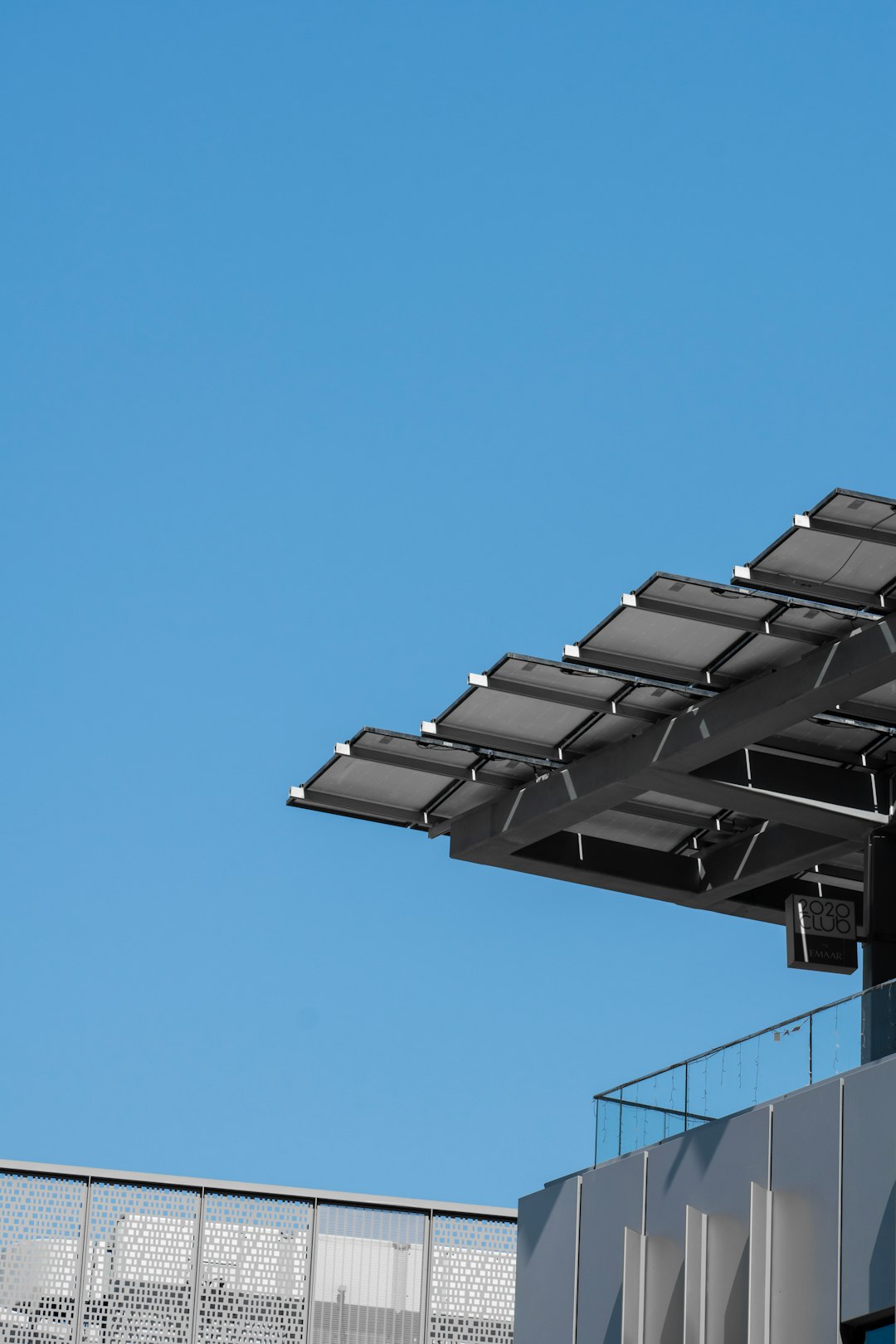
Solar Slate Roof Tiles: Your Complete Guide from a Texas Roofing Expert
For over 15 years, I've installed and repaired thousands of roofs across Texas. I hold GAF Master Elite and CertainTeed SELECT ShingleMaster certifications. Our team has completed over 3,500 roofing projects. This hands-on experience gives me a unique perspective on roofing materials. Today, I want to share my real-world knowledge about solar slate roof tiles. This article exists because homeowners keep asking me the same questions. They want to know if these high-tech tiles are worth the investment. They worry about durability in Texas storms. They need clear answers about costs and energy savings. I created this guide to solve those problems. I want to help you make an informed decision about your roof. This information comes directly from installing these systems on customer homes. I've studied manufacturer specifications from companies like CertainTeed and GAF. I've reviewed building codes from the International Residential Code (IRC). I've analyzed performance data from the National Renewable Energy Laboratory (NREL). My recommendations are based on what actually works in the field. Not just theory from a brochure. Let's dive into this comprehensive guide together.
What Are Solar Slate Roof Tiles Exactly?
Solar slate roof tiles combine traditional roofing materials with solar technology. They look like premium natural slate shingles. But they contain photovoltaic cells that generate electricity. Each tile functions as both weather protection and a mini power plant. The system integrates seamlessly into your roof's design. Unlike bulky solar panels mounted on racks, these tiles lie flat. They create a uniform, attractive appearance. The technology has evolved significantly in recent years. Modern systems are more efficient and durable than early versions. They're designed to withstand harsh weather conditions. This includes Texas hailstorms and high winds. The tiles connect together to form a complete energy system. They wire into your home's electrical panel through an inverter. This converts the solar energy into usable household power. Many systems include monitoring software. This lets you track energy production in real time.
How They Differ from Traditional Solar Panels
Traditional solar panels mount on top of your existing roof. They require racks and brackets that raise them several inches. This creates a visible, industrial look that some homeowners dislike. Solar slate tiles replace your roofing material entirely. They become your roof's primary weather barrier. This integration offers aesthetic advantages. The roof maintains a clean, uniform appearance. There are no gaps or spaces between panels and roofing. This reduces potential leak points. Installation also differs significantly. Traditional panels go on after your roof is complete. Solar tiles are installed as the roof itself. This requires specialized training and certification. Not all roofing contractors can properly install these systems. The electrical components are built into each tile. This creates a more complex installation process. But it results in a more integrated final product.
Key Components of the System
A complete solar slate system includes several essential components. The tiles themselves contain monocrystalline or polycrystalline silicon cells. These are the most efficient solar technologies available. An inverter converts the DC electricity to AC power for your home. Many systems use micro-inverters behind each tile. This maximizes energy production from individual tiles. A monitoring system tracks performance through an app or website. Racking systems secure the tiles to your roof deck. These are specifically designed for each manufacturer's products. Electrical wiring connects all components safely. Proper flashing and waterproofing materials are critical. These prevent leaks at roof penetrations and edges. The system connects to your main electrical panel. It may include battery storage for backup power. All components must meet UL standards for safety. They should carry appropriate warranties from the manufacturer.
Real-World Benefits for Texas Homeowners
Texas homeowners face unique challenges and opportunities. Our intense sun makes solar particularly effective. But our severe weather requires durable materials. Solar slate tiles address both concerns beautifully. They generate significant electricity during sunny days. This reduces your reliance on the grid during peak hours. Texas electricity rates have been volatile in recent years. Solar provides price stability for decades. The aesthetic benefit is equally important. Many Texas neighborhoods have strict HOA guidelines. Solar slate tiles often meet these requirements better than traditional panels. They maintain your home's curb appeal. This protects your property value. Durability is another major advantage. Quality solar slate tiles carry Class 4 hail impact ratings. They withstand winds up to 130 mph when properly installed. This matches or exceeds standard roofing materials. The tiles also provide excellent fire resistance. Most carry Class A fire ratings. This is the highest rating available.
Energy Production and Savings
Actual energy production depends on several factors. Your roof's orientation and pitch affect performance. South-facing roofs with 30-degree pitches are ideal in Texas. Shading from trees or other buildings reduces output. The size of your system determines total production. A typical Texas home might install a 10-kilowatt system. This could produce 1,400 kilowatt-hours monthly. That's enough to power most average homes. Actual savings depend on your current electricity rate. Texas rates average around 14 cents per kilowatt-hour. A system producing 1,400 kWh monthly saves about $196 monthly. That's $2,352 annually. These savings continue for 25-30 years. The system also increases your home's value. Studies show solar adds about $15,000 to home value for average systems. Larger systems add proportionally more value. This return comes when you sell your home. You benefit from both monthly savings and increased equity.
Durability in Texas Climate
Texas weather tests roofing materials severely. Summer temperatures exceed 100°F regularly. Winter brings freezing temperatures occasionally. Hailstorms damage roofs across the state annually. High winds threaten coastal and inland areas alike. Solar slate tiles must withstand all these conditions. Quality products use tempered glass surfaces. This resists impact damage from hail. The photovoltaic cells are laminated between protective layers. This prevents moisture intrusion and degradation. Frame materials are aluminum or stainless steel. These resist corrosion from humidity and salt air. Installation quality dramatically affects durability. Proper flashing at roof edges prevents wind uplift. Correct sealing at penetrations stops water intrusion. Adequate ventilation protects roof decking from heat buildup. I've inspected solar slate installations after major hailstorms. Properly installed systems showed minimal damage. They continued producing electricity immediately after storms. This reliability gives homeowners peace of mind.
Cost Analysis: Investment vs. Return
Solar slate roof tiles represent a significant investment. Costs typically range from $25 to $35 per square foot installed. This includes both roofing and electrical components. A complete roof replacement with solar slate might cost $60,000 to $100,000. The exact price depends on your roof's size and complexity. Steep roofs or multiple levels increase labor costs. Complex roof designs with many valleys and hips require more custom work. Electrical upgrades may be necessary for older homes. Your main electrical panel might need replacement. The utility connection process involves fees and inspections. These all add to the total project cost. However, several factors reduce the net investment. Federal solar tax credits cover 30% of system costs. Texas offers additional incentives through local utilities. Some municipalities provide property tax exemptions. Financing options include solar-specific loans with favorable terms. These often have terms matching the system's lifespan.
Breaking Down the Numbers
Let's examine a real project from last spring. The homeowners had a 3,000-square-foot roof in Kingwood. They chose a premium solar slate system. The total project cost was $85,000. The federal tax credit reduced this by $25,500. Their net cost became $59,500. Their previous electric bill averaged $280 monthly. The new system covers 85% of their usage. Their bill dropped to $42 monthly. That's $238 monthly savings or $2,856 annually. The simple payback period is about 21 years. However, this calculation ignores several important factors. Electricity rates typically increase 3% annually. Their savings will grow over time. The system adds value to their home immediately. If they sell before full payback, they recover much investment. Maintenance costs are minimal compared to traditional roofs. They avoid future reroofing costs for 30+ years. The environmental benefits have value beyond dollars. Many homeowners consider this in their decision.
Comparing Financing Options
Most homeowners finance solar slate installations. Cash purchases offer the highest return but require available funds. Solar loans spread costs over 10-25 years. Monthly payments often match or beat previous electric bills. This creates immediate cash flow neutrality. Home equity loans offer tax-deductible interest in some cases. These typically have lower rates than solar-specific loans. Power purchase agreements (PPAs) involve third-party ownership. The company installs and maintains the system. You purchase the electricity at a fixed rate. This requires no upfront investment. However, you don't own the equipment or receive incentives. Solar leases work similarly but with monthly lease payments. I generally recommend ownership when possible. This maximizes long-term financial benefits. The system becomes a permanent asset increasing your home's value. You control maintenance and warranty claims directly. Ownership aligns with typical home improvement philosophy.
Installation Process: What to Expect
Proper installation determines system performance and longevity. The process begins with a detailed site assessment. We measure your roof's exact dimensions and angles. We identify potential shading issues throughout the year. Electrical system evaluation determines necessary upgrades. We check your main panel's capacity and condition. The utility connection process requires specific documentation. We submit plans to your local building department for permits. The installation itself typically takes 5-10 days. Weather conditions can affect the schedule. We remove existing roofing materials down to the deck. We inspect and repair the decking as needed. Ice and water shield installs in critical areas. This includes valleys, edges, and around penetrations. Synthetic underlayment covers the entire roof deck. This provides secondary waterproofing protection. The solar tiles install in rows from the bottom up. Each tile connects electrically to its neighbors. Flashing installs at roof edges, valleys, and penetrations. The electrical components connect last. This includes inverters, monitoring equipment, and utility connections.
Critical Installation Details
Several installation details dramatically affect performance. Proper ventilation prevents heat buildup under tiles. This maintains electrical efficiency and extends lifespan. The roof deck must be perfectly flat and smooth. Any irregularities create stress points on tiles. Flashing at roof penetrations requires special attention. Plumbing vents, skylights, and chimneys need custom solutions. Electrical connections must be weatherproof and secure. Conduit runs should be neat and protected from damage. The utility connection requires coordination with your provider. They install a net meter to track energy production and consumption. Final inspections ensure code compliance. The building department inspects structural and electrical aspects. The utility company inspects the connection safety. Only after all approvals does the system activate. We provide complete documentation including warranties. We register the system with manufacturers for warranty coverage. We explain monitoring software and maintenance requirements.
Common Installation Challenges
Every roof presents unique challenges during installation. Complex roof designs with multiple levels require careful planning. Valleys and hips need precise cutting and sealing. Existing structural issues may require repair before installation. Rotting decking or damaged rafters must be addressed. Electrical service upgrades can add cost and time. Older homes often need panel replacements. Utility interconnection delays sometimes occur. Providers have specific requirements and schedules. Weather interruptions are inevitable in Texas. We schedule around rain and high winds for safety. Material availability can affect timelines. Premium solar slate products sometimes have lead times. We communicate these possibilities upfront. We provide realistic schedules with contingency time. We maintain clean worksites throughout the process. We protect landscaping and property from damage. We handle all debris removal and cleanup. The goal is minimal disruption to your daily life.
Material Comparisons and Manufacturer Options
Several manufacturers produce solar slate roof tiles. Each offers different features and benefits. CertainTeed's Apollo II system uses monocrystalline cells. It achieves 21.2% efficiency ratings. The tiles carry a 25-year power output warranty. They're designed to integrate with CertainTeed's roofing systems. GAF Energy's Timberline Solar system takes a different approach. It uses standard asphalt shingles with solar layers. This creates a more traditional appearance. Installation resembles conventional shingle application. Tesla Solar Roof represents the premium segment. Its tiles use tempered glass with integrated cells. The system includes Powerwall battery storage. Efficiency reaches 19.6% with various tile styles. SunStyle offers European-style solar slate. The tiles mimic natural slate appearance closely. They use polycrystalline cells with 17% efficiency. Each manufacturer targets different market segments. Your choice depends on budget, aesthetics, and performance needs.
Technical Specifications Comparison
Comparing technical specifications helps identify the best option. Efficiency measures how much sunlight converts to electricity. Higher efficiency means more power from less roof area. Monocrystalline cells typically offer 19-22% efficiency. Polycrystalline cells range from 15-18% efficiency. Temperature coefficient indicates performance loss in heat. Lower numbers are better for Texas climates. Most systems lose 0.3-0.5% per degree Celsius above 25°C. Wind resistance ratings determine storm survivability. Look for UL 580 Class 90 or higher ratings. Hail impact resistance should be UL 2218 Class 4. This withstands 2-inch hail at terminal velocity. Fire resistance requires UL 790 Class A rating. Weight affects structural requirements. Solar slate tiles typically weigh 5-7 pounds per square foot. This compares to 2-3 pounds for standard shingles. Your roof structure must support this additional weight. Warranty terms vary significantly between manufacturers. Power output warranties guarantee 90% production at 10 years. They guarantee 80% at 25 years. Product warranties cover defects for 10-25 years. Installation warranties from contractors cover workmanship.
Aesthetic Considerations
Appearance matters for most homeowners considering solar slate. The tiles should complement your home's architectural style. Traditional homes suit slate-textured options. Modern homes may prefer smooth, uniform appearances. Color options include black, gray, and blue-black tones. Some manufacturers offer custom color matching. The texture should match surrounding non-solar tiles. This creates a seamless appearance across the roof. Edge details affect the overall look. Some systems have visible electrical connections. Others hide all wiring beneath tiles. The roof should appear as a unified whole. Not as patches of solar amid regular roofing. We install sample sections during the planning phase. This lets homeowners see the actual appearance. Lighting conditions change how the tiles look. Morning, noon, and evening light reveal different aspects. Viewing angles from the street matter most. The roof should look attractive from typical vantage points. Neighbor reactions often influence decisions. We've found most neighbors appreciate discreet solar integration.
Maintenance Requirements and Long-Term Care
Solar slate roofs require minimal maintenance compared to traditional systems. The smooth glass surfaces shed dirt and debris naturally. Rain typically keeps them clean enough for good performance. However, Texas dust and pollen can reduce efficiency slightly. Annual cleaning restores full production capacity. We recommend gentle washing with soft brushes and mild detergent. Never use pressure washers or abrasive cleaners. These can damage the protective glass coatings. Trim overhanging tree branches regularly. Falling leaves and sap reduce performance. They can also create shading issues as trees grow. Monitor energy production through the system's software. Sudden drops may indicate problems needing attention. Check for physical damage after severe weather events. Hail or falling branches can crack tiles. Have a qualified technician inspect any damage. Never walk on solar tiles without proper training and equipment. The glass surfaces can be slippery and fragile. Use designated walkways if your system includes them. Otherwise, access the roof only when necessary.
Seasonal Maintenance Checklist
Spring maintenance prepares for peak production season. Clean the tile surfaces after pollen season ends. Check for winter storm damage from ice or hail. Inspect flashing and seals around penetrations. Ensure monitoring equipment functions properly. Verify the inverter displays correct status lights. Summer requires attention to heat-related issues. Ensure adequate roof ventilation is working. Check that trees haven't grown into sun paths. Monitor for reduced production during extreme heat. This is normal but should follow expected patterns. Fall maintenance focuses on debris management. Clear leaves and pine needles from roof surfaces. Trim back any branches approaching the roof. Prepare for potential winter storms. Check that all components remain securely attached. Winter brings different concerns in Texas. Monitor for ice dam formation in rare freezing conditions. Check that snow (if any) melts evenly across the roof. Verify the system produces during cloudy winter days. Document any issues for warranty claims. Keep records of all maintenance activities.
Professional Inspection Schedule
Professional inspections ensure long-term system health. We recommend annual inspections for the first five years. After that, inspections every two to three years suffice. Qualified solar roofing technicians should perform these inspections. They check electrical connections for corrosion or damage. They verify mounting hardware remains tight and secure. They inspect flashing and waterproofing integrity. They test system performance against manufacturer specifications. They update monitoring software if needed. They document any issues for warranty processing. After major weather events, additional inspections may be necessary. Hailstorms exceeding 1-inch diameter warrant immediate inspection. Winds over 70 mph justify checking attachment security. Any signs of roof leaks require prompt investigation. Electrical issues like tripped breakers need professional diagnosis. Never attempt electrical repairs yourself. Solar systems contain dangerous DC voltages even when disconnected. Always hire licensed electrical contractors familiar with solar. Maintain relationships with your installation company. They know your specific system best. They can provide most efficient service and support.
Frequently Asked Questions from Texas Homeowners
How long do solar slate roof tiles last?
Quality solar slate tiles last 30 years or more. The photovoltaic cells typically carry 25-year power output warranties. The roofing components often have 30-year material warranties. Proper installation and maintenance extend the lifespan significantly. We've inspected 20-year-old systems still producing at 85% of original capacity. The glass surfaces resist weathering better than traditional roofing materials. Electrical components may need replacement before the tiles themselves. Inverters typically last 10-15 years. Monitoring equipment may become obsolete sooner. These are replaceable without removing the entire roof. The overall system should protect your home for decades.
Do they work during power outages?
Standard grid-tied systems shut down during power outages. This safety feature prevents feeding electricity into downed power lines. However, you can add battery storage to overcome this limitation. Systems like Tesla Powerwall store excess solar energy. This provides backup power during outages. The batteries automatically switch on when the grid fails. They can power essential circuits for hours or days. The cost adds significantly to the overall system price. But for Texas homeowners concerned about grid reliability, it's worth considering. Some systems also allow manual disconnection from the grid. This lets you use solar power directly during daytime outages.
How do they handle Texas hail storms?
Quality solar slate tiles carry Class 4 hail impact ratings. This is the highest rating available. It means they withstand 2-inch hail stones at terminal velocity. The tempered glass surfaces are surprisingly durable. We've seen these systems survive hailstorms that destroyed traditional roofs. However, installation quality affects hail resistance. Properly secured tiles withstand impacts better than loose ones. Flashing protection around edges prevents water intrusion if glass cracks. Most manufacturers include hail damage in their warranties. They'll replace damaged tiles at little or no cost. Insurance typically covers hail damage to solar roofs similarly to traditional roofs. Document the system thoroughly for insurance purposes.
What about hurricane-force winds?
Solar slate tiles install with specialized attachment systems. These resist wind uplift better than some traditional materials. Most systems carry 130 mph wind ratings when properly installed. This exceeds Miami-Dade County requirements for hurricane zones. The key is proper flashing at roof edges and penetrations. These areas experience the highest wind pressures. Quality installation addresses these vulnerabilities specifically. We use additional fasteners in high-wind zones. We seal all edges with specialized adhesives. We follow manufacturer wind installation guidelines precisely. Post-storm inspections typically show excellent performance. The systems often survive when surrounding homes suffer roof damage.
Will they increase my property taxes?
Texas offers a property tax exemption for solar energy systems. The added value from solar installation doesn't increase your property taxes. This exemption applies to both residential and commercial properties. It covers 100% of the system's value for tax purposes. You must apply for the exemption with your county appraisal district. Provide documentation of the system's cost and installation date. The exemption continues as long as the system remains operational. This makes solar more affordable long-term. The exemption applies statewide regardless of local policies. Combine this with federal tax credits for maximum savings. Consult a tax professional for specific advice about your situation.
How do I clean them safely?
Cleaning solar slate tiles requires care but isn't difficult. Use a soft brush with an extension pole for reach. Apply mild detergent mixed with water. Rinse thoroughly with a garden hose. Never use pressure washers or abrasive cleaners. These can damage the protective glass coatings. Avoid walking on the tiles whenever possible. If you must walk on them, wear soft-soled shoes. Step only on the lower edges where support is strongest. Clean early morning or late evening when surfaces are cool. Hot glass can crack if suddenly cooled with water. Consider professional cleaning every few years. Professionals have proper equipment and training. They can clean without risking damage to the system.
What happens when I sell my home?
Solar slate roofs increase your home's value significantly. Studies show solar adds about $15,000 to average home values. Larger systems add proportionally more value. The system becomes a selling feature for energy-conscious buyers. Provide documentation of energy production and savings. Share maintenance records and warranty information. Highlight the remaining warranty period for new owners. Transfer monitoring system access to the buyers. Update manufacturer registrations with new owner information. Some solar loans allow assumption by qualified buyers. Others require payoff before sale. Discuss options with your real estate agent early. They can market the solar features effectively. Many buyers appreciate knowing their energy costs will be lower. This makes your home more attractive in competitive markets.
Real Project Case Studies and Outcomes
Case studies demonstrate real-world performance of solar slate systems. The Johnson family in Kingwood installed a system in 2020. Their 4,000-square-foot home had high energy consumption. Their average electric bill was $420 monthly. They installed a 14-kilowatt solar slate system. The total cost was $98,000 before incentives. After federal and state incentives, their net cost was $65,000. The system produces 1,800 kWh monthly on average. This covers 92% of their energy needs. Their electric bill dropped to $34 monthly. That's $386 monthly savings or $4,632 annually. They financed the system with a 20-year solar loan. Their monthly loan payment is $312. Their net monthly savings is $74 immediately. As electricity rates increase, their savings will grow. The system survived the 2021 hailstorm without damage. Neighbors needed roof repairs while theirs remained intact. Their home appraisal increased by $22,000 post-installation. They're extremely satisfied with their decision.
Commercial Installation Example
A local medical office installed solar slate in 2022. The 8,000-square-foot roof presented complex challenges. Multiple HVAC units and skylights required custom solutions. The system size is 28 kilowatts. Total cost was $196,000 before incentives. Commercial tax benefits differ from residential. They used accelerated depreciation and investment tax credits. Their net cost after incentives was $117,600. The system produces 3,500 kWh monthly. This covers 65% of their energy needs. Their monthly savings average $490. They project full payback in 20 years. However, the aesthetic benefits provided additional value. The professional appearance impressed patients and staff. The building's market value increased substantially. They received positive community recognition for sustainability efforts. The system performs reliably with minimal maintenance. They've had no issues despite Texas weather extremes.
Industry Statistics and Future Trends
The solar roofing market is growing rapidly. According to the Solar Energy Industries Association (SEIA), solar installations increased 43% in 2023. Texas leads the nation in solar capacity growth. The state added 6.2 gigawatts of solar in 2023 alone. Solar slate represents a small but growing segment. Prices have dropped 70% over the past decade. Efficiency has increased from 15% to over 22% in premium products. New technologies promise further improvements. Perovskite solar cells may reach 30% efficiency soon. Building-integrated photovoltaics (BIPV) are becoming mainstream. More homeowners choose solar during roof replacements. The timing makes financial sense. You avoid paying for temporary roofing before solar installation. Manufacturers are developing easier installation methods. Some systems now click together like traditional shingles. This reduces labor costs and installation time. Battery storage integration is becoming standard. This addresses grid reliability concerns. Smart home integration allows optimal energy use. Systems automatically shift usage to solar production periods.
Texas-Specific Statistics
Texas solar capacity now exceeds 22 gigawatts. This powers approximately 4.4 million homes. The state's solar industry employs over 17,000 workers. Solar creates $23 billion in economic investment statewide. ERCOT reports solar provided 10% of Texas electricity in 2023. This percentage grows daily as new installations come online. Houston leads Texas cities in solar installations. The metro area added 450 megawatts in 2023. Solar increases grid resilience during peak demand. This was demonstrated during recent heat waves. Solar production peaked when electricity demand was highest. This stabilized prices and prevented outages. Homeowners with solar avoided price spikes during these events. Their systems provided power when it was most valuable. This trend will continue as solar penetration increases. Utilities are adapting to distributed generation. New rate structures may affect future savings. But solar ownership still provides price stability and independence.
Step-by-Step Guide to Getting Started
Follow these steps to explore solar slate for your home. First, assess your roof's solar potential. Use Google's Project Sunroof tool for initial estimates. Consider your roof's age and condition. Solar slate requires roof replacement if your roof is near end of life. Next, research local installers with specific experience. Look for NABCEP certification for solar installers. Check for roofing manufacturer certifications too. Get multiple quotes for comparison. Ask for references from recent projects. Visit completed installations if possible. Review system design proposals carefully. Ensure they address your specific roof challenges. Verify all costs are included upfront. Watch for hidden fees or necessary upgrades. Check financing options with each provider. Compare loan terms and interest rates. Review warranty coverage details. Understand what's included and excluded. Check manufacturer financial stability. You want warranties backed by solid companies. Schedule a detailed site assessment. This should include shade analysis and structural evaluation. Review the final contract thoroughly. Ensure it matches the proposal exactly. Understand the installation timeline. Plan for weather delays and utility coordination. Prepare your home for construction. Protect valuables from vibration and dust. Monitor the installation process. Ask questions if anything seems unusual. Verify all inspections are completed. Keep copies of all documentation. Register warranties with manufacturers promptly. Learn to use monitoring software effectively. Track production against expectations. Address any issues immediately during warranty period.
Red Flags to Watch For
Some warning signs indicate problematic installers. Avoid companies offering prices significantly below market averages. Quality materials and installation have real costs. Be wary of high-pressure sales tactics. Reputable companies give you time to decide. Question vague or incomplete proposals. Everything should be documented clearly. Check for proper licensing and insurance. Texas requires specific roofing and electrical licenses. Verify workers' compensation coverage protects you from liability. Avoid companies without local presence. You need support after installation completion. Research complaint histories with the Better Business Bureau. Check online reviews across multiple platforms. Ask about subcontracted labor versus company employees. Direct employees typically provide better quality control. Request proof of manufacturer certifications. These require specific training and standards compliance. Avoid companies that can't provide recent references. Speak directly with previous customers if possible. Trust your instincts during consultations. Professionalism should be evident in all interactions.
Conclusion: Making Your Decision
Solar slate roof tiles represent a significant home investment. They combine roofing protection with energy production beautifully. The technology has matured to offer reliable performance. Texas homeowners benefit from abundant sunshine and favorable policies. The financial case strengthens as electricity prices increase. Aesthetic advantages appeal to many homeowners. Durability matches or exceeds traditional roofing materials. The installation process requires specialized expertise. Choose your contractor as carefully as your materials. Consider your roof's timing and condition. Solar slate makes most sense during roof replacement. Evaluate your energy usage patterns carefully. Right-size your system for optimal economics. Understand all incentives and financing options. Calculate both short-term and long-term benefits. Maintenance requirements are minimal but important. Regular care ensures maximum performance and longevity. The decision ultimately depends on your priorities and circumstances. For homeowners planning long-term residence, solar slate offers compelling value. For those concerned about environmental impact, it provides clean energy. For Texas residents tired of volatile electricity bills, it offers stability. I've seen hundreds of homeowners make this decision. Those who do proper research rarely regret their choice. They enjoy lower bills, increased comfort, and peace of mind. Their homes become more valuable and sustainable. If you're considering solar slate, start with education. This guide provides a solid foundation. Consult with qualified professionals for specific advice. Visit completed installations to see systems firsthand. Take your time making this important decision. Your roof protects everything beneath it for decades. Choose materials that serve both protection and production needs. The future of roofing integrates multiple functions seamlessly. Solar slate represents this integration beautifully.