
Solar Shingles Installation: A Roofer's Complete Guide for Homeowners
I have installed roofs for over fifteen years. Our company has completed more than two thousand roofing projects. We hold certifications from GAF, CertainTeed, and Tesla Solar Roof installers. This experience gives me real knowledge about solar shingles. I want to share that knowledge with you today. This article exists to solve a specific problem. Many homeowners hear about solar shingles. They get excited about clean energy and savings. But they struggle to find clear, honest information. They do not know if solar shingles are right for their home. They worry about costs, installation, and long-term value. This guide answers all those questions. I gathered this information from real customer projects. I studied manufacturer specifications from Tesla, GAF, and CertainTeed. I reviewed local building codes and utility company requirements. My recommendations come from hands-on work, not just theory. I will explain the entire process clearly. You will learn about costs, materials, and installation steps. My goal is to save you time and help you make a smart decision.
What Are Solar Shingles? Understanding the Technology
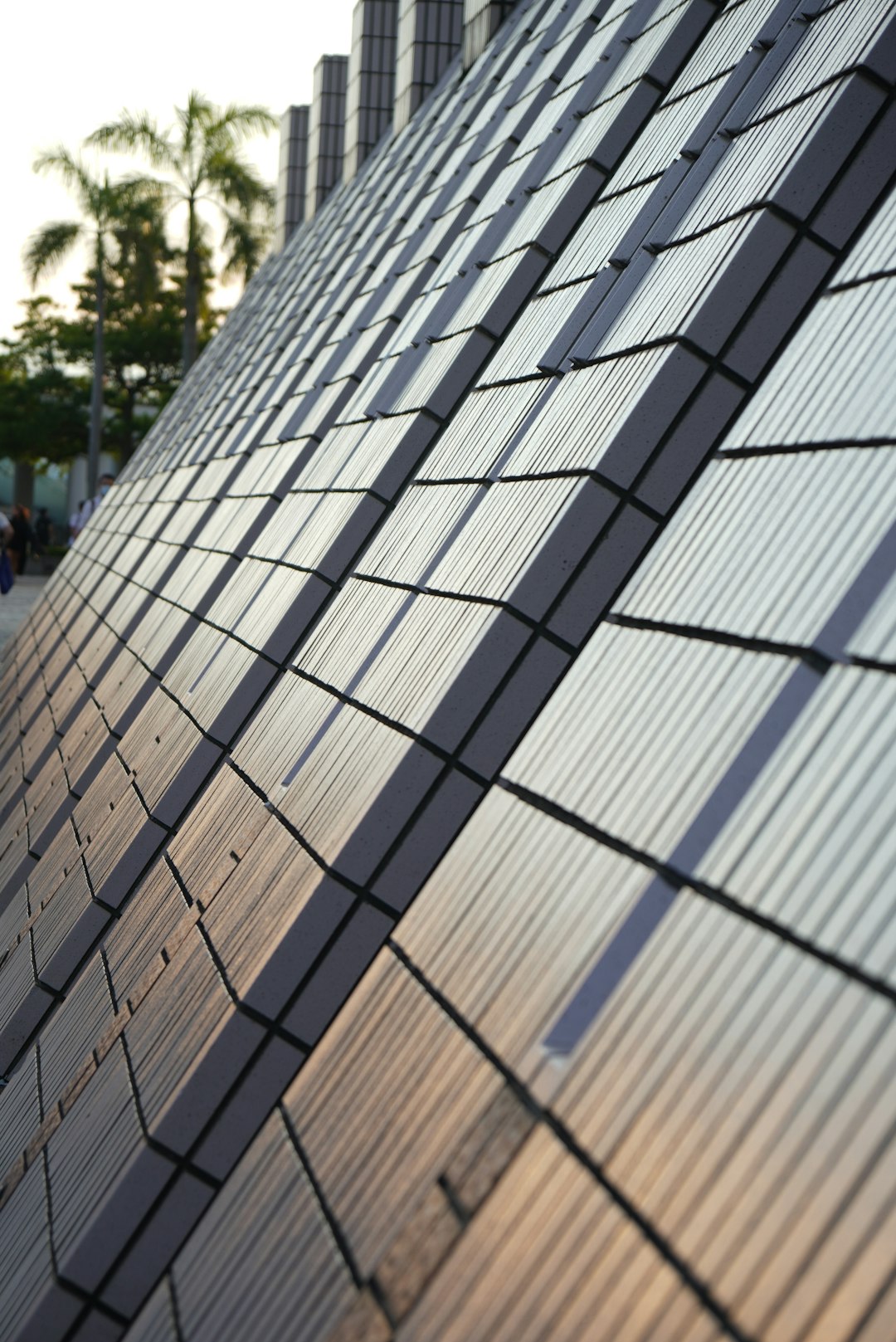
Solar shingles are a revolutionary roofing product. They look like traditional asphalt shingles. But they contain photovoltaic cells. These cells convert sunlight into electricity for your home. They serve two critical functions. First, they protect your home from weather like a normal roof. Second, they generate clean, renewable power. This dual purpose makes them unique. Traditional solar panels mount on top of an existing roof. Solar shingles are the roof itself. This creates a sleek, integrated appearance. Homeowners often prefer this aesthetic. The technology has improved dramatically in recent years. Efficiency and durability are now much higher. Major manufacturers like Tesla and GAF Energy lead the market. Understanding this basic concept is the first step.
Solar Shingles vs. Traditional Solar Panels
The choice between shingles and panels is important. Each option has distinct advantages. Solar panels are a more established technology. They are typically less expensive per watt of power. Installation is often quicker on a suitable roof. However, they sit on racks above your shingles. This can look bulky and less attractive. Solar shingles integrate seamlessly into your roof line. They offer superior curb appeal. They can also be more durable in extreme weather. High winds and hail can damage raised panels. Integrated shingles often fare better. But shingles usually cost more upfront. They also require a full roof replacement. You cannot install them over old shingles. Consider your budget, roof condition, and aesthetic goals carefully.
How Solar Shingles Generate Electricity
The process of generating power is fascinating. Each shingle contains thin photovoltaic cells. Sunlight hits these semiconductor cells. This sunlight energizes electrons within the cell. The energized electrons create direct current (DC) electricity. Wires behind the shingles collect this DC power. The wires connect to an inverter on your home. The inverter converts DC power to alternating current (AC). AC power is what your home appliances use. Any excess power flows back to the utility grid. This often earns you credits on your electric bill. This process is called net metering. The system includes monitoring software. You can track energy production on your phone. Understanding this flow helps you appreciate the system's value.
Are Solar Shingles Right for Your Home? Key Considerations
Not every home is a perfect candidate for solar shingles. Several factors determine suitability. The most important factor is your roof's condition and orientation. Solar shingles need a roof in good structural shape. They also need adequate sunlight exposure. South-facing roofs in the Northern Hemisphere are ideal. East and west-facing roofs can also work well. North-facing roofs are poor candidates. Shade from trees or other buildings reduces efficiency. You must consider your local climate and weather patterns. Areas with frequent, heavy snow may need special planning. Your home's electrical system must also be evaluated. An older electrical panel may need an upgrade. Finally, check your local homeowners association rules. Some HOAs have restrictions on solar installations.
Evaluating Your Roof's Solar Potential
Start with a professional roof inspection. A certified roofer should assess your roof's structure. They will check the decking, rafters, and existing materials. The roof must be strong enough to support the shingles. Next, analyze sun exposure. Tools like Google's Project Sunroof can provide estimates. But a site visit is more accurate. A contractor will use a solar pathfinder or similar tool. They measure hours of direct sunlight per day. They also identify shading issues. The ideal roof has a pitch between 15 and 40 degrees. Steeper or flatter roofs can still work. But efficiency may be slightly lower. Also, consider future plans. Will you add a second story? Will nearby trees grow and create shade? Think long-term for the best investment.
Local Regulations and Incentives
Rules vary greatly by city and state. You must understand local building codes. Most areas require a permit for solar installations. The permit process ensures safety and compliance. Your contractor should handle this for you. Also, research financial incentives. The federal solar tax credit is a major benefit. It allows you to deduct 30% of the system cost from your taxes. Many states and utilities offer additional rebates. For example, some Texas utilities have solar buyback programs. Check the Database of State Incentives for Renewables & Efficiency (DSIRE). This website lists all available incentives. Finally, review your homeowner's insurance policy. You may need to update coverage for the new system. Proper planning avoids surprises later.
The True Cost of Solar Shingles: A Detailed Breakdown
Cost is the biggest concern for most homeowners. Solar shingles are a significant investment. Prices vary based on system size, brand, and roof complexity. On average, solar shingles cost between $21 and $35 per square foot. A typical 2,000 square foot roof might cost $42,000 to $70,000 for materials and installation. This is before incentives and tax credits. The federal tax credit reduces that cost by 30%. That brings the net cost down to $29,400 to $49,000. Compare this to a traditional roof plus solar panels. A new asphalt roof costs about $10,000. A solar panel system adds $15,000 to $25,000. The combined cost is $25,000 to $35,000. Solar shingles are often $5,000 to $15,000 more. But they offer better aesthetics and integration.
- Material Costs: Tesla Solar Roof tiles, GAF Timberline Solar shingles, and CertainTeed Apollo II tiles are common. Prices differ by brand and efficiency rating.
- Labor Costs: Installation is complex. It requires both roofing and electrical expertise. Labor typically makes up 30-40% of the total cost.
- Additional Components: Inverters, wiring, monitoring systems, and power walls add cost. These are necessary for the system to function.
- Site Preparation: Old roof removal, decking repair, and electrical upgrades add to the price. These are often hidden costs in initial quotes.
Financing Your Solar Roof Investment
Few homeowners pay cash for a full solar roof. Several financing options exist. A home equity loan or line of credit is common. These loans often have favorable interest rates. Some manufacturers offer their own financing programs. Tesla, for example, has partnership lenders. Also, explore Property Assessed Clean Energy (PACE) programs. These programs allow repayment through your property taxes. The loan stays with the property if you sell. Another option is a solar lease or power purchase agreement (PPA). With a lease, you pay a monthly fee to use the system. You do not own the equipment. This reduces upfront cost but also long-term savings. Always calculate the total cost of ownership. Include interest payments in your comparison.
Return on Investment and Energy Savings
The payoff comes from reduced electric bills. Calculate your current average monthly bill. A properly sized solar system can eliminate 70-100% of this cost. If your bill is $150 per month, you save $1,800 per year. Divide your net system cost by your annual savings. This gives your simple payback period. For a $40,000 net system saving $1,800 yearly, payback is about 22 years. Solar shingles typically last 25-30 years. So you get several years of essentially free power. Also, consider increased home value. Studies show solar installations increase resale value. The U.S. Department of Energy provides good resources on this. Remember, electricity rates tend to rise over time. Your savings will likely increase each year.
The Solar Shingle Installation Process: Step-by-Step
Installation is a major construction project. It requires careful planning and skilled crews. The process usually takes one to three weeks. Weather can cause delays. A typical installation follows these key steps. First, the crew delivers all materials to your site. They set up safety equipment and protection for your property. Next, they remove your existing roof down to the decking. They inspect and repair the wooden deck as needed. Then, they install waterproof underlayment. This is a critical moisture barrier. After that, they begin laying the solar shingles. They interlace active solar tiles with inactive dummy tiles. This creates a uniform look. Electricians run wiring concurrently. Finally, they install inverters, meters, and monitoring systems. The system is then inspected and activated.
Week 1: Roof Preparation and Decking Work
The first week focuses on the roof structure. Day one involves setting up the job site. The crew covers landscaping with tarps. They set up dumpsters for old roofing materials. They also install roof jacks and safety harnesses. Days two and three involve tear-off. Workers remove all old shingles, underlayment, and flashings. They haul this material away. Days four and five are for deck inspection and repair. The crew checks every plywood or OSB sheet. They replace any rotten or damaged wood. They also install new drip edge metal around the roof perimeter. This step is crucial for long-term durability. Skipping proper deck repair leads to future problems. A good contractor will photograph the deck before proceeding. This provides a record of the work done.
Week 2: Shingle Installation and Electrical Integration
The second week is when the roof takes shape. Installers begin laying the waterproof underlayment. This is often a synthetic, self-adhering product. It seals around nails and protects the deck. Then, they start the first course of shingles at the roof's edge. They use chalk lines to ensure straight rows. As they lay shingles, electricians follow behind. The electricians connect the tabs on each solar shingle. They run conduit through the attic to the inverter location. The inverter is usually mounted on an exterior wall or in the garage. Installers pay special attention to roof penetrations. They flash around chimneys, vents, and skylights meticulously. Proper flashing prevents leaks. This phase requires close coordination between roofers and electricians. Communication is key to a successful install.
Final Steps: Inspection, Activation, and Monitoring
The final phase involves testing and approval. First, the roofing foreman does a quality check. They inspect for proper alignment, nail placement, and flashing. Then, the electrical foreman tests all circuits. They check voltage, grounding, and inverter function. Next, the local building department inspector visits. They verify the work meets all electrical and building codes. The utility company also sends an inspector. They approve the connection to the grid and install a net meter. This meter spins backwards when you export power. Once all approvals are granted, the system is activated. The installer will walk you through the monitoring app. They show you how to track energy production and consumption. They also provide all warranty documents and manuals. Keep these in a safe place.
Choosing the Right Solar Shingle Brand and Contractor
Your choice of product and installer determines your satisfaction. Not all solar shingles are the same. Major brands have different strengths. Tesla Solar Roof is known for its sleek glass tiles and high power output. GAF Timberline Solar shingles look almost identical to traditional asphalt. CertainTeed offers a range of integrated solar products. Research each brand's specifications. Compare efficiency ratings, which measure sunlight conversion. Look at warranty terms for both the roofing material and the power output. A 25-year product warranty is standard. The power warranty should guarantee at least 80-90% output after 25 years. Also, consider the company's financial stability. You need them to honor warranties decades from now.
Vetting and Selecting Your Installation Contractor
The installer is as important as the product. Look for a contractor with specific solar shingle experience. Ask how many systems they have installed. Request addresses of past projects you can drive by. Verify their licenses and insurance. They need a roofing license and an electrical contractor license. General liability and workers' compensation insurance are mandatory. Check for manufacturer certifications. Tesla, GAF, and CertainTeed have certified installer programs. These contractors receive special training. Get at least three detailed written estimates. The quotes should break down all costs. They should specify the brand, model, number of tiles, and inverter type. Beware of quotes significantly lower than others. This often indicates subpar materials or inexperience. Ask for references and call them. A reputable contractor will gladly provide them.
Understanding Warranties and Service Agreements
Warranties protect your investment. There are typically three separate warranties. The first is the manufacturer's product warranty. This covers defects in the shingles themselves, like cracking or delaminating. It usually lasts 20-30 years. The second is the power performance warranty. This guarantees the shingles will produce a certain amount of electricity. For example, 95% output in year one, declining to 80% by year 25. The third is the installer's workmanship warranty. This covers leaks or issues caused by improper installation. It often lasts 5-10 years. Read all warranty documents carefully. Note what is excluded. Damage from extreme weather or improper maintenance may not be covered. Also, understand the claim process. Know who to call if a problem arises. Keep all paperwork organized.
Maintenance and Long-Term Care of Your Solar Roof
Solar shingles require minimal maintenance. But some care extends their life and performance. The most important task is keeping them clean. Dirt, pollen, and bird droppings can reduce efficiency. In most climates, rain does a good job of cleaning. In dry, dusty areas, you may need to rinse them occasionally. Use a garden hose from the ground. Do not use a pressure washer, as it can damage seals. Never walk on the solar shingles. This can crack the cells and void the warranty. Trim any overhanging tree branches. They can scratch the surface and drop debris. Monitor your energy production through the app. A sudden drop in output could indicate a problem. Have a professional inspect the system every 3-5 years. They can check connections and wiring integrity.
What to Do in Case of Damage or Storm
Severe weather happens. Hail, wind, and falling trees can damage any roof. If your solar roof is damaged, take immediate action. First, ensure everyone is safe. If there is a leak, place a bucket inside and call your roofer. Document the damage with photos and videos. Contact your homeowner's insurance company promptly. Solar shingles are typically covered under your dwelling coverage. But confirm this with your agent beforehand. Next, call your solar installer. They are trained to handle repairs on the system. Do not let a standard roofer who is not certified attempt repairs. This could void electrical warranties and be dangerous. The installer will assess the damage. They will coordinate with your insurance adjuster. They will replace damaged tiles and ensure the system is safe. Keep records of all communications and repairs.
Frequently Asked Questions About Solar Shingles
How long do solar shingles last?
Solar shingles are designed to last as long as your home. Most manufacturers offer 25 to 30-year warranties for both the roofing material and the power output. The photovoltaic cells degrade very slowly, typically losing less than 0.5% of efficiency per year. With proper installation and minimal maintenance, the roofing portion should protect your home for decades. The inverter, which converts the power, has a shorter lifespan of 10 to 15 years and will likely need replacement once during the system's life.
Do solar shingles work in cloudy or cold climates?
Yes, solar shingles work in cloudy and cold weather. They do not need direct, hot sunlight to function. They generate electricity from daylight, not heat. In fact, solar cells are often more efficient in cooler temperatures. Cloudy days will reduce output compared to sunny days, but they still produce power. Modern systems are designed to perform well in various climates. Snow can be an issue if it completely covers the shingles, but the dark surface usually helps snow melt and slide off faster than on a standard roof.
Can I install solar shingles on an existing roof?
No, you cannot install solar shingles over old shingles. Solar shingles are a primary roofing material. They must be installed on a solid, clean roof deck. The existing roof must be completely torn off down to the wood sheathing. This allows for proper installation of underlayment and integration of the electrical wiring. Attempting to install them over old layers would void warranties, create fire hazards, and lead to leaks. A full roof replacement is part of the project cost and process.
What happens to the power during a blackout?
Standard grid-tied solar systems automatically shut off during a power outage. This is a safety requirement for utility workers. The system cannot power your home during a blackout unless you have a battery backup. Adding a battery, like the Tesla Powerwall, changes this. The battery stores excess solar energy produced during the day. When the grid goes down, the system isolates your home and uses power from the battery. This can keep critical appliances running for hours or even days, depending on your usage and battery size.
Will solar shingles increase my property taxes?
In most states, adding a solar energy system increases your home's value. However, many states have laws that exempt this added value from property tax assessments. This is called a renewable energy property tax exemption. You need to check the specific laws in your state and county. For example, Texas offers a 100% property tax exemption for the added value from solar installations. Your local tax assessor's office can provide definitive information. Even if taxes increase slightly, the boost in resale value and energy savings far outweigh the cost.
How do I clean my solar shingles?
Cleaning is rarely needed. Rainfall is usually sufficient. If you live in an area with little rain and lots of dust or pollen, you might clean them once a year. Use a garden hose with a spray nozzle from the ground. Spray at an angle to rinse off debris. Do not use a pressure washer, as the high pressure can damage seals and wiring. Do not use abrasive cleaners or scrubbers. If you cannot reach the entire roof safely from the ground, hire a professional solar cleaning service. They use deionized water and soft brushes on extension poles.
Can I walk on solar shingles for maintenance?
You should avoid walking on solar shingles whenever possible. The photovoltaic cells are fragile and can crack under pressure. Walking on them can also damage the waterproof seals between tiles, leading to leaks. It can void the manufacturer's warranty. If access is absolutely necessary for chimney or vent maintenance, a trained professional should do it. They will use specific roof walking pads that distribute weight and protect the tiles. Always plan your roof layout so that inactive dummy tiles are placed in areas likely to need future access.
Real Project Case Studies and Outcomes
Let me share two real examples from our projects. The first was a family in Kingwood, Texas. Their 25-year-old roof was failing. Their average electric bill was $220 per month. They chose a GAF Timberline Solar system. The total project cost was $48,000. After the federal tax credit, their net cost was $33,600. The system covered 85% of their energy needs. Their monthly bill dropped to about $35. They save $185 per month, or $2,220 per year. Their simple payback period is about 15 years. They also gained peace of mind with a new, durable roof. The second project was a newer home in The Woodlands. The owners wanted the Tesla Solar Roof for its modern look. Their roof was larger and more complex. The total cost was $72,000. After incentives, it was $50,400. Their savings are similar, but the aesthetic improvement was their primary goal. Both families are extremely happy with their decision.
Industry Statistics and Future Trends
The solar roofing market is growing rapidly. According to the Solar Energy Industries Association (SEIA), the U.S. installed enough solar in 2023 to power 22 million homes. Building-integrated photovoltaics, like solar shingles, are a small but fast-growing segment. Costs have fallen by over 70% in the last decade. Efficiency continues to improve by about 0.5% per year. New materials, like perovskite solar cells, promise even higher efficiency and lower costs in the future. More traditional roofing manufacturers are entering the market. This increased competition benefits homeowners. It leads to better products and more competitive pricing. Government policies continue to support solar adoption. The extension of the federal tax credit provides certainty for investors. The future of solar shingles is bright.
Conclusion: Making an Informed Decision
Solar shingles represent a major advancement for homeowners. They combine durable roofing with clean energy generation. The decision to install them is significant. It requires careful consideration of costs, suitability, and goals. Start with a professional assessment of your roof. Get multiple quotes from certified installers. Calculate your potential energy savings and payback period. Research all available incentives in your area. Remember, you are investing in both your home's protection and its energy independence. The process takes time and planning. But the long-term benefits are substantial. You will reduce your carbon footprint. You will gain protection from rising electricity rates. You will increase your home's value and curb appeal. If your roof needs replacement and you plan to stay in your home, solar shingles are worth serious consideration. Take the first step today by contacting a qualified local installer for a consultation.