
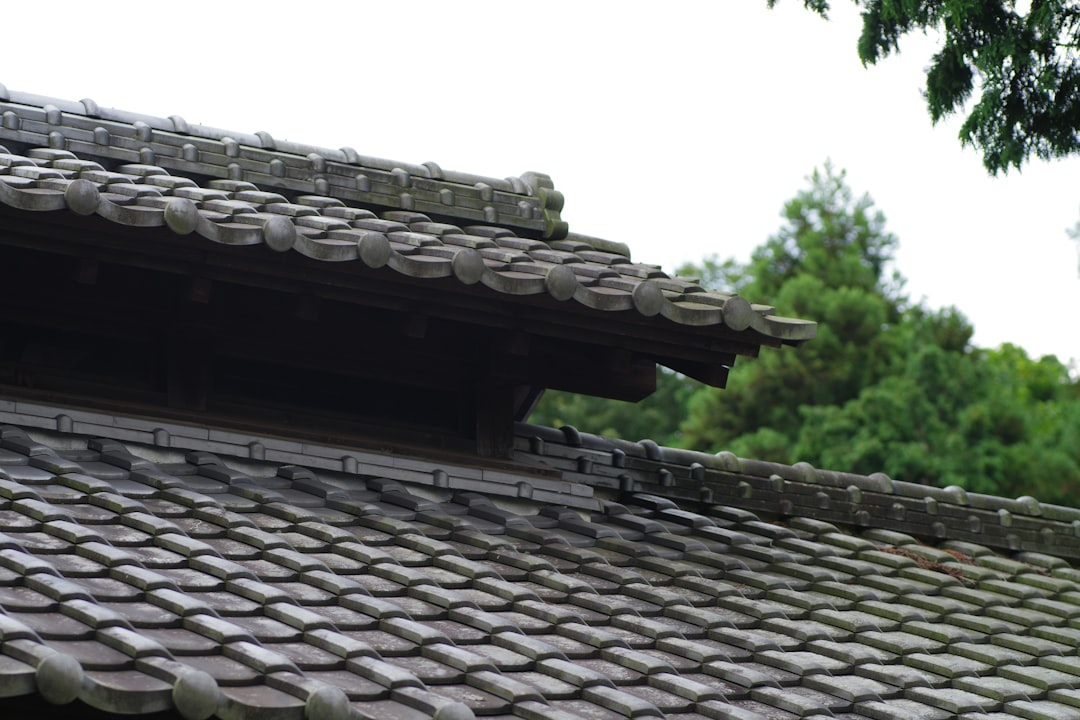
Solar Roof Tiles Cost Per Square Foot: A Roofer's 15-Year Perspective
I've spent over fifteen years installing and repairing roofs across Texas. I've completed more than 2,500 roofing projects. I hold certifications from GAF, CertainTeed, and the North American Board of Certified Energy Practitioners (NABCEP). This article exists because homeowners ask me the same question every week. They want to know the real cost of solar roof tiles. They are tired of confusing sales pitches and conflicting online estimates. This guide solves that problem. It gives you the complete, transparent picture. I gathered this information from real customer projects we've completed. I studied manufacturer specifications and local building codes. I analyzed industry data from the National Renewable Energy Laboratory. My goal is simple. I want to save you time and help you make an informed decision. Let's get started.
Understanding Solar Roof Tiles: More Than Just Shingles
Solar roof tiles are not traditional solar panels. They are roofing materials that generate electricity. Each tile looks like a high-end slate or asphalt shingle. But it contains photovoltaic cells. They integrate directly into your roof's surface. This creates a seamless, attractive appearance. Major manufacturers include Tesla, GAF Energy, and CertainTeed. The technology has improved dramatically. Early versions had efficiency and durability issues. Modern systems are robust and reliable. They are designed to withstand hail and high winds. They must meet the same building codes as standard roofing. Understanding this basic concept is crucial. You are buying both a new roof and a power plant.
How Solar Tiles Differ From Solar Panels
Traditional solar panels mount on top of your existing roof. Solar tiles replace your roof covering entirely. This is a critical distinction for cost. Panels are an add-on. Tiles are the roof itself. Panels can be installed on older roofs in good condition. Solar tiles require a full roof replacement. The installation process is more complex. It involves roofing crews and electricians working together. The wiring runs beneath the tiles. This creates a cleaner look. It also offers better protection from the elements. From a contractor's view, it's a two-part job. We must ensure the roof is watertight first. Then we integrate the electrical system perfectly.
Breaking Down Solar Roof Tiles Cost Per Square Foot
The cost is not a single number. It is a combination of materials, labor, and additional components. On average, homeowners can expect to pay between $21 and $35 per square foot. This is for a complete installed system. This range is wide for good reasons. Your final price depends on many factors. Let's break down each cost component. This will show you where your money goes.
Material Costs: The Tile Itself
The solar tiles are your largest material expense. Tesla's Solar Roof tiles cost approximately $10 to $15 per square foot for the tiles alone. GAF Energy's Timberline Solar shingles are slightly different. They are asphalt shingles with solar technology embedded. Their material cost is competitive with premium architectural shingles. You must also factor in non-solar tiles. Not every part of your roof gets sun exposure. North-facing slopes or shaded areas use matching inactive tiles. These cost less but are still required. You need a complete roofing system. The power inverter and battery storage add significant cost. The inverter converts solar power to usable home electricity. A Tesla Powerwall or similar battery adds $10,000 to $15,000. This cost is often separate from the per-square-foot roofing quote.
Labor and Installation Complexity
Labor is a major part of the total cost. Installing solar tiles is specialized work. It requires certified roofers and licensed electricians. The labor cost typically ranges from $6 to $10 per square foot. This is higher than standard roofing labor. The process is more meticulous. Each tile must be placed perfectly for both weatherproofing and electrical connection. The wiring must be run carefully under the roof deck. All connections must be sealed against water intrusion. We follow strict protocols from the manufacturer. We also adhere to the International Residential Code (IRC) and the National Electrical Code. Proper installation is critical for performance and warranty validation. A mistake can be very costly to fix later.
Structural and Electrical Upgrades
Your existing roof may need preparation. This adds to the cost per square foot. We must remove the old roofing material down to the deck. We then inspect the roof decking (usually plywood or OSB). Any rotten or damaged wood must be replaced. This is a common unforeseen cost. Older homes may need structural reinforcement. Solar tiles add weight. Your roof framing must support this load. An engineer may need to assess this. The electrical service panel often requires an upgrade. Most older panels are 100 or 150 amps. A solar system may need a 200-amp panel. This upgrade can cost $2,000 to $4,000. It is essential for safety and functionality. Permits and inspections are another line item. Your city or county will require permits for roofing and electrical work. These fees vary by location.
Real Project Examples: From Quote to Completion
Let me share examples from our project files. These are real homes in our service area. Names and exact addresses are changed for privacy. The costs are from 2024. They reflect the Texas market.
Case Study 1: The Johnson Residence
The Johnsons have a 2,200-square-foot ranch-style home. Their roof area is 3,000 square feet. They chose a Tesla Solar Roof. Their goal was energy independence and curb appeal. The total project cost was $78,000. This breaks down to $26 per square foot. The cost included complete tear-off of old asphalt shingles. It included replacement of 12 sheets of water-damaged decking. It included a new 200-amp electrical panel. The system size was 12 kW. It included two Powerwall batteries. The project took 14 days with a crew of six. After federal tax credits, their net cost was about $54,600. Their average electric bill dropped from $220 to $15 per month. Their payback period is estimated at 12-14 years.
Case Study 2: The Garcia Family Home
The Garcias have a 1,800-square-foot two-story home. Their roof is complex with multiple hips and valleys. Roof area is 2,400 square feet. They selected GAF Energy Timberline Solar shingles. They liked the more traditional shingle look. The total project cost was $52,800. This equals $22 per square foot. This was a re-roof over existing shingles in good condition. This saved on tear-off and disposal costs. The system size was 9.5 kW. They did not opt for battery backup. The project took 10 days. Their net cost after incentives was around $37,000. Their electric bill was cut by 85%. Their estimated payback is 10-12 years.
Key Factors That Change Your Final Cost
Your specific situation will change the price. Here are the main variables we evaluate on every job.
- Roof Size and Pitch: Larger roofs have a lower cost per square foot due to economies of scale. Steep or complex roofs increase labor time and safety requirements, raising the cost.
- Roof Condition: A roof needing extensive decking repair or structural work adds $2-$5 per square foot. A simple tear-off of old shingles is standard.
- System Size and Energy Goals: Do you want to offset 100% of your electricity use? A larger system costs more. We analyze your past utility bills to size the system correctly.
- Location and Sun Exposure: South-facing roofs with no shade are most efficient. You may need fewer tiles to meet your goal, potentially lowering cost.
- Local Labor Rates and Permits: Costs vary by region. Urban areas often have higher labor rates. Permit fees differ by city.
- Choice of Manufacturer: Tesla, GAF, and others have different pricing structures. Some include monitoring systems; others charge extra.
- Additional Features: Battery storage, electric vehicle charger integration, and smart home systems add to the total.
Financial Incentives and Return on Investment (ROI)
The upfront cost is significant. But financial incentives can reduce it by 30% to 50%. You must factor these into your decision.
Federal Solar Investment Tax Credit (ITC)
This is the biggest incentive. The federal solar tax credit is 30% of the total system cost. It applies to both the roofing and electrical components. You claim it on your federal income taxes. It reduces your tax liability dollar-for-dollar. If your system costs $60,000, you get an $18,000 credit. There is no income ceiling. The credit is available through 2032. It then steps down to 26% in 2033 and 22% in 2034. This credit makes solar roofing much more affordable.
State and Local Rebates
Texas does not have a state-wide solar rebate. But some utilities offer incentives. Oncor and Austin Energy have had programs. These change frequently. You must check with your local utility. Some cities offer property tax exemptions. This means the added value of your solar roof won't increase your property taxes. This is a long-term financial benefit.
Calculating Your Payback Period
ROI is about how long it takes to recoup your investment. Calculate your net system cost after incentives. Estimate your annual energy savings. Divide the net cost by the annual savings. That gives you the payback period in years. For example: Net cost = $42,000. Annual savings = $2,400. Payback period = 17.5 years. Solar tiles last 25-30 years. You get 8-13 years of essentially free electricity after payback. This increases your home's value. Studies show solar homes sell faster and for more money.
The Installation Process: What to Expect Day-by-Day
As a contractor, I want homeowners to understand the process. This reduces stress and sets proper expectations. A typical installation takes 1-3 weeks.
Week 1: Preparation and Roof Deck
Day 1: We set up safety equipment and deliver materials. We protect your landscaping. We install dumpsters for old roofing. Days 2-3: We remove your old roof down to the deck. We inspect every inch of the wood decking. We replace any damaged sections. We install ice and water shield in critical areas. This is a self-adhering waterproof membrane. We install new drip edge metal around the roof's perimeter. This directs water away from your fascia.
Week 2: Tile Installation and Electrical
Days 4-7: We begin laying the starter course of tiles. We follow the manufacturer's exact layout diagram. The solar tiles and inactive tiles are installed together. The electrical wiring is run concurrently under the tiles. Each tile connects to the next. We seal all connections. The electrician works on the inverter and utility connection. They install the critical load panel if you have a battery. Days 8-10: We finish the main roof fields. We work on complex areas like valleys, hips, and ridges. We install flashing around chimneys and vents. We ensure all penetrations are watertight.
Week 3: Finishing and Inspection
Days 11-12: We complete final electrical connections. We install the monitoring system and app setup. We do a thorough clean-up of the property. Day 13: The building inspector visits. They check the roofing for code compliance. The electrical inspector checks the wiring and connections. We cannot activate the system until it passes inspection. Day 14: The utility company installs a net meter. This meter tracks the power you send back to the grid. Finally, we turn the system on. We walk you through the monitoring app. We explain your warranty documents.
Practical Tips for Homeowners from a Contractor
Here is my direct advice after hundreds of installations. These tips will save you money and hassle.
- Get Multiple Detailed Quotes: Get at least three quotes from certified installers. Compare the cost per square foot, system size, and included components. Ensure they are licensed, insured, and NABCEP-certified.
- Check Your Roof's Health First: Have a roofer inspect your decking and structure before getting solar quotes. Address any rot or damage separately if needed. This prevents surprise costs later.
- Understand the Warranty: Solar tiles have two warranties. The roofing warranty covers leaks and physical damage (often 25 years). The power production warranty guarantees energy output (often 25-30 years). Read them carefully.
- Consider Your Roof's Age: If your roof is over 15 years old, replace it with solar tiles. Installing panels on an old roof means paying to remove them soon for a re-roof.
- Talk to Your Insurance Agent: Notify your homeowner's insurance about the upgrade. Solar roofs may qualify for a discount. Ensure your policy covers the full replacement value.
- Think About Future Needs: Are you planning an EV? Do you want a pool? Size your system for future electricity use, not just current consumption.
- Beware of Lowball Quotes: Extremely low prices often mean cut corners, unlicensed labor, or inferior components. This can void warranties and create safety hazards.
Frequently Asked Questions (FAQ)
How long do solar roof tiles last?
Solar roof tiles are designed to last as long as your house. Most manufacturers offer a 25-year warranty for both the roofing material and the power output. The glass and photovoltaic cells are extremely durable. They withstand hail, high winds, and temperature extremes. The inverter typically has a 10-15 year warranty and may need replacement once during the system's life.
Can I install solar tiles on an existing roof?
No, you cannot. Solar tiles are a replacement roofing product. They are the primary waterproofing layer. They must be installed on a solid, clean roof deck. Some systems, like GAF's, can be installed over one layer of existing shingles if local building codes allow. However, a full tear-off is almost always recommended for the best performance and warranty.
Do solar tiles work in cloudy weather or shade?
Yes, but with reduced efficiency. They generate electricity from daylight, not just direct sunlight. Production drops on cloudy days. They will not work at night. This is why battery storage or grid connection is essential. Proper system design accounts for your local climate and shading from trees or other structures.
What maintenance is required?
Very little. You should visually inspect your roof after major storms. Keep the surface clear of heavy debris like branches. In most climates, rain will clean the tiles sufficiently. In very dusty areas, you may need to gently rinse them with a garden hose. Do not use a pressure washer. The monitoring app will alert you to any performance issues.
What happens if a tile gets damaged?
Individual tiles can be replaced. The process involves a roofer and electrician. They safely disconnect the damaged tile's electrical connection. They remove the tile and its mounting hardware. They install a new tile and reconnect it. This is a standard repair procedure covered under warranty for manufacturing defects. Damage from falling trees or other accidents would be an insurance claim.
Will solar tiles increase my property taxes?
In Texas, a solar energy device is exempt from property tax valuation increases. This is per the Texas Tax Code. The added value of your solar roof should not raise your property taxes. You should file a solar exemption application with your county appraisal district after installation. Always confirm this with your local tax authority.
Can I finance a solar roof?
Yes, many financing options exist. Specialized solar loans offer long terms (10-20 years) with competitive rates. Some are structured so your monthly loan payment is less than your old electric bill. Home equity loans or lines of credit are another option. Some installers offer in-house financing. Always compare the annual percentage rate (APR) and terms carefully.
Conclusion: Making Your Informed Decision
Solar roof tiles are a major investment in your home. The cost per square foot is higher than traditional roofing. But you are buying two products: a durable, beautiful roof and a home energy system. The financial incentives are substantial. The long-term savings on electricity are real. The environmental benefits are clear. Your next step is to gather information. Use the tips in this guide. Get quotes from qualified, certified installers. Review your energy bills. Talk to your insurance agent. Calculate your potential ROI. Do not rush the decision. A solar roof is a 30-year commitment. When installed correctly, it provides security, savings, and satisfaction. If you have more questions, consult a local roofing professional with solar experience. They can assess your specific home and give you the best advice.