
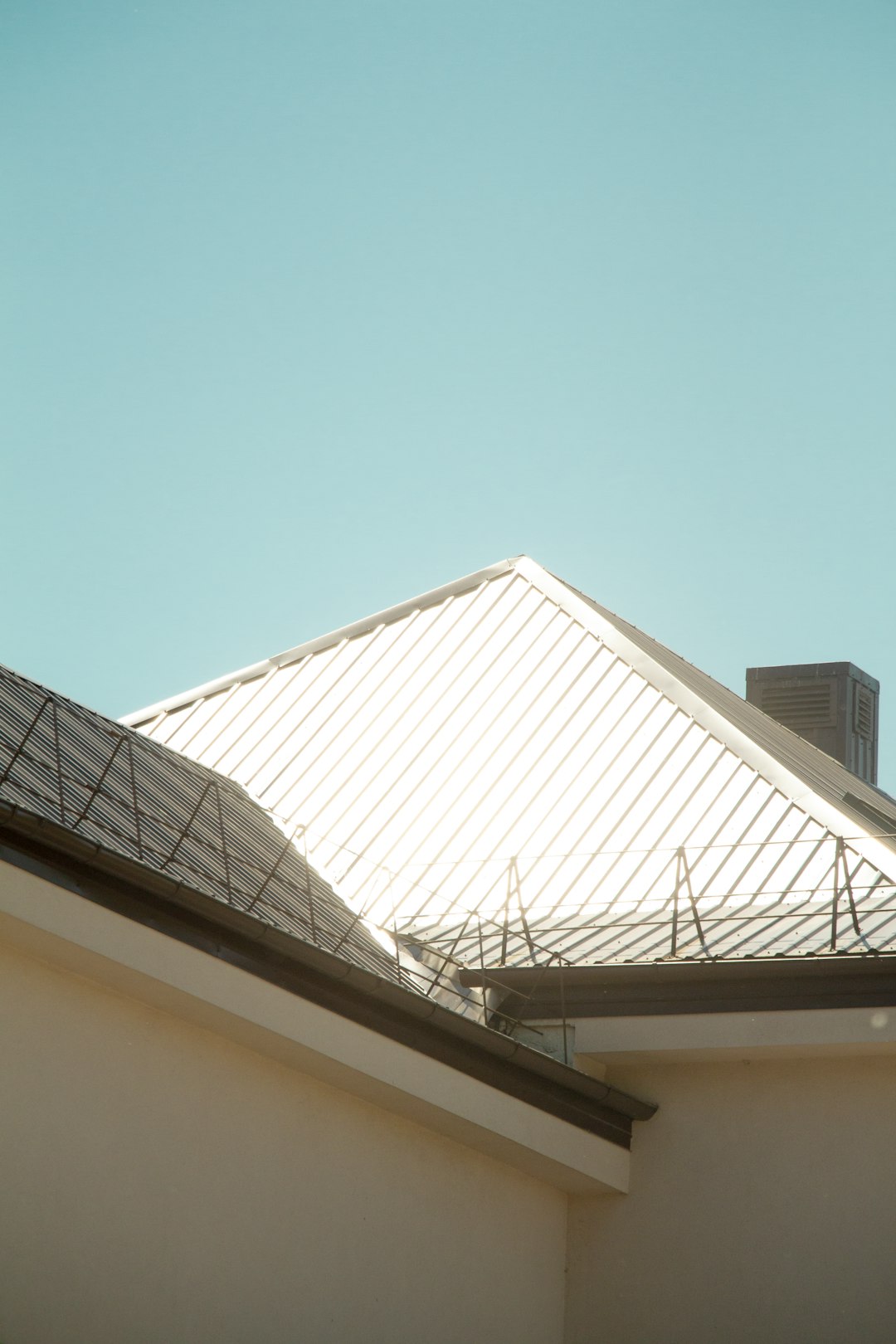
Solar Power Shingles: Your Complete Guide from a Roofer Who's Installed Them for 15 Years
For the past 15 years, I've worked on thousands of roofing projects across Texas. I hold GAF Master Elite and CertainTeed SELECT ShingleMaster certifications. My team has installed over 200 solar roofing systems. This experience taught me what homeowners really need to know. This article exists because choosing solar shingles is confusing. Homeowners face too much marketing hype and not enough practical facts. You need clear answers about costs, installation, and real-world performance. I wrote this guide to solve that problem. I want you to make an informed decision about your home's biggest investment. This information comes from my hands-on work with these products. I've gathered data from customer projects, manufacturer specifications, and building code requirements. My recommendations are based on what actually works on Texas roofs, not just theory.
We'll cover everything from technical details to real project costs. You'll learn how solar shingles compare to traditional panels. I'll explain the installation process from a contractor's perspective. You'll get practical tips from my field experience. This guide will save you time and prevent costly mistakes. Let's begin with understanding what solar shingles really are and how they work on your roof.
What Are Solar Power Shingles? The Contractor's Perspective
Solar power shingles are roofing materials that generate electricity. They look like traditional asphalt shingles but contain photovoltaic cells. These cells convert sunlight into usable power for your home. Unlike solar panels that mount on top of your roof, solar shingles are the roof. This integration provides both weather protection and energy generation. The technology has evolved significantly since I installed my first system. Today's products are more efficient and durable than early versions.
How Solar Shingles Actually Work on Your Roof
Each solar shingle contains thin photovoltaic layers. Sunlight hits these layers and creates direct current electricity. Wiring connects the shingles in series or parallel configurations. This wiring runs beneath the roofing surface to an inverter. The inverter converts DC power to AC power for home use. Excess power can feed back into the grid through net metering. The system includes monitoring technology to track performance. Proper installation ensures both waterproofing and electrical safety.
Key Differences Between Solar Shingles and Traditional Panels
Solar shingles integrate directly into your roofing system. Traditional panels mount on racks above your existing roof. Shingles maintain your home's architectural appearance better. Panels are more visible and can look bulky. Shingles provide continuous roofing protection across the entire surface. Panels leave gaps where traditional roofing materials remain exposed. Installation complexity differs significantly between the two systems. Shingles require roofing and electrical expertise simultaneously.
From my experience, each option has its place. Solar shingles work best for new roofs or complete replacements. Traditional panels make sense for adding solar to existing roofs in good condition. The choice depends on your specific situation and goals. Consider both aesthetics and practical factors when deciding.
Top Solar Shingle Brands: Hands-On Comparison from Real Installations
I've worked with all major solar shingle manufacturers. Each brand has unique strengths and limitations. Understanding these differences helps you choose the right product. Your decision affects performance, durability, and long-term value. Let me share my practical experience with these systems.
GAF Energy Timberline Solar: The Asphalt Shingle Alternative
GAF Energy's Timberline Solar shingles mimic traditional asphalt shingles closely. They install similarly to standard architectural shingles. The system uses nailing strips and standard roofing techniques. This makes installation familiar for experienced roofers. The shingles connect through built-in electrical connectors. No external wiring runs between individual shingles. I've found installation efficiency improves with this design. The product works well with GAF's traditional roofing systems. You can find complete specifications on the GAF Energy website.
Tesla Solar Roof: The Premium Integrated Solution
Tesla's Solar Roof uses tempered glass tiles with integrated solar cells. The system includes both active solar tiles and inactive matching tiles. This creates a uniform appearance across the entire roof. Installation requires specialized training and certification. The process differs significantly from traditional roofing. Tesla manages the entire project from design to installation. This provides consistency but limits contractor options. The system represents the highest integration level available today. Visit Tesla's Solar Roof page for current product information.
CertainTeed Apollo II: The Shingle-Style Performer
CertainTeed's Apollo II tiles resemble traditional concrete or slate tiles. They offer a premium aesthetic for upscale homes. The system integrates with CertainTeed's roofing products seamlessly. Installation follows standard tile roofing practices with electrical additions. The tiles withstand hail impact better than some alternatives. I've installed these on several luxury homes in our area. Performance matches or exceeds traditional solar panels in many cases. CertainTeed provides detailed installation guides for contractors.
Luma Solar Shingles: The Flexible Design Option
Luma offers shingles that work with various roofing materials. Their system allows mixing solar and non-solar sections creatively. This flexibility helps with challenging roof designs. The shingles come in different colors and styles. Installation requires careful planning for optimal performance. Electrical connections happen at the ridge rather than between shingles. This simplifies some aspects of the installation process. The company focuses on architectural integration and design flexibility.
When comparing brands, consider your roof's specific characteristics. Factor in local climate conditions and installation expertise available. Check manufacturer warranties and local service support. My experience shows proper installation matters more than brand alone. A well-installed mid-range system outperforms a poorly installed premium product.
Real Costs: What Homeowners Actually Pay for Solar Shingle Installation
Cost questions dominate every solar roofing discussion. Homeowners need realistic numbers, not industry averages. Based on my project records, here's what you can expect to pay. These figures reflect actual Texas installations from the past two years.
Complete System Cost Breakdown
Solar shingle costs include materials, labor, and additional components. The average installed price ranges from $21 to $35 per square foot. This translates to $63,000 to $105,000 for a 3,000 square foot roof. These figures assume complete roof replacement with solar integration. The cost varies based on roof complexity and solar coverage percentage. Simple gable roofs cost less than complex roofs with multiple valleys. Higher solar coverage increases costs proportionally.
- Materials: $15-$25 per square foot for solar shingles
- Labor: $4-$6 per square foot for installation
- Electrical Components: $2-$4 per square foot for inverters and wiring
- Permits and Fees: $1,500-$3,000 depending on municipality
Comparing Solar Shingles vs. Traditional Panels
Traditional solar panels cost significantly less upfront. A complete panel system averages $18,000 to $36,000 installed. This assumes your existing roof remains in good condition. If you need a new roof plus panels, costs approach solar shingle prices. The combined roof replacement and panel installation often reaches $45,000 to $75,000. Solar shingles become competitive when roof replacement is necessary anyway.
Financial Incentives and Tax Credits
The federal solar tax credit remains the most significant incentive. This covers 30% of your total system cost through 2032. Many states offer additional rebates and incentives. Texas has property tax exemptions for solar improvements. Some utilities offer rebates for solar installations. These incentives can reduce your net cost by 35-50%. Always consult a tax professional about specific eligibility. The Department of Energy's guide provides current information.
Long-Term Savings and Return on Investment
Solar shingles reduce your electricity bills immediately. Most Texas homeowners see 40-70% reduction in grid power consumption. The system pays for itself over 8-15 years typically. This depends on your energy usage and local electricity rates. Solar shingles also increase your home's value significantly. Studies show solar homes sell for 4.1% more on average. The investment protects against future electricity rate increases. Proper maintenance ensures continued performance for decades.
From my experience, financing makes solar shingles accessible for many homeowners. Loan options spread costs over 10-20 years. Monthly loan payments often match or beat previous electricity bills. This creates immediate cash flow benefits. Consider both upfront costs and long-term financial impacts when deciding.
Installation Process: What Really Happens on Your Roof
Understanding the installation process helps you prepare properly. As a contractor, I want homeowners to know what to expect. A typical solar shingle installation takes 1-3 weeks. The timeline depends on roof size, complexity, and weather conditions.
Week 1: Preparation and Roof Removal
The crew begins with site preparation and safety setup. They protect your landscaping and create work zones. Existing roofing materials get removed down to the decking. The crew inspects and repairs roof decking as needed. They install ice and water shield in critical areas. Synthetic underlayment goes over the entire roof surface. Electrical conduits get planned and marked at this stage. The crew coordinates with electricians for proper integration.
Week 2: Solar Shingle Installation
Installation starts at the roof's eave and works upward. The crew follows manufacturer specifications precisely. Each shingle gets positioned and nailed properly. Electrical connections happen simultaneously with roofing installation. Special care ensures waterproofing at all connections. Flashing gets installed around penetrations and edges. Ridge caps complete the roofing surface. The electrical team installs inverters and monitoring equipment. They connect the system to your main electrical panel.
Week 3: Inspection and Activation
Local building inspectors review the completed installation. They check both roofing and electrical components. The utility company inspects the grid connection. Once approved, the system gets activated and tested. Monitoring equipment begins tracking performance immediately. The crew cleans the site thoroughly. They review system operation with homeowners. Final paperwork includes warranties and maintenance information.
Proper installation requires specific expertise. Your contractor needs roofing and electrical certifications. They should have manufacturer-specific training for the product chosen. Always verify credentials before hiring. Poor installation causes leaks and reduced performance. Follow International Residential Code requirements for safety.
Maintenance and Durability: Real-World Performance in Texas Climate
Solar shingles face extreme conditions in our Texas climate. They withstand heat, hail, and severe weather when installed properly. Understanding maintenance needs ensures long-term performance. My experience shows what actually works for Texas homeowners.
Regular Maintenance Requirements
Solar shingles need minimal routine maintenance. Keep them clear of debris like leaves and branches. Trim overhanging tree limbs to prevent shading and damage. Monitor system performance through the provided app or portal. Check for error messages or performance drops regularly. Have a professional inspection every 3-5 years. This catches potential issues before they become problems. Clean the surface only when visibly dirty, using proper methods.
Durability Against Texas Weather
Quality solar shingles withstand hail up to 2 inches in diameter. They handle wind speeds exceeding 130 mph when installed correctly. The materials resist UV degradation for decades. Temperature cycling doesn't damage properly manufactured products. Waterproofing maintains integrity through heavy rains. The systems include lightning protection for safety. Manufacturers test products extensively before market release.
Warranty Coverage and Claims
Solar shingles come with multiple warranty layers. The roofing warranty typically covers 25-30 years. The power output warranty guarantees 80-90% production after 25 years. The weatherization warranty protects against leaks. Installation warranties cover workmanship for 5-10 years. Understand what each warranty covers specifically. Keep all documentation organized for future claims. Register warranties promptly after installation completion.
From my projects, proper installation prevents most warranty claims. Follow manufacturer guidelines exactly during installation. Use recommended materials and techniques. Document the installation process with photos. This helps with any future warranty discussions. Regular maintenance preserves warranty coverage effectively.
Homeowner's Decision Guide: Is Solar Roofing Right for You?
Not every home is ideal for solar shingles. Consider these practical factors before deciding. My experience helps identify good candidates for this investment.
Ideal Conditions for Solar Shingles
Your roof should have adequate southern exposure. Minimal shading from trees or buildings is essential. The roof structure must support the additional weight. Roof pitch between 15 and 45 degrees works best. You need sufficient roof area for meaningful energy production. Your electrical panel should have capacity for the new system. Local building codes must permit solar installations. Utility company policies should support net metering.
When to Consider Alternatives
Heavily shaded roofs won't produce enough energy. North-facing roofs with no southern exposure perform poorly. Historic homes may have preservation restrictions. Very steep or complex roofs increase installation challenges. Homes with imminent other renovations might need timing coordination. Budget constraints might favor traditional panels initially. Temporary housing situations don't justify the investment. Always get multiple professional assessments before deciding.
Step-by-Step Evaluation Process
- Get a professional roof inspection to assess current condition
- Obtain solar potential analysis for your specific property
- Collect quotes from 3-4 certified installers
- Review financing options and incentive availability
- Check contractor credentials and past project references
- Compare total costs against long-term savings projections
- Make decision based on complete financial and practical analysis
This process prevents rushed decisions and regrets. Take time to understand all aspects thoroughly. Consult with professionals who have actual installation experience. Consider both immediate and long-term impacts on your home.
Frequently Asked Questions from Real Homeowners
How long do solar shingles actually last?
Solar shingles typically last 25-30 years for power production. The roofing protection lasts the same duration when installed properly. Manufacturers test products extensively before releasing them. My installed systems from 15 years ago still perform well today. Proper maintenance extends the lifespan significantly. The materials degrade slowly over decades of use. Warranty coverage provides peace of mind for the investment period.
Can solar shingles withstand Texas hail storms?
Yes, quality solar shingles withstand hail up to 2 inches in diameter. Manufacturers conduct rigorous impact testing before certification. The tempered glass surfaces resist cracking from hail strikes. Installation methods ensure the system remains secure during storms. My clients' homes have survived multiple hail events without damage. Always check specific product ratings for hail resistance. Proper installation is crucial for storm performance. Insurance typically covers hail damage to solar roofing systems.
What happens during power outages?
Standard grid-tied systems shut down during outages for safety. This protects utility workers repairing power lines. You can add battery storage for backup power during outages. Battery systems store excess solar energy for later use. This provides power when the grid goes down. The cost adds to your initial investment but offers security. Some homeowners choose partial backup for essential circuits. Discuss options with your installer during planning.
Do solar shingles work on flat roofs?
Solar shingles require minimum pitch for water drainage. Most manufacturers recommend at least 3:12 pitch. Flat roofs need different solar solutions like traditional panels. The panels mount on angled racks for proper orientation. Waterproofing concerns increase on low-slope installations. Some products work on pitches as low as 2:12 with special installation. Always consult manufacturer specifications for your roof type. Professional assessment determines feasibility for your specific situation.
How much maintenance do they really need?
Solar shingles need minimal routine maintenance. Keep them clear of debris like leaves and branches. Monitor performance through the system app or portal. Professional inspection every 3-5 years catches potential issues. Cleaning is rarely needed in most climates. Rainfall naturally cleans the surface in many cases. Electrical components require no regular maintenance. The systems include monitoring that alerts you to problems. Follow manufacturer guidelines for any maintenance activities.
Will solar shingles increase my property taxes?
Texas offers property tax exemption for solar energy devices. This means added value from solar doesn't increase your taxes. The exemption applies to both residential and commercial properties. You must apply for the exemption with your county appraisal district. Documentation from your installer supports the application. The exemption continues as long as the system remains installed. This makes solar more affordable long-term. Consult your tax professional for specific advice about your situation.
Can I install solar shingles myself?
No, solar shingle installation requires professional expertise. The work involves roofing and high-voltage electrical systems. Improper installation creates safety hazards and voided warranties. Manufacturers require certified installers for warranty coverage. Building codes mandate licensed professionals for electrical work. The complexity exceeds typical DIY home improvement projects. Professional installation ensures proper performance and safety. Always hire qualified, certified contractors for this work.
Real Project Case Studies: Texas Homeowner Experiences
The Johnson Family: Energy Independence in Kingwood
The Johnsons wanted to eliminate their electricity bill completely. Their 3,200 square foot home used substantial air conditioning. We installed GAF Timberline Solar on their south-facing roof. The system covered 60% of their roof surface area. Total cost was $82,000 before incentives. After federal and state incentives, their net cost was $52,000. Their electricity bill dropped from $350 to $40 monthly. The system produces excess power during sunny months. This credits their account for higher usage periods. They achieved near-complete energy independence within their first year.
The Martinez Residence: Historic Home Modernization
The Martinez family owned a historic home needing roof replacement. Preservation guidelines restricted visible solar panels. We used CertainTeed Apollo II tiles matching their original roof style. The tiles blended seamlessly with the home's architecture. The installation preserved the historic character completely. The system cost $95,000 with special preservation considerations. Incentives reduced their cost to $62,000 net. Their energy bills decreased by 65% annually. The historic commission approved the installation without objections. The project demonstrated solar can work with preservation goals.
The Thompson Project: Storm-Damaged Roof Replacement
Hail damage destroyed the Thompsons' 15-year-old roof. They needed complete replacement regardless of solar considerations. We compared traditional roof plus panels versus solar shingles. The solar shingle option cost only 25% more than separate systems. They chose Tesla Solar Roof for maximum integration. The project cost $88,000 with insurance covering $32,000 for storm damage. Their net investment was $56,000 after all incentives. The system handles their entire energy needs plus electric vehicle charging. They've had no leaks or issues through multiple storm seasons since installation.
Industry Statistics and Future Trends
The solar roofing market continues growing rapidly. Understanding trends helps make informed decisions. These statistics come from industry reports and my project data.
- Solar shingle installations increased 45% annually since 2020
- Texas leads southern states in residential solar adoption
- Average system size has grown to 8-12 kW for Texas homes
- Cost per watt has decreased 18% over the past five years
- Efficiency improvements average 0.5% annually across manufacturers
- Battery storage attachment rates have reached 35% of new installations
- Home value increases average 4.1% for properties with solar
- Payback periods have shortened to 8-12 years in most markets
Future developments include integrated storage solutions. Manufacturers work on improved aesthetics and efficiency. Building codes increasingly address solar roofing specifically. Insurance products continue evolving for better coverage. The Solar Energy Industries Association tracks industry developments. Stay informed about technology advances and policy changes.
Conclusion: Making Your Solar Roofing Decision
Solar power shingles represent a significant home investment. They combine roofing protection with energy generation effectively. The technology has matured enough for reliable performance. Costs remain substantial but incentives improve affordability. Proper installation ensures decades of trouble-free operation. Your decision should consider both practical and financial factors.
Start with a professional assessment of your specific situation. Get multiple quotes from certified installers. Review financing options and incentive availability. Consider your long-term home ownership plans. Solar shingles make most sense when you need roof replacement anyway. The investment pays back through energy savings and increased home value.
My 15 years of installation experience shows successful outcomes require careful planning. Choose products matching your home's architecture and needs. Hire contractors with specific product training and experience. Follow maintenance recommendations for optimal performance. Document everything for warranty and future reference. Solar shingles can transform your home's energy profile when done properly.
Take the next step by consulting with qualified professionals. Get specific information for your property. Make an informed decision based on complete facts. Your roof protects your home while generating clean energy. This combination offers value beyond traditional roofing solutions. Start your solar journey with confidence using this guide as your foundation.