
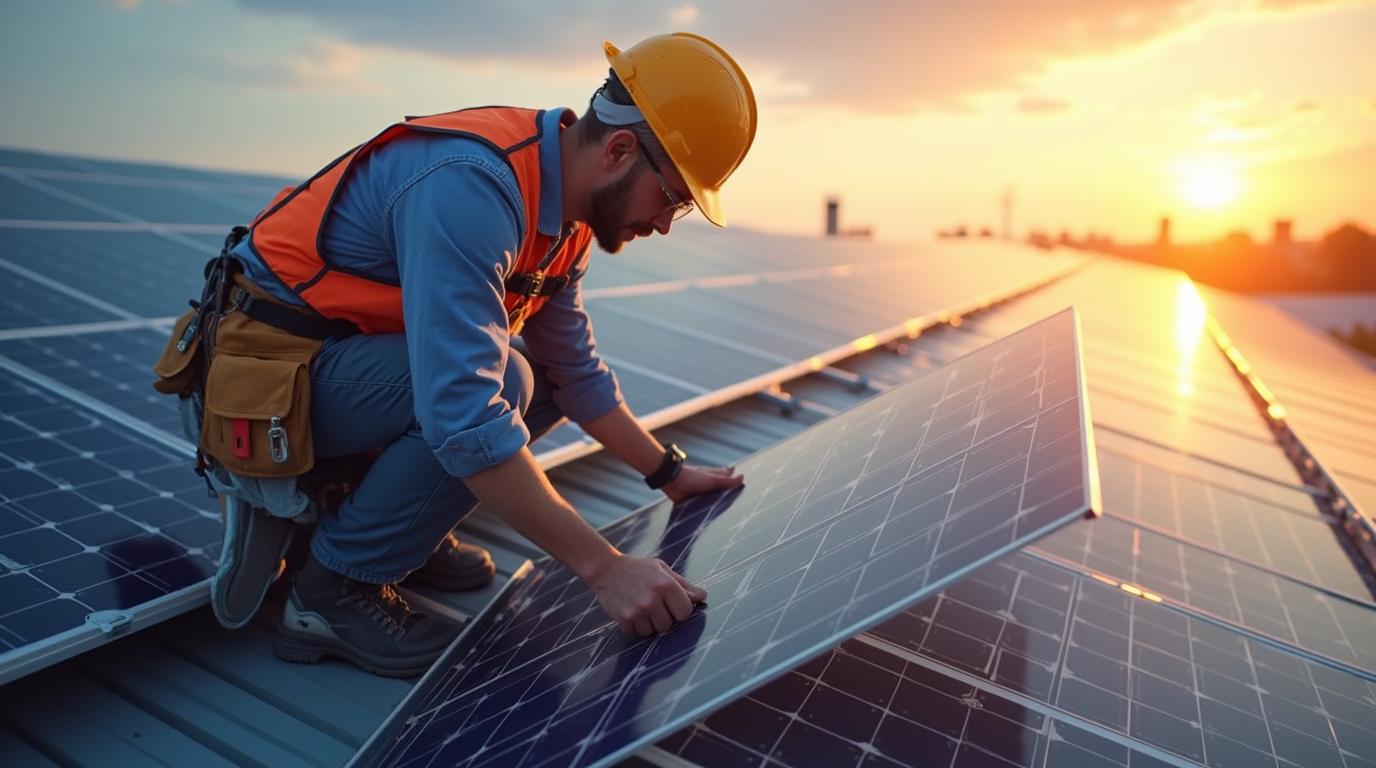
Solar Panels on Truss Roof: A Roofer's 15-Year Guide to Doing It Right
I've spent over fifteen years installing and repairing roofs across Texas. I've handled thousands of projects, from simple shingle replacements to complex solar integrations. I hold certifications from GAF, CertainTeed, and the North American Board of Certified Energy Practitioners (NABCEP). This article exists because I've seen too many homeowners make costly mistakes with solar installations. They get excited about energy savings but forget about their roof's health. This guide answers your real questions. It helps you avoid leaks, structural issues, and wasted money. You will learn how to combine solar power with a durable, long-lasting roof.
The information here comes from my hands-on work on hundreds of solar-ready roofs. I've gathered data from manufacturer specifications, local building codes, and real customer projects. My recommendations are based on what actually works in the field, not just theory. I will explain the methodology behind each suggestion. This transparency is crucial for your trust and your home's safety. My goal is to save you time, stress, and money by providing clear, expert advice from a contractor's perspective.
Understanding Your Truss Roof Structure
A truss roof is a prefabricated framework. It uses triangular shapes for strength and stability. This design is common in modern homes built after the 1960s. Trusses are engineered to support specific loads, like shingles and weather. Adding solar panels introduces a new, permanent load. You must understand this structure before adding anything to it.
How Trusses Differ from Traditional Rafters
Traditional rafters are cut and assembled on-site. They rely on interior walls for support. Trusses are built in a factory. They are delivered as a complete unit. Trusses span from one exterior wall to another. They do not typically need interior bearing walls. This design is efficient but less flexible. You cannot cut or modify trusses without an engineer's approval. Doing so can compromise your home's entire structure.
Critical Load-Bearing Points for Solar Mounts
Solar panel mounts must attach to the strongest parts of the truss. This is usually where the web members meet the top chord. The top chord is the sloping beam you see in the attic. Mounting hardware should always screw into the solid wood, not just the roof sheathing. A proper installation locates the trusses precisely. Professionals use stud finders and sometimes small exploratory holes. Never guess the location. Hitting the wrong spot can weaken the roof deck.
Essential Pre-Installation Roof Assessment
Never install solar panels on a failing roof. The assessment is the most important step. It determines if your roof is a good candidate. A qualified roofing contractor should perform this inspection. They will look for signs of age, damage, and structural integrity.
Evaluating Roof Age and Condition
Check your roof's age first. Most asphalt shingle roofs last 20-25 years. If your roof is 15 years old, you face a dilemma. The solar system will last 25-30 years. You do not want to remove the panels for a re-roof in just 10 years. It adds significant cost and complexity. Inspect for curling, cracking, or missing shingles. Look for granule loss in gutters. These are signs the roof is nearing its end. A strong, newer roof is the ideal foundation for solar.
Identifying and Repairing Existing Damage
Look for water stains on attic sheathing. Feel for soft, spongy spots on the roof deck. These indicate past or active leaks. All damage must be repaired before solar installation. The mounting process will involve drilling hundreds of holes. You cannot drill into compromised wood. Any repair should match the existing roof's strength. The National Roofing Contractors Association (NRCA) provides detailed repair guidelines. Following these ensures your roof remains watertight.
Verifying Structural Integrity with an Engineer
This is non-negotiable for truss roofs. A licensed structural engineer must review your plans. They will calculate the "dead load" (weight of panels and racking) and "live load" (snow, wind, maintenance weight). They will check if your trusses can handle the extra stress. The engineer provides a stamped letter of approval. This document is often required for your building permit. It also protects you from future liability. Do not skip this step to save money.
Choosing the Right Solar Mounting System
The mounting system attaches the panels to your roof. It is the critical link between the solar array and your home. There are several types. The right choice depends on your roof material, slope, and local climate.
Rail-Based vs. Rail-Free Systems
Rail-based systems are the traditional choice. Long aluminum rails run parallel to the roof. The panels clamp onto these rails. This system allows for adjustment and is very versatile. Rail-free systems attach panels directly to roof-mounted feet. They have a lower profile and can be faster to install. Rail-free systems may use less metal, reducing weight. Both systems are effective when installed correctly. Brands like IronRidge and Unirac are industry leaders.
Flashing and Waterproofing Integration
This is where roofing expertise is vital. Every hole drilled for a mounting foot is a potential leak. High-quality flashing is essential. The best systems use integrated flashing. The mounting foot has a built-in, watertight flange. It sits under the shingles above it. This creates a shingle-over-flashing overlap, just like a chimney or vent. Never rely on sealant alone. Sealant can dry, crack, and fail over time. Proper flashing directs water away from the penetration. It is a permanent part of your roof's drainage plane.
The Step-by-Step Installation Process
A proper installation follows a meticulous sequence. Rushing leads to mistakes. Here is the process my crews use, based on proven field methods.
Step 1: Layout and Truss Mapping
First, we create a detailed plan on paper. We mark the exact location of every truss from inside the attic. We then transfer these marks to the roof exterior. We use chalk lines to map the entire array's footprint. This ensures every mounting foot lands on solid wood. We double-check measurements before any drilling begins.
Step 2: Installing Mounting Feet and Flashing
We drill pilot holes at each marked location. We then apply a thick bead of roofing sealant, like Henry's 208 or equivalent. We set the mounting foot with its integrated flashing. We drive the lag bolt through the flashing and into the truss. We tighten it to the manufacturer's specified torque. Over-tightening can crush the shingles and wood. Under-tightening leaves it loose. We then secure the flashing by nailing or sealing its top edge under the shingle course above.
Step 3: Attaching Rails and Solar Panels
Once all feet are secure, we attach the aluminum rails. We level and secure them to the feet. Next, we carefully lift the panels onto the rails. We use specialized clamps to secure the panels without drilling into them. We connect the panels with pre-wired MC4 connectors. All wiring is run neatly along the rails and down to the roof's edge.
Step 4: Final Electrical and Roofing Inspection
A licensed electrician makes the final connection to your home's electrical panel. After the system is live, we perform a final roofing inspection. We check every flashing for proper sealing. We clean the roof of all debris. We also inspect the attic for any signs of dust or wood shavings that might indicate a drilling error.
Cost Analysis and Real Project Examples
Costs vary widely. Understanding the breakdown helps you budget and avoid surprises.
Breaking Down the Total Investment
- Solar Panels & Inverter: This is the largest cost, typically 50-60% of the total. Panel efficiency and brand affect price.
- Mounting Hardware & Racking: About 10-15% of the cost. High-quality, corrosion-resistant aluminum is standard.
- Labor (Installation): Usually 15-20%. This includes both roofers and electricians.
- Roof Preparation & Repairs: A variable cost. If your roof needs work, this can add $5,000 to $15,000.
- Permits, Engineering, & Inspection: Often 5-10%. This includes the city permit fees and the structural engineer's report.
Case Study: The Johnson Home in Kingwood
The Johnsons had a 12-year-old architectural shingle roof on trusses. They wanted a 7kW system. Our assessment found the roof in good condition but with minor storm damage on one slope. We repaired 4 damaged shingles and replaced a section of decking. The structural engineer approved the trusses for the added load. Total project cost was $21,500 before incentives. This included $2,800 for roof repair and reinforcement. After the 30% federal tax credit, their net cost was about $15,000. Their electric bill dropped by 85%, providing a payback period of roughly 9 years.
Understanding Incentives and Tax Credits
The federal solar Investment Tax Credit (ITC) is a major benefit. It allows you to deduct 30% of the system's cost from your federal taxes. This includes the cost of the panels, racking, labor, and even necessary roof repairs. Some states and utilities offer additional rebates. Always check the Database of State Incentives for Renewables & Efficiency (DSIRE) for current programs. These incentives significantly improve the financial return.
Long-Term Maintenance and Warranty Considerations
Your roof and solar system need ongoing care. A maintenance plan prevents small issues from becoming big problems.
Roof and Solar Panel Maintenance Schedule
- Bi-Annual Visual Inspection: From the ground, look for cracked panels, loose wiring, or debris buildup.
- Annual Professional Inspection: Have a roofer check the flashing and sealant. Have a solar technician check system performance.
- Keep It Clean: In dusty areas, panels may need occasional rinsing with a garden hose. Never use a pressure washer.
- Trim Nearby Trees: Prevent branches from rubbing on panels or the roof.
Navigating Overlapping Warranties
You will have multiple warranties. Understanding them is key.
- Panel Performance Warranty: Often 25 years, guaranteeing a certain power output.
- Inverter Warranty: Typically 10-15 years.
- Racking Warranty: Usually 20-25 years against corrosion and failure.
- Roofing Workmanship Warranty: From your roofing contractor, covering leaks related to their installation (e.g., flashing).
- Roof Material Warranty: From the shingle manufacturer (e.g., GAF or CertainTeed).
If a leak occurs, you must determine the cause. Was it the flashing (roofer's warranty) or a shingle defect (manufacturer's warranty)? Clear documentation from the installation helps resolve these claims.
Frequently Asked Questions from Homeowners
Will solar panels void my roof warranty?
They can if not installed properly. Most major shingle manufacturers have specific installation requirements for solar attachments. You must use an approved mounting system and follow their guidelines. The installer should be a certified contractor. Always provide your roof warranty details to your solar installer. Get written confirmation that their method complies with it.
Can my old truss roof support solar panels?
Maybe, but you need an engineer to say yes. Age alone is not the only factor. The engineer will assess the wood's condition, the original design loads, and any prior modifications. Many older trusses are over-engineered and can handle the extra weight. The only way to know for sure is with a professional evaluation. Do not rely on a solar salesperson's guess.
What happens if I need to re-roof with solar panels?
It is expensive and complex. The solar system must be completely removed and then reinstalled. This can cost $5,000 to $10,000 in additional labor. This is why installing solar on a new or nearly new roof is the most cost-effective strategy. Plan your roof's life cycle alongside your solar investment.
How do solar panels affect roof ventilation?
They can restrict airflow if placed incorrectly. Solar panels should be mounted with a gap (several inches) between them and the roof surface. This allows air to flow underneath, cooling the roof and the panels. Blocking ridge vents or soffit vents can trap heat and moisture in your attic. A good installer will design the layout to maintain proper ventilation as per the International Residential Code (IRC).
Are there insurance implications?
Yes, you must notify your homeowner's insurance company. The solar system becomes a permanent attachment to your home, increasing its value. Your policy's dwelling coverage may need to be adjusted. Most insurers cover solar panels, but some may charge a small premium increase. Provide them with the installation details and warranties.
Conclusion: Your Path to a Smart Solar Roof
Adding solar panels to a truss roof is a significant home improvement. It requires careful planning and expert execution. The key is to treat it as a roofing project first and an energy project second. Start with a thorough roof assessment by a qualified contractor. Involve a structural engineer to ensure safety. Choose high-quality mounting hardware with integrated flashing. Understand the full cost, including necessary roof repairs. Finally, maintain both systems with regular inspections.
This investment can provide decades of clean energy and lower bills. It also increases your home's value. By following the steps outlined from real field experience, you can avoid common pitfalls. You can achieve a durable, leak-free roof that powers your home. Your next step is to find a local, certified roofing contractor with specific experience in solar integrations. Ask for references and photos of their previous work. A proper installation is the foundation for a successful solar future.