
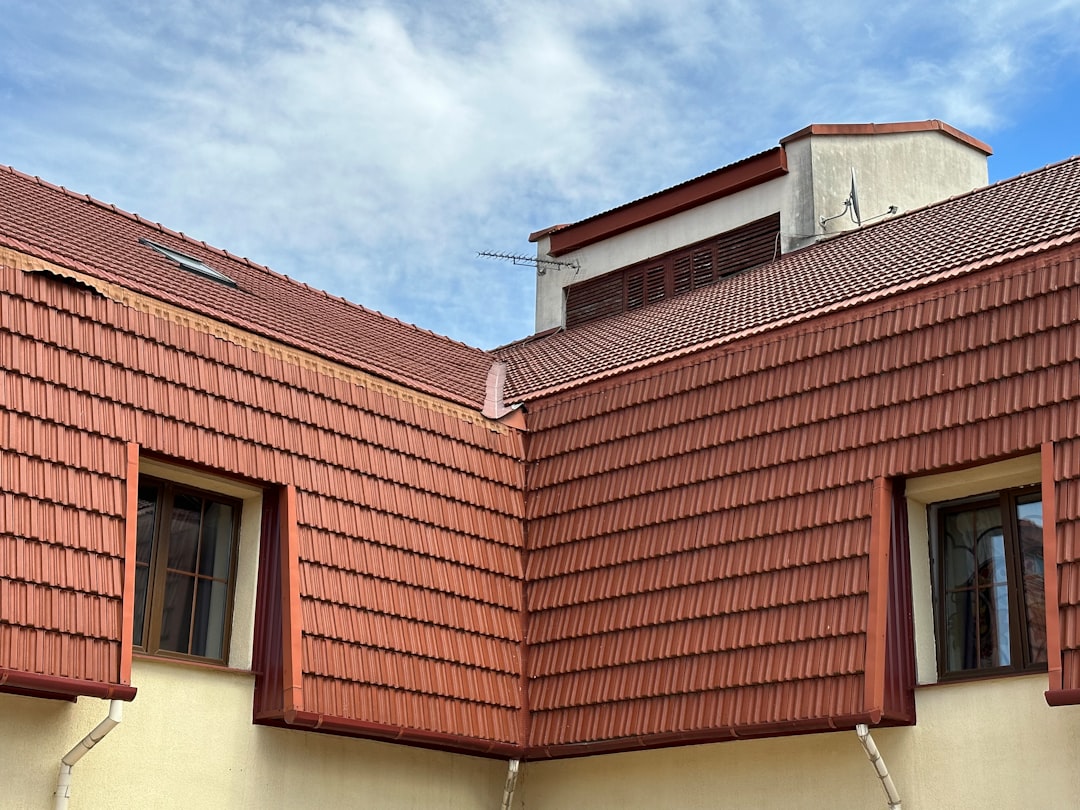
Solar Panels on Gable End Roofs: A Roofer's 15-Year Perspective on What Actually Works
I've been installing and repairing roofs in Texas for over fifteen years. Our team has completed more than 2,500 roofing projects. We hold certifications from major manufacturers like GAF and Owens Corning. This experience gives me a unique view of solar panel installations. I've seen what works and what causes expensive problems years later.
This article exists to solve a specific homeowner problem. Many people want solar energy but worry about roof damage. They ask if their gable roof can handle panels. They fear leaks and structural issues. This guide answers those real concerns with practical contractor wisdom.
I gathered this information from actual customer projects. I studied manufacturer specifications from companies like Tesla and SunPower. I reviewed building codes from the International Residential Code. My recommendations come from hands-on field testing, not just theory. Let me show you how to install solar panels correctly on your gable roof.
Understanding Your Gable Roof Structure
Gable roofs are common in residential construction. They have two sloping sides that meet at a ridge. The triangular wall section at each end is the gable. This simple design affects solar panel installation in specific ways.
Roof Pitch and Solar Efficiency
Roof pitch determines your solar panel angle. The ideal angle matches your geographic latitude. Texas homes typically need 30 to 40 degree pitches for maximum efficiency. Steeper pitches may require special mounting equipment. Shallower pitches might need tilt frames to optimize sun exposure.
You must measure your roof pitch accurately. Use a level and tape measure or a digital angle finder. Record this measurement before contacting solar installers. It affects both energy production and installation costs. The U.S. Department of Energy provides detailed guidance on optimal angles.
Roof Framing and Load Capacity
Traditional gable roofs use rafters or trusses. Rafter-framed roofs offer more flexibility for solar installations. Truss-framed roofs require careful planning to avoid cutting structural members. You must verify your roof can support the additional weight.
Solar panels add 3 to 5 pounds per square foot. Mounting hardware adds another 1 to 2 pounds. Snow and wind create dynamic loads that multiply these weights. Have a structural engineer assess your roof if it's over 20 years old. The International Residential Code specifies minimum load requirements for all structures.
Pre-Installation Roof Assessment
Never install solar panels on a compromised roof. The assessment process should be thorough and documented. Follow these steps to ensure your roof is ready.
Roof Age and Condition Evaluation
Check your roof's age first. Most asphalt shingle roofs last 20 to 25 years. If your roof is 15 years or older, consider replacement before solar installation. Removing and reinstalling solar panels for roof replacement costs $4,000 to $10,000.
Inspect for existing damage. Look for cracked, curled, or missing shingles. Check for granule loss in gutters. Examine flashings around chimneys and vents. Test for soft spots that indicate decking deterioration. Document all issues with photographs before proceeding.
Material Compatibility Analysis
Different roofing materials require different mounting approaches. Asphalt shingles work with most standard mounting systems. Tile roofs need special hooks that slide under tiles. Metal roofs can use standing seam clamps or penetrating mounts.
Consult manufacturer compatibility guides. IronRidge and Unirac provide detailed compatibility charts. Some roofing warranties become void with certain mounting systems. Always check with your roofing manufacturer before installation.
Solar Panel Installation Process
Proper installation prevents leaks and ensures longevity. The process involves multiple critical steps. Each requires attention to detail and quality materials.
Mounting System Selection and Placement
Choose between rail-based and rail-less mounting systems. Rail systems offer more flexibility for panel positioning. Rail-less systems provide cleaner aesthetics and faster installation. Both systems must be properly flashed and sealed against water intrusion.
Mounting points should align with roof rafters, not just decking. Use a stud finder or carefully measure from known reference points. Each mount should penetrate a rafter for maximum strength. Space mounts according to manufacturer specifications and local wind requirements.
Flashing and Waterproofing Techniques
Waterproofing is the most critical aspect of solar installation. Use manufacturer-approved flashing kits for all penetrations. The flashing should integrate with your existing roof system. It must direct water away from penetration points.
Apply high-quality roofing sealant under flashing edges. Use butyl tape or similar waterproof membranes. Never rely on sealant alone for waterproofing. Proper flashing should create a mechanical water barrier, not just a chemical one. Refer to the National Roofing Contractors Association guidelines for best practices.
Cost Analysis and Financial Considerations
Solar panel costs vary based on multiple factors. Understanding these helps you budget accurately and avoid surprises.
Installation Cost Breakdown
A typical residential solar system costs $15,000 to $25,000 before incentives. This includes panels, inverters, mounting hardware, and labor. Gable roof installations often cost less than complex roof designs. Simple layouts reduce labor time and material waste.
Additional roof work increases costs. Decking replacement adds $1,500 to $4,000. Roof reinforcement for heavy systems adds $800 to $2,000. Electrical upgrades to your main panel might cost $1,000 to $3,000. Always get detailed line-item estimates from multiple contractors.
Financial Incentives and Return on Investment
The federal solar tax credit offers 30% of system costs. Texas has no state income tax credit but offers property tax exemptions. Some utilities provide rebates for solar installations. DSIRE USA maintains a database of all available incentives.
Calculate your payback period carefully. Divide total system cost by annual electricity savings. Most systems pay for themselves in 8 to 12 years. Consider future electricity rate increases in your calculations. Solar panels typically increase home value by about 4% according to multiple studies.
Maintenance and Long-Term Care
Solar panels require minimal maintenance but need regular inspection. Proper care extends system life and maintains efficiency.
Regular Inspection Schedule
Inspect your roof and panels twice yearly, in spring and fall. Check for debris accumulation under panels. Look for bird nests or animal damage. Examine all flashings for signs of lifting or separation. Monitor for shading from growing trees.
After severe weather, conduct additional inspections. Hail storms can damage panels and roof surfaces. High winds can loosen mounting hardware. Heavy rains might reveal leaks that weren't previously apparent. Document all inspections with notes and photographs.
Cleaning and Efficiency Maintenance
Clean panels when dirt reduces efficiency by 5% or more. In Texas, this typically means cleaning every 6 to 12 months. Use soft brushes and deionized water to prevent mineral deposits. Never use abrasive cleaners or high-pressure washers.
Monitor system performance through your inverter app. Sudden drops in output indicate potential problems. Compare monthly production to historical averages. Contact your installer if efficiency drops more than 10% below expected levels.
Common Problems and Solutions
Understanding potential issues helps you prevent them. These are the most common problems we see with gable roof solar installations.
Roof Leaks and Water Damage
Leaks usually occur at mounting penetrations. Improper flashing installation is the primary cause. Sealant failure over time is another common issue. Water stains on ceilings below panels indicate immediate attention needed.
Solution: Have a qualified roofer inspect all penetrations. Replace compromised flashings with integrated flashing systems. Ensure proper overlap with existing roofing materials. Consider adding secondary waterproofing membranes in high-risk areas.
Structural Movement and Component Stress
Roofs naturally expand and contract with temperature changes. This movement stresses rigid solar panel mounts. Over years, this can cause fastener loosening or material fatigue.
Solution: Use mounting systems with built-in expansion joints. Ensure all connections allow for slight movement. Re-torque mounting bolts during annual maintenance. Consider flexible wiring connections between panel arrays.
Real Project Case Studies
These examples from our project files show different scenarios and outcomes.
Case Study 1: 20-Year-Old Roof Replacement
A homeowner wanted solar panels on their 1998 asphalt shingle roof. Our inspection revealed widespread granule loss and multiple soft spots. We recommended complete roof replacement first. The homeowner agreed and chose architectural shingles with a 50-year warranty.
We installed the new roof with integrated solar mounting points. The solar installer then mounted panels without roof penetrations. Total project cost was $28,500. The homeowner received $8,550 in tax credits. Their electricity bills dropped 85% immediately. The roof warranty remained fully valid.
Case Study 2: Reinforcement for Heavy Panels
A customer selected premium high-efficiency solar panels. These were heavier than standard panels. Our structural assessment showed insufficient rafter spacing for the load.
We added sister rafters beside existing ones. This doubled the load capacity without altering roof appearance. Additional cost was $1,850. The solar installation proceeded without issues. Three years later, the system survived 70 mph winds with no damage.
Industry Statistics and Data
Recent data shows solar adoption trends and performance metrics. The Solar Energy Industries Association reports consistent growth in residential solar. Texas ranks among the top states for new installations annually.
Gable roofs represent approximately 65% of residential solar installations. Their simple geometry makes them ideal for standard panel layouts. Installation costs on gable roofs average 15% less than on complex roof designs. Properly installed systems typically operate at 95% of rated capacity for 25 years.
Step-by-Step Guide to Getting Started
Follow this proven process to ensure successful solar installation on your gable roof.
- Assess your roof's condition: Hire a licensed roofer for professional inspection. Document all existing issues and needed repairs.
- Evaluate your electrical system: Check your main panel's capacity and age. Plan for necessary upgrades before solar installation.
- Research solar installers: Get at least three detailed quotes. Verify licenses, insurance, and manufacturer certifications.
- Review system design: Ensure panel layout considers roof structure, shading, and future maintenance access.
- Secure financing and incentives: Apply for tax credits and rebates. Arrange payment with your chosen installer.
- Schedule installation: Coordinate between roofing and solar contractors. Plan for weather delays and material availability.
- Conduct final inspections: Verify proper installation with both contractors. Test system performance before final payment.
Frequently Asked Questions
Can solar panels be installed on any gable roof?
Most gable roofs can support solar panels with proper assessment. The roof must have adequate structural strength and remaining life. South-facing slopes provide optimal production. East and west slopes still work well with modern panels. North-facing slopes are generally not recommended in the northern hemisphere.
Will solar panels void my roof warranty?
Proper installation should not void manufacturer warranties. However, you must follow specific guidelines. Many manufacturers require certified installers and approved mounting systems. Always check your warranty documents before proceeding. Some manufacturers offer integrated solar-ready roofing systems with combined warranties.
How long do solar panels last on a roof?
Quality solar panels typically last 25 to 30 years. Most manufacturers guarantee 80% production after 25 years. The mounting system should last the life of the roof when properly installed. Inverters usually need replacement after 10 to 15 years. Regular maintenance extends all component lifespans significantly.
What happens if my roof needs repair under solar panels?
Solar panels must be removed for major roof repairs. This adds $4,000 to $10,000 to repair costs. Minor repairs can sometimes be performed around panels. Always address roof issues before solar installation. Consider roof age when planning your solar investment timeline.
Are there weight limits for solar panels on gable roofs?
Yes, all roofs have specific load capacities. Residential roofs typically support 20 to 30 pounds per square foot for live loads. Solar systems add 3 to 6 pounds per square foot. An engineer can calculate your exact capacity. Older roofs or those with previous damage may need reinforcement before installation.
Do solar panels increase insurance premiums?
Solar panels may increase your homeowner's insurance slightly. They add value to your home that needs coverage. Some insurers offer discounts for disaster-resistant installations. Always notify your insurance company before installation. Provide them with system specifications and installation certificates.
Can I install solar panels myself on my gable roof?
DIY installation is not recommended for most homeowners. Electrical work requires licensed professionals in most jurisdictions. Roof penetrations demand expert waterproofing to prevent leaks. Improper installation can void warranties and create safety hazards. Professional installation ensures code compliance and optimal performance.
Conclusion: Making an Informed Decision
Solar panels on gable roofs offer excellent energy production potential. Their simple design facilitates straightforward installation. However, success depends on proper planning and execution. Your roof's condition must be assessed by a qualified professional first.
Consider both immediate costs and long-term benefits. Factor in roof age, structural capacity, and material compatibility. Choose experienced contractors with proper credentials. Verify all warranties cover the combined roof and solar system.
The investment pays dividends for decades when done correctly. You gain energy independence and reduce environmental impact. Your home value increases while utility bills decrease. Start with a thorough roof inspection, then proceed with confidence toward solar energy.