
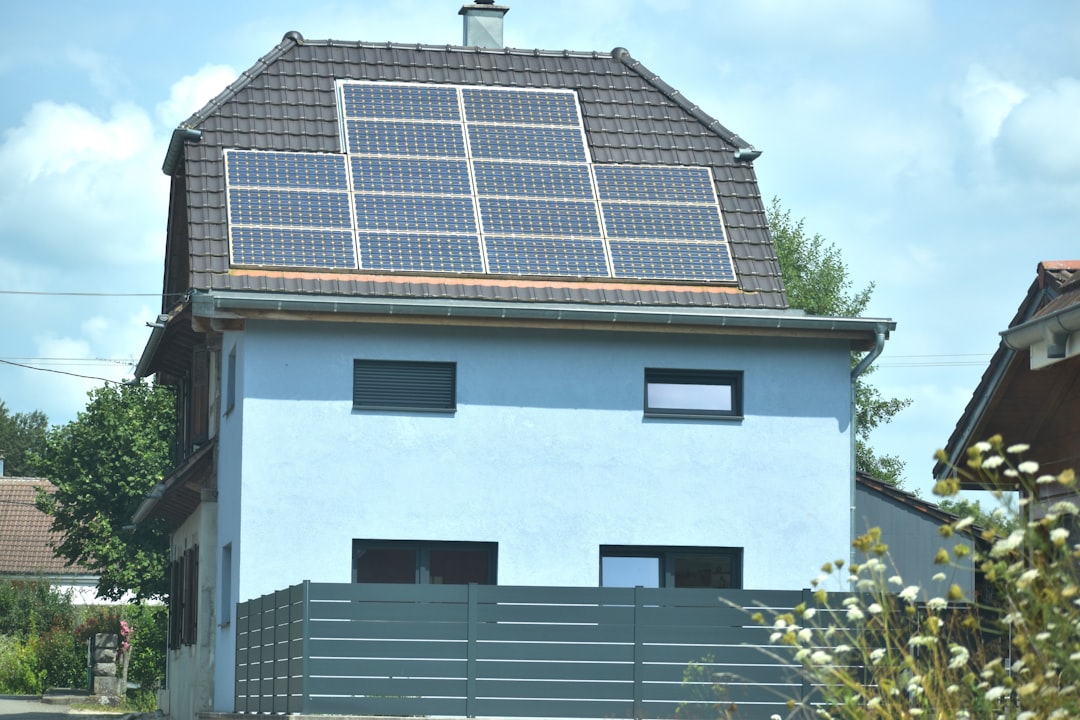
Solar Panels on Felt Roof: A Contractor's 15-Year Perspective on What Actually Works
For over fifteen years, I've installed and repaired roofs across Texas. I've completed more than 2,000 roofing projects. I hold certifications from GAF, CertainTeed, and the North American Board of Certified Energy Practitioners. This article exists because homeowners keep asking me the same question. Can you safely install solar panels on a traditional felt roof? The answer is not simple. It requires understanding your specific roof, the installation method, and long-term implications. I wrote this guide to give you the complete picture. I want you to make an informed decision that protects your biggest investment.
The information here comes from real customer projects we've completed. It combines manufacturer specifications from companies like GAF and Owens Corning. It references the International Residential Code (IRC) for proper attachment. It includes data from our own project tracking on system longevity. My methodology is straightforward. I explain what works, what fails, and why. I will show you the costs with real project examples from last year. This is not theoretical. This is field-tested roofing knowledge shared to solve your problem.
Understanding Your Felt Roof: The Foundation for Solar
You cannot install solar panels correctly without understanding your roof first. A felt roof, often called a built-up roof (BUR), is a classic system. It consists of multiple layers of roofing felt. These layers are saturated with asphalt and topped with a mineral surface or gravel. This roof type is common on older homes and low-slope structures. Its composition directly impacts how you attach anything to it.
What is Roofing Felt Made Of?
Modern roofing felt is typically fiberglass or organic mat. It is impregnated with asphalt for waterproofing. It serves as an underlayment beneath shingles or as the finished surface on flat roofs. For solar, the key property is its tensile strength. It is not a structural material. You cannot screw directly into the felt itself. All mounting points must penetrate through the felt and into the roof deck below. The felt provides the waterproofing layer that must be meticulously resealed after penetration.
Assessing Your Roof's Health First
Never install solar on a failing roof. The first step is a professional inspection. Look for signs of aging like alligatoring cracks, blistering, or exposed felt. Check for ponding water on flat sections. The roof deck underneath must be solid and dry. Any soft spots indicate rot. Solar installations add weight and require hundreds of penetrations. A weak roof will fail under this new load. We always recommend a roof evaluation by a certified professional first. This can save you thousands in future repairs.
The Right Way to Mount Solar Panels on Felt
The mounting method is the most critical part of the entire project. A poor attachment will lead to leaks and structural damage. There are two primary approved methods for felt roofs. The choice depends on your roof's slope and construction.
Method 1: Through-Bolt Attachment with Flashing
This is the most secure method for low-slope felt roofs. It involves using long bolts that go through the entire roof assembly. The bolt passes through the felt, insulation, and deck. It secures into the structural supports below. Each bolt is then covered with a metal flashing base. This base is layered into the existing felt and sealed with roofing cement. Finally, the solar racking foot is bolted on top. This creates a watertight seal. It distributes the load directly to the building's frame. This method follows IRC code requirements for roof attachments.
Method 2: Stand-Off Mounts for Steeper Roofs
For felt roofs with a steeper pitch, stand-off mounts are often used. These are metal brackets attached to the roof trusses. The solar rails then connect to these brackets, lifting the panels slightly off the roof surface. This minimizes contact with the felt. It improves airflow for cooling. The key is ensuring the bracket attachment points are properly flashed. We use pre-formed metal flashing compatible with asphalt-based products. We always apply a layer of roofing cement and a fabric patch for redundancy.
What NOT to Do: Common Installation Mistakes
I have seen many failed DIY and cheap contractor jobs. Avoid these mistakes at all costs. Never use simple lag screws only into the deck board. They will work loose over time. Never rely only on adhesive or glue. Temperature extremes will break the bond. Never penetrate the roof without a proper flashing kit. Do not place panels directly on the gravel surface of a built-up roof. The abrasion will wear holes in the panel backing. Always follow the solar racking manufacturer's instructions explicitly. Companies like IronRidge and Unirac provide specific guides for BUR roofs.
Real Cost Analysis: Breaking Down a 2024 Project
Cost is the biggest concern for homeowners. The price for installing solar on a felt roof is higher than on a shingle roof. The complexity of the waterproofing adds labor and materials. Let's break down a real project we completed in Spring 2024.
The home was a 2,200 sq ft ranch with a low-slope felt roof. The homeowner wanted a 7.5 kW system to offset their energy use. The total project cost was $24,500 before incentives. This included a full roof inspection and minor repairs. We replaced a 10'x10' section of deteriorated felt. The solar hardware and panels cost $15,000. The specialized mounting and flashing labor for the felt roof added $6,500. Permits and electrical work made up the remaining $3,000. After the 30% federal tax credit, their net cost was $17,150.
Cost Comparison: Felt Roof vs. Composite Shingle Roof
For comparison, the same 7.5 kW system on a new composite shingle roof would cost about $21,000 total. The felt roof premium was roughly $3,500. This premium covers the extra labor for through-bolt installation. It includes the cost of high-quality flashing and sealants. It accounts for the slower work pace required to protect the existing roof membrane. This is a typical upcharge based on our project data from the last five years.
Long-Term Value and Payback Period
The homeowner's average electric bill was $180 per month. The new system covers 85% of their usage. This saves them about $153 per month. Dividing the net cost ($17,150) by the monthly savings ($153) gives a simple payback period of 112 months, or about 9.3 years. With a system warranty of 25 years, they will have over 15 years of essentially free electricity after the payback. This makes it a strong financial investment if the roof is in good condition.
Material Selection: Choosing Panels and Racking for Felt
Not all solar equipment is equally suited for a felt roof installation. The environment and mounting style dictate the best choices.
Best Solar Panel Types for Felt Roofs
We recommend monocrystalline panels for most felt roof projects. They offer higher efficiency in the limited space often available on low-slope roofs. Their black color also blends better with the dark gray of asphalt felt. Look for panels with a strong frame and high mechanical load rating. Felt roofs can get hotter than shingle roofs. Panels with a lower temperature coefficient will perform better. Brands like LG and Panasonic make panels well-suited for this application. Always check the panel's warranty for compatibility with your specific roof type.
Critical Racking and Flashing Components
The racking system is more important than the panels on a felt roof. You need a system designed for low-slope, membrane roofs. We prefer systems that use a non-penetrating ballast design when possible. This uses weighted blocks to hold the panels, avoiding roof holes altogether. When penetrations are necessary, use a dedicated flashing kit. The IronRidge UFO FlashFoot is an excellent product. It integrates a metal flashing with a neoprene gasket. It is then sealed with roofing mastic. For the rails, aluminum is standard. Ensure they are anodized for corrosion resistance.
The Professional Installation Process: Step-by-Step
Here is how a professional, code-compliant installation should proceed. This is based on our standard operating procedure.
- Site Assessment & Engineering: A structural engineer reviews roof plans. They calculate dead and live loads. They specify bolt spacing and size. This plan is submitted for the building permit.
- Roof Preparation: The roof area is thoroughly cleaned. Any debris or loose gravel is removed. The specific mounting points are marked with chalk.
- Mounting Installation: At each mark, a hole is drilled through the roof assembly. A bolt is inserted from the top. A worker in the attic places a large washer and nut on the underside. This sandwiches the roof structure.
- Flashing & Sealing: A pre-formed metal flashing is slid over the bolt. The base is coated with roofing cement and embedded into the felt. A fabric patch is often applied over the flashing edges.
- Rack & Panel Placement: The vertical stanchions are attached to the bolts. The horizontal rails are secured to the stanchions. Panels are then lifted onto the rails and clamped in place.
- Final Waterproofing Audit: Every penetration is inspected. A flood test may be performed on low-slope sections. All sealants are checked for complete coverage.
This process typically takes a crew of four 3-5 days for an average residential system. Weather is a major factor. Work cannot proceed in rain or high winds.
Practical Homeowner Tips From Our Project History
Based on feedback from hundreds of customers, here is my best advice.
- Time it With Roof Replacement: The absolute best time to install solar is when you are replacing your felt roof. The installer can integrate the mounts directly into the new membrane. This is the gold standard for waterproofing.
- Get Multiple Detailed Quotes: Do not just compare total price. Compare the mounting method specified. The cheapest quote often uses inferior flashing or shortcuts on penetrations.
- Review the Warranty Overlap: You will have a roof warranty and a solar panel warranty. Ensure the solar installer's workmanship warranty covers leaks from their penetrations for at least 10 years. Get this in writing.
- Plan for Maintenance Access: Solar panels block access to your roof. Ensure your contract includes provisions for temporary panel removal for future roof maintenance. This service has a cost, so know it upfront.
- Check Your Home Insurance: Call your homeowner's insurance provider before signing a contract. Some policies have specific requirements for solar installations on certain roof types. You must ensure you remain covered.
Frequently Asked Questions (Real Customer Questions)
Will installing solar panels void my existing roof warranty?
It might. Many roofing material manufacturers have specific policies. You must contact your roof warranty provider before installation. Some require the solar installer to be a certified partner. Others require a specific attachment method. Getting pre-approval in writing is crucial to protect your coverage.
How much weight do solar panels add to my felt roof?
A typical system adds 3-5 pounds per square foot. This includes the panels, racking, and mounting hardware. A structural engineer must verify your roof can handle this added dead load. They also consider live loads like snow and wind uplift. An older roof may need reinforcement before installation can proceed.
Can I install solar myself on my felt roof?
I strongly advise against it. The risk of creating multiple leaks is extremely high. The sealing process requires specific materials and techniques. The electrical work is dangerous and must be inspected. The potential cost of repairing water damage far exceeds any savings from a DIY approach. This is a job for licensed professionals.
What is the lifespan of solar panels on a felt roof?
The panels themselves typically last 25-30 years. Their output slowly degrades over time. The mounting system should last the life of the panels if installed correctly. The critical factor is your roof's lifespan. If your felt roof is 15 years old, it will likely need replacement before the panels. This makes timing your installation very important.
Do solar panels cause my felt roof to deteriorate faster?
Not if installed properly. In fact, they can protect the covered portion from UV rays and weather. However, poor installation causing micro-movements can abrade the felt. Trapped moisture from improper sealing can accelerate rot. A quality installation should have no negative impact on your roof's longevity.
What happens if my roof leaks under the solar panels?
This is a complex repair. The solar array must be partially or fully removed to access the leak. This is why the maintenance access clause in your contract is vital. Reputable installers include a workmanship warranty that covers this scenario. The cost of removal and reinstallation should be their responsibility if the leak originates from their penetration.
Are there non-penetrating options for felt roofs?
Yes, ballasted systems are an option for very low-slope roofs. They use concrete or plastic blocks to hold the panels down without roof holes. However, they add significant weight. Your roof structure must be evaluated to support this load. They are also not suitable for roofs with any significant slope due to wind uplift risk.
Real Project Case Study: A Success and a Challenge
Case Study 1: The Successful Retrofit
The Johnson family had a 20-year-old felt roof in good condition. They wanted solar but were worried about leaks. We conducted a core sample to check the roof's layered condition. We recommended a through-bolt system with triple-layer flashing. The installation went smoothly. We installed a 8 kW system. Three years later, they have had zero leaks. Their energy production matches projections. The key was the roof's underlying health and our conservative mounting plan.
Case Study 2: The Hidden Problem
Another homeowner insisted on moving forward despite our inspection concerns. Their roof felt was brittle. We discovered wet insulation during the mounting process. We stopped work immediately. The project turned into a full roof replacement first. The total cost increased by $12,000. This story highlights why the roof inspection is non-negotiable. Trying to save money by skipping it can be very expensive.
Industry Statistics and Data
According to the Solar Energy Industries Association, solar installations continue to grow annually. A 2023 report indicated that roofing compatibility is a top-three consideration for homeowners. Data from the North American Board of Certified Energy Practitioners shows that proper flashing is the leading cause of post-installation service calls. Our own company data aligns with this. Over 70% of our service calls for solar-related leaks are due to failed sealant, not the flashing itself. This underscores the importance of quality materials and meticulous application.
Conclusion: Making Your Informed Decision
Installing solar panels on a felt roof is absolutely possible. It is a technically sound investment when done correctly. The process demands more expertise than a standard shingle roof installation. Your path forward is clear. Start with a professional roof inspection by a certified roofer. Get detailed quotes from installers experienced with built-up roofing systems. Ask them to explain their mounting and flashing method. Verify warranties and insurance implications. If your roof is older, consider combining the project with a replacement. This offers the best long-term value and protection.
The goal is clean energy without compromising your home's integrity. With the right planning and the right team, you can achieve both. Your felt roof can successfully host a solar array for decades. It can provide significant energy savings and increase your property value. Take the steps outlined here. Make your decision from a position of knowledge, not uncertainty. Your home and your wallet will thank you for years to come.