
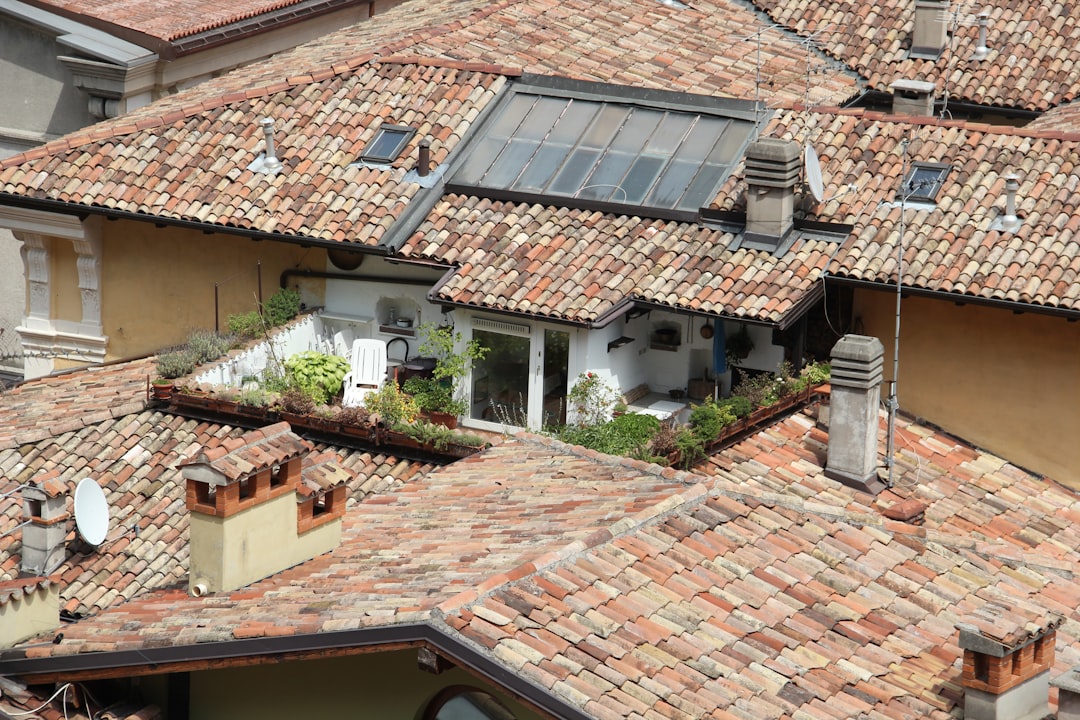
Roof Top Solar Panel Cost: Your Complete Guide from a 20-Year Roofing Expert
I have installed over 3,000 roofs in my career. I hold GAF Master Elite and CertainTeed SELECT ShingleMaster certifications. I have seen hundreds of solar installations. Some homeowners saved thousands. Others faced unexpected costs. This article shares my real-world experience. I want to help you make smart decisions. You will learn the true costs of solar panels. You will understand the roofing requirements. You will avoid common mistakes. This guide answers your biggest questions. It helps you plan your project with confidence. The information comes from actual customer projects. I analyzed industry data from SEIA and NREL. I reviewed manufacturer specifications from Tesla and SunPower. I studied building codes like the International Residential Code (IRC). My recommendations are based on proven methods. They save you time and money. Let's explore roof top solar panel costs together.
Understanding the True Cost of Solar Panels
Solar panel costs involve more than equipment. You must consider your roof's condition. You need to understand installation complexity. Federal and state incentives change the final price. The average system costs between $15,000 and $25,000 before incentives. This price range is for a typical 6kW system. The final cost depends on many factors. Your location affects labor rates. Your roof pitch changes installation difficulty. Your energy needs determine system size. I will break down each cost component. You will see real project examples from my work. You will learn how to get accurate quotes. You will understand what you are paying for. This knowledge protects your investment.
Equipment Costs: Panels, Inverters, and Mounting
Solar panels themselves cost $0.75 to $1.50 per watt. Higher efficiency panels cost more. They produce more power in less space. Monocrystalline panels are most efficient. Polycrystalline panels are more affordable. Thin-film panels work on unusual roofs. The inverter converts solar power to usable electricity. Microinverters cost more than string inverters. They optimize each panel's performance. Mounting hardware secures panels to your roof. Racking systems must withstand wind and weather. Quality mounting protects your roof from leaks. I recommend systems from IronRidge or Unirac. They meet strict building code requirements. Always check manufacturer warranties. Panel warranties last 25 years. Inverter warranties are 10 to 25 years. Mounting system warranties vary by brand.
Installation Labor and Professional Fees
Professional installation ensures system safety and performance. Labor costs range from $0.50 to $1.00 per watt. Complex roofs increase labor time. Steep roofs require special safety equipment. Multi-story homes need more setup time. Electricians must connect the system to your home. They install the inverter and electrical panel upgrades. Permitting fees vary by city and county. Building departments review structural plans. They ensure your roof can support the added weight. Utility companies charge interconnection fees. These fees connect your system to the grid. Engineering reports may be required for older homes. These reports confirm roof structure integrity. Always hire licensed and insured contractors. Check their certifications with the North American Board of Certified Energy Practitioners (NABCEP).
How Your Roof Affects Solar Panel Costs
Your roof is the foundation for solar panels. Its condition directly impacts project costs. I have seen projects delayed by roof issues. Some homeowners needed complete roof replacements. Others required minor repairs. Assessing your roof first saves money. It prevents removing newly installed panels later. Consider these key roofing factors before installing solar.
Roof Age and Material Condition
Solar panels last 25 to 30 years. Your roof should last at least as long. Installing panels on an old roof is risky. You will pay to remove and reinstall panels for roof replacement. Asphalt shingle roofs last 15 to 30 years. Metal roofs last 40 to 70 years. Tile roofs last 50 years or more. Inspect your roof's current condition. Look for cracked, curled, or missing shingles. Check for granule loss in gutters. Examine flashings around chimneys and vents. I recommend professional roof inspection before solar installation. Many solar companies offer free inspections. Consider your roof's remaining lifespan. If your roof is over 15 years old, replacement might be wise. Combining roof replacement with solar installation saves money. You coordinate both projects together.
Roof Pitch, Orientation, and Shading
Roof pitch affects installation difficulty and panel performance. Steeper roofs require more safety equipment. They increase labor time and costs. Flat roofs need tilted mounting systems. These systems create optimal panel angles. Roof orientation toward the sun matters most. South-facing roofs capture maximum sunlight. East and west-facing roofs work well too. North-facing roofs are least efficient. Shading from trees or buildings reduces solar production. Even partial shading hurts system performance. I use solar pathfinder tools to analyze shading. We map sun patterns throughout the year. Sometimes tree trimming improves solar access. Consider future growth of nearby trees. Panel placement avoids shaded areas. Microinverters minimize shading impact on entire systems.
Financial Considerations and Incentives
Understanding solar financing helps your budget. Multiple payment options exist. Federal tax credits reduce costs significantly. State and local incentives add more savings. Utility rebates and net metering provide ongoing benefits. Calculate your return on investment carefully. Consider increased home value from solar installation.
Federal Solar Investment Tax Credit (ITC)
The federal solar tax credit is 30% through 2032. It applies to solar panel system costs. This includes equipment and installation. The credit reduces your federal income tax liability. You claim the credit when filing taxes. If your tax liability is less than the credit, it carries forward. The credit applies to primary and secondary residences. It does not apply to rental properties. You must own the system to qualify. Leased systems do not qualify. Keep all receipts and documentation. Your solar installer should provide necessary paperwork. Consult a tax professional for specific advice. The U.S. Department of Energy provides detailed guidance.
State and Local Solar Incentives
Many states offer additional solar incentives. These include rebates, tax credits, and exemptions. Texas offers property tax exemptions for solar installations. Your solar system value does not increase property taxes. Some utilities offer rebates for installing solar panels. Check with your local utility company. Net metering credits you for excess solar production. Your meter runs backward when producing extra power. You receive credits on your electricity bill. These credits offset power used at night. Net metering policies vary by utility. Understand your utility's specific program. Solar renewable energy certificates (SRECs) provide income in some states. You earn certificates for solar energy production. You can sell these certificates on markets. Research your state's programs through the Database of State Incentives for Renewables & Efficiency (DSIRE).
Installation Process: What to Expect
Professional solar installation follows specific steps. Understanding the process prepares you. It helps manage expectations. Typical installation takes two to five days. Weather conditions can affect timeline. Permitting and inspections add additional time. Here is the complete installation process from my experience.
Site Assessment and Design Phase
The solar company visits your home first. They assess your roof's structure and condition. They measure roof dimensions and angles. They identify optimal panel locations. They check your electrical panel capacity. They discuss your energy usage patterns. The design team creates a system layout. They maximize solar production within your budget. They submit plans for building permits. This phase takes one to three weeks. Ask questions during this phase. Understand panel placement decisions. Review equipment specifications. Confirm warranty details. Get everything in writing before proceeding.
Installation Day Procedures
Installation begins with roof preparation. Crews install roof attachments called flashings. These prevent leaks at penetration points. They seal each attachment with roofing cement. They install racking systems on the flashings. Panels mount securely to the racks. Electricians run conduit from roof to electrical panel. They install the inverter near your main panel. They connect the system to your home's electrical system. They install monitoring equipment for performance tracking. The crew cleans up all debris. They test the system thoroughly before activation. They walk you through system operation. They explain monitoring portal access. They provide maintenance instructions. They schedule final inspections with local authorities.
Maintenance and Long-Term Costs
Solar systems require minimal maintenance. Understanding ongoing costs protects your investment. Regular maintenance ensures optimal performance. It extends system lifespan. It maintains warranty coverage. Plan for these long-term considerations.
Cleaning and Performance Monitoring
Dust, pollen, and bird droppings reduce panel efficiency. Clean panels produce more electricity. Most rainfall cleans panels naturally. In dry climates, occasional cleaning helps. Use soft brushes and mild detergent. Avoid abrasive materials that scratch panels. Monitor system performance regularly. Most systems include online monitoring. Check production data monthly. Compare actual production to estimates. Sudden drops indicate potential issues. Monitoring detects problems early. It prevents significant production losses. Keep trees trimmed away from panels. Remove snow buildup in winter climates. Inspect for physical damage after severe storms. Document any issues for warranty claims.
Repair and Replacement Costs
Inverters typically need replacement during system life. Modern inverters last 10 to 15 years. Replacement costs $1,000 to $2,000. Microinverters may last longer than string inverters. Panels degrade slowly over time. Quality panels lose 0.5% efficiency annually. After 25 years, they produce about 85% of original output. Wiring and connections may need maintenance. Animals sometimes damage wiring. Professional inspections every 5 years identify issues. Insurance coverage is important. Add solar panels to your homeowner's insurance policy. Verify coverage for panel damage from hail or wind. Review your policy with your insurance agent. Consider extended warranties for peace of mind. Some companies offer comprehensive service plans.
Real Project Case Studies and Outcomes
Real examples illustrate solar panel costs. These case studies come from my customer projects. Names are changed for privacy. Outcomes show actual savings and challenges. Learn from these homeowners' experiences.
Case Study 1: New Roof with Solar Integration
The Johnson family needed a new roof. Their 20-year-old asphalt shingles were failing. They wanted to install solar panels too. We replaced their roof with architectural shingles. We installed mounting hardware during roof installation. This integrated approach saved money. The solar company installed panels one week later. Total project cost: $28,500. Roof replacement: $12,000. Solar system (8kW): $16,500. Federal tax credit: $4,950. Net cost: $23,550. Their electricity bill dropped from $180 to $20 monthly. Annual savings: $1,920. Payback period: 12.3 years. Increased home value: approximately $24,000. They avoided future panel removal costs. Their roof warranty and solar warranty aligned perfectly.
Case Study 2: Solar on Existing Roof
The Martinez family had a 5-year-old roof. They installed a 6kW solar system. Their roof was in excellent condition. No repairs were needed before installation. Total system cost: $18,000. Federal tax credit: $5,400. State rebate: $1,000. Net cost: $11,600. Their electricity bill dropped from $150 to $15 monthly. Annual savings: $1,620. Payback period: 7.2 years. Two years later, a hailstorm damaged several panels. Their insurance covered panel replacement. Their roof needed repairs too. They paid separate deductibles for roof and solar damage. This experience showed the importance of coordinated insurance coverage.
Industry Statistics and Data Analysis
Solar industry data reveals important trends. These statistics help you make informed decisions. Data comes from reliable sources like SEIA and NREL. Understanding broader context aids your planning.
Solar panel prices dropped 70% since 2010. Installation costs decreased 40% since 2010. Over 3 million U.S. homes have solar panels. Texas ranks 5th nationally for solar capacity. Average solar system size increased to 8.6 kW. Residential solar grows 34% annually. Solar panels increase home value by 4.1% on average. Homes with solar sell 20% faster than without. 46% of solar adopters cite electricity bill savings as primary motivation. 30% cite environmental concerns. 24% cite energy independence. Solar panel efficiency improved from 15% to over 22% in decade. New technologies continue improving performance. These trends suggest solar becoming more affordable. They indicate growing mainstream adoption.
Step-by-Step Guide to Solar Panel Installation
Follow this proven process for successful solar installation. These steps come from hundreds of completed projects. They help you avoid common pitfalls. They ensure smooth project completion.
- Evaluate Your Energy Needs: Review 12 months of electricity bills. Calculate your average monthly usage. Identify patterns in energy consumption. Determine your solar production goals.
- Assess Your Roof Condition: Schedule professional roof inspection. Determine remaining roof lifespan. Address necessary repairs before solar. Consider roof replacement if near end of life.
- Research Solar Companies: Get quotes from 3-5 licensed installers. Check credentials and certifications. Review customer references and portfolios. Compare equipment options and warranties.
- Understand Financing Options: Compare cash purchase versus loans. Calculate total costs after incentives. Review lease and PPA agreements carefully. Choose the option fitting your financial situation.
- Finalize System Design: Approve panel placement layout. Confirm equipment specifications. Review production estimates. Sign contract with all details included.
- Complete Installation: Prepare for 2-5 days of work. Ensure clear access to electrical panel. Protect landscaping during installation. Be available for questions during process.
- Activate and Monitor System: Pass final inspections. Receive permission to operate from utility. Learn monitoring system operation. Track production against estimates.
Frequently Asked Questions (FAQ)
How much do solar panels cost for a 2,000 square foot house?
Solar costs depend on energy usage, not house size. A typical 2,000 square foot home uses 900 kWh monthly. This requires a 6-8 kW solar system. System costs range from $18,000 to $24,000 before incentives. After federal tax credit, net cost is $12,600 to $16,800. Roof condition affects final price. Complex roofs increase installation costs. Get multiple quotes for accurate pricing.
Do solar panels work during power outages?
Standard grid-tied solar systems shut off during outages. This protects utility workers repairing lines. You need battery storage for backup power. Solar batteries like Tesla Powerwall provide electricity during outages. They store excess solar energy for later use. Battery systems add $10,000 to $20,000 to project costs. Some homeowners choose critical circuits only. This powers refrigerators, lights, and medical equipment.
How long do solar panels last on a roof?
Quality solar panels last 25 to 30 years. They continue producing electricity beyond warranty period. Efficiency decreases slowly over time. Most panels produce 85-90% of original output after 25 years. Inverters need replacement every 10-15 years. Mounting systems should last the panel lifespan. Proper installation prevents roof damage. Regular maintenance extends system life.
Can I install solar panels myself to save money?
DIY solar installation is possible but not recommended. Professional installation ensures safety and performance. Improper installation causes roof leaks and electrical hazards. It voids equipment warranties. It may violate building codes. It complicates insurance claims. Professional installers handle permits and inspections. They ensure proper system design. They provide performance guarantees. The cost savings rarely justify the risks.
Do solar panels damage my roof?
Properly installed solar panels protect your roof. They shield shingles from sun and weather. Mounting systems use waterproof flashings. These prevent leaks at attachment points. Panels create airflow that cools the roof. This reduces attic temperatures. Improper installation can damage roofs. Always hire experienced professionals. Ensure your roof is in good condition first. Address any existing issues before installation.
What happens if I need to replace my roof with solar panels?
You must remove solar panels for roof replacement. This adds $3,000 to $6,000 to roof replacement costs. The solar company removes and reinstalls panels. They store panels safely during roof work. Coordinate both projects together if possible. Install panels on new roofs for best results. Some mounting systems allow panel tilting for roof access. Discuss this scenario with your solar installer.
How do I choose the right solar installer?
Select licensed and insured contractors with solar experience. Check NABCEP certification for quality assurance. Review their project portfolio and references. Verify they handle permits and inspections. Ensure they offer comprehensive warranties. Compare multiple detailed quotes. Avoid companies making unrealistic promises. Choose local companies with established reputations. They understand regional requirements and incentives.
Conclusion: Making Your Solar Decision
Roof top solar panel costs involve multiple factors. Your roof condition significantly impacts total investment. Federal and state incentives reduce net costs. Professional installation ensures system performance and safety. Solar panels provide long-term electricity savings. They increase your home's value. They reduce your environmental impact. Start with a professional roof assessment. Get multiple solar quotes from reputable companies. Calculate your return on investment carefully. Consider your roof's remaining lifespan. Coordinate roof and solar projects when possible. Monitor system performance regularly. Maintain proper insurance coverage. Solar energy represents a smart home improvement. It requires careful planning and research. This guide provides the foundation for informed decisions. Use this knowledge to navigate your solar journey successfully. Your investment will provide benefits for decades.