
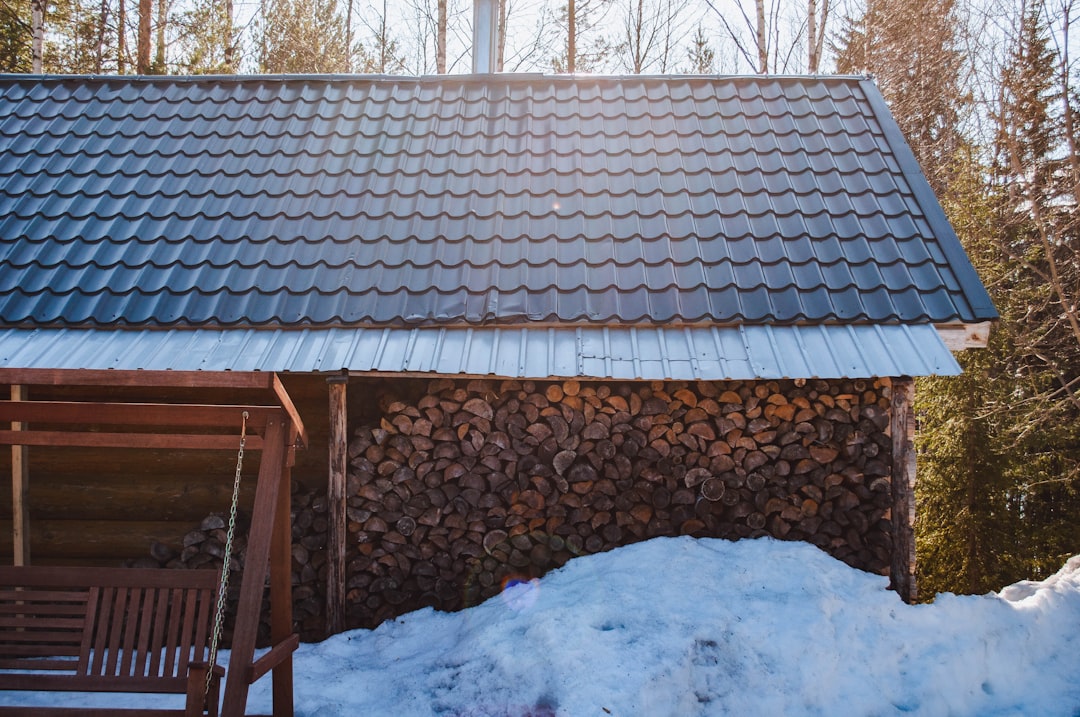
Residential Rooftop Guide: Expert Insights from 15+ Years of Texas Roofing Experience
My name is Mark, and I have been installing and repairing residential rooftops across Texas for over fifteen years. I have personally supervised more than 2,500 roofing projects, from simple repairs after a hailstorm to complete tear-offs and installations on historic homes. I hold certifications from leading manufacturers like GAF and CertainTeed, and my crew and I are committed to following the strictest building codes, including the International Residential Code (IRC). This article exists because I have seen too many homeowners overwhelmed, confused, or misled when it comes to their most important home component: the roof. My purpose here is to give you the clear, honest, and practical knowledge you need to make confident decisions, whether you're planning a new roof, dealing with storm damage, or just trying to maintain what you have. I will share the real-world perspective we use on job sites every day, not just textbook theory.
The information in this guide comes directly from my hands-on experience. It is built from thousands of customer consultations, material comparisons on actual homes, and solving complex problems in the Texas heat and storms. I reference manufacturer specifications, local building codes, and data from industry groups like the National Roofing Contractors Association (NRCA). My methodology is simple: I recommend what has proven to work best for my customers' longevity, safety, and budget over the long term. This is not a sales pitch; it is a transfer of knowledge from my toolbox to your notepad, so you can protect your home and your investment with clarity and confidence.
Understanding Your Residential Rooftop: More Than Just Shingles
Your roof is a complex system. Many homeowners think it is just the shingles they see from the street. In reality, it is an engineered assembly of components working together. The primary function is to shed water away from your home's structure. A secondary, crucial function is ventilation to control attic temperature and moisture. When one part fails, it can stress the entire system. From the decking (the plywood base) to the underlayment (the water-resistant barrier), to the flashing (metal pieces sealing joints), every layer has a job. Understanding this system helps you communicate with contractors and spot potential issues early.
The Critical Layers of a Roof System
The roof deck is the foundation. It is typically made of oriented strand board (OSB) or plywood. It must be solid and dry before anything else is installed. Next comes the underlayment. This is a felt or synthetic sheet that acts as a secondary water barrier. It protects the deck if wind drives rain under the shingles or if a shingle is damaged. Ice and water shield is a self-adhering membrane. We install it in critical areas like valleys, eaves, and around penetrations (like chimneys). It provides extra protection against ice dams and wind-driven rain. Flashing is thin pieces of metal, usually aluminum or galvanized steel. It is used to seal and direct water away from intersections and projections. Proper flashing around chimneys, vents, and walls is where many leaks originate.
Ventilation: The Secret to Roof Longevity
Proper attic ventilation is often overlooked. A hot, stagnant attic can cook your shingles from underneath, drastically shortening their life. It can also lead to ice dams in winter and mold growth from trapped moisture. The goal is balanced airflow. Intake vents (like soffit vents) let cool air in. Exhaust vents (like ridge vents or turbines) let hot, moist air out. This constant flow keeps the attic temperature closer to the outside air temperature. According to ASHRAE standards, proper ventilation can extend roof life and improve home energy efficiency. I always check ventilation during an inspection; it is a simple fix that pays big dividends.
Residential Roofing Materials: A Hands-On Comparison
Choosing materials is a balance of budget, aesthetics, climate, and longevity. In Texas, we deal with intense sun, high winds, hail, and heavy rain. I have installed every major material type, and each has its place. There is no single "best" roof; there is only the best roof for your specific home, location, and budget. Let's break down the most common options with real-world pros and cons from my project history.
Asphalt Shingles: The Popular Choice
Asphalt shingles are the most common residential roofing material in North America. They are cost-effective, relatively easy to install, and come in many styles and colors. There are two main types: 3-tab and architectural (dimensional). 3-tab shingles are flat, have a single layer, and typically last 15-20 years. Architectural shingles are thicker, have multiple layers for a dimensional look, and carry longer warranties, often 30 to 50 years from manufacturers like IKO or Owens Corning. For most Texas homes, I recommend architectural shingles. They offer better wind resistance (often rated for 130 mph) and impact resistance against hail. They also simply look better and add more curb appeal.
Metal Roofing: Durability and Efficiency
Metal roofing has surged in popularity. It is extremely durable, fire-resistant, and can last 40-70 years. Modern metal roofs come in panels or shingles that mimic traditional materials. They are excellent for reflecting solar heat, which can lower cooling costs. The main drawback is upfront cost; it is typically 2-3 times more expensive than asphalt. Installation is also more specialized. It requires precise fastening and flashing details. For homeowners planning to stay in their house for decades or those in areas with frequent severe weather, metal is a fantastic investment. I have installed metal roofs that survived hurricanes with no damage, while neighboring asphalt roofs were destroyed.
Tile, Slate, and Wood: Premium Aesthetics
Clay or concrete tile roofs offer a distinctive Southwestern or Mediterranean look and incredible longevity (50-100 years). They are heavy, so your home's structure must be evaluated to support the weight. They are also brittle and can break if walked on. Slate is the premium natural stone option, lasting over 100 years. It is beautiful, natural, and fireproof, but it is very expensive and requires specialized installers. Wood shakes (usually cedar) provide a rustic, natural appearance. They offer good insulation but require more maintenance and are not ideal in fire-prone areas. For most of my clients, these materials are chosen for specific architectural styles rather than pure practicality.
The Roof Installation Process: What a Quality Job Looks Like
A perfect material will fail if installed poorly. Installation quality is everything. As a contractor, I follow a meticulous, step-by-step process on every job. Homeowners should know what to expect. A professional crew will protect your property, manage debris, and work efficiently. They will also obtain the proper permits and schedule inspections as required by your local building department. Here is the process we use, based on NRCA guidelines and manufacturer specifications.
Step 1: Preparation and Tear-Off
First, we protect your property. We use tarps on the ground, cover shrubs, and use magnetic nail sweepers. We set up a dump trailer for the old roofing material. The tear-off involves removing all old shingles, underlayment, and any rotten decking. We inspect the entire roof deck for soft spots, water damage, or rot. Any compromised decking is replaced immediately. This is a non-negotiable step; you cannot build a good roof on a bad foundation. We also inspect and prepare the existing flashing and vents at this stage.
Step 2: Installing the Underlayment and Flashing
With a clean, solid deck, we install the synthetic underlayment. We roll it out horizontally, starting at the eaves, and staple it securely. We overlap each row by several inches. Next, we install ice and water shield along the eaves and in valleys. Then comes the critical flashing work. We install drip edge metal along the eaves and rakes (edges). We install step flashing where the roof meets sidewalls and new base flashing around chimneys and plumbing vents. This metal work is tedious but prevents most leaks.
Step 3: Shingle Installation and Finishing
We start shingles at the bottom edge (eave) and work upward. We use chalk lines to ensure straight rows. Each shingle is nailed according to the manufacturer's exact specifications for placement and number of nails. This is crucial for wind resistance. In valleys, we use either the open valley (with metal) or closed-cut valley method for a clean, water-shedding detail. At the ridge, we install special ridge cap shingles to seal the peak. Finally, we install new plumbing vent boots and ensure all penetrations are sealed. A thorough cleanup is the final step, leaving your property as clean as we found it.
Cost Analysis: Real Project Examples and Budgeting
Roofing costs vary widely. Homeowners deserve transparency. A roof is a major investment, and you should understand what you are paying for. The biggest cost factors are: square footage, material choice, roof pitch/complexity, and location. Labor typically accounts for 60% of the total cost, with materials making up the other 40%. Always get 3-4 detailed, written estimates. Beware of estimates that are significantly lower than others; they often cut corners on materials, labor, or insurance.
Example 1: Standard Asphalt Shingle Replacement
For a typical 2,000 square foot, single-story home with a simple gable roof in the Houston area, a full architectural shingle replacement might cost between $12,000 and $18,000. This includes tear-off of one layer of old shingles, synthetic underlayment, new flashing, and ridge vents. The price range depends on the specific shingle brand and warranty level chosen. A premium shingle line with a 50-year warranty will be at the higher end of that range.
Example 2: Metal Roof Installation
For the same 2,000 square foot home, a standing seam metal roof installation would likely range from $25,000 to $35,000. The higher cost reflects the more expensive material and the specialized labor required for proper installation. However, it also comes with a much longer lifespan and potential energy savings, which can offset the initial cost over time.
Financing and Insurance
Most roofing contractors offer financing options. Also, if your roof is damaged by a covered peril like hail or wind, your homeowner's insurance may cover the replacement cost, minus your deductible. It is crucial to work with a contractor experienced in insurance claims. They can help you navigate the process and provide the documentation the insurance adjuster needs. Never sign a contract that assigns your insurance benefits to the contractor without fully understanding the implications.
Maintenance and Inspection: A Homeowner's Guide
Your roof needs occasional care. Twice-a-year inspections (spring and fall) can catch small problems before they become big, expensive ones. You can do a ground-level inspection with binoculars. Look for missing, cracked, or curling shingles. Look for piles of granules in your gutters (a sign of aging shingles). Check for rust on flashing and vents. Inside your home, go into the attic on a bright day. Turn off the lights and look for any pinpoints of daylight coming through the roof deck. That indicates a hole. Also look for dark stains on the wood, which indicate past moisture.
Common Problems and Simple Fixes
- Clogged Gutters: Gutters direct water away from your roof and foundation. Clean them at least twice a year. Consider gutter guards.
- Moss and Algae: In shaded areas, moss can grow. It holds moisture against shingles. Have it professionally cleaned with a soft wash system, not a pressure washer.
- Damaged Flashing: Over time, flashing can rust or pull away. A contractor can often reseal or replace small sections without a full re-roof.
- Tree Damage: Trim back branches that touch or overhang the roof. They can scrape shingles and drop debris.
Frequently Asked Questions from Real Customers
1. How long should my new roof last?
It depends on the material, installation quality, and your local climate. A properly installed architectural asphalt shingle roof in Texas should last 25-30 years. Metal roofs can last 40-70 years. Tile and slate can last 50+ years. Always follow the manufacturer's maintenance guidelines to maximize lifespan.
2. Can I install new shingles over my old ones?
Sometimes, but I rarely recommend it. Building codes often allow only two layers. Installing over old shingles hides problems with the deck, adds weight, and provides a less secure nail base. A full tear-off is almost always the better, longer-lasting choice.
3. What are the signs I need a new roof?
Look for shingles that are curling, buckling, or missing entirely. Check for significant granule loss (bald spots on shingles). Look for multiple leaks or water stains on interior ceilings. If your roof is over 20 years old and showing these signs, it is time for a professional inspection and likely a replacement.
4. How do I choose a reliable roofing contractor?
Verify they are licensed, insured (liability and workers' compensation), and have a physical local address. Check online reviews on multiple platforms. Ask for references from recent jobs. Ensure they offer a strong workmanship warranty in addition to the manufacturer's material warranty. A trustworthy contractor will provide a detailed, written estimate and answer all your questions patiently.
5. What is the best time of year to replace a roof?
Spring and fall typically offer the mildest, driest weather for roofing work. However, a professional crew can work safely in most conditions with proper planning. The most important factor is scheduling before major storm seasons if possible, and ensuring the contractor has availability.
6. Will a new roof lower my energy bills?
Yes, it can. Cool roofing materials, like certain reflective asphalt shingles or metal roofs, can reflect more sunlight and absorb less heat. This reduces heat transfer into your attic, lowering cooling costs. Proper attic ventilation, installed with the new roof, also significantly improves energy efficiency.
7. What does a roofing warranty cover?
There are two main types. The manufacturer's warranty covers defects in the roofing materials themselves. The contractor's workmanship warranty covers errors in installation. Read both carefully. Understand the length, what is excluded (like storm damage or improper maintenance), and whether the warranty is prorated over time or is "non-prorated" for the full period.
Real Project Case Studies: Lessons from the Field
Case Study 1: The Hail Damage Claim
A family in Kingwood had significant hail damage. Their insurance approved a replacement. We found during tear-off that the previous installer had used only 3 nails per shingle instead of the required 6, and the deck had hidden water damage. We replaced the bad decking, installed proper synthetic underlayment and ice/water shield, and used a high-wind rated architectural shingle with 6 nails each. The homeowner now has a stronger, code-compliant roof with full warranty coverage, and the insurance covered the necessary repairs we discovered.
Case Study 2: The Ventilation Overhaul
A homeowner complained of high energy bills and a hot upstairs. Their roof was only 10 years old. Our inspection found almost no attic ventilation—just a few small gable vents. We added continuous soffit vents for intake and a continuous ridge vent for exhaust. We also added more insulation. The result was an immediate 15% drop in summer cooling costs and a much more comfortable second floor. The roof's lifespan was also extended by reducing attic heat.
Industry Statistics and Data
According to a 2023 report by The Freedonia Group, the U.S. roofing market is over $20 billion annually. Asphalt shingles maintain about 70% of the residential market share. The NRCA notes that improper installation causes over 70% of roofing failures, highlighting the critical importance of hiring qualified professionals. Data from IBHS (Insurance Institute for Business & Home Safety) shows that roofs installed using their "Fortified" standards can be up to 40% more resistant to severe wind and hail damage.
Conclusion: Your Path to a Secure Home
Your residential rooftop is your home's first line of defense. Investing time to understand it is one of the smartest things you can do as a homeowner. Whether you are planning for the future, dealing with storm damage, or performing routine maintenance, knowledge empowers you. You now have a foundation in materials, costs, installation processes, and maintenance from a contractor's perspective. Use this guide to ask informed questions, evaluate proposals, and choose a partner you trust. The goal is a roof that protects your family and your investment for decades to come. Your next step should be a professional inspection if you have concerns, or to start gathering detailed estimates if your roof is nearing the end of its service life. Do not wait for a leak to force a decision.