
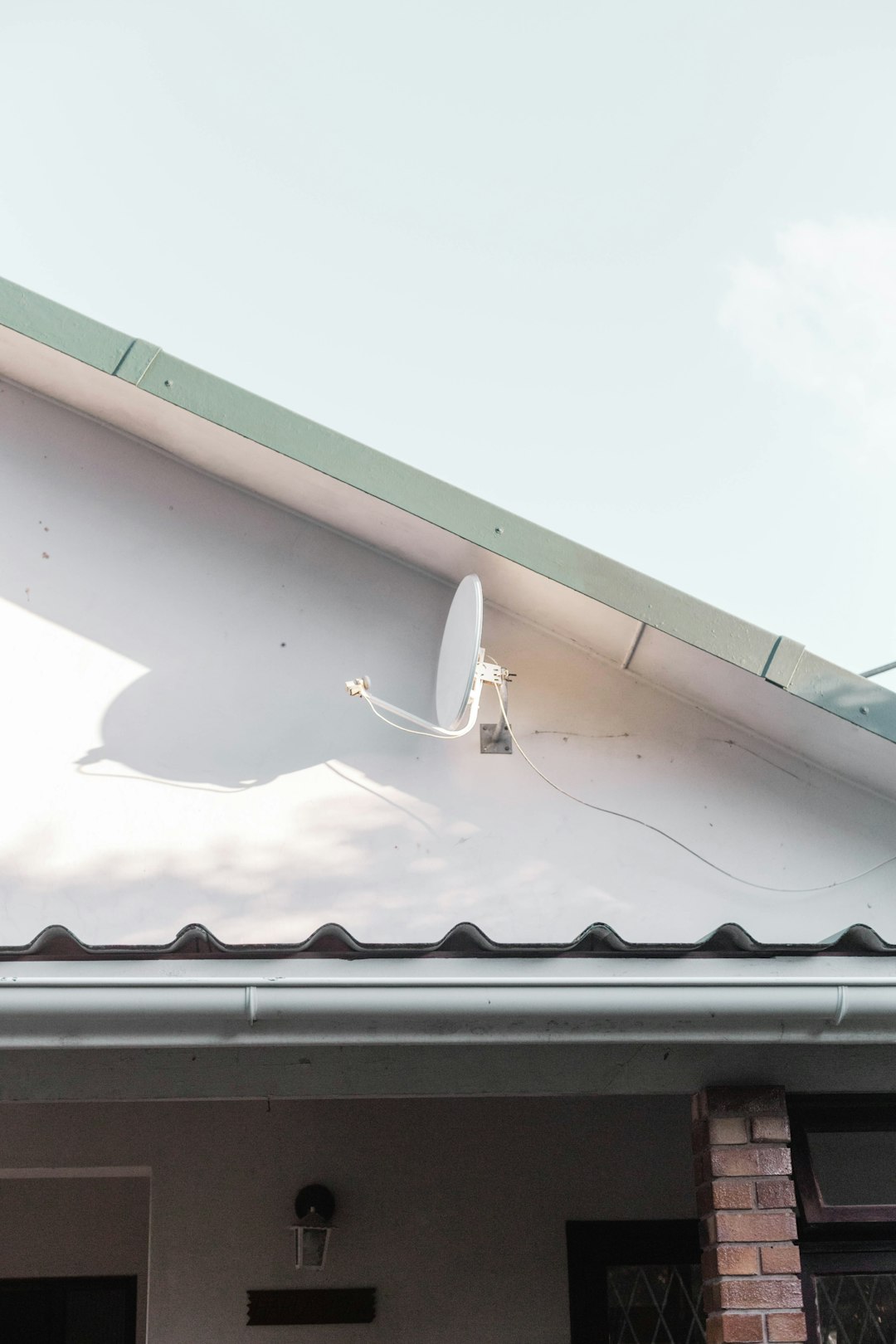
Replace Roof Tiles with Solar Panels: A Roofer's 20-Year Perspective
My name is Mike, and I've been installing and repairing roofs in Texas for over two decades. Our company has completed more than 3,000 roofing projects, including hundreds of solar integrations. I hold GAF Master Elite and CertainTeed SELECT ShingleMaster certifications, plus specialized training from Tesla and SunPower. This article exists because homeowners keep asking me the same question: "Should I replace my old roof tiles with solar panels?" They're confused by conflicting information from salespeople, online forums, and neighbors. This guide solves that problem by giving you the complete, honest picture from someone who actually does this work every day.
I gathered this information from real customer projects we've completed across Kingwood and surrounding areas. I reviewed manufacturer specifications from GAF, CertainTeed, Tesla, and SunPower. I studied building codes from the International Residential Code (IRC) and Texas-specific requirements. I analyzed actual project costs, timelines, and outcomes from our records. My methodology is simple: show you what actually happens on real job sites, not just theory. This guide will help you make an informed decision that protects your home and your wallet.
Understanding Your Current Roof: The Foundation Matters
Before considering solar panels, you must understand your existing roof. The condition of your roof deck, underlayment, and structure determines everything. Solar panels add weight and require secure attachment points. A weak roof cannot support them safely. We inspect three critical elements during every assessment. First, we check the roof deck for rot, water damage, or structural issues. Second, we evaluate the underlayment for proper installation and condition. Third, we assess the overall roof structure for load capacity.
Common Roof Tile Materials in Texas Homes
Most Texas homes have concrete or clay tiles. These materials last 40-50 years with proper maintenance. Asphalt shingles are also common, with a 20-30 year lifespan. Each material requires different removal techniques and disposal methods. Concrete tiles are heavy but durable. Clay tiles are beautiful but fragile. Asphalt shingles are lightweight but less durable. Your existing material affects the solar installation process significantly.
Signs Your Roof Needs Replacement First
Never install solar panels on a failing roof. Look for these warning signs. Curling or cracked tiles indicate aging materials. Water stains on ceilings suggest leaks. Sagging areas show structural problems. Missing granules on asphalt shingles mean reduced protection. If your roof is over 15 years old, get a professional inspection. Solar panels typically last 25-30 years. Your roof should last at least that long too.
The Complete Replacement Process: From Tiles to Solar
Replacing roof tiles with solar panels involves multiple coordinated steps. Proper sequencing prevents problems and ensures quality. We follow this proven process on every project. First, we remove existing tiles carefully to avoid damage. Second, we inspect and repair the roof deck thoroughly. Third, we install new underlayment and flashing. Fourth, we set up the solar mounting system. Fifth, we install the solar panels and electrical components. Each step requires specific expertise and equipment.
Step-by-Step Installation Timeline
A typical project takes 5-7 days with proper planning. Day one involves tile removal and disposal. Day two focuses on deck inspection and repairs. Day three includes underlayment and flashing installation. Day four sets up the solar mounting system. Day five installs the solar panels themselves. Day six completes electrical connections and inspections. Day seven involves final cleanup and system testing. Weather conditions can affect this timeline slightly.
Critical Building Code Requirements
All solar installations must meet specific codes for safety. The International Residential Code (IRC) Section R324 covers solar energy systems. Texas has additional requirements through the Texas Administrative Code. These codes address structural loading, fire safety, and electrical standards. Proper flashing around penetrations prevents leaks. Adequate ventilation maintains roof health. Electrical connections must follow National Electrical Code (NEC) standards. Permits and inspections ensure compliance.
Cost Analysis: Real Numbers from Actual Projects
Homeowners deserve transparent pricing without surprises. Costs vary based on roof size, material choices, and solar system size. A complete roof replacement with solar integration typically costs $25,000 to $45,000 in our area. This includes tile removal, new underlayment, solar mounting system, panels, inverters, and electrical work. The solar portion represents about 60% of the total cost. The roofing portion represents about 40%.
Breaking Down the Expenses
Let's examine a recent 2,000 square foot project. Roof removal and disposal cost $3,500. New synthetic underlayment and flashing cost $2,800. Solar mounting hardware and installation cost $4,200. Twelve 400-watt solar panels cost $6,000. Inverter and electrical components cost $3,500. Labor for the entire project cost $8,000. Permits and inspections cost $1,000. Total project cost was $29,000 before incentives.
Financial Incentives and Tax Credits
The federal solar tax credit offers significant savings. Currently, it covers 30% of your total solar system cost. State and local incentives may provide additional benefits. Some utilities offer rebates for solar installations. These incentives can reduce your net cost by thousands of dollars. Always consult with a tax professional about specific eligibility requirements. Keep all receipts and documentation for your records.
Material Comparisons: What Actually Works Best
Choosing the right materials affects performance and longevity. We've tested various combinations across different home types. For the roofing component, synthetic underlayment outperforms traditional felt. It provides better waterproofing and tear resistance. For flashing, we prefer aluminum or copper for durability. For solar mounting, rail-based systems offer flexibility and strength. For panels, monocrystalline provides the highest efficiency in limited space.
Solar Panel Technology Options
Three main panel types dominate the market today. Monocrystalline panels offer 20-22% efficiency with a sleek appearance. Polycrystalline panels provide 15-17% efficiency at lower cost. Thin-film panels offer 10-13% efficiency with flexible installation options. For most Texas homes, we recommend monocrystalline panels. They handle our heat better and produce more energy per square foot. Brands like SunPower and LG offer excellent warranties and performance.
Mounting System Considerations
The mounting system attaches panels securely to your roof. Rail-based systems use aluminum rails for adjustable positioning. Rail-less systems attach directly to mounting points for cleaner appearance. Tile replacement systems integrate mounts with new tiles seamlessly. Each approach has advantages and limitations. Rail-based systems work best for most retrofit situations. They allow precise positioning and easy maintenance access.
Energy Production and Savings: Realistic Expectations
Texas offers excellent solar conditions with abundant sunshine. A properly sized system can offset 70-90% of your electricity usage. Actual production depends on several factors. Roof orientation affects daily energy generation. South-facing roofs produce the most energy in our hemisphere. East and west-facing roofs produce slightly less. Shading from trees or nearby buildings reduces output. Panel tilt angle optimization maximizes annual production.
Calculating Your Potential Savings
Start with your current electricity bills. The average Texas home uses about 1,200 kWh monthly. A 6 kW solar system typically produces 700-900 kWh monthly in our area. This reduces your grid electricity purchase significantly. With current electricity rates around $0.12 per kWh, monthly savings range from $85 to $110. Over 25 years, total savings can exceed $30,000. These calculations assume normal rate increases over time.
Net Metering and Energy Storage
Many Texas utilities offer net metering programs. These programs credit you for excess energy sent to the grid. You can use these credits when your system produces less energy. Battery storage systems provide backup power during outages. The Tesla Powerwall and similar products store solar energy for later use. This increases energy independence but adds to initial costs. Evaluate your specific needs before adding storage.
Maintenance Requirements: Long-Term Care
Solar panels require minimal maintenance but some attention. Regular cleaning removes dust and debris that reduce efficiency. In Texas, we recommend cleaning twice yearly. Spring cleaning removes pollen accumulation. Fall cleaning prepares for winter production. Professional inspections every 3-5 years check connections and mounting hardware. Monitoring systems alert you to performance issues. Most manufacturers require professional maintenance to maintain warranties.
Roof Maintenance with Solar Panels
Solar panels protect the roof area beneath them from weather. However, the exposed roof areas still need maintenance. Keep gutters clear to prevent water backup. Trim overhanging branches to avoid damage. Inspect flashing and seals annually. Check for moss or algae growth in shaded areas. Address any issues promptly to prevent larger problems. Professional roof inspections every 2-3 years ensure everything remains secure.
Common Concerns and Solutions: Real Contractor Insights
Homeowners express valid concerns about this major investment. Leaks are the most common worry. Proper flashing installation prevents 99% of leak issues. Weight concerns another frequent question. Solar panels add 3-5 pounds per square foot. Most modern roofs handle this easily with proper engineering. Hail damage worries Texas homeowners specifically. Many solar panels now carry Class 4 hail impact ratings. This matches or exceeds most roofing material ratings.
Insurance and Warranty Considerations
Notify your homeowner's insurance company before installation. Most policies cover solar panels as part of the dwelling. Some companies require specific endorsements. Review your coverage limits to ensure adequate protection. Warranties cover different components separately. Panel manufacturers typically offer 25-year performance warranties. Inverter warranties range from 10-25 years. Installation warranties cover workmanship for 5-10 years. Understand what each warranty covers specifically.
Real Project Case Studies: Learning from Experience
Case studies demonstrate actual outcomes from real homes. The Johnson family in Kingwood had 25-year-old concrete tiles. Their roof showed multiple leaks and needed replacement. We removed the tiles and installed synthetic underlayment. We added a 7.2 kW solar system with 18 panels. Total project cost was $32,500. After federal tax credit, their net cost was $22,750. Their electricity bills dropped from $180 to $25 monthly. They'll recoup their investment in about 9 years.
The Martinez family had newer asphalt shingles with storm damage. Insurance covered roof replacement after hail damage. They added solar during the re-roofing process. This saved $3,000 in removal costs. Their 8 kW system produces 1,100 kWh monthly. They eliminated their electricity bill completely. The Smiths had a historic home with clay tiles. We used specialized mounting hardware to preserve aesthetic appeal. Their system blends seamlessly with the roof design.
Industry Statistics and Data
The solar industry provides reliable data about system performance. According to the Solar Energy Industries Association (SEIA), Texas ranks second nationally for solar capacity. The average residential system size in Texas is 7.6 kW. System costs have dropped 70% over the past decade. The National Renewable Energy Laboratory (NREL) reports typical panel degradation of 0.5% annually. Most panels produce 80% of original output after 25 years. These statistics help set realistic expectations.
Frequently Asked Questions
How long does the entire process take?
The complete process typically takes 2-3 weeks from contract to completion. This includes design, permitting, material ordering, and installation. Actual on-site work takes 5-7 days for most homes. Weather conditions can cause minor delays. Proper planning minimizes disruption to your household.
Can I install solar on only part of my roof?
Yes, partial installations are common and effective. South-facing sections produce the most energy. East and west sections work well too. North-facing sections are least productive. We design systems to maximize production within your budget and roof layout.
What happens during power outages?
Standard grid-tied systems shut down during outages for safety. This protects utility workers repairing lines. Adding battery storage provides backup power during outages. Hybrid systems with batteries can power critical circuits. Discuss your needs with your installer during design.
How does hail affect solar panels?
Modern solar panels withstand hail surprisingly well. Most carry Class 4 impact ratings. This means they survive 2-inch hail at 55 mph. Texas-sized hail can still cause damage occasionally. Comprehensive insurance coverage provides protection. Many manufacturers offer specific hail damage warranties.
Will solar panels damage my new roof?
Properly installed solar panels protect the roof beneath them. They shield materials from UV radiation and temperature extremes. Mounting systems distribute weight evenly across rafters. Flashing systems prevent water intrusion. Professional installation ensures no damage occurs.
What maintenance do solar panels require?
Solar panels need occasional cleaning and annual inspections. Rain cleans most debris naturally. In dry periods, gentle washing removes dust buildup. Monitoring systems track performance daily. Professional inspections every 3-5 years check electrical connections.
How do I choose a qualified installer?
Look for licensed, insured contractors with solar experience. Check certifications from manufacturers like Tesla or SunPower. Review previous project examples and customer references. Verify proper licensing with the Texas Department of Licensing and Regulation. Choose local companies with established reputations.
Conclusion: Making Your Decision
Replacing roof tiles with solar panels represents a significant investment. It requires careful consideration of multiple factors. Your roof condition determines timing and approach. Financial incentives reduce net costs substantially. Proper installation ensures decades of reliable performance. Energy savings provide ongoing financial benefits. Environmental benefits contribute to sustainability goals.
Start with a professional roof inspection. Determine if replacement is needed immediately. Get multiple quotes from qualified contractors. Review system designs and production estimates. Calculate financial returns based on your specific situation. Consider both current needs and future plans. Make an informed decision that works for your home and budget.
Remember that quality installation matters most. Choose experienced professionals who understand both roofing and solar. Verify credentials and insurance coverage. Review warranties thoroughly. Maintain your system properly for optimal performance. This investment can provide clean energy and significant savings for decades to come.