
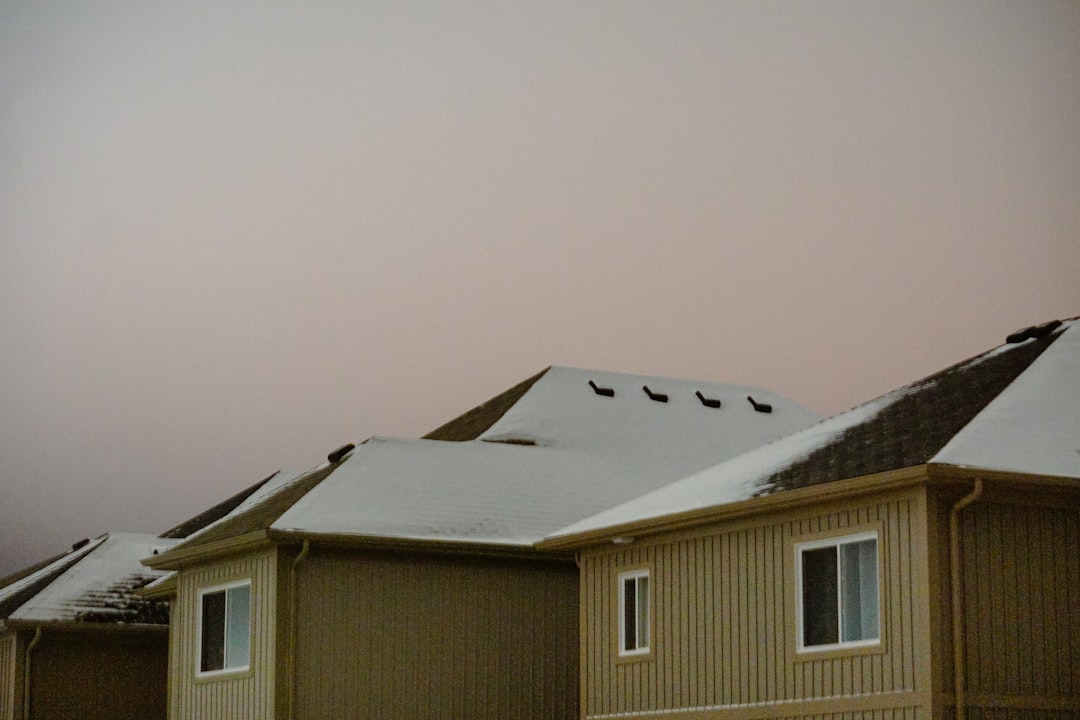
Replace Roof and Add Solar Panels: Your Complete Guide from a 15-Year Roofing Expert
I have been installing and replacing roofs for over fifteen years. Our team has completed more than 2,500 roofing projects across Texas. We hold certifications from major manufacturers like GAF and CertainTeed. This experience gives me a unique perspective. I have seen many homeowners make the same critical mistake. They install solar panels on an old, failing roof. This leads to costly problems within just a few years. This article exists to solve that exact problem. It answers the question every smart homeowner should ask: "Should I replace my roof before going solar?" My goal is to save you time, money, and immense frustration. The information here comes from real customer projects we have completed. It is based on manufacturer specifications, local building codes, and years of hands-on field work. I will explain the methodology behind every recommendation. This is not generic advice. This is a contractor's playbook for doing this project right.
Combining a roof replacement with a solar installation is a major investment. It requires careful planning and coordination. This guide will walk you through every step. You will learn about timing, costs, materials, and the installation process. I will share insights you won't find in a solar company's sales brochure. My perspective comes from the roof up. A strong, durable roof is the essential foundation for any successful solar array. By the end, you will understand why doing both projects together is often the wisest choice. You will know what questions to ask contractors. You will be prepared to make confident decisions for your home.
Why Timing is Everything: Roof Lifecycle and Solar
Your roof and solar panels have very different lifespans. A quality asphalt shingle roof lasts 20-30 years. Modern solar panels are designed to last 25-30 years or more. Installing solar on a roof with only 10 years of life left creates a major conflict. You would need to remove and reinstall the entire solar system for a roof replacement later. This process can cost $5,000 to $10,000 or more. It also risks damaging your expensive solar equipment. The math is simple. If your roof is more than halfway through its expected life, replace it first. This rule is the most important piece of advice I give homeowners. It protects your solar investment from day one.
Assessing Your Current Roof's Health
Do not rely on a simple visual inspection from the ground. You need a professional roofer to conduct a thorough evaluation. They will look for specific signs of wear. These include curling or buckling shingles, significant granule loss in gutters, and multiple damaged or missing shingles. They will check the roof decking for soft spots indicating rot. They will inspect flashings around chimneys, vents, and skylights. Any signs of persistent leaks or water stains in your attic are major red flags. A solar installer may not perform this detailed roof assessment. Their focus is on solar potential, not structural integrity. Always get a separate, certified roof inspection before signing any solar contract.
The Perfect Window for a Combined Project
The ideal time for this project is when your roof is between 15 and 20 years old. It is showing clear signs of aging but is not yet in emergency failure mode. This gives you time to plan and budget. It allows you to research contractors and secure financing without panic. Planning ahead also lets you schedule the work for the optimal season. In our Texas climate, spring and fall often provide the best weather for roofing. Avoid the peak of summer heat and the unpredictability of winter. Coordinating two contractors is complex. Starting with a solid roof plan makes the solar integration smooth and efficient.
Cost Analysis: Investment vs. Long-Term Savings
Homeowners need realistic numbers. A full roof replacement in our area typically ranges from $10,000 to $30,000. The cost depends on your home's size, roof pitch, and material choice. A residential solar panel system can cost between $15,000 and $40,000 before incentives. Doing both projects together involves a significant upfront investment. However, you must consider the long-term financial picture. Combining the projects creates immediate savings. You avoid the future cost of removing and reinstalling solar panels. You also gain efficiency in labor and scheduling. Most importantly, you lock in energy savings for decades on a roof built to last.
Understanding Incentives and Tax Credits
The federal solar Investment Tax Credit (ITC) is a major benefit. It allows you to deduct 30% of the cost of installing a solar energy system from your federal taxes. This credit applies to the solar installation costs. It does not apply to the standalone roof replacement. However, if the roof work is necessary to enable the solar installation, some costs may qualify. Always consult with a tax professional. Some states and local utilities offer additional rebates or incentives. These can significantly reduce your net cost. Factor these savings into your overall budget calculation from the start.
Financing Options for Homeowners
Few people pay for such a large project entirely in cash. Several financing paths are available. A home equity loan or HELOC (Home Equity Line of Credit) is common. These often offer favorable interest rates because your home secures the loan. Some roofing and solar companies offer their own financing programs. Always read the terms carefully. Look for low APRs and understand any fees. Another option is a FHA Title I loan for home improvements. Your personal loan or credit card should be a last resort due to higher rates. Choose a financing method that fits your long-term financial health.
Choosing the Right Roofing Materials for Solar
Your roof is now a platform for energy generation. The material you choose must support this role for 25+ years. Not all roofing materials are equally compatible with solar panel mounting systems. Asphalt shingles are the most common and compatible choice. They are affordable, durable, and easy for installers to work with. When selecting shingles, opt for a higher-quality architectural or dimensional style. These are thicker and more durable than basic 3-tab shingles. They provide a sturdier base for mounting hardware. I recommend products from manufacturers like GAF or CertainTeed that offer strong warranties.
Metal Roofing: A Premium, Solar-Ready Option
Metal roofs are an excellent pairing with solar panels. They have a lifespan of 40-70 years, often outlasting the solar panels themselves. This eliminates the re-roofing conflict entirely. Metal roofs are also highly reflective. This can improve your home's overall energy efficiency by reducing cooling costs. Solar panels can be mounted on metal roofs using special clamps. These clamps attach to the seams without penetrating the metal panels. This preserves the roof's weathertight integrity. While the initial cost is higher, the long-term value and compatibility make metal a smart choice for a solar home.
Tile and Slate: Considerations and Challenges
Tile and slate roofs are beautiful and long-lasting. However, they present challenges for solar installation. The tiles are brittle and can crack when walked on. Mounting solar racks requires specialized hardware and expert installers. The cost of both the roof and the solar installation will be higher. If you have a tile or slate roof, you must work with contractors who have specific experience with these materials. They must know how to install mounting brackets without compromising the roof's structure or waterproofing. This expertise is critical to avoid leaks and damage.
The Coordinated Installation Process: Step-by-Step
A successful project requires seamless coordination between your roofing contractor and your solar installer. As the general contractor for your own home, you need to understand the sequence. First, the old roof is completely removed down to the decking. The roof deck is then inspected for damage. Any rotten wood is replaced. This is a crucial step that cannot happen after solar panels are installed. Next, an ice and water shield is installed in critical areas like valleys and eaves. This provides an extra layer of protection against water intrusion. Then, the new underlayment is rolled out over the entire roof.
Pre-Installation Meeting is Key
Before any shingles are nailed down, your roofer and solar installer must meet on-site. They need to discuss the mounting plan. The solar team will show the roofer exactly where the mounting feet or rails will be attached. The roofer can then reinforce those specific areas of the roof deck if needed. They can also plan the shingle layout around these points. This meeting prevents conflicts and ensures both systems are integrated perfectly. Do not skip this step. It is the hallmark of a professional, well-planned project.
Roofing First, Then Solar Mounting
After the meeting, the roofing crew completes the installation of the new roofing material. Once the roof is finished, the solar installers return. They install the mounting hardware directly onto the new roof. They follow the pre-determined plan. The roofing warranty should explicitly state that it remains valid with the proper installation of solar mounting hardware. Get this in writing from your roofing contractor. The solar crew then installs the rails, panels, wiring, and inverter. The final step is the inspection and interconnection by your local utility company.
Practical Tips from Real Project Experience
Over the years, I have learned what makes these combined projects succeed or fail. Here is my actionable advice for homeowners. First, vet your contractors thoroughly. Your roofer should be licensed, insured, and certified by major shingle manufacturers. Your solar installer should be certified by the North American Board of Certified Energy Practitioners (NABCEP). Check their reviews and ask for references for similar combined projects. Second, get everything in writing. Have a detailed contract for the roof work and a separate one for the solar. Ensure they include timelines, material specifications, warranty information, and cleanup responsibilities.
- Secure Permits Early: Both roofing and solar require building permits. Your contractors usually handle this, but confirm it is in their scope. Permit approval can cause delays.
- Plan for Weather Delays: Roofing cannot be done in rain or high winds. Build some buffer time into your schedule. Do not plan the project right before a major event.
- Understand the Warranties: You will have a roof warranty, a solar panel product warranty, and a solar installer workmanship warranty. Know what each covers and for how long.
- Consider Future Maintenance: Ensure there is safe access to your roof for future maintenance of both the roof (like cleaning gutters) and the solar panels.
- Communicate with Your HOA: If you live in a community with a Homeowners Association, check their rules for roof replacements and solar panel installations before you start.
Frequently Asked Questions (FAQ)
1. Can I install solar panels on my existing roof and just replace it later?
Technically yes, but it is strongly discouraged. Removing and reinstalling a solar system for a roof replacement is very expensive. It typically costs between $5,000 and $10,000. It also voids any existing labor warranty from your solar installer. The process risks damaging the panels and electrical components. It is almost always more cost-effective to replace the roof first if it is near the end of its service life.
2. Will solar panels void my new roof's warranty?
No, not if installed correctly. Reputable roofing manufacturers like GAF and CertainTeed have specific guidelines for solar panel attachments. As long as a certified installer follows these guidelines and uses approved mounting hardware, the roof warranty remains valid. You must ensure your solar installer follows the roofer's and manufacturer's specifications. Always get written confirmation from your roofing contractor that the warranty remains intact.
3. How much weight do solar panels add to my roof?
A typical solar panel system adds about 2-4 pounds per square foot. A structurally sound roof built to modern building codes, like the International Residential Code (IRC), is designed to handle this load easily. It can support the weight of solar panels plus a snow load in most climates. During the roof inspection, your contractor should verify the roof deck and framing are in good condition to support the additional weight.
4. What if I need a roof repair after solar is installed?
This is a complex situation. If a repair is needed under the solar array, the panels in that section must be temporarily removed. This is why choosing a durable roof material and a quality installer is so important. For repairs outside the solar array area, a roofer can work around the system. Always use a roofer who has experience working near solar panels to avoid accidental damage.
5. How do I handle insurance for a roof with solar panels?
You must notify your homeowners insurance company after installation. The solar system becomes a permanent attachment to your home. You may need to increase your dwelling coverage to account for its value. Some insurers offer specific endorsements for solar systems. Provide your insurer with copies of the installation contracts and warranties. This ensures both your roof and solar investment are properly covered in case of storm damage or other incidents.
6. Does a new roof improve solar panel efficiency?
Not directly, but it provides important indirect benefits. A new, lighter-colored roof has higher solar reflectance. This can reduce the heat load on your attic, making your air conditioner work less hard. This complements the energy savings from the solar panels. More importantly, a new roof ensures a flat, stable, and secure mounting surface. This allows for optimal panel positioning and eliminates concerns about future leaks damaging the electrical system.
7. Can I finance the roof and solar together as one package?
Sometimes, but it is not common. Most roofing contractors and solar companies are separate businesses with their own financing partners. You may need to secure two separate loans. Some larger energy companies or specialized lenders offer "home energy" loans that can bundle efficiency upgrades. It is worth asking both contractors if they have partnered with a lender for combined projects. Compare the terms carefully against separate financing options.
Real Project Case Study: The Johnson Home
Last year, we worked with the Johnson family in Kingwood. Their 22-year-old asphalt shingle roof was leaking in two places. They also wanted to reduce their high electricity bills. They initially contacted only a solar company. That company's inspector noted the roof's poor condition and recommended a replacement first. The Johnsons then called us. We conducted a full inspection and confirmed the roof needed replacement. We coordinated with their chosen solar installer, SunPower by Freedom Solar. We held a pre-install meeting on-site. We mapped out all the solar mounting points. We then installed a new GAF Timberline HDZ architectural shingle roof in a cool gray color. The solar team followed two days later. They installed a 8.5 kW system. The total project cost was significant. However, by using the federal tax credit and combining the labor, they saved an estimated $8,000 versus doing the projects years apart. Their energy bills dropped by over 80% the following summer. Most importantly, they have peace of mind knowing their solar investment is on a brand-new, 50-year warranted roof.
Industry Statistics and Data
Understanding the broader market context is helpful. According to the Solar Energy Industries Association (SEIA), the U.S. installed over 30 gigawatts of solar capacity in 2023. Residential solar is a growing segment. A study by the National Renewable Energy Laboratory (NREL) found that homes with solar panels sell faster and for a premium compared to homes without. The National Association of Home Builders reports that a new roof is consistently a top-10 project for homeowner ROI. Combining these two high-value improvements maximizes your home's marketability and efficiency. Data from our own projects shows that homeowners who bundle a roof replacement with solar report higher overall satisfaction. They avoid the disruption of two major projects at different times.
Conclusion: Building a Foundation for Energy Independence
Replacing your roof and adding solar panels is one of the most impactful home improvements you can make. It protects your home from the elements. It also protects your wallet from rising energy costs. The key is to view these not as two separate projects, but as one integrated system. Your roof is the critical foundation for your solar energy system. Investing in a quality, durable roof first ensures your solar panels can perform reliably for decades. The upfront cost is substantial, but the long-term savings and added home value are real. You gain energy independence, increased comfort, and the pride of making a sustainable choice.
Your next step is to get a professional roof evaluation. Find a local, certified roofing contractor for an honest assessment. Do this before you get solar quotes. With a clear understanding of your roof's condition, you can plan your path forward with confidence. Whether your roof needs immediate replacement or has several good years left, knowledge is power. This guide has given you the contractor's perspective. Use this information to ask the right questions and choose the right partners. Your future self, enjoying lower bills under a leak-free roof, will thank you for doing your homework.