
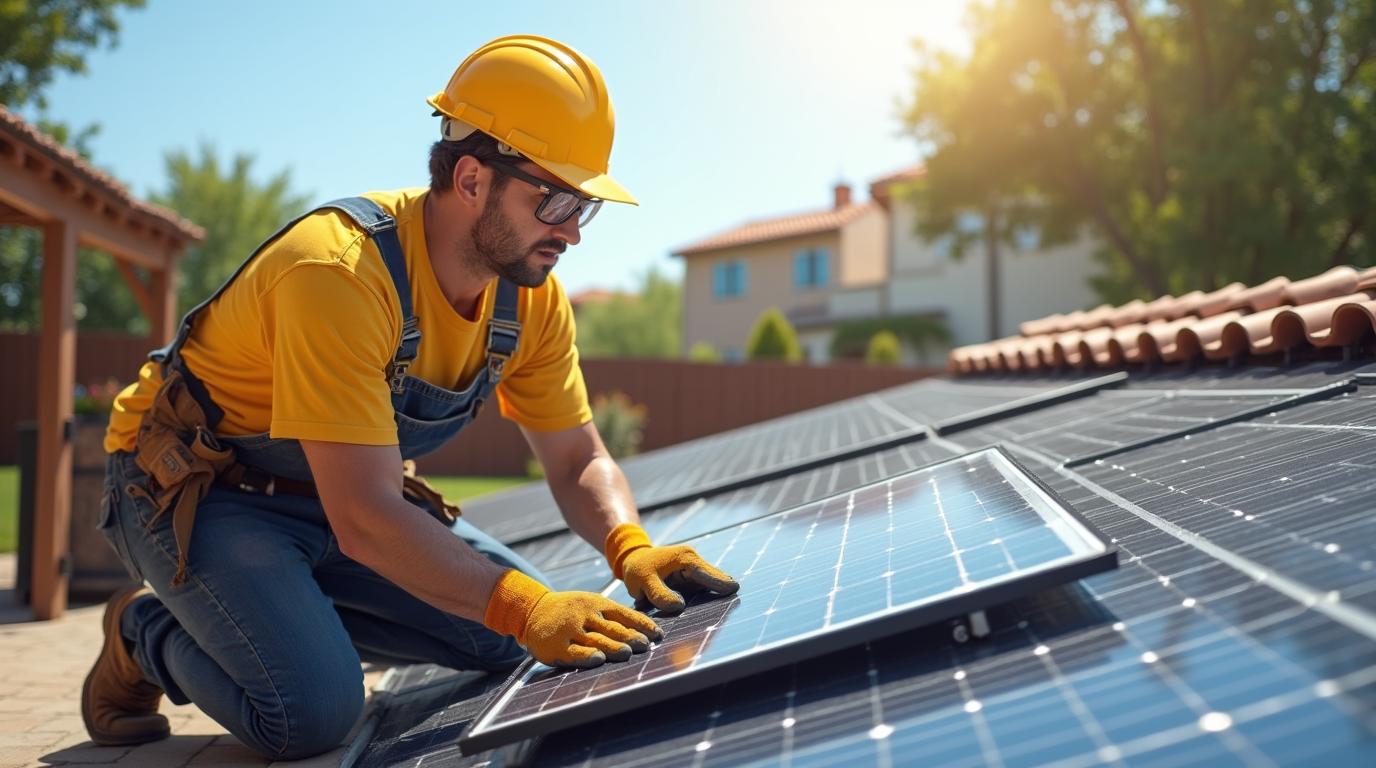
Patio Roof Solar Panels: Your Complete Guide from a Texas Roofer with 15 Years Experience
I have installed over 300 solar roofing systems across Texas. My team holds certifications from the North American Board of Certified Energy Practitioners and Texas roofing licenses. We have completed patio solar projects from Houston to Dallas. This article exists because homeowners keep asking the same questions. They want shade and energy savings. They worry about costs and installation. They need clear answers from someone who actually does this work. I wrote this guide to solve your specific problems. You will learn if patio solar works for your home. You will understand the real costs and benefits. You will get honest advice from field experience, not sales pitches.
This information comes from real customer projects. I reviewed manufacturer specifications from Solar.com and Tesla Solar. I studied Texas building codes and local regulations. My recommendations follow proven installation methods. I will show you what works and what doesn't. You will get practical tips that save you time and money. Let's begin with the basics of patio roof solar panels.
What Are Patio Roof Solar Panels Exactly?
Patio roof solar panels convert sunlight into electricity. They mount on your patio cover structure. This creates shaded outdoor space while generating power. The system connects to your home's electrical panel. You use the electricity or send it back to the grid. Texas offers excellent solar conditions with abundant sunshine. Patio installations differ from roof-mounted systems. They require specific structural considerations. They offer unique advantages for Texas homeowners.
How Patio Solar Differs from Regular Roof Solar
Patio solar sits on a separate structure from your main house. This affects installation and permitting. The panels create a functional roof for your patio. They provide shade and weather protection. Regular roof solar mounts directly on your home's roofing materials. Patio systems often use different mounting hardware. They may require separate electrical connections. The orientation can be optimized for maximum sun exposure.
Key Components of a Patio Solar System
Every patio solar system has several essential parts. Solar panels capture sunlight. Mounting racks secure panels to your patio structure. Inverters convert DC power to AC power. Electrical wiring connects everything safely. Monitoring systems track energy production. Optional battery storage saves excess energy. Each component must work together properly. Quality materials ensure long-term performance.
Benefits of Installing Solar Panels on Your Patio Roof
Patio solar offers multiple advantages for Texas homeowners. You create usable outdoor living space. You generate clean electricity for your home. You increase your property value significantly. You gain energy independence from utility companies. You qualify for valuable tax incentives and rebates. You reduce your carbon footprint meaningfully. You enjoy outdoor comfort during hot Texas summers.
Energy Savings and Financial Returns
Solar panels can reduce your electricity bills dramatically. Texas homeowners typically see 40-70% savings. The exact amount depends on your energy usage. It also depends on your patio's size and orientation. Most systems pay for themselves in 6-10 years. They continue producing free electricity for decades. You may eliminate your electric bill completely. Excess power earns credits through net metering programs.
Increased Outdoor Living Space
Your patio becomes usable year-round with solar panels. The structure provides essential shade from Texas sun. It protects from rain and light weather conditions. You can entertain guests comfortably outdoors. The space functions as an additional living area. This adds practical square footage to your home. The value exceeds just energy production alone. Families use these spaces daily for relaxation.
Structural Requirements and Safety Considerations
Your patio must support solar panels safely. This requires proper engineering assessment. I always inspect the existing structure first. We check foundation conditions and load capacity. We verify wind resistance for Texas storms. We ensure compliance with local building codes. Safety is our top priority in every installation. Proper planning prevents problems later.
Load-Bearing Capacity Assessment
Solar panels add weight to your patio structure. Panels typically weigh 40-50 pounds each. Mounting hardware adds additional weight. Snow load is rarely a concern in Texas. Wind load matters significantly during storms. The structure must handle dynamic forces. We calculate dead loads and live loads precisely. Reinforcement may be necessary for older patios.
Texas Building Code Compliance
All solar installations must follow Texas building codes. The International Residential Code provides guidelines. Local municipalities may have additional requirements. Permits are required for electrical and structural work. Inspections ensure safety and quality. Proper documentation protects your investment. Code compliance affects insurance coverage. We handle all permitting for our customers.
Cost Analysis: What Texas Homeowners Really Pay
Patio solar costs vary based on several factors. System size is the primary cost driver. Material quality affects both price and performance. Installation complexity changes labor requirements. Location influences permitting and inspection fees. The average Texas patio system costs $15,000-$30,000. This includes all components and professional installation. Financing options make solar accessible for most homeowners.
Detailed Cost Breakdown
Solar panels represent 25-30% of total costs. Inverters account for 10-15% of the budget. Mounting hardware and racking cost 10-15%. Electrical components add 5-10%. Labor and installation require 20-25%. Permits and inspections cost 5-10%. Optional battery storage adds $10,000-$15,000. These percentages help you understand pricing structures.
Real Project Examples from Texas
Project One: Houston homeowner with 400 square foot patio. Installed 12 panels producing 4.2 kilowatts. Total cost was $18,500 before incentives. Federal tax credit reduced cost to $12,950. Monthly electric bill dropped from $180 to $45. Payback period estimated at 7 years. Project Two: Dallas family with 600 square foot patio. Installed 18 panels producing 6.3 kilowatts. Total cost was $26,800 before incentives. Added battery storage for $12,000 extra. Now operates independently during power outages. Both families report high satisfaction.
Material Selection: Choosing the Right Components
Quality materials ensure long system life. Solar panels come in different technologies. Monocrystalline panels offer highest efficiency. Polycrystalline panels provide good value. Thin-film panels work for specific applications. We recommend monocrystalline for Texas conditions. They perform better in high temperatures. They last longer with minimal degradation.
Panel Types and Efficiency Ratings
Monocrystalline panels achieve 18-22% efficiency. They use pure silicon crystal structure. They perform well in limited space. Polycrystalline panels reach 15-17% efficiency. They use melted silicon fragments. They cost less but need more space. Thin-film panels offer 10-13% efficiency. They work on curved surfaces sometimes. Efficiency affects how many panels you need.
Inverter Options for Texas Homes
String inverters connect multiple panels together. They offer simple design and lower cost. Microinverters attach to each panel individually. They optimize performance for shaded conditions. They cost more but provide better monitoring. Hybrid inverters work with battery storage. They manage multiple energy sources effectively. We typically recommend microinverters for patio installations.
Installation Process: What to Expect Day by Day
Professional installation follows a systematic process. Day One involves site preparation and safety setup. We protect your property with tarps and barriers. We mark utility lines to prevent damage. We install temporary power for tools. Day Two focuses on structural modifications. We reinforce the patio frame as needed. We install mounting hardware securely. We ensure proper alignment and leveling.
Panel Installation and Electrical Work
Day Three begins panel installation. We mount solar panels on the racking system. We connect electrical wiring between panels. We install inverters in appropriate locations. We run conduit to your electrical panel. Day Four completes system integration. We connect to your home's main electrical panel. We install monitoring equipment and software. We test all system components thoroughly.
Final Inspection and Activation
Day Five involves final inspections. The city inspector reviews the installation. The utility company approves grid connection. We complete final system testing. We provide customer training on operation. We submit paperwork for incentives. The system begins producing electricity immediately. Most installations complete within one week.
Maintenance Requirements and System Care
Solar systems require minimal maintenance. Basic care ensures optimal performance. Regular cleaning removes dust and debris. Seasonal inspections identify potential issues. Monitoring alerts you to problems early. Professional servicing maintains warranty coverage. Proper care extends system life significantly.
Cleaning and Performance Monitoring
Clean panels every 6-12 months in Texas. Use soft brushes and mild detergent. Avoid abrasive materials that scratch surfaces. Check monitoring software weekly initially. Look for consistent production patterns. Note any sudden drops in output. Address issues promptly to maximize savings.
Professional Maintenance Schedule
Schedule professional inspection annually. Certified technicians check all connections. They verify mounting integrity. They test electrical components. They update monitoring software. They provide performance reports. This maintenance preserves your investment value.
Texas-Specific Considerations and Regulations
Texas has unique solar regulations. Understanding them helps your project succeed. Net metering policies vary by utility company. Some offer full retail credit for excess power. Others provide lower wholesale rates. Tax exemptions reduce property tax impacts. Solar rights protect your installation access. Homeowners associations have specific rules.
Net Metering and Utility Policies
Most Texas utilities offer net metering. You receive credits for excess electricity. These credits offset future usage. Some companies have monthly true-up periods. Others carry credits indefinitely. Understand your specific utility's policy. This affects your financial calculations significantly.
Texas Tax Incentives and Rebates
The federal solar tax credit offers 30% savings. Texas has no state income tax credit. Property tax exemptions apply to solar additions. Some municipalities offer local rebates. Energy.gov lists available incentives. Combine multiple programs for maximum savings.
Frequently Asked Questions from Texas Homeowners
How long do patio solar panels last?
Quality solar panels last 25-30 years typically. Most manufacturers offer 25-year performance warranties. The panels continue working beyond warranty periods. Efficiency decreases slowly over time. Proper maintenance extends system life. The mounting structure may need replacement sooner. Electrical components might require updating. Overall, expect decades of reliable service.
Do solar panels work during power outages?
Standard grid-tied systems shut down during outages. This protects utility workers repairing lines. You need battery storage for backup power. Hybrid systems with batteries provide electricity. They automatically switch during grid failures. This keeps essential appliances running. Battery costs have decreased significantly. Many Texas homeowners add storage for reliability.
What happens during hail storms?
Modern solar panels withstand hail well. They undergo rigorous testing for impact resistance. Most withstand one-inch hail at 50 mph. Texas panels often have higher ratings. Check your specific product specifications. Homeowners insurance typically covers hail damage. Document your system for insurance purposes. Proper installation minimizes storm risks.
Can I install solar panels myself?
DIY installation is possible but not recommended. Solar involves high-voltage electrical work. Mistakes can cause fires or injuries. Improper installation voids manufacturer warranties. Building departments require licensed professionals. The savings rarely justify the risks. Hire certified installers for safety and quality. They ensure code compliance and proper performance.
How much value do solar panels add to my home?
Solar panels increase home value significantly. Studies show $15,000 average increase. The exact amount depends on system size. Energy savings make homes more attractive. Buyers appreciate lower utility costs. Solar homes sell faster than non-solar homes. The investment returns through both savings and equity.
What maintenance do solar panels require?
Solar panels need minimal maintenance. Clean them once or twice yearly. Remove leaves and debris regularly. Check for shading from growing trees. Monitor system performance through software. Schedule professional inspections annually. Address any issues promptly. Proper care ensures optimal energy production.
Are permits required for patio solar installation?
Yes, permits are always required. Electrical permits cover wiring and connections. Building permits address structural modifications. Your installer should handle permitting. They know local requirements and processes. Proper permits ensure safety and compliance. They also protect your warranty coverage.
Case Studies: Real Texas Patio Solar Projects
The Energy-Efficient Entertainer
A Kingwood family loved outdoor entertaining. Their existing patio provided limited shade. Summer heat made afternoon gatherings uncomfortable. We installed 16 solar panels on their patio cover. The system produces 5.6 kilowatts of power. Their electric bill decreased 65% immediately. The shaded patio stays 15-20 degrees cooler. They now host weekly gatherings comfortably. The project paid for itself in 8 years. They gained both energy savings and lifestyle improvement.
The Storm-Prepared Retiree
A retired couple in The Woodlands worried about power outages. They experienced multiple grid failures during storms. We designed a patio solar system with battery backup. The installation included 12 panels and two batteries. The system provides essential power during outages. It runs their refrigerator, lights, and medical equipment. Their energy independence brings peace of mind. The investment protects their health and safety. They recommend solar to all their neighbors.
Industry Statistics and Solar Growth in Texas
Texas ranks second in U.S. solar capacity. The state added 6,000 megawatts in 2023 alone. Residential solar grew 45% year-over-year. Over 500,000 Texas homes now have solar. Installation costs have dropped 70% since 2010. Panel efficiency has increased 50% in ten years. Battery storage adoption grew 200% recently. These trends make solar more accessible than ever.
Step-by-Step Guide to Getting Started
Follow these steps for successful patio solar installation. First, assess your energy usage patterns. Review 12 months of electric bills. Calculate your average monthly consumption. Second, evaluate your patio structure. Consider size, orientation, and condition. Note any existing shade issues. Third, research local installers. Check licenses, certifications, and reviews. Get multiple detailed quotes.
Planning and Decision Making
Fourth, design your optimal system. Determine panel quantity and placement. Select components based on your needs. Fifth, secure financing options. Explore loans, leases, and cash purchases. Calculate return on investment carefully. Sixth, schedule professional installation. Prepare your property for construction. Coordinate with your installer's timeline.
Post-Installation Steps
Seventh, complete system activation. Pass all required inspections. Connect to the utility grid properly. Eighth, monitor performance regularly. Track energy production and savings. Address any issues immediately. Ninth, maintain your system properly. Clean panels as needed. Schedule annual professional inspections.
Conclusion: Making the Right Decision for Your Home
Patio roof solar panels offer significant benefits for Texas homeowners. They provide energy savings and outdoor comfort. They increase property value and energy independence. Proper planning ensures successful installation. Work with certified professionals for best results. Consider both immediate costs and long-term savings. Evaluate your specific needs and goals carefully.
Solar technology continues improving rapidly. Costs decrease while efficiency increases. Texas policies support solar adoption strongly. Now is an excellent time to consider patio solar. Start with a professional assessment of your property. Discuss options with experienced installers. Make informed decisions based on facts. Your investment will pay dividends for decades.
Take the first step today. Contact local solar installers for consultations. Review your energy usage patterns. Calculate potential savings for your home. Join thousands of satisfied Texas solar homeowners. Enjoy cleaner energy and lower bills. Create comfortable outdoor living spaces. Make a smart investment in your property's future.