
Installing Solar Panels on Flat Roof: A 15-Year Roofer's Complete Guide
I have installed roofing systems for over fifteen years. Our company has completed more than two thousand projects. We hold certifications from major manufacturers like GAF and CertainTeed. This experience gives me practical knowledge about solar installations. I want to share that knowledge with you today. This article exists to solve a specific problem. Many homeowners with flat roofs feel confused about solar panels. They worry about leaks, weight, and proper installation methods. This guide answers all those questions clearly. It helps you make an informed decision about your home. The information here comes from real customer projects. I gathered data from industry sources and manufacturer specifications. I studied building codes like the International Residential Code (IRC). My recommendations follow proven methods from the field. This content provides direct answers without fluff. It will save you time and prevent costly mistakes. Let's explore solar panels for flat roofs together.
Why Flat Roofs Are Different for Solar
Flat roofs present unique challenges for solar installation. They are not truly flat but have a slight slope for drainage. This slope is usually between 1/4 inch to 1/2 inch per foot. The roofing membrane material is also different. Common materials include TPO, EPDM, and modified bitumen. These materials require special attachment methods. You cannot penetrate them carelessly. Water pooling is another major concern. Solar panels must not block drainage paths. The structural load capacity is critical too. Flat roofs must support the solar array weight. This includes snow accumulation in winter. Understanding these differences is the first step. It ensures a successful and durable solar installation.
Common Flat Roof Materials and Compatibility
TPO roofing is a single-ply membrane. It is highly reflective and energy efficient. TPO is compatible with most solar mounting systems. Ballasted systems work well with TPO roofs. EPDM is a synthetic rubber membrane. It is durable and resistant to weathering. EPDM requires careful attachment to avoid leaks. Modified bitumen is asphalt-based. It is installed in multiple layers. This material can handle penetrations with proper flashing. Always check your roof warranty first. Some manufacturers have specific requirements for solar attachments. Consult the GAF Solar or CertainTeed guidelines for details.
Drainage and Water Management
Proper drainage prevents water damage. Flat roofs use drains, scuppers, and gutters. Solar panels must be placed strategically. They should never block water flow to drains. Installers should map drainage paths before installation. They can use raised mounting systems. These systems allow water to flow underneath. Regular maintenance is also important. Clear debris from around panels and drains. This prevents clogging and water backup. Good water management protects your roof investment.
Solar Mounting Systems for Flat Roofs
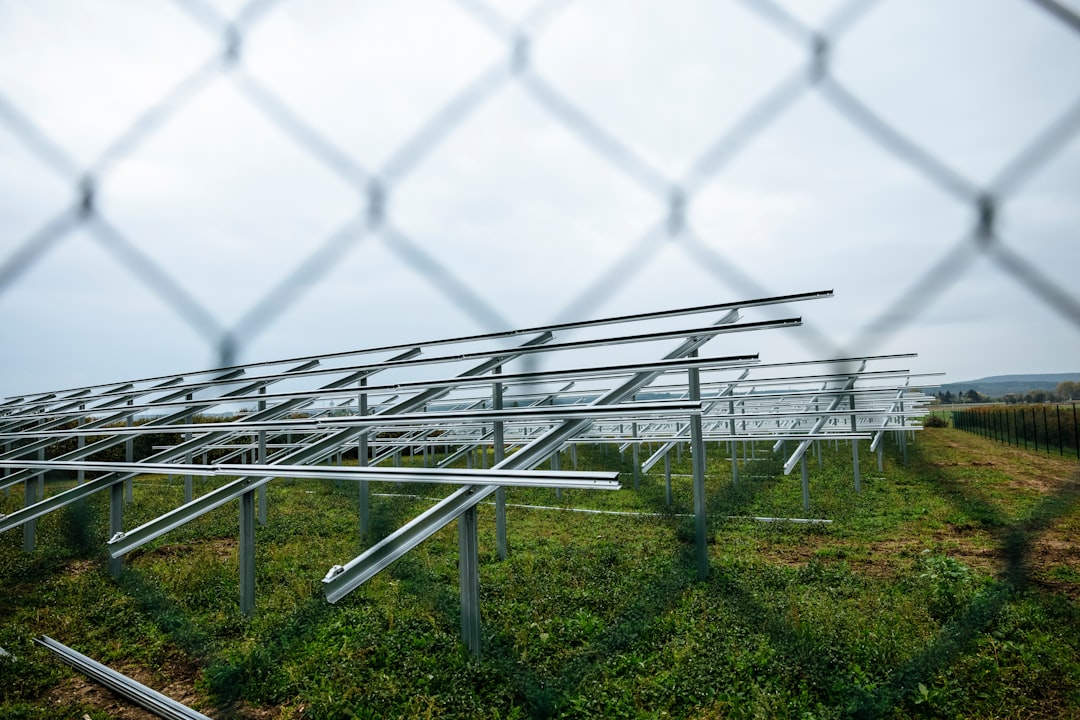
Choosing the right mounting system is crucial. There are three main types for flat roofs. Ballasted systems use weight to hold panels in place. They do not require roof penetrations. This protects the roof membrane from leaks. Ballasted systems use concrete blocks or pavers. They distribute weight across a large area. Penetrating systems use anchors bolted to the roof structure. They provide maximum wind resistance. Proper flashing seals the penetration points. Hybrid systems combine both methods. They use some ballast and some mechanical attachments. Each system has advantages and disadvantages. Your choice depends on roof condition and local climate.
Ballasted Mounting Systems
Ballasted systems are popular for flat roofs. They avoid roof penetrations completely. This eliminates potential leak points. The system uses weighted racks or trays. Concrete blocks or specialized ballast blocks provide the weight. The weight must be calculated carefully. It depends on panel size and local wind speeds. Engineers use software for these calculations. Ballasted systems require a strong roof structure. The roof must support the extra dead load. These systems allow for easy panel adjustment. You can optimize the tilt angle for sun exposure. Maintenance is straightforward with ballasted systems. They can be removed and reinstalled if needed.
Penetrating Mounting Systems
Penetrating systems attach directly to the roof structure. They use anchors screwed into the roof deck. A metal frame holds the solar panels. This method provides excellent stability. It is ideal for high-wind areas like coastal regions. The key is proper waterproofing. Each penetration must be flashed correctly. Use high-quality flashing materials from manufacturers like Metal Construction Association. The flashing should integrate with the roof membrane. This creates a watertight seal. Penetrating systems have a lower profile. They sit closer to the roof surface. This can be more aesthetically pleasing. However, they require more labor for installation.
Structural Assessment and Load Calculations
A structural assessment is mandatory before installation. You must know your roof's load capacity. This includes dead load and live load. Dead load is the weight of the solar system itself. Live load includes snow, wind, and maintenance personnel. The International Residential Code (IRC) provides load requirements. Section R301 covers design criteria. A structural engineer should evaluate your roof. They will check the framing, decking, and support walls. Older homes may need reinforcement. This adds to the project cost but ensures safety. Do not skip this critical step. An overloaded roof can lead to catastrophic failure.
Working with a Structural Engineer
Hire a licensed structural engineer. They will inspect your roof's construction. They review original building plans if available. The engineer calculates existing loads. They add the proposed solar system weight. They also factor in local climate data. This includes snow load from the IRC and wind load maps. The engineer provides a stamped report. This report confirms the roof's suitability. It may recommend reinforcements like additional beams. Follow the engineer's recommendations precisely. This protects your home and ensures code compliance.
Understanding Snow and Wind Loads
Snow load is the weight of snow on the roof. Flat roofs collect more snow than sloped roofs. Solar panels can create snow dams. This increases localized weight. Wind load is the force of wind on the panels. Panels act like sails in high winds. Mounting systems must resist uplift forces. Local building codes specify minimum design loads. Your engineer will use these codes. They might recommend tilt angles that shed snow. They may specify additional ballast for wind resistance. Proper load management ensures system longevity.
Installation Process Step by Step
The installation follows a detailed sequence. First, the roof area is cleaned and inspected. Any existing damage is repaired. The mounting system layout is marked on the roof. This avoids electrical conduits and drainage paths. For penetrating systems, anchor points are drilled. Flashing is installed at each penetration. The mounting rails are secured to the anchors. For ballasted systems, ballast blocks are positioned. Rails are attached to the ballast trays. Solar panels are then placed on the rails. They are connected with electrical connectors. Conduit runs from the panels to the inverter. The inverter is installed in a protected location. Finally, the system is tested and connected to the grid.
Roof Preparation and Protection
Roof preparation is essential for warranty protection. Clean the roof surface thoroughly. Remove all debris, dirt, and loose material. Inspect the membrane for punctures or blisters. Repair any issues before installation. Use protective boards or walkway pads. These protect the membrane during installation. Workers should wear soft-soled shoes. Avoid dragging equipment across the roof. Good preparation prevents accidental damage. It also ensures a solid base for the mounting system.
Electrical Wiring and Safety
Electrical work requires a licensed electrician. DC wiring runs from the panels to the inverter. Use UV-resistant conduit for roof exposure. Secure conduit properly to prevent wind damage. The inverter converts DC power to AC power. It should be installed in a cool, shaded area. A disconnect switch allows for safe maintenance. The system must meet National Electrical Code (NEC) standards. Article 690 covers solar photovoltaic systems. Your local utility company requires an inspection. They will approve the connection to the grid. Never attempt electrical work yourself.
Cost Analysis and Financial Considerations
Solar panel costs vary based on system size. A typical residential system is 5 to 10 kilowatts. For flat roofs, costs range from $15,000 to $30,000. This includes panels, mounting, inverter, and labor. Flat roof installations often cost more than sloped roofs. The mounting systems are more complex. Structural reinforcement may be needed. However, federal tax credits reduce the net cost. The Investment Tax Credit (ITC) covers 30% of the system cost. Some states offer additional rebates. Check the DSIRE database for local incentives. Financing options include solar loans and leases. Calculate your payback period carefully. Most systems pay for themselves in 8 to 12 years.
Real Project Cost Example
We installed a 7.5 kW system on a flat roof last year. The home had a TPO membrane in good condition. The project required a ballasted mounting system. The total cost was $22,500 before incentives. This included 25 solar panels and a string inverter. The homeowner received a $6,750 federal tax credit. Their state rebate was $1,000. The net cost became $14,750. Their monthly electric bill dropped from $180 to $20. The system produces about 10,000 kWh annually. The payback period is estimated at 9 years. This example shows realistic numbers for homeowners.
Warranty and Insurance Implications
Solar panels come with product warranties. These typically cover 25 years for power output. The inverter warranty is usually 10 to 15 years. The installation workmanship warranty varies by contractor. Our company offers a 10-year workmanship warranty. Notify your homeowners insurance company about the installation. The solar system increases your property value. Your policy should cover the system against damage. Some insurers require a separate rider. Keep all warranty documents and receipts in a safe place.
Maintenance and Long-Term Care
Solar systems require minimal maintenance. However, flat roofs need regular attention. Inspect the roof membrane annually. Look for signs of wear around mounting points. Check ballast blocks for movement. Clean the solar panels every six months. Dust and dirt reduce efficiency. Use a soft brush and water from the ground. Never use abrasive cleaners or high-pressure spray. Monitor system performance through the inverter app. Watch for sudden drops in energy production. This could indicate a problem. Trim overhanging tree branches. They can shade panels and drop debris. Schedule professional inspections every five years. A certified technician can check electrical connections and mounting integrity.
Seasonal Maintenance Checklist
- Spring: Clean panels after pollen season. Inspect for winter storm damage.
- Summer: Check for overheating components. Ensure ventilation around inverter.
- Fall: Clear leaves and debris from roof and panels. Check drainage systems.
- Winter: Monitor snow accumulation. Remove heavy snow carefully with a roof rake.
Dealing with Roof Repairs
Eventually, your roof will need repairs or replacement. Solar panels complicate this process. The panels must be removed temporarily. This adds cost to the roof project. Plan for this expense in your long-term budget. Work with a roofing contractor experienced in solar. They will coordinate panel removal and reinstallation. The solar installer should provide a quote for this service. Keep the mounting system components organized during removal. This ensures proper reinstallation. A good roof under your solar panels is essential. Do not delay necessary roof repairs.
Frequently Asked Questions (FAQ)
Will solar panels cause my flat roof to leak?
Properly installed solar panels will not cause leaks. The key is using correct flashing and sealing methods. Ballasted systems avoid penetrations entirely. Penetrating systems use waterproof flashing kits. Hire an experienced installer with flat roof expertise. They will follow manufacturer guidelines precisely. A good installation includes thorough leak testing. This ensures your roof remains watertight for years.
How much weight can my flat roof support?
Roof load capacity varies by construction. Older homes may support 15-20 pounds per square foot. Modern buildings often handle 30-40 PSF. A structural engineer must determine your specific capacity. They consider joist size, spacing, and material. The solar system adds 3-6 PSF for ballasted systems. Snow load adds another 10-40 PSF depending on location. Never guess about weight limits. Professional assessment is essential for safety.
Can I install solar panels on an old flat roof?
It is not recommended to install on an old roof. Solar panels have a 25+ year lifespan. Your roof should last at least as long. If your roof is over 10 years old, consider replacement first. Installing solar on a failing roof leads to problems. You will pay to remove panels for roof repairs later. Replace the roof membrane before solar installation. This provides a fresh, warranty-protected surface. It is more cost-effective in the long run.
What is the best tilt angle for flat roof solar panels?
The optimal tilt angle depends on your latitude. For maximum annual production, match your latitude. For example, 30 degrees at 30 degrees latitude. Flat roof systems often use 10-15 degree tilts. This reduces wind load and visual impact. Some systems allow seasonal angle adjustment. Fixed-tilt systems are simpler and cheaper. Your installer can model different angles. They will show you the energy production differences. Balance efficiency with practical considerations.
How do I clean solar panels on a flat roof?
Safety is the top priority for cleaning. Use a long-handled soft brush from ground level if possible. For roof access, use proper fall protection equipment. Never walk on the panels themselves. Use deionized water to prevent mineral spots. Clean early in the morning or on cloudy days. Hot panels can crack from sudden temperature changes. Many homeowners hire professional cleaning services. They have the equipment and insurance for safe work.
Do I need special permits for flat roof solar?
Yes, permits are required for all solar installations. Your contractor typically handles the permit process. They submit structural drawings and electrical diagrams. The building department reviews for code compliance. They check structural calculations and fire safety. The utility company requires interconnection approval. Permit costs vary by municipality. They typically range from $200 to $800. Never proceed without proper permits. Unpermitted work can void warranties and insurance.
Can I walk on my flat roof after solar installation?
You can walk on the roof but must be careful. Use designated walkways between panel rows. Never step directly on the panels or glass surfaces. Wear soft-soled shoes to protect the membrane. Avoid walking on the roof during extreme heat. The membrane becomes soft and vulnerable. Limit roof traffic to necessary maintenance. Consider installing permanent walkway pads. These protect the roof from repeated foot traffic.
Real Project Case Study: Houston Homeowner
Mr. and Mrs. Gonzalez own a 1980s home with a flat roof. They wanted to reduce their high summer cooling bills. Their roof had a modified bitumen membrane in fair condition. We recommended a full roof replacement first. They chose a white TPO membrane for better reflectivity. We installed a 8.2 kW solar system using a ballasted mount. The system included 28 panels and microinverters. Total project cost was $28,400. After federal and state incentives, net cost was $18,500. Their first-year energy production was 11,200 kWh. This covered 85% of their annual electricity use. Their electric bill dropped by $1,800 in the first year. The roof replacement added 20 years of warranty protection. The Gonzalez family is very satisfied. They recommend solar to all their neighbors now.
Industry Statistics and Trends
The solar industry is growing rapidly. The Solar Energy Industries Association (SEIA) provides valuable data. Solar installations increased 45% year-over-year in 2023. Over 3 million homes now have solar panels in the U.S. Flat roof installations represent about 15% of residential projects. This percentage is growing as more homeowners choose solar. The average cost per watt has dropped 70% since 2010. Federal policy supports continued growth. The Inflation Reduction Act extended tax credits through 2034. These trends make solar more accessible than ever. Homeowners should act while incentives remain strong.
Conclusion and Next Steps
Installing solar panels on a flat roof is a smart investment. It requires careful planning and professional execution. Start with a thorough roof inspection. Consult a structural engineer for load analysis. Choose an experienced solar installer with flat roof expertise. Compare mounting system options for your specific situation. Understand all costs and available incentives. Plan for long-term maintenance and eventual roof repairs. The process may seem complex but is manageable step by step. The benefits include lower energy bills and reduced carbon footprint. Your home value increases with solar installation. Take the first step today. Get quotes from three qualified contractors. Ask for references from previous flat roof projects. Review their warranties and insurance coverage. Make an informed decision for your home and family. Solar power on your flat roof is an achievable goal.