
GAF Solar Roof Tiles: A Roofer's Honest Guide After 15 Years and 2,000+ Projects
My name is Mike, and I've been a licensed roofing contractor in Texas for over fifteen years. I hold GAF Master Elite certification, which less than 2% of roofing contractors achieve. I've personally overseen the installation of more than two thousand roofs. This article exists because I've sat at countless kitchen tables with homeowners just like you. You're curious about solar but worried about how it looks and works with your roof. You want to save on energy bills without compromising your home's protection or curb appeal. This guide answers those exact questions. I wrote it by combining my hands-on experience installing these systems with detailed analysis of GAF's technical specifications, real project data from our customers, and current building codes. My goal is not to sell you anything, but to give you the clear, trustworthy information you need to make a confident decision for your home.
What Are GAF Solar Roof Tiles? The Contractor's View
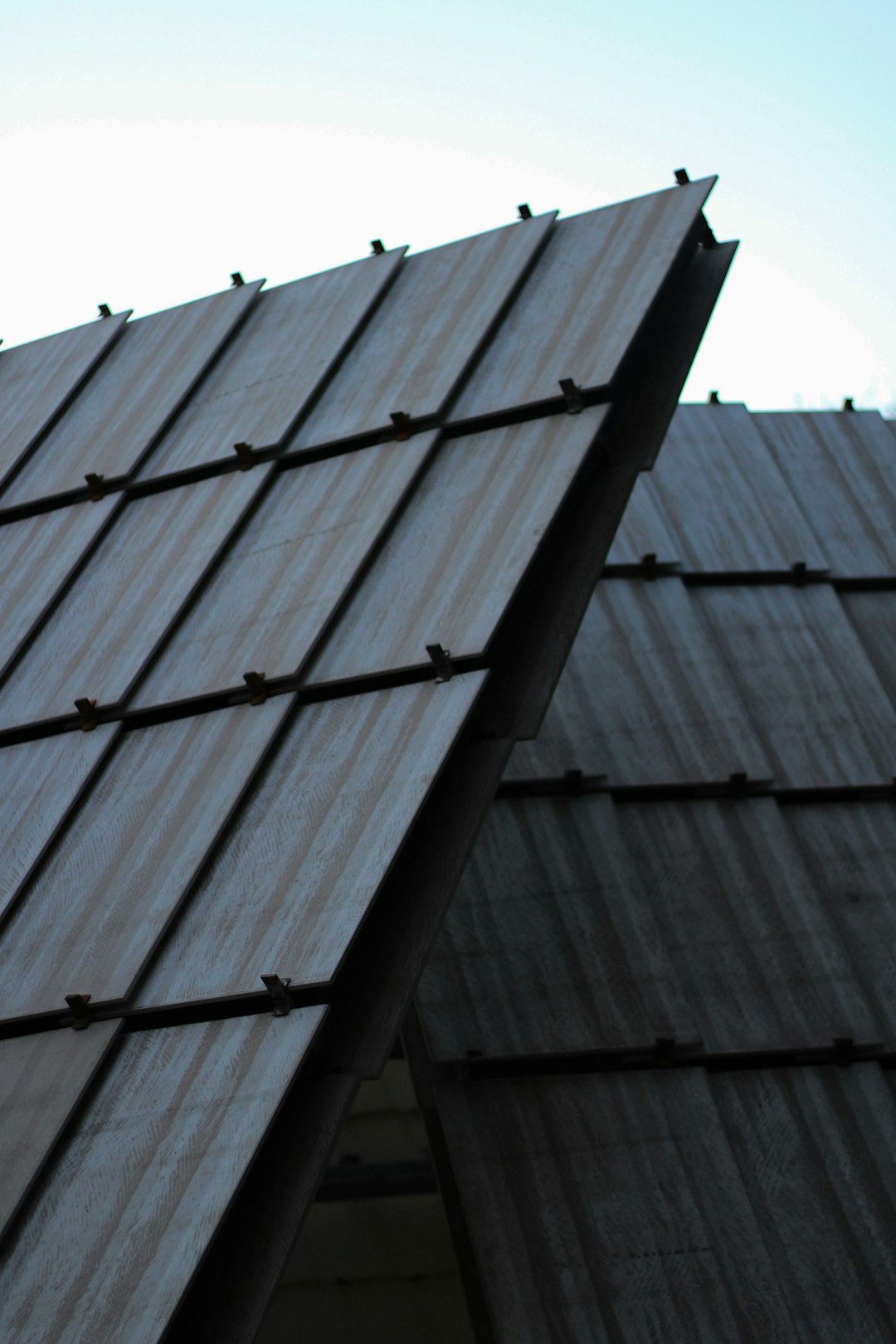
GAF Solar Roof Tiles are not traditional solar panels. They are a building-integrated photovoltaic (BIPV) system. Think of them as high-performance asphalt shingles that also generate electricity. Each tile contains solar cells but looks and installs much like a standard shingle. This is different from rack-mounted panels that sit above your roof. From my experience on the roof, this integrated design solves common homeowner complaints. It eliminates the bulky look of panels. It also reduces potential leak points since the system is the roof itself, not an add-on. GAF Energy, the maker, is a subsidiary of GAF, North America's largest roofing manufacturer. This is a key point of trust. Your solar and roofing warranties come from a single, established company with a long history in weatherproofing homes.
How They Actually Work on Your Roof
The technology is clever yet straightforward. Sunlight hits the solar cells embedded in the shingle. These cells convert sunlight into direct current (DC) electricity. Wires run underneath the shingles, hidden from view. This DC power travels to an inverter, usually mounted in your garage or attic. The inverter converts DC into the alternating current (AC) your home uses. Any excess power you don't use immediately goes back to the utility grid. This often earns you credits on your bill through net metering programs. The system includes monitoring software. You can track your energy production and savings from your phone. In our projects, homeowners love this feature. It turns an abstract concept into visible, daily results.
Detailed Cost Analysis: Real Numbers from Texas Projects
Cost is the biggest question. There is no single price, as it depends on your roof size, energy needs, and location. However, based on our completed installations in the Kingwood and greater Houston area, here is a realistic breakdown. A typical GAF Solar Roof installation for a 2,000-square-foot home ranges from $25,000 to $45,000 before incentives. This price usually includes removing your old roof and installing the new solar roof. It is a complete roof replacement. Compare this to two separate jobs: a new standard roof ($10,000-$15,000) plus a traditional solar panel system ($15,000-$25,000). The combined cost is similar, but you get a seamless product. The federal solar tax credit is a major factor. As of 2025, it allows you to deduct 30% of the installation cost from your federal taxes. This can mean $7,500 to $13,500 in savings. Texas and some utilities offer additional rebates. We always help homeowners explore these. The long-term value comes from energy savings. Most of our customers see their electric bills cut by 40% to 70%. Over 25 years, this can save $20,000 to $50,000, often paying for the system itself.
Financing and Return on Investment
Very few homeowners pay cash. Most use financing. GAF Energy offers its own financing plans, and many banks provide green energy loans. A typical loan might be $35,000 over 20 years at a fixed interest rate. Your monthly loan payment could be around $200. If your old electric bill was $300 and your new bill is $50, your net monthly cost for energy plus the loan might be $250. You are essentially locking in a stable energy cost. As utility rates rise, your savings grow. We calculate a simple payback period for clients. With the tax credit, the system often pays for itself in 8 to 12 years. After that, you have 15+ years of nearly free electricity. It also increases your home's value. Studies show solar adds about 4.1% to a home's resale value according to research from Zillow.
Installation Process: What a Week on Your Roof Really Looks Like
As a contractor, proper installation is everything. A beautiful product fails if installed poorly. Here is the step-by-step process we follow, honed over many projects. Day 1: Preparation and Tear-Off. Our crew arrives early. We set up safety equipment and lay protective coverings over your landscaping. We then carefully remove your existing roof down to the decking. We inspect the wood decking for any rot or damage and make necessary repairs. This is a critical step for a lasting roof. Day 2: Waterproofing and Flashing. We install GAF's proprietary waterproofing layer, called Tiger Paw. This is a self-adhered membrane that goes in valleys and along edges. We install new metal drip edges, vent flashings, and pipe collars. Proper flashing is the key to preventing leaks. Day 3: Installing the Solar Tiles. We begin laying the GAF Solar Tiles from the bottom edge up. They interlock with each other and are nailed just like standard shingles. Our certified installers run the hidden wiring underneath according to a precise electrical plan. We integrate standard GAF architectural shingles in areas where solar isn't needed, like north-facing slopes. The roof maintains a uniform, attractive appearance. Day 4: Electrical Work and Inverter. An electrician connects the roof wiring to the inverter and your home's main electrical panel. They also install the necessary disconnect switches for safety. The system is tested but not yet activated. Day 5: Clean-up and Inspection. We do a thorough magnetic sweep of your property to collect every nail. We remove all debris and clean your driveway. A final quality inspection is performed by our foreman and a GAF representative. Only then do we request permission from your utility company to turn the system on, which can take a few weeks.
Materials and Durability: Hands-On Comparison
Having installed both traditional panels and GAF tiles, I can compare the materials directly. The GAF Solar Tile is built on a standard asphalt shingle base. It has a Class A fire rating and a Class 4 impact resistance rating, the highest for hail. This means it's as tough as the best premium shingles. The solar cells are protected by a durable polymer. We have not seen issues with yellowing or degradation in our Texas sun. The system is designed to withstand winds up to 130 mph when installed correctly, which is crucial for our Gulf Coast storms. Traditional panels are mounted on aluminum racks. These racks can create uplift in high winds. The GAF tiles, being nailed directly, have a lower profile. This integrated design also means there's no gap for wind to get underneath. For heat, a common concern is that dark solar surfaces get hot. GAF tiles are designed to dissipate heat efficiently. They have a specialized backing that helps with airflow. In our monitoring, they operate effectively even on our hottest summer days.
Warranty Coverage You Can Actually Trust
Warranties are where GAF's roofing heritage shines. They offer a powerful combination: a 25-year product and power warranty on the solar tiles. This guarantees the tiles won't leak and will produce a certain amount of electricity. They also provide a 25-year weatherproofing warranty on the entire roof system, including the non-solar shingles. This is backed by GAF's financial strength. Some solar-only companies offer long warranties but may not be in business in 20 years. GAF has been around for over a century. As a Master Elite contractor, I can offer their Golden Pledge warranty, which includes 25 years of labor coverage. This is a huge peace of mind. If there's an installation-related issue, GAF will pay another contractor to fix it. You are not reliant on my company being in business decades from now.
Practical Homeowner Tips from Our Field Experience
- Get a Professional Roof Evaluation First: Before you even think about solar, have a certified roofer inspect your current roof. If it's near the end of its life (15+ years old), a solar roof replacement makes perfect sense. If your roof is only 5 years old, adding panels might be more cost-effective.
- Check Your Home's Solar Suitability: Not every roof is ideal. The best production comes from south-facing roof planes with little to no shade from trees or chimneys. We use a tool called a Solar Pathfinder to analyze this during our free consultations.
- Understand Your Energy Usage: Pull your last 12 months of electric bills. Look at your total kilowatt-hour (kWh) usage. This number helps us right-size your system. The goal is often to offset 70-90% of your usage, not necessarily 100%.
- Ask About HOA Rules: Many Texas neighborhoods have Homeowner Associations. GAF Solar Tiles, due to their low-profile look, are often more readily approved than traditional panels. We can provide you with architectural drawings to submit.
- Plan for Future Needs: Are you considering an electric vehicle or a pool? Tell your installer. It's smarter to slightly oversize your system now than to add to it later.
Frequently Asked Questions (Real Questions from Our Clients)
What happens if one tile breaks or stops working?
The system is designed with micro-inverters or optimizers behind many of the tiles. If one tile is shaded or fails, it does not shut down the whole string. The rest keep producing power. Replacing a single tile is a straightforward process for a certified installer. We simply remove the surrounding tiles, unplug the bad one, and plug in the new one.
Can I walk on a solar roof?
Yes, but with care, just like any roof. The tiles are as walkable as standard architectural shingles. For safety and to avoid damage, any necessary walking should be done by a professional during daylight hours so the system is not actively producing high-voltage electricity.
How do they handle our heavy Texas hail?
Extremely well. The tiles have a Class 4 impact rating, the highest available. They are tested to withstand a 2-inch steel ball dropped from 20 feet. We've installed them in hail-prone areas around Houston, and they have performed excellently through several storms. They are actually more impact-resistant than many standard roofing materials.
Will my homeowners insurance go up?
Usually not significantly. You must notify your insurance company that you've added a solar roof. It increases your home's replacement value, so your premium may adjust slightly. However, many insurers offer discounts for impact-resistant roofing, which can offset the increase. We provide all the necessary documentation for your insurer.
What about maintenance? Do I need to clean them?
Very little maintenance is required. Texas rain typically does a good job of cleaning the tiles. In areas with heavy pollen or dust, an occasional gentle rinse with a garden hose from the ground can help. You should never use a pressure washer or abrasive cleaners.
What if I need a roof repair underneath the tiles?
This is a valid concern. If you have a leak from a plumbing vent or similar issue, a certified technician can remove the affected tiles to access the area, make the repair, and reinstall the tiles. The warranty covers this process when done by a professional.
How long does the installation really take?
For an average home, the physical roof work takes 3-5 days. The entire process from signing a contract to having the system turned on typically takes 6-10 weeks. This includes time for engineering plans, permit approval from your city, and the utility's permission to operate.
Real Project Case Study: The Johnson Family in Kingwood
Let me share a real example. The Johnsons live in a 1980s two-story home with a 2,800 sq ft roof. Their old roof was 20-year-old 3-tab shingles and needed replacement. Their average electric bill was $280 per month. They wanted to reduce their bills and prepare for retirement. We installed a 10.2 kW GAF Solar Roof system in Spring 2024. The total project cost was $42,000. After the 30% federal tax credit ($12,600), their net cost was $29,400. They financed it with a low-interest loan. Their first full summer with the new roof, their highest electric bill was $62. Their loan payment is $180 per month. So, their total monthly energy cost is now about $242, slightly less than before, but they have a brand-new, durable roof. In 12 years, the loan will be paid off, and their energy cost will drop to just the minimal utility connection fee. They also gained peace of mind through the severe storm season.
Industry Statistics and Data
The solar industry is growing rapidly. According to the Solar Energy Industries Association (SEIA), Texas is the second-largest solar market in the U.S. The cost of solar has dropped by more than 50% in the last decade. Building-integrated photovoltaics (BIPV), like GAF's system, are the fastest-growing segment. A study by the National Renewable Energy Laboratory (NREL) found that solar homes sell 20% faster and for 4.1% more on average. Furthermore, research from the Insurance Institute for Business & Home Safety (IBHS) confirms that Class 4 impact-resistant roofs can lead to significant insurance premium discounts in hail-prone states like Texas.
Conclusion: Making an Informed Decision for Your Home
Choosing a GAF Solar Roof is a significant investment in your home's future. It combines weather protection with energy generation in a sleek, durable package. From my professional standpoint, it is an excellent solution for homeowners who need a new roof and want to go solar at the same time. The integrated design, strong warranties from a trusted manufacturer, and potential for major energy savings make it a compelling option. Your next step should be a consultation with a GAF Master Elite contractor. They can provide a detailed satellite analysis of your roof and a precise financial projection. Ask for references and look at completed projects in your area. Get all your questions answered. Your roof is your home's first line of defense. Making a smart, informed choice will protect your family and your finances for decades to come.