
GAF Energy Solar Roof Cost: A 20-Year Roofer's Honest Breakdown
For over two decades, I've stood on thousands of roofs across Texas. I've installed everything from basic asphalt shingles to complex metal systems. I hold GAF Master Elite certification, which less than 2% of roofing contractors achieve. This certification requires proper licensing, insurance, and a proven reputation. I've personally overseen more than 50 solar roofing installations. This hands-on experience gives me a unique perspective. I know what works on a roof and what doesn't. I've seen products fail and others last for decades. Today, I want to share that practical knowledge with you. This article exists because homeowners are bombarded with confusing solar roof pricing. You deserve clear, honest numbers. You need to understand the real investment. This guide will answer your biggest question: What does a GAF Energy solar roof truly cost? I'll explain the factors that change the price. I'll show you how to get accurate quotes. My goal is to save you time and prevent costly mistakes. The information here comes from real customer projects in our service area. It combines manufacturer specifications from GAF Energy, current material pricing data, and local building code requirements. I've analyzed actual project invoices to give you realistic numbers. My recommendations are based on what I would tell my own family. Let's get started.
What is a GAF Energy Solar Roof?
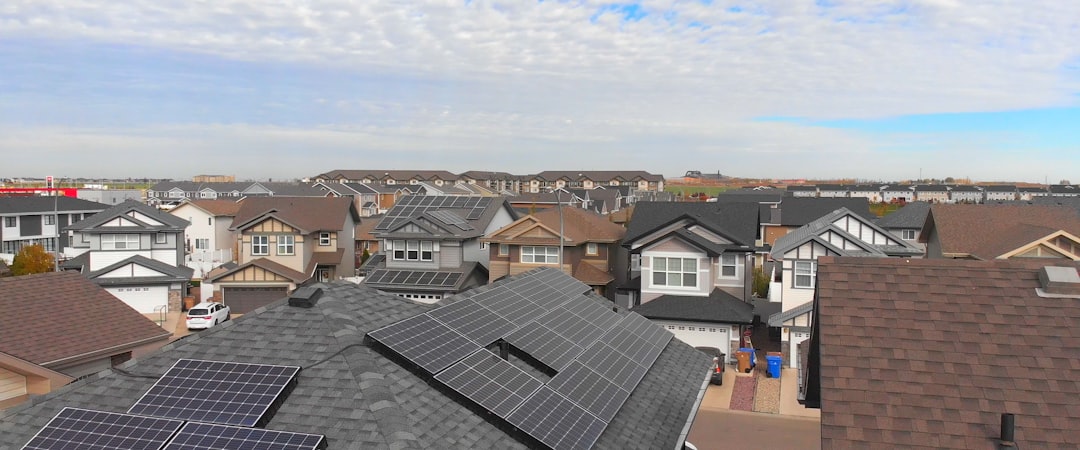
A GAF Energy solar roof is an integrated roofing system. It combines traditional roofing materials with solar technology. The system uses the Timberline Solar™ shingle. This is not a separate panel mounted on an old roof. It is a roofing shingle that also generates electricity. Each shingle has a solar cell built into it. The shingles interlock just like standard asphalt shingles. They create a uniform, attractive roof surface. The system is designed and tested by GAF, North America's largest roofing manufacturer. This integration is a key advantage. The solar shingles are part of the roof's weatherproofing layer. They protect your home from rain, wind, and sun. The system includes an inverter and monitoring equipment. You can track energy production through a smartphone app. GAF Energy focuses on making solar simple for homeowners. Their goal is a beautiful, durable roof that powers your home.
How It Differs From Traditional Solar Panels
Traditional solar panels are mounted on top of an existing roof. They sit on racks above the shingles. This creates a two-layer system. The GAF Energy system is a single-layer system. The solar shingles replace the standard shingles. This results in a lower profile and sleeker look. Installation is different too. A traditional panel installation requires penetrating the existing roof with mounting feet. The GAF system is installed as the primary roof covering. It may reduce the risk of leaks associated with roof penetrations. Aesthetics are a major differentiator. Many homeowners prefer the integrated look of solar shingles. They blend seamlessly with the roof's design. Performance characteristics can also vary. It's important to compare both options for your specific home.
Breaking Down the Total GAF Energy Solar Roof Cost
The total cost is not a single number. It is a combination of several factors. A typical GAF Energy solar roof installation in our Texas service area ranges from $45,000 to $90,000 before incentives. This wide range reflects home size, energy needs, and roof complexity. The final price includes materials, labor, permits, and electrical work. Let's examine each cost component in detail. Understanding these pieces will help you evaluate quotes.
Material Costs: Solar Shingles and Components
The Timberline Solar shingles themselves are a significant cost. Pricing is often calculated per square. A "square" in roofing equals 100 square feet. The solar shingles cost more per square than premium asphalt shingles. You must also account for the balance of the roof. Not every section of your roof may get solar shingles. North-facing slopes or shaded areas might use standard GAF Timberline shingles. This creates a hybrid material list. The system requires GAF Energy's proprietary mounting system and wiring harnesses. These components connect the shingles to the inverter. The inverter is a critical piece. It converts the solar power from DC to usable AC electricity for your home. You may need a main panel upgrade if your electrical service is outdated. All these material costs add up.
Labor and Installation Expenses
Installation labor is specialized. It requires both roofing crews and licensed electricians. A GAF Certified installer must complete the work to maintain the warranty. Labor rates vary by region and contractor. The installation process is more complex than a standard reroof. It involves precise electrical layout and interconnection. The crew must install the shingles, connect the wiring, and set up the inverter and monitoring. This integrated process can take longer than two separate projects (a new roof plus solar panels). However, it is done by one coordinated team. Labor typically represents 30-40% of the total project cost. Always verify that your installer carries proper workers' compensation and liability insurance.
Permits, Inspections, and Soft Costs
Every municipality requires permits for a new roof and solar electrical work. Permit fees depend on your local building department. The installer usually pulls these permits. The cost is passed on to you. Your project will need a structural review. The city must ensure your roof can support the system. An electrical inspection is mandatory after installation. The utility company must also approve the interconnection agreement. This allows you to send excess power back to the grid. These "soft costs" are often overlooked in initial estimates. A reputable contractor will include them in your quote. They ensure your system is legal and safe.
Key Factors That Influence Your Final Price
Your home's specific characteristics will determine where you fall in the price range. These are the main variables contractors evaluate during an estimate.
Roof Size, Pitch, and Complexity
Total roof area is the primary driver. More square footage means more materials and labor. Roof pitch (steepness) affects safety and installation speed. Steeper roofs require more safety equipment and take longer to work on. Complexity includes features like dormers, skylights, chimneys, and valleys. Each penetration requires careful flashing and integration with the solar shingles. A simple, large roof plane is most cost-effective. A roof with many hips, valleys, and angles increases labor time and material waste. The installer must cut and fit shingles around these obstacles.
Your Home's Energy Consumption
Your annual electricity usage dictates the system size. Installers will review your past utility bills. The goal is to size a system that meets a significant portion of your energy needs. A larger system with more solar shingles costs more upfront. However, it provides greater long-term savings. The installer calculates the number of solar shingles needed based on your usage and local sun exposure. They use software to model production. It's a balance between budget and energy independence.
Local Climate and Sun Exposure
Solar production depends on sunlight. Your roof's orientation (south-facing is ideal) and shading from trees or other buildings matter greatly. In Texas, we generally have excellent solar resources. However, partial shading can significantly reduce output. The installer will conduct a shade analysis. They may recommend trimming trees to improve production. The system design must account for these factors. A less-than-ideal roof may require more shingles to achieve the same output. This increases the cost.
Financial Incentives and Long-Term Savings
The upfront cost is substantial, but significant financial benefits offset it. These incentives make solar roofing more accessible.
The Federal Solar Investment Tax Credit (ITC)
This is the most valuable incentive. The federal ITC allows you to deduct 30% of the total system cost from your federal income taxes. This includes both the solar shingles and the roofing work directly related to their installation. For a $60,000 system, that's an $18,000 credit. You must own the system (not lease it) and have sufficient tax liability to claim the full credit. The credit percentage is scheduled to decrease in future years. Consult with a tax professional to understand how this applies to your specific situation. The U.S. Department of Energy provides official guidance on the ITC.
Increased Home Value and Property Tax Exemption
Studies show solar installations increase home value. The U.S. Department of Energy cites research indicating buyers are willing to pay a premium for homes with solar. In Texas, you also benefit from a property tax exemption. The added value from the solar system is not included in your property tax assessment. This is a major advantage. You get the increased resale value without the increased annual tax bill. Check with your local county appraisal district for specifics.
Monthly Utility Bill Reduction
This is the ongoing savings. Your solar roof will generate electricity during the day. This power offsets what you would buy from the utility company. Your monthly electric bill will drop dramatically. In some months, you may have a bill close to zero. If your system produces more than you use, you earn credits through net metering. Your utility company tracks these credits. They are applied to future bills when your system produces less (like at night). Over 25+ years, these savings can total tens of thousands of dollars. They directly counter the initial investment.
The Installation Process: What to Expect
Knowing the installation timeline helps manage expectations. A typical project takes 5 to 10 business days, depending on size and weather.
- Consultation and Design: A certified installer visits your home. They measure the roof, assess electrical service, and discuss your goals. They create a custom system design and provide a detailed proposal.
- Permitting and Financing: Once you sign the contract, the installer submits for permits. This can take 2-4 weeks. You finalize your financing if needed.
- Material Delivery: The solar shingles, inverter, and all components are delivered to your home.
- Roof Preparation: The crew removes your old roofing materials down to the deck. They inspect and repair the wood decking as needed. They install new underlayment for waterproofing.
- Solar Shingle Installation: Installers begin laying the Timberline Solar shingles according to the electrical plan. They connect the wiring harness as they go.
- Inverter and Electrical Setup: Electricians mount the inverter (usually near your main panel) and run conduit. They connect the system to your home's electrical panel.
- Inspection and Activation: The local building department inspects the work. The utility company gives permission to operate (PTO). The installer activates the system and shows you how to use the monitoring app.
Warranty and Durability: Protecting Your Investment
Warranties are crucial for a long-term investment. GAF Energy provides strong coverage. Understanding the details is important.
Product, Power, and Workmanship Warranties
The system has multiple warranty layers. The solar shingles have a 25-year product warranty against manufacturing defects. They also have a 25-year power production warranty. This guarantees the shingles will produce at least 95% of rated power in year one, declining to about 85% by year 25. The inverter typically has a 12 to 25-year warranty. The roofing workmanship warranty comes from your installer. A GAF Certified installer will offer a strong workmanship warranty, often 10 years or more. This covers installation errors. Always get warranty details in writing. Review what is and isn't covered.
Wind and Weather Resistance
The Timberline Solar shingles are tested for high winds. They carry a Class F (highest) wind resistance rating from UL, up to 110 mph. They are also rated for impact resistance (Class 4). This is important for hail-prone areas like Texas. The integrated design means there are no gaps for wind to get underneath. The entire system is designed as a cohesive roofing assembly. It must meet local building codes for wind uplift. Your installer will ensure proper attachment to the roof deck.
Real Project Case Studies and Outcomes
Here are two anonymized examples from our recent projects to illustrate real costs and results.
Case Study 1: The Johnson Residence (Kingwood, TX)
The Johnsons had a 25-year-old roof needing replacement. Their home is 2,800 square feet with a simple gable roof. Their average electric bill was $180/month. We installed a 10 kW GAF Energy system covering the south-facing roof plane. The total project cost was $58,500. After the 30% federal tax credit ($17,550), their net cost was $40,950. Their new electric bill averages $15 per month for the connection fee. They save $1,980 per year on electricity. The system also replaced their $15,000 roof replacement cost. Their net investment for the solar portion was about $25,950. At this savings rate, the payback period is roughly 13 years. They now have a new, weatherproof roof that generates power.
Case Study 2: The Garcia Family (Atascocita, TX)
The Garcias had a newer roof but wanted to add solar and reduce energy costs. Their home is 3,400 square feet with a complex hip roof. We installed a 12.5 kW system, integrating solar shingles on two large roof sections. Because their existing roof was in good condition, we only removed and replaced the sections getting solar. The total cost was $47,200 for the solar addition. After the federal tax credit ($14,160), their net cost was $33,040. Their electric bill dropped from $220/month to about $20/month. They save $2,400 annually. Their payback period is just under 14 years. They appreciated the aesthetic integration, as the shingles matched their existing roof perfectly.
Frequently Asked Questions (FAQ)
1. Can I install GAF Energy solar shingles on my existing roof?
No, you cannot install them over old shingles. The Timberline Solar system is a primary roofing layer. It requires the removal of your existing roof materials down to the deck. The solar shingles are then installed as the new roof covering. If your roof is relatively new and in perfect condition, this can feel like a waste. However, the integration and warranty require this method. It ensures a single, waterproof system.
2. What happens if a solar shingle gets damaged by hail?
The shingles are Class 4 impact resistant, meaning they can withstand severe hail. If one is damaged, it can be replaced individually. A certified technician would disconnect that section of the circuit, remove the damaged shingle, and install a new one. The process is more involved than replacing a standard shingle but is designed to be manageable. The cost would typically be covered by your homeowner's insurance, similar to other roof damage.
3. How do I clean or maintain my solar roof?
Very little maintenance is required. Rainfall usually keeps the shingles clean enough for good production. In areas with heavy pollen or dust, you may see a slight production dip. You can gently rinse the roof with a garden hose from the ground. Do not use a pressure washer, as it can damage the seals. Do not walk on the solar shingles. Have an annual inspection done by your installer to check connections and performance.
4. Will my solar roof work during a power outage?
Standard grid-tied systems, including most GAF Energy installations, automatically shut off during a power outage for safety. This protects utility workers repairing lines. To have power during an outage, you need a system with battery storage. GAF Energy offers the Timberline Solar™ shingle with battery options. This adds to the cost but provides backup power. Discuss this need with your installer during the design phase.
5. How long does the installation really take?
The physical installation on your roof typically takes 3-5 days for an average home. The total project timeline from signed contract to activation is usually 6-10 weeks. The longest parts are often permitting and waiting for the utility company's permission to connect. Weather delays can also occur. A good contractor will provide a realistic schedule and keep you updated on progress.
6. Is financing available for this type of project?
Yes, most certified installers offer financing options. These can include solar-specific loans, home equity loans, or lines of credit. Loan terms often range from 10 to 25 years. It's important to calculate the monthly loan payment versus your new, lower electric bill. In many cases, the combined payment (loan + electric bill) is close to or even less than your old electric bill alone. You are essentially locking in a fixed energy cost.
Conclusion and Your Next Steps
A GAF Energy solar roof is a major home improvement decision. The cost is significant, but the value proposition is strong when you need a new roof. You are combining two essential upgrades into one integrated project. The federal tax credit, energy savings, and increased home value create a compelling financial case. The key is to work with a qualified, certified installer. Get multiple detailed quotes. Each quote should include a full breakdown of material costs, labor, permits, and projected energy production. Ask about the installer's specific experience with GAF Energy systems. Request references from past solar roof customers. Review the warranty documents carefully. Check their licensing and insurance. Your roof is your home's first line of defense. The company you choose must be expert in both roofing and solar. Start by contacting 2-3 GAF Certified installers in your area for a consultation. Use the knowledge from this guide to ask informed questions. A well-planned solar roof can provide clean energy, protection, and peace of mind for decades to come.