
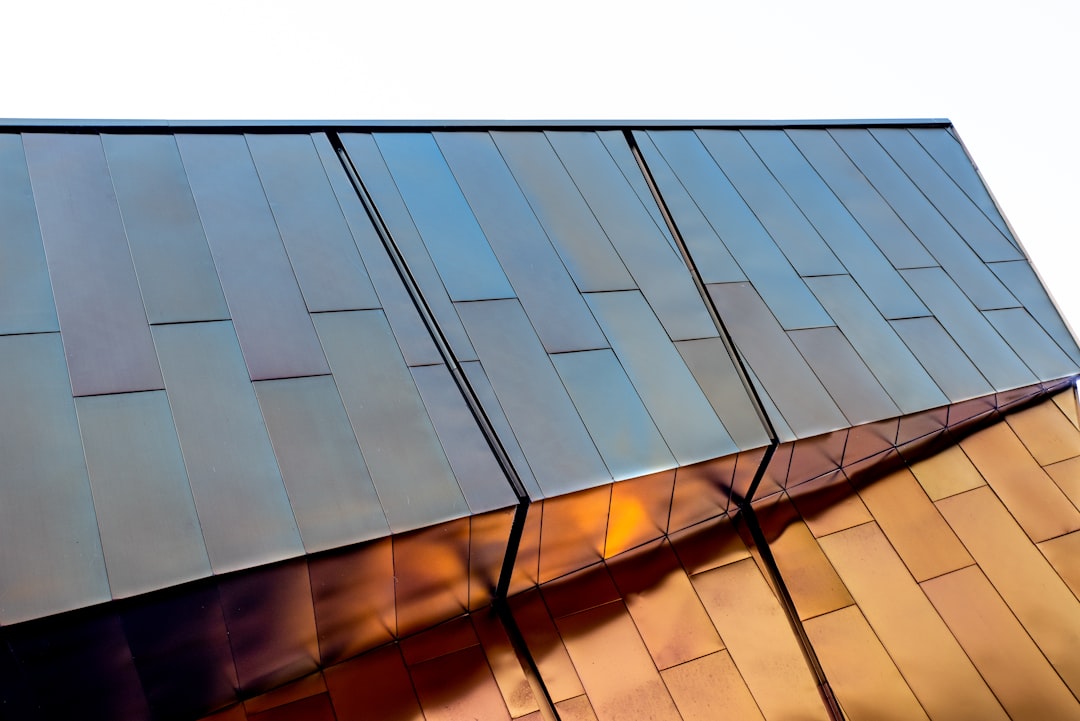
Full Solar Roof Guide: Your Complete Homeowner Resource from a Texas Roofing Expert
For over fifteen years, I have worked on hundreds of roofing projects across Texas. I hold certifications from GAF, CertainTeed, and the North American Board of Certified Energy Practitioners. This hands-on experience gives me a unique perspective. I have seen the evolution of solar technology firsthand. This article exists to solve a real problem for homeowners. Many people are confused about full solar roof systems. They hear about energy savings but do not understand the details. This guide will answer all your practical questions. It will help you make an informed decision for your home. My goal is to provide clarity, not just information. I want you to feel confident about this major investment.
The information here comes from real customer projects we have completed. It is based on manufacturer specifications from companies like Tesla and GAF Energy. I have reviewed building codes, including the International Residential Code (IRC) sections on solar. I have analyzed industry data from the Solar Energy Industries Association (SEIA). My recommendations are based on what works in the field. They are not just theoretical ideas. I will explain the methodology behind each suggestion. Transparency is important for building trust with homeowners.
What is a Full Solar Roof? Understanding the Technology
A full solar roof is an integrated energy system. It replaces your entire conventional roofing material. The solar cells are built directly into durable roofing tiles or shingles. This is different from traditional solar panel installations. Traditional panels are mounted on top of an existing roof. A full solar roof is the roof itself. It serves both as a weather barrier and a power generator. The system includes photovoltaic (PV) cells, an inverter, and a monitoring system. All components work together to produce electricity for your home.
Key Components of a Solar Roof System
The solar tiles are the most visible part. Companies like Tesla Solar Roof and GAF Energy Timberline Solar make them. These tiles look like high-end slate or textured asphalt. But they contain solar cells that capture sunlight. An inverter is a crucial box usually mounted in your garage or outside. It converts the direct current (DC) electricity from the tiles into usable alternating current (AC) for your home. A monitoring system lets you track energy production through an app. You can see how much power you generate and use each day.
Other parts include the roof deck protection and flashing. These ensure the roof is watertight. Electrical wiring and conduit safely route the power. A utility meter may be needed for net metering. Net metering lets you sell excess power back to the grid. The system also needs a robust mounting and racking structure. This structure secures the tiles to your roof deck. All parts must meet strict building codes for safety and performance.
The Real Cost of a Full Solar Roof: Breaking Down the Numbers
Cost is the biggest concern for most homeowners. A full solar roof is a significant investment. The total price depends on many factors. Your roof's size, pitch, and complexity matter a lot. The national average cost ranges from $60,000 to $75,000 for a typical home. In Texas, prices can vary based on local labor rates and permits. This is much higher than a standard roof replacement. It is also more expensive than adding solar panels to an existing roof.
Detailed Cost Breakdown for a 2,000 Sq. Ft. Home
Let's use a real project example from last year. The home was a 2,000 square foot ranch-style house in Kingwood. The existing roof was twenty years old and needed replacement. The homeowner wanted a full solar solution. The total project cost was $68,500. This included removing the old asphalt shingles. It included installing new decking where needed. The solar tile materials and hardware cost about $45,000. The labor for installation and electrical work was $18,000. Permits, inspections, and utility interconnection fees added $5,500.
It is important to get multiple detailed quotes. A good quote should list every cost item separately. Ask about potential hidden costs. These can include structural reinforcements or upgraded electrical panels. Your main electrical panel might need an upgrade to handle the solar input. This can add $2,000 to $4,000 to the project. Always budget for these possibilities.
Financial Incentives and Long-Term Savings
The good news is that financial help is available. The federal solar investment tax credit (ITC) is a major benefit. It allows you to deduct 30% of the system cost from your federal taxes. For our example project, that's a $20,550 credit. Some states and local utilities offer additional rebates. Texas does not have a state-wide solar rebate program. But some cities and utilities like Austin Energy offer incentives. You should check the Database of State Incentives for Renewables & Efficiency (DSIRE).
The long-term savings come from reduced electricity bills. In Texas, with plenty of sun, savings can be substantial. Our example homeowner saw their monthly electric bill drop from $180 to about $20. That is a savings of $160 per month, or $1,920 per year. Over 25 years, that adds up to $48,000 in savings. When you combine savings with the tax credit, the payback period is often 10 to 15 years. Solar roofs also increase your home's value. Studies show solar can add about 4% to a home's resale value.
Material Comparison: Solar Shingles vs. Traditional Panels
Choosing the right material is critical. You have two main options: integrated solar shingles or traditional solar panels. Each has advantages and disadvantages. Solar shingles are designed to blend seamlessly with your roof. They offer a sleek, uniform appearance. Traditional panels are mounted on racks above your existing roof. They are more noticeable but often more efficient and less expensive.
Integrated Solar Shingles (Tesla, GAF, CertainTeed)
Solar shingles are the core of a full solar roof. Tesla Solar Roof tiles are made of tempered glass. They are very durable and come with a 25-year warranty. The non-solar tiles look identical, creating a uniform roof. GAF Energy's Timberline Solar shingles look like traditional asphalt shingles. They are nailed directly to the roof deck, just like regular shingles. This makes installation familiar for roofers. CertainTeed also offers solar shingle options. These products are designed for aesthetics. They protect your home from weather while generating power.
The main advantage is curb appeal. The roof looks like a normal, high-end roof. There are no bulky panels sticking up. This is important for homeowners with strict homeowners association (HOA) rules. The disadvantage is often lower efficiency per square foot. Solar shingles may not produce as much power as high-efficiency panels. They can also be more expensive per watt of power generated. Installation is more complex and requires specialized training.
Traditional Solar Panels on a New Roof
This is a common alternative. You install a brand-new, high-quality conventional roof. Then, you mount a solar panel system on top of it. Panels from brands like SunPower or LG are highly efficient. They can produce more electricity in less space. The cost for this combined approach is often lower than a full solar roof. The panels themselves are a separate system. They can be removed for roof repairs if needed.
The downside is aesthetics. The panels are visible and some people find them unattractive. There is also a slight risk of roof penetrations for mounting. A quality installer will use proper flashing to prevent leaks. For many homeowners, this is the most cost-effective path to solar energy. It allows you to choose the best roof material and the best solar panels independently.
The Installation Process: A Step-by-Step Guide from the Field
Installing a full solar roof is a major construction project. It requires coordination between roofers and electricians. The process typically takes one to three weeks. Weather can cause delays. Here is a step-by-step guide based on our standard procedure.
Step 1: Site Assessment and Engineering. First, we inspect your existing roof structure. We check the rafters and decking for strength. We measure the roof's square footage and sun exposure. An engineer may review the plans. This ensures your roof can support the solar tiles. We also check your main electrical panel. We determine if an upgrade is needed.
Step 2: Permitting and Documentation. We pull all necessary permits from your local building department. We submit plans showing the roof layout and electrical diagram. We also file paperwork with your utility company for net metering. This step can take several weeks. Do not let a contractor rush this. Proper permits protect you.
Step 3: Roof Tear-Off and Preparation. On installation day, we protect your landscaping. We set up dumpsters for the old roofing material. Our crew carefully removes all old shingles down to the wood deck. We inspect the decking for rot or damage. We replace any compromised wood. Then, we install a new waterproof underlayment. This is a critical moisture barrier.
Step 4: Solar Tile Installation. We start at the bottom edge of the roof. We install starter tiles and flashing. Then, we begin laying the solar tiles according to the plan. Each tile connects to the next with electrical connectors. We also install non-solar tiles in areas with less sun. The roof must look uniform. This is skilled work that requires patience.
Step 5: Electrical System Integration. The electricians run conduit from the roof to the inverter location. They connect all the tiles in series or parallel circuits. They install the inverter and the monitoring system. They connect the system to your main electrical panel. Finally, they install a new utility meter if required.
Step 6: Inspection and Activation. A city inspector comes to check the roof work and electrical connections. The utility company also inspects the meter and interconnection. Once all inspections pass, we get permission to operate (PTO) from the utility. We then activate the system. We show you how to use the monitoring app. We review the system's performance with you.
Practical Homeowner Tips from Real Solar Roof Projects
Based on our experience, here are actionable tips for homeowners. These insights come from solving real problems on job sites.
- Get Your Roof Evaluated First. If your roof is over 10 years old, have a professional roofer inspect it. Do not install solar on a roof that needs replacement soon. The solar system should last 25+ years. Your roof structure must be sound for that entire period.
- Understand Your Sun Exposure. Not all parts of your roof get good sun. South-facing roofs are best in the northern hemisphere. East and west faces are good too. North-facing roofs and areas shaded by trees or chimneys are poor for solar. A good installer will do a shade analysis.
- Check HOA Rules Early. Many neighborhoods have architectural guidelines. Submit your solar roof plans to your HOA for approval before signing a contract. In Texas, the Texas Property Code (Sec. 202.010) restricts HOAs from banning solar outright. But they can have reasonable rules about placement.
- Review Warranties Carefully. You will have multiple warranties. The solar tiles have a power output warranty (e.g., 95% at 5 years, 80% at 25 years). The roofing component has a weatherproofing warranty. The installer has a workmanship warranty. Make sure you understand what each covers and who to call for service.
- Plan for Future Maintenance. While solar roofs are low maintenance, they are not zero maintenance. You should visually inspect them after major storms. Keep trees trimmed to prevent shading and debris. Know how to check the monitoring system for alerts. Have a professional inspection every 5 years.
- Consider Your Energy Goals. Are you trying to eliminate your electric bill? Or just reduce it? Do you want backup power during outages? If backup is important, you will need to add battery storage like the Tesla Powerwall. This adds significant cost but provides peace of mind.
Frequently Asked Questions About Full Solar Roofs
1. How long does a full solar roof last?
A quality full solar roof is designed to last 25 to 30 years or more. The solar tiles typically have a 25-year power production warranty. The roofing materials have similar longevity warranties. The inverter, which converts the power, usually has a 10 to 15-year warranty. It may need replacement once during the system's life. Proper installation and maintenance are key to reaching this lifespan.
2. Can a solar roof withstand hail and severe Texas weather?
Yes, modern solar roofs are built to be very durable. Tesla Solar Roof tiles are made of tempered glass and are tested to withstand hail up to 1.75 inches in diameter. GAF Timberline Solar shingles have a Class 4 impact resistance rating, the highest for hail. They are designed to meet the same wind resistance standards as premium asphalt shingles, often up to 130 mph. Always check the specific product's UL ratings for your area.
3. What happens if my solar roof leaks?
This is a common concern. A professionally installed system should not leak. The installation includes multiple layers of waterproofing. If a leak does occur, you would contact your installer under the workmanship warranty. The repair process involves locating the leak, which can be done with thermal imaging. The affected tiles are carefully removed, the leak is fixed, and the tiles are reinstalled. This is why choosing a certified, experienced installer is critical.
4. Will a solar roof work during a power outage?
Standard grid-tied solar roofs will NOT work during a power outage. This is a safety feature to protect utility workers. The system automatically shuts off when the grid goes down. To have power during an outage, you need a solar-plus-storage system. This adds a battery, like a Tesla Powerwall, to your setup. The battery stores excess solar energy. When the grid fails, the battery can power critical circuits in your home. This is an extra investment but provides great resilience.
5. How do I clean and maintain my solar roof?
Solar roofs require very little maintenance. In most climates, rain will clean the tiles sufficiently. In dusty areas or if you have overhanging trees, you may need occasional cleaning. You can use a garden hose from the ground to rinse the roof. Never use a pressure washer, as it can damage the seals. Do not walk on the solar tiles. For a thorough cleaning, hire a professional solar maintenance company. They use deionized water and soft brushes.
6. Does a solar roof increase my home insurance?
It can, but usually not by a large amount. You must inform your insurance company about the installation. The solar roof increases the replacement value of your home. Your dwelling coverage (Coverage A) may need to be adjusted. Some insurers offer a discount for having a disaster-resistant roof. It is best to talk to your agent before installation. Provide them with the system specifications and warranties. They can give you an accurate quote for the updated policy.
Real Project Case Studies and Outcomes
Case Study 1: The Kingwood Retrofit
The homeowners had a 25-year-old roof that was failing. They wanted a long-term solution that would also cut energy costs. We installed a GAF Timberline Solar system. The project took 12 days. The total cost was $62,000. After the 30% federal tax credit, their net cost was $43,400. In the first year, they generated 12,500 kWh of electricity. This covered 92% of their usage. Their electric bill savings were $1,650 for the year. They were very happy with the shingle-like appearance. The HOA had no objections to the design.
Case Study 2: The New Construction Modern Home
This was a new home build in The Woodlands. The builder and homeowner chose a Tesla Solar Roof from the start. Integrating solar into the initial construction was smoother. The roof was installed as the home was being framed. The total cost for the solar roof was $71,000. Because it was part of the mortgage, the financing was easier. The system was sized to cover 110% of their estimated energy use. They now have a negative electricity bill most months. The utility company pays them. The sleek look matched the modern architecture perfectly.
Industry Statistics and Future Trends
The solar industry is growing rapidly. According to the Solar Energy Industries Association (SEIA), the U.S. installed a record 32.4 gigawatts of solar capacity in 2023. Residential solar, including solar roofs, made up a significant portion. The cost of solar has dropped by more than 50% over the last decade. Integrated solar roofing is a newer segment but is gaining market share. Experts predict that building-integrated photovoltaics (BIPV), like solar roofs, will become more common. They will become a standard option for new homes and re-roofing projects within the next 10-15 years.
Conclusion: Is a Full Solar Roof Right for You?
A full solar roof is a major home improvement decision. It combines a new roof with a clean energy system. The benefits are clear: long-term energy savings, increased home value, and environmental impact. The challenges are upfront cost and complexity. This guide has given you the facts from a roofing professional's perspective. You now understand the costs, materials, installation process, and real-world outcomes.
Your next steps should be practical. First, get a professional roof inspection. Know the condition of your current roof structure. Second, gather 3-4 detailed quotes from certified solar roof installers. Ask them about their experience, warranties, and local permits. Third, talk to your insurance agent and HOA if applicable. Finally, run the numbers for your specific home. Calculate the payback period based on your energy usage and local incentives.
If your roof needs replacement and you plan to stay in your home for 10+ years, a solar roof is worth serious consideration. It is an investment in your home's future, your financial savings, and a sustainable energy source. Take your time, ask questions, and choose a partner you trust. The right solar roof can provide reliable power and protection for decades to come.