
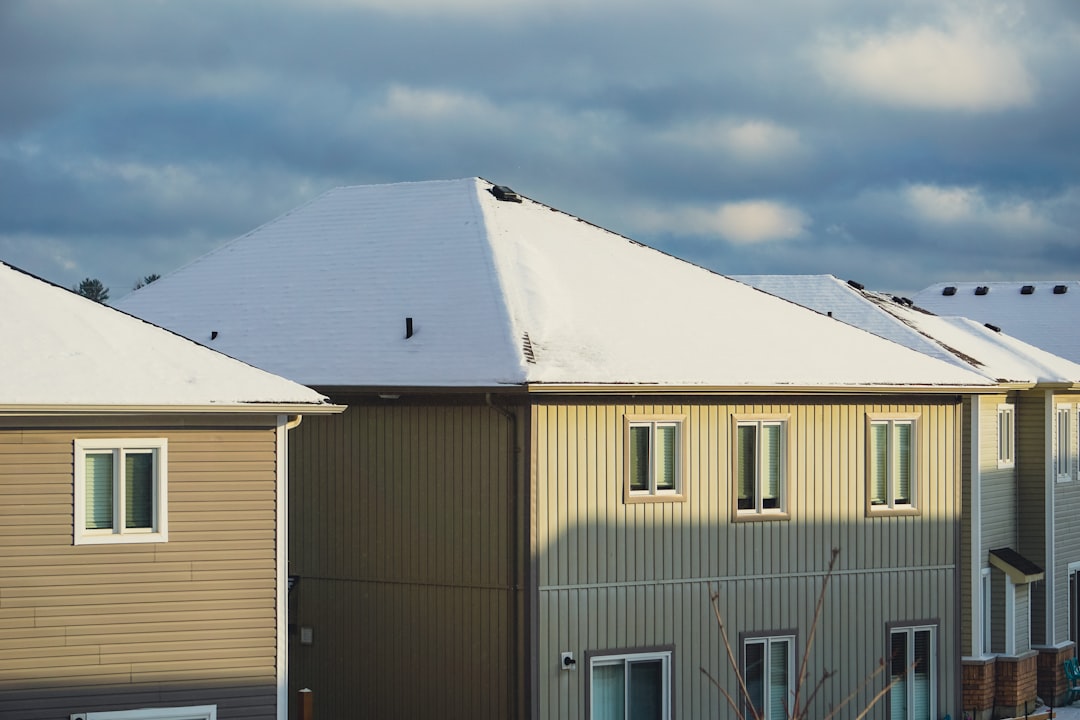
Forward Solar Roofing: A Contractor's Guide to Modern Energy Solutions & Roof Protection
I have installed and repaired roofs for over 15 years. My team has completed more than 2,000 roofing projects across Texas. We hold certifications from GAF, CertainTeed, and the North American Board of Certified Energy Practitioners. This experience gives me a practical view of roofing technology. I want to share honest insights about forward solar roofing systems. Many homeowners ask me about solar roofs. They want to know if these systems are right for their homes. This article answers those real questions from my customers.
This guide exists to solve a specific problem. Homeowners hear about solar roofing but lack clear information. They need to understand how these systems work with their existing roofs. They want to know about costs, benefits, and potential issues. I wrote this article to provide those answers. My goal is to help you make an informed decision. You will learn if forward solar roofing fits your home and budget.
I gathered this information through real customer projects. I reviewed manufacturer specifications from companies like Tesla and GAF Energy. I studied building codes from the International Residential Code. I analyzed industry data from the Solar Energy Industries Association. My recommendations come from hands-on installation experience. I will explain the methodology behind each suggestion. This transparency builds trust in the information provided.
What Is Forward Solar Roofing?
Forward solar roofing represents the latest evolution in building-integrated photovoltaics. These systems combine traditional roofing materials with solar technology. The solar cells are embedded directly into roofing shingles or tiles. This creates a seamless, attractive appearance. The system generates electricity while protecting your home from weather. It serves two important functions simultaneously.
How Forward Solar Roofing Differs From Traditional Solar Panels
Traditional solar panels mount on top of your existing roof. They sit on racks above your shingles. Forward solar roofing replaces your entire roof surface. The solar cells become part of the roof itself. This integration offers several advantages. It creates a lower profile that many homeowners prefer. It eliminates the need for separate mounting hardware. The system looks more like a conventional roof.
Traditional panels can be added to almost any roof. Forward solar systems require complete roof replacement. This makes them ideal during roof replacement projects. The integration also affects performance and maintenance. Embedded systems may have different temperature characteristics. They might require specialized cleaning methods. Understanding these differences helps you choose the right option.
The Technology Behind Integrated Solar Roofing
Forward solar roofing uses photovoltaic technology. Solar cells convert sunlight into electricity. These cells are laminated between protective layers. The layers provide weather resistance and durability. The system includes inverters that convert DC electricity to AC. Modern systems often use microinverters or power optimizers. These devices maximize energy production from each shingle.
The roofing materials must meet building code requirements. They provide the same protection as conventional roofs. Manufacturers test for wind resistance, fire rating, and impact resistance. The International Residential Code sets these standards. Solar roofing products must meet or exceed these requirements. This ensures your home remains protected.
Benefits of Forward Solar Roofing Systems
Forward solar roofing offers multiple benefits for homeowners. The primary advantage is energy production. These systems generate electricity for your home. This reduces your monthly utility bills. Many systems produce enough power to eliminate electric bills entirely. Excess energy can be sold back to the grid in some areas. This creates potential income through net metering programs.
Another benefit is increased property value. Studies show solar installations increase home values. The U.S. Department of Energy provides data on this value increase. Solar roofs also offer environmental benefits. They reduce your carbon footprint. They use clean, renewable energy instead of fossil fuels. This contributes to environmental sustainability.
Energy Efficiency and Cost Savings
Forward solar roofing can significantly reduce energy costs. The average American household spends about $1,500 annually on electricity. A properly sized solar roof can eliminate most of this cost. Savings depend on your location, roof orientation, and energy usage. Southern-facing roofs with good sun exposure perform best. Systems in sunny states like Texas produce more electricity.
The Solar Investment Tax Credit provides financial incentives. This federal program offers a tax credit for solar installations. Many states offer additional rebates and incentives. These programs reduce the net cost of installation. The combination of energy savings and incentives improves return on investment.
Durability and Longevity
Quality forward solar roofing systems offer excellent durability. Manufacturers design these products to withstand harsh weather. They typically carry 25-year power production warranties. Many include material warranties that match or exceed conventional roofs. Tesla Solar Roof, for example, offers a 25-year warranty for both power and weather protection.
These systems resist hail, wind, and fire damage. Testing by Underwriters Laboratories verifies these ratings. The integrated design eliminates gaps where water could penetrate. This can provide better leak protection than separate panels. Proper installation remains crucial for achieving these benefits.
Cost Analysis and Financial Considerations
Forward solar roofing represents a significant investment. Costs vary based on system size, roof complexity, and location. A complete solar roof replacement typically costs between $40,000 and $100,000. This includes both roofing materials and electrical components. The price per square foot ranges from $20 to $40 for solar-integrated systems.
Several factors influence the final cost. Roof pitch and complexity affect installation difficulty. Multiple roof levels and obstructions increase labor time. The type of solar technology selected impacts price. Higher efficiency cells cost more but produce more electricity. Local labor rates and permit fees also contribute to costs.
Comparing Costs: Solar Roof vs. New Roof Plus Panels
Homeowners should compare two approaches. The first is forward solar roofing as a complete system. The second is conventional roof replacement plus traditional solar panels. The combined approach often costs less initially. A new asphalt shingle roof might cost $15,000 to $30,000. Adding solar panels could add $20,000 to $40,000 more.
The forward solar roof approach offers aesthetic advantages. It looks more integrated and modern. It may provide better weather protection through seamless design. The combined approach allows separate replacement timelines. You can replace the roof now and add panels later. This spreads costs over time. Each homeowner must weigh these factors based on their priorities.
Financing Options and Return on Investment
Several financing options make solar roofing more accessible. Solar loans allow you to finance the installation. These often have favorable terms and interest rates. Home equity loans provide another option. Some contractors offer leasing or power purchase agreements. These reduce upfront costs but provide different benefits.
Calculating return on investment requires considering multiple factors. Energy savings reduce monthly expenses. Tax credits and rebates lower net costs. Increased home value adds to your equity. Most systems pay for themselves within 8 to 15 years. The remaining warranty period provides free electricity. This represents excellent long-term value for many homeowners.
Installation Process and Timeline
Forward solar roofing installation follows a specific sequence. The process begins with a detailed site assessment. Contractors evaluate your roof structure, electrical system, and energy needs. They check for structural issues that need addressing. They measure sun exposure throughout the day. This assessment determines system design and sizing.
The next step involves obtaining permits. Solar installations require building and electrical permits. The contractor handles this paperwork. They submit plans showing system layout and electrical connections. Permit approval times vary by municipality. This phase typically takes 2 to 6 weeks in most areas.
Removal and Preparation Phase
Installation begins with removing the existing roof. Crews strip off old shingles down to the decking. They inspect the roof deck for damage. Any rotten or weakened wood gets replaced. They install new underlayment for waterproofing. This phase resembles conventional roof replacement.
The electrical preparation happens simultaneously. Electricians install conduit for wiring. They set up the electrical panel connections. They prepare for inverter installation. Proper electrical work is crucial for system safety and performance. All work must follow National Electrical Code requirements.
Solar Roof Installation
The solar roofing materials get installed next. Crews begin with starter courses along roof edges. They work upward from the eaves to the ridge. Each solar shingle connects to its neighbors. The electrical connections happen as installation progresses. Special care ensures proper alignment and weather sealing.
Inverters and monitoring equipment get installed. The system connects to your home's electrical panel. Final inspections verify proper installation. The utility company may need to approve grid connection. The entire process typically takes 1 to 3 weeks. Complex roofs or weather delays can extend this timeline.
Material Options and Manufacturer Comparisons
Several manufacturers produce forward solar roofing products. Tesla Solar Roof is the most well-known option. It uses tempered glass tiles with integrated solar cells. The system includes both solar and non-solar tiles. This allows customization based on sun exposure. Tesla offers a sleek, modern appearance.
GAF Energy produces Timberline Solar roofing shingles. These resemble traditional asphalt shingles. They integrate solar technology into familiar-looking products. This appeals to homeowners wanting a conventional appearance. CertainTeed offers Apollo II solar shingles. These provide another asphalt-alternative option.
Technical Specifications Comparison
Different products offer varying efficiency ratings. Efficiency measures how well cells convert sunlight to electricity. Higher efficiency means more power from the same area. Most integrated systems range from 15% to 22% efficiency. Traditional panels often reach 20% to 22% efficiency.
Warranty terms vary significantly between manufacturers. Most offer 25-year power production warranties. Material warranties range from 10 to 25 years. Some include weather protection warranties. Understanding warranty details is crucial. Some warranties require specific installation methods. Others mandate regular maintenance for coverage.
Aesthetic Considerations
Forward solar roofing comes in various styles and colors. Tesla offers textured and smooth glass options. GAF Energy provides shingles matching their conventional products. Color options include black, gray, and earth tones. Some systems offer custom color matching.
The visual impact differs from traditional panels. Integrated systems maintain roof lines better. They don't create the "added-on" look of panels. This appeals to homeowners in historic districts or upscale neighborhoods. Homeowners associations often prefer integrated solar solutions.
Maintenance Requirements and Long-Term Care
Forward solar roofing requires minimal maintenance. The systems have no moving parts to wear out. Regular cleaning maintains optimal performance. Dust, pollen, and debris can reduce efficiency. Most areas need cleaning once or twice annually. Rain often provides sufficient cleaning in many regions.
Monitoring systems track performance continuously. They alert you to any issues requiring attention. Most manufacturers provide monitoring apps. These show daily energy production and system health. Regular monitoring helps identify problems early. This prevents small issues from becoming major repairs.
Cleaning and Inspection Procedures
Safe cleaning requires proper equipment and techniques. Use soft brushes and mild detergent solutions. Avoid abrasive materials that could scratch surfaces. Never use high-pressure washers on solar roofs. The force can damage seals and electrical connections. Consider professional cleaning for steep or complex roofs.
Annual inspections check for potential issues. Look for cracked or damaged shingles. Check electrical connections and conduit condition. Verify monitoring equipment functions properly. Trim overhanging branches that could damage the roof. Keep gutters clean to prevent water backup. These simple steps extend system life.
Repair and Warranty Service
Repairing forward solar roofing requires specialized knowledge. Only certified installers should perform repairs. The systems combine roofing and electrical components. Improper repair can create safety hazards. It can also void manufacturer warranties.
Warranty claims follow specific procedures. Document issues with photos and monitoring data. Contact your installer first for assessment. They can determine if warranty service applies. Keep all installation documents and warranty paperwork. This simplifies the claims process when needed.
Practical Homeowner Tips from Real Projects
Based on my installation experience, I offer these practical tips. First, get multiple quotes from certified installers. Compare not just price but also system design and components. Ask about their experience with solar roofing specifically. Check references from previous solar roof customers.
Second, understand your energy usage before designing a system. Review 12 months of utility bills. Identify your average monthly consumption. Size your system to meet 80% to 100% of this usage. Oversizing increases costs without proportional benefits. Undersizing leaves you dependent on grid power.
Preparation Before Installation
Prepare your home before installation begins. Clear the area around your house for equipment access. Protect valuable items in your attic from dust. Make arrangements for pets during noisy work periods. Discuss work hours and schedules with your contractor.
Understand what the installation process involves. Know where electrical equipment will be located. Plan for temporary power interruptions during connection. Ask about cleanup and debris removal procedures. Clear communication prevents misunderstandings and ensures smooth projects.
Maximizing System Performance
Several strategies maximize solar roof performance. Ensure proper tree trimming for sun exposure. Consider adding energy-efficient appliances to reduce consumption. Use timers for pool pumps and water heaters. Shift energy-intensive tasks to daylight hours.
Monitor system performance regularly. Compare actual production to estimated values. Investigate significant deviations promptly. Keep records of maintenance and cleaning. These practices help maintain optimal performance throughout system life.
Frequently Asked Questions
How long does forward solar roofing last?
Forward solar roofing systems typically last 25 to 30 years. The solar components maintain 80% to 90% efficiency after 25 years. The roofing materials often last longer than conventional roofs. Proper maintenance extends system life significantly. Most manufacturers provide 25-year warranties for peace of mind.
Can forward solar roofing withstand hail and severe weather?
Yes, quality forward solar roofing withstands severe weather exceptionally well. Manufacturers test products for impact resistance. Most systems meet UL 2218 Class 4 impact ratings. This is the highest rating for hail resistance. The tempered glass surfaces resist damage better than many conventional materials.
What happens during power outages?
Standard forward solar roofing systems shut down during power outages. This safety feature protects utility workers. Adding battery storage changes this situation. Systems with batteries like the Tesla Powerwall provide backup power. They can power essential circuits during outages. This adds cost but provides valuable resilience.
How does forward solar roofing affect home insurance?
Forward solar roofing may affect home insurance premiums. Many insurers consider it a home improvement. Some offer discounts for protective features. Always notify your insurance company before installation. Provide documentation of system value and warranties. The Insurance Information Institute offers guidance on this topic.
Can I install forward solar roofing on an existing roof?
No, forward solar roofing requires complete roof replacement. The system integrates solar cells into roofing materials. It cannot be installed over existing shingles. This makes it ideal when you need a new roof anyway. It combines two major projects into one installation process.
What maintenance do these systems require?
Forward solar roofing requires minimal maintenance. Occasional cleaning maintains optimal performance. Annual inspections check for issues. Monitoring systems alert you to problems. The systems have no moving parts to wear out. Proper installation reduces long-term maintenance needs significantly.
How do I choose between solar roofing and traditional panels?
Consider several factors when choosing between options. Solar roofing offers better aesthetics and integration. Traditional panels often cost less initially. If you need a new roof soon, solar roofing makes sense. If your roof has many years remaining, panels may be better. Evaluate your priorities for appearance, cost, and timing.
Real Project Case Studies
Case Study 1: Texas Family Home
A family in Kingwood, Texas installed forward solar roofing in 2022. Their 25-year-old roof needed replacement. They chose an integrated solar system. The project cost $65,000 for a 3,000 square foot home. Federal and state incentives reduced net cost to $45,500. The system produces 85% of their electricity needs. Their electric bills dropped from $250 to $40 monthly. They recouped their investment in 9 years through savings and increased home value.
Case Study 2: Historic District Renovation
A homeowner in a historic district faced restrictions on solar panels. The architectural review committee approved forward solar roofing. The integrated design maintained the home's historic appearance. The system cost 40% more than conventional panels would have. However, it was the only solar option allowed. The homeowner valued both preservation and sustainability. The project demonstrated how forward solar roofing can work in restricted areas.
Industry Statistics and Data
The solar industry has grown dramatically in recent years. The Solar Energy Industries Association reports significant growth. Solar installations have increased by over 50% annually in some years. Forward solar roofing represents a small but growing segment. Market share continues to increase as technology improves.
Costs have decreased significantly over the past decade. Solar panel prices dropped 70% between 2010 and 2020. Installation costs for integrated systems are also decreasing. Efficiency continues to improve with technological advances. These trends make solar roofing more accessible to homeowners.
Step-by-Step Guide to Evaluating Forward Solar Roofing
- Assess Your Roof Condition: Determine if you need roof replacement soon. Solar roofing makes most sense during roof replacement.
- Analyze Energy Usage: Review 12 months of utility bills. Calculate your average monthly electricity consumption.
- Evaluate Sun Exposure: Assess your roof's orientation and shading. Southern exposures with minimal shading work best.
- Research Incentives: Check federal, state, and local incentives. The Database of State Incentives for Renewables & Efficiency provides current information.
- Get Multiple Quotes: Contact at least three certified installers. Compare system designs, components, and pricing.
- Review Financing Options: Evaluate loans, leases, and cash purchase options. Calculate return on investment for each approach.
- Check References: Speak with previous customers of each installer. Ask about their experience and satisfaction.
- Make Your Decision: Choose the option that best meets your needs. Consider both immediate costs and long-term benefits.
Conclusion
Forward solar roofing represents an exciting advancement in home technology. It combines roof protection with energy generation. This dual function provides significant benefits for homeowners. The systems reduce energy costs while increasing property value. They offer environmental benefits through clean energy production.
These systems require careful consideration before installation. They represent a substantial investment. Proper evaluation ensures they meet your specific needs. Consider your roof condition, energy usage, and financial situation. Consult with experienced, certified installers for professional advice.
Forward solar roofing isn't right for every homeowner or every situation. It works best when you need roof replacement anyway. It makes sense if you plan to stay in your home long-term. The technology continues to improve and become more affordable. For many Texas homeowners, it offers an excellent solution for energy independence and roof protection.