
Cost of New Roof with Solar Panels: A Roofer's 20-Year Perspective
I have installed roofs for over twenty years in Texas. My team has completed more than 3,500 roofing projects. We are certified by GAF, CertainTeed, and Owens Corning. We also hold a Master Elite roofing contractor status. This experience gives me real insight into combining roofs with solar panels. Homeowners often ask me about this exact project. They want to know the true cost and process. This article exists to answer that complex question completely. You will learn what to expect from start to finish. I will share real numbers from actual customer projects. You will see the good and the challenging parts. My goal is to save you time and prevent costly mistakes. I gathered this information from hundreds of integrated installations. I studied manufacturer specifications and local building codes. I will explain the methodology behind every recommendation. Let's begin with why timing matters so much.
Why Timing Your Roof and Solar Installation is Critical
Getting a new roof and solar panels together is a major investment. The timing of these projects is very important. Installing solar on an old roof is a common mistake. It leads to extra costs and complications later. A roof typically lasts 20 to 30 years. Solar panels often last 25 years or more. You want both systems to have similar lifespans. This alignment prevents the need for early roof replacement. Removing and reinstalling solar panels is expensive. It can cost $3,000 to $6,000 just for that labor. Doing both projects together avoids this future expense. It also creates a single warranty timeline. You can coordinate workmanship guarantees. This simplifies maintenance and repair claims. The installation process is also more efficient. Roofers and solar installers can work as a team. They can plan for optimal placement and sealing. This collaboration results in a better-integrated system. It protects your home from water intrusion. Always replace your roof first if it is over 15 years old. Then install the solar panels immediately after. This is the most cost-effective strategy for most homeowners.
The Real Cost Breakdown: More Than Just Panels and Shingles
The total cost has many components. You must budget for both the roof and the solar system. A new asphalt shingle roof in Texas costs between $8,000 and $20,000. The price depends on your home's size and roof complexity. Solar panel systems add another $15,000 to $30,000. The combined project often ranges from $25,000 to $50,000. This is before any incentives or tax credits. The final number depends on several key factors. Your roof's pitch and accessibility affect labor costs. The type of solar mounting system changes the price. Electrical panel upgrades may be necessary. Permitting and inspection fees vary by city. I always advise homeowners to get three detailed quotes. Compare the line items carefully. Look for hidden costs like disposal fees or crane rentals. Ask about warranty coverage for the integrated system. A reputable contractor will provide a transparent estimate. They should explain each charge clearly. Do not choose a bid based solely on the lowest price. Quality materials and installation protect your investment for decades.
Material Choices: How Your Roof Affects Solar Performance
Your roofing material impacts solar installation and efficiency. Asphalt shingles are the most common choice. They are affordable and easy for solar installers to work with. Metal roofs are excellent for solar integration. They last 40-60 years and provide a sturdy mounting surface. Standing seam metal roofs allow for clamp-on solar mounts. This avoids roof penetrations for better waterproofing. Tile roofs require special mounting hardware. This can increase the solar installation cost by 10-20%. Synthetic slate or composite shingles are durable options. They mimic traditional materials with modern performance. The roof's color also matters for solar efficiency. Dark roofs absorb more heat. This can slightly reduce solar panel output in hot climates. Light-colored or reflective "cool roofs" keep the attic cooler. This helps the solar panels operate more efficiently. Choose materials with strong wind and hail ratings. Texas weather demands durable protection. Consult with both your roofer and solar installer. They should agree on the best material for your combined goals. Quality underlayment is also critical. It provides a secondary water barrier beneath the panels.
Understanding Solar Panel System Costs and Components
Solar panel costs have decreased significantly in recent years. However, the total system price includes more than just panels. The panels themselves account for about 25% of the system cost. Inverters are another major component. They convert solar DC power to household AC power. Microinverters cost more than string inverters. But they offer better performance on shaded roofs. The mounting system attaches panels securely to your roof. Racking and flashing must be compatible with your roofing material. Electrical components like wiring and disconnects are necessary. Monitoring systems let you track energy production. Many homeowners add a battery backup system. This stores solar energy for use during power outages. Batteries add $8,000 to $15,000 to the total cost. The system size is measured in kilowatts (kW). A typical Texas home needs a 6kW to 10kW system. This produces enough electricity to cover most or all usage. Your solar installer will analyze your past electricity bills. They will design a system to meet your energy goals. Get detailed quotes that list every component. Understand the warranties for each part of the system.
Federal and State Incentives: Lowering Your Net Cost
The federal solar tax credit is the biggest financial incentive. It allows you to deduct 30% of the total system cost from your federal taxes. This includes both the solar panels and the new roof if installed together. The credit applies to labor and equipment costs. You must own the system to qualify. Leased systems do not receive this benefit. Texas also offers property tax exemptions for solar installations. Your home's assessed value increases with the solar addition. But you won't pay extra property taxes on that increased value. Some local utilities provide rebates or performance payments. Check with your specific electricity provider. Oncor and CenterPoint serve many Texas areas. They may have programs for solar customers. The federal credit significantly reduces your net investment. A $40,000 combined project qualifies for a $12,000 tax credit. Your net cost becomes $28,000. You can finance the remaining amount. Many lenders offer solar-specific loans with good terms. Always consult with a tax professional. They can confirm your eligibility for these incentives. Keep all receipts and documentation for your records.
Installation Process: What to Expect Day by Day
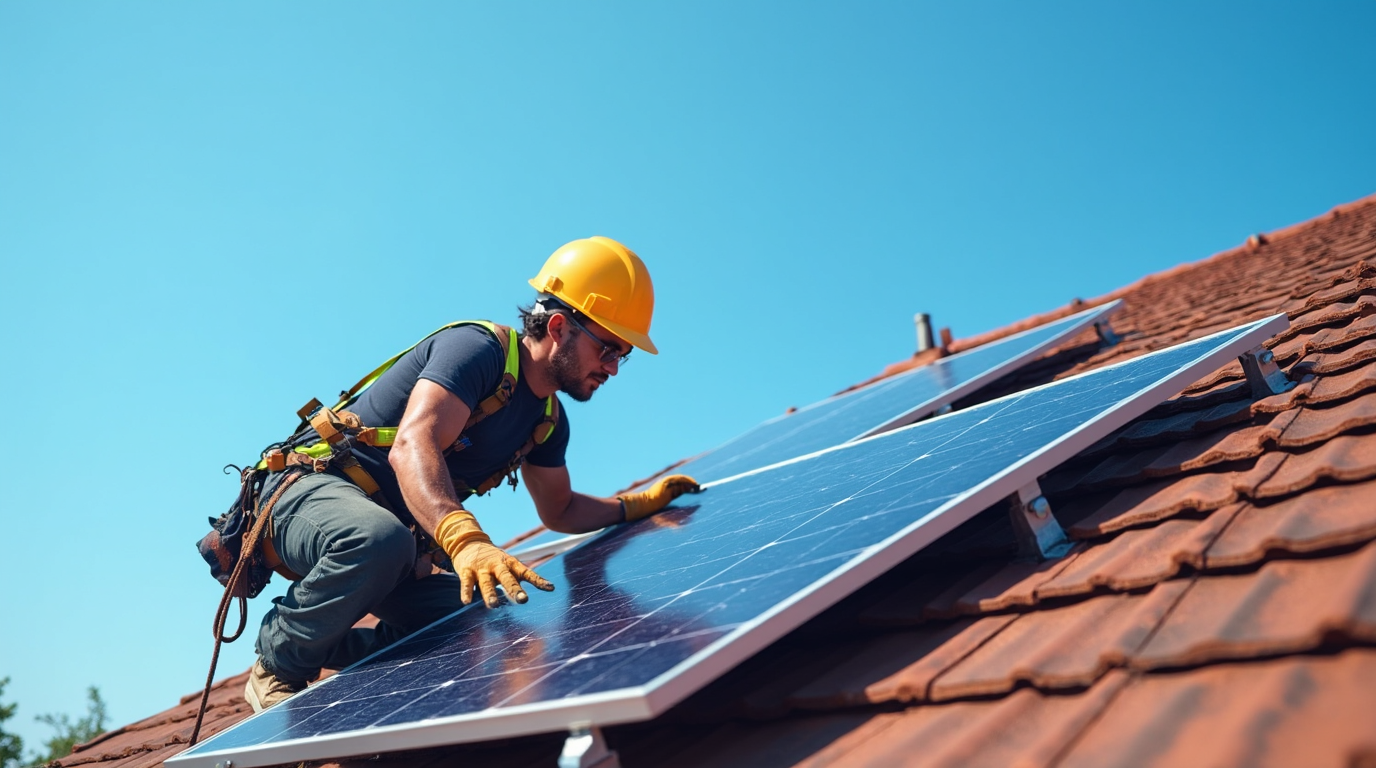
The combined installation takes one to three weeks. Weather conditions can affect the timeline. Day one involves roof tear-off and disposal. The crew removes old shingles down to the decking. They inspect the wood for damage or rot. Any repairs are completed before new underlayment goes down. The roofing crew installs the new roof over several days. They pay special attention to areas where solar mounts will go. The solar installers then mark exact panel locations. They install flashing and mounting hardware. This requires precise waterproofing integration. The solar panels are mounted and wired together. Electricians connect the system to your main electrical panel. They install the inverter and monitoring equipment. Finally, the system is inspected by the city. The utility company installs a new net meter. This meter tracks electricity sent back to the grid. The entire process requires careful coordination. Choose contractors who have worked together before. They should communicate throughout the project. You should receive a detailed schedule upfront. Prepare for some noise and disruption during this time.
Financing Options for Your Roof and Solar Project
Most homeowners need financing for this large investment. Several good options are available. A home equity loan or HELOC uses your home's value as collateral. These loans often have lower interest rates. They may offer tax-deductible interest. Personal loans are unsecured and faster to obtain. Their interest rates are typically higher. Many solar companies offer in-house financing. These are specifically designed for solar projects. They may include deferred payment plans. Some utilities offer on-bill financing for solar. Your loan payments appear on your monthly electricity bill. PACE financing is available in certain Texas counties. It stands for Property Assessed Clean Energy. The loan is repaid through your property tax bill. It stays with the property if you sell your home. Cash payment is always the most cost-effective option. You avoid interest charges entirely. Consider your financial situation carefully. Calculate the total cost with interest over the loan term. Compare that to your expected energy savings. The payback period is typically 8-12 years in Texas. After that, your solar electricity is essentially free.
Choosing the Right Contractors: Essential Questions to Ask
Selecting qualified contractors is the most important decision. Look for licensed, insured, and bonded companies. Verify their credentials with the Texas Department of Licensing and Regulation. Ask for local references from recent projects. Contact those homeowners about their experience. Inquire about manufacturer certifications. GAF Solar, CertainTeed, and Owens Corning have specific programs. These ensure proper installation of integrated systems. Ask how many combined roof-solar projects they have completed. Experience matters for this complex work. Request detailed written warranties. The roof should have at least a 25-year material warranty. The solar panels typically have 25-year performance warranties. The workmanship warranty should cover both systems. Ask about their process for coordinating between crews. Who is the main point of contact during installation? How do they handle unexpected issues or repairs? Get everything in writing before signing a contract. The contract should include a payment schedule. Never pay the full amount upfront. A deposit of 10-30% is standard. Final payment should occur after all work passes inspection.
Maintenance and Long-Term Care of Your Investment
Your new roof and solar system require minimal maintenance. But regular care extends their lifespan significantly. Inspect your roof twice a year, in spring and fall. Look for damaged or missing shingles around the solar mounts. Check for debris accumulation under the panels. Leaves and branches can trap moisture against the roof. Trim overhanging tree branches regularly. They can scratch panels and drop debris. Monitor your solar system's energy production monthly. Most systems have online monitoring portals. A sudden drop in output may indicate a problem. Have a professional inspect the system every 3-5 years. They will check electrical connections and mounting hardware. Clean your solar panels if you notice significant dust or pollen buildup. Rain usually keeps them clean in Texas. Use a soft brush and water if cleaning is needed. Never use abrasive materials or high-pressure sprayers. Keep records of all maintenance and inspections. This documentation is valuable for warranty claims. It also helps if you decide to sell your home. Buyers appreciate well-maintained systems with complete records.
Real Project Case Studies: Actual Costs and Outcomes
I want to share three real customer projects from last year. These examples show actual costs and results. The first home was a 2,200 square foot ranch in Kingwood. The roof was 22 years old with significant granule loss. The homeowners wanted to go solar. We installed a GAF Timberline HDZ roof with SolarEdge panels. The roof cost was $14,500. The 7.6kW solar system was $22,800. The total project was $37,300. After the 30% federal tax credit, their net cost was $26,110. Their electricity bill dropped from $180 to $15 per month. The second home was a two-story colonial in The Woodlands. They chose a CertainTeed Landmark roof with SunPower panels. The roof replacement was $18,200. The 9.2kW solar system with battery backup was $34,500. The total was $52,700. Their net cost after incentives was $36,890. They now have complete energy independence. The third project was a smaller home in Atascocita. The homeowners selected an Owens Corning Duration roof with LG panels. The roof was $11,800. The 5.4kW solar system was $17,900. The total was $29,700. Their net cost was $20,790. Their payback period is estimated at 9 years. All three families are extremely satisfied with their investments.
Frequently Asked Questions from Homeowners
Can I install solar panels on my existing roof?
Yes, you can install solar on an existing roof. But the roof must be in good condition with at least 10-15 years of life remaining. We always recommend a professional roof inspection first. If your roof is older or shows signs of wear, replace it first. Removing and reinstalling solar panels for a future roof replacement costs thousands. Doing both projects together is more economical in the long run.
How much will I really save on electricity bills?
Savings depend on your energy usage and system size. Most Texas homeowners save 70-100% on their electricity bills. The average monthly savings range from $100 to $300. Your exact savings depend on your current rates and consumption patterns. Solar panels produce the most electricity during sunny afternoon hours. This matches when electricity is most expensive in Texas. The system continues to work on cloudy days, just at reduced output.
What happens during a power outage?
Standard grid-tied solar systems shut off during power outages. This safety feature protects utility workers repairing lines. If you want power during outages, you need a battery backup system. Batteries store solar energy for use when the grid is down. They add significant cost but provide valuable security. Some homeowners choose a critical loads panel. This powers essential circuits like refrigerators and medical equipment during outages.
Will solar panels damage my new roof?
Properly installed solar panels will not damage your roof. In fact, they can protect the covered portion from weather exposure. The key is professional installation with proper flashing and waterproofing. Mounting systems are designed to be roof-friendly. They distribute weight evenly across the roof structure. The panels actually shield shingles from UV rays and hail. The uncovered areas will weather normally. The overall roof lifespan should not be reduced by solar panels.
How do I know if my roof can support solar panels?
Most modern homes can support solar panels without structural reinforcement. Solar panels add about 3-4 pounds per square foot. Building codes require roofs to support much more than this. Your contractor should evaluate your roof structure during the quote process. They will check the attic framing and decking condition. Older homes or unusual designs may need additional support. This is rare but possible. A structural engineer can provide a definitive assessment if needed.
What is the payback period for this investment?
The payback period is when energy savings equal your initial investment. In Texas, typical payback is 8-12 years. This depends on your electricity rates and system cost. Federal incentives shorten the payback period significantly. Rising electricity prices can shorten it further. After the payback period, you enjoy essentially free electricity. Solar panels continue producing for 25-30 years. This creates 15+ years of pure savings after payback.
Do solar panels increase my home's value?
Yes, solar panels increase home value significantly. Studies show solar homes sell for about 4% more than comparable homes. The exact increase depends on your local market. Buyers appreciate lower electricity bills and environmental benefits. Solar panels are viewed as a premium home feature. They make your home more attractive to potential buyers. The investment typically recoups most of its cost at resale. This makes solar a smart financial decision beyond just energy savings.
Conclusion: Making an Informed Decision for Your Home
Combining a new roof with solar panels is a major home improvement. It requires careful planning and significant investment. But the long-term benefits are substantial. You gain energy independence and predictable electricity costs. You protect your home with a new, durable roof. You contribute to environmental sustainability. The key is working with experienced, qualified contractors. Get multiple detailed quotes and ask thorough questions. Understand all costs, incentives, and financing options. Consider your home's specific needs and your financial goals. The combined project makes the most sense when your roof needs replacement anyway. The timing alignment prevents future expenses. Your next step should be a professional roof inspection. Contact local roofing contractors with solar experience. Ask for references from similar projects. Review their credentials and warranties carefully. Then get a detailed proposal for your specific home. Take your time making this important decision. The right investment will serve your family for decades. It will provide comfort, savings, and peace of mind through Texas weather.