
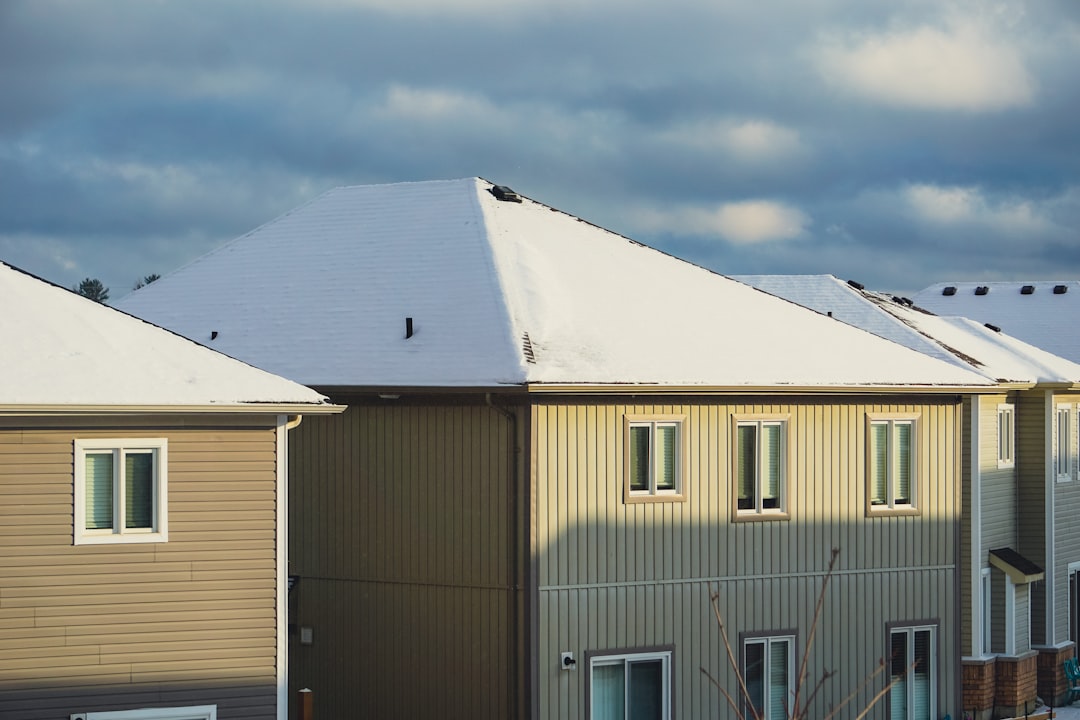
Choosing a Roof and Solar Company: Expert Guide for Homeowners from a 15-Year Roofing Contractor
I have been a roofing contractor for over fifteen years. Our team has completed more than 2,500 roofing and solar projects. We hold certifications from major manufacturers like GAF and CertainTeed. This article exists because I see homeowners struggle with this decision every day. You are making a huge investment in your home. You need clear, honest information to make the right choice. This guide will solve that problem. It answers your biggest questions about hiring a roof and solar company.
The information here comes from my direct experience. It is based on thousands of customer projects, manufacturer specifications, and local building codes. I will explain the methodology behind every recommendation. My goal is to save you time and prevent costly mistakes. This is not generic advice. This is real contractor wisdom from the field. Let's get started.
Why Your Roof Must Come First in Any Solar Project
This is the most critical rule in the industry. Your solar panels will be on your roof for 25 to 30 years. Your roof must last at least that long. Installing solar on an old roof is a terrible mistake. You will pay to remove and reinstall the solar system when the roof needs replacement. This can cost thousands of dollars in extra labor. A reputable company will always inspect your roof first. They will tell you its true condition and remaining lifespan.
The Roof Inspection: What a Good Company Actually Checks
A proper inspection is not just a quick look from the ground. A certified roofer will get on your roof. They will check for soft spots in the decking. They will inspect the flashing around chimneys and vents. They will look for cracked or curling shingles. They will check the attic for proper ventilation and signs of leaks. They will measure the roof's slope and structural integrity. This inspection determines if your roof can support solar panels safely for decades.
Understanding Roof Lifespan and Solar Warranty Alignment
Most asphalt shingle roofs last 20 to 25 years. Most solar panel warranties last 25 years. If your roof is 15 years old, it only has 5-10 years left. Your solar warranty will outlast your roof. This misalignment creates a major future expense. A good roof and solar company will plan for this. They might recommend a new roof before solar installation. Or, they might suggest longer-lasting roofing materials like metal or tile.
How to Vet a Roof and Solar Company: The Contractor's Checklist
Not all companies are created equal. Some are solar installers who dabble in roofing. Others are roofers who add solar as a side business. You need a true expert in both fields. Here is my checklist from working with hundreds of homeowners.
- Licenses and Insurance: They must have a valid state contractor's license. They need both general liability and worker's compensation insurance. Ask for certificates and verify them.
- Manufacturer Certifications: Look for GAF Master Elite, CertainTeed SELECT ShingleMaster, or Owens Corning Platinum. For solar, look for NABCEP certification. These prove advanced training.
- Local Experience: How long have they worked in your area? They must know local building codes and weather patterns. Check the Texas Building Code requirements.
- Project Portfolio: Ask to see photos of completed roof AND solar projects. A true integrated company will have many examples.
- Warranties Offered: They should provide strong warranties on both the roof workmanship and the solar installation. Get everything in writing.
Red Flags That Should Send You Running
Some warning signs are obvious. A company that demands a huge cash deposit upfront is risky. A company that cannot provide local references is suspicious. Avoid anyone who pressures you to sign a contract immediately. Be wary of door-to-door salespeople after a storm. They often use high-pressure tactics. A legitimate company will give you time to think. They will provide a detailed, written proposal.
The Integrated Installation Process: How It Should Work
A true roof and solar company does not treat these as separate jobs. They plan the entire project as one integrated system. This coordination is crucial for quality and efficiency. Here is the step-by-step process from my field experience.
Phase 1: Comprehensive Assessment and Design. The project starts with a joint team. A roofing expert and a solar designer visit your home. They assess the roof structure, attic space, and electrical panel. They use satellite imagery and software to model solar production. They create a unified plan that addresses both systems together.
Phase 2: Material Selection and Ordering. All materials are ordered at once. This includes roofing underlayment, shingles, flashing, and solar panels. Coordinating this avoids delays. The roofing materials are chosen with the solar mounting system in mind. For example, some shingles work better with certain solar racking.
Phase 3: Roof Preparation and Installation. The old roof is removed carefully. The decking is inspected and repaired. New underlayment is installed. This is when critical flashing for solar conduit is added. The new roof is installed with precision. The installers know exactly where the solar mounts will go.
Phase 4: Solar Mounting and Electrical. The solar racking is attached directly to the new roof rafters. This creates a stronger, more secure connection. The electrical conduit is run through pre-planned pathways. The panels are installed and connected to the inverter. The system is tested thoroughly.
Phase 5: Final Inspection and Cleanup. The company handles all city inspections for both roof and solar. They clean the job site completely. They walk you through the system operation. They provide all warranty documents and manuals. A good company will follow up after a few months to check on everything.
Cost Analysis: Real Project Examples and Financing
Homeowners always ask about cost. It is a significant investment. Combining roof and solar work can be more cost-effective than doing them separately. You save on labor and overhead. Here are real project examples from our books.
Example 1: Full Roof Replacement with Solar Array. A 2,000 square foot home in Kingwood needed a new roof. The existing 20-year-old shingles were failing. The homeowners also wanted solar to reduce electric bills. We installed a GAF Timberline HDZ roof with a 8kW solar system. The total project cost was $38,500. Doing them separately would have cost approximately $42,000. They saved $3,500 through bundling.
Example 2: New Construction with Integrated Solar. A client was building a new home. We designed the roof with solar in mind from the start. We used a standing seam metal roof. The solar mounts clipped directly into the seams. This eliminated roof penetrations. The integrated design was more efficient and aesthetically cleaner. The cost was higher upfront but provided better long-term value.
Understanding Financing and Incentives
The federal solar tax credit (ITC) is a major incentive. It allows you to deduct 30% of the solar system cost from your federal taxes. This credit applies to the solar portion of a combined project. Some states and utilities offer additional rebates. Many companies offer financing options. Be sure to read the terms carefully. A home equity loan or line of credit is often a better option than contractor financing.
Material Choices: Roofing and Solar Panel Compatibility
Your roofing material affects your solar installation. Some materials are easier to work with than others. Some last longer, aligning better with solar panel warranties. Here is a hands-on comparison from installing on all these materials.
- Asphalt Shingles: This is the most common roof. It is cost-effective and easy to install solar on. Mounts are attached with lag bolts through the shingles into the rafters. Quality architectural shingles last 30 years, matching solar warranties well.
- Metal Roofing: Metal roofs are excellent for solar. Standing seam metal roofs allow for clamp-on mounts with no penetrations. This is the gold standard for waterproofing. Metal roofs last 40-70 years, far outlasting solar panels.
- Tile Roofing: Clay or concrete tile roofs are beautiful but challenging. Installers must lift tiles to place mounts, then replace them. This requires skill to avoid breakage. Specialized mounting hardware is needed. Tile is durable and long-lasting.
- Flat Roofs (TPO, EPDM): Commercial buildings often have flat roofs. Solar panels are mounted on weighted ballast systems. These do not penetrate the roof membrane. The angle of the panels is adjusted with racks for optimal sun exposure.
For solar panels, you have choices too. Monocrystalline panels are more efficient but cost more. Polycrystalline panels are a good budget option. The Department of Energy provides excellent comparison resources. Your installer should explain the pros and cons of each panel type for your specific situation.
Practical Homeowner Tips from 2,500 Projects
Here is the real-world advice I give every client. This wisdom comes from solving problems before they happen.
Get Multiple Quotes, But Compare Apples to Apples. Always get at least three detailed quotes. Make sure each quote includes the exact same scope of work. Compare the roofing materials brand and type. Compare the solar panel brand, model, and wattage. Compare the warranty terms line by line. The cheapest quote is often the most expensive in the long run.
Check Online Reviews, But Dig Deeper. Look at Google, Facebook, and the Better Business Bureau. Pay attention to how the company responds to negative reviews. Do they get defensive? Or do they try to solve the problem? Ask the company for references from past customers. Call those references and ask specific questions.
Understand Your Insurance and HOA Rules. Call your homeowner's insurance agent before you sign a contract. Make sure the project is covered and won't raise your rates. Check your HOA covenants. Many have rules about solar panel visibility. A good company will help you navigate HOA approval. They can provide renderings showing how the system will look.
Plan for the Future. Think about your plans for the home. Will you be there for 30 years? If you might sell, choose neutral, high-quality materials that appeal to buyers. A new roof with solar is a strong selling feature. It increases your home's value significantly.
Frequently Asked Questions from Real Customers
1. Can I install solar on my existing roof, or do I need a new one?
This depends entirely on your roof's condition and age. A professional inspection is required. If your roof is less than 10 years old and in perfect shape, solar can likely be installed. If it is 15+ years old, replacement is usually recommended. Installing solar on an old roof means paying for removal and reinstallation later, which is very expensive.
2. How long does a combined roof and solar project take?
A typical project for an average-sized home takes 5 to 10 business days. The roof replacement usually takes 2-3 days. The solar installation takes 2-3 days. Additional time is needed for inspections and utility interconnection. Weather can cause delays. A good company will provide a realistic timeline upfront.
3. What happens if my roof leaks after solar is installed?
This is a common concern. With a proper installation by a certified company, leaks are very rare. The mounting system is designed to be waterproof. If a leak does occur, the company that installed both systems is solely responsible. There is no blaming between a roofer and a solar installer. This is a major advantage of using one integrated company.
4. Will solar panels damage my new roof?
No, when installed correctly, they protect the roof. The panels shield the shingles from UV rays, rain, and hail. This can actually extend the life of the roofing material underneath. The key is proper installation by trained professionals using the correct flashing and sealants.
5. How do I maintain my roof with solar panels on it?
You should have your roof and solar system inspected every 2-3 years. Keep the panels clear of debris like leaves. Trim any overhanging tree branches. You can hose off the panels from the ground if they look dirty. Never walk on the panels or try to clean them from the roof yourself. Hire a professional for any maintenance.
6. What about hail? Are solar panels a risk in Texas storms?
Modern solar panels are tested to withstand hail. Most are rated for 1-inch hail at 50+ mph. Texas hailstorms are severe, but quality panels are durable. Your solar installer should use panels with a strong hail rating. Also, check your homeowner's insurance policy. It should cover solar panels as part of the structure.
7. Can I add more panels later if I want more power?
Yes, but it is more complicated and costly. Your inverter has a maximum capacity. Adding panels later might require a second inverter or upgrading the existing one. It also requires more roof space. It is best to plan for future needs during the initial design. Discuss your potential future electricity use with your designer.
Real Project Case Studies with Outcomes
Case Study: The Johnson Family, Kingwood, TX. The Johnsons had a 1995 roof with persistent leak issues. Their electric bills were over $300 monthly. They contacted us for a solar quote. Our inspection revealed their roof decking was rotten in several areas. We proposed a full roof replacement with a 10.2kW solar system. The project was completed in 8 days. Their first full summer electric bill was $42. They are protected from future leaks and rising energy costs. Their total investment is projected to pay back in 9 years through energy savings.
Case Study: Small Business Owner, Houston, TX. A local bakery owner had a flat commercial roof needing replacement. She wanted to reduce her high cooling costs. We installed a new TPO roof with a 25kW solar system on a ballasted rack. The system now offsets 85% of the bakery's electricity usage. She received a significant federal tax credit and a utility rebate. The project improved her cash flow immediately and increased the value of her business property.
Industry Statistics and Data
Understanding the broader market helps you make informed decisions. According to the Solar Energy Industries Association (SEIA), the U.S. installed 32.4 gigawatts of solar capacity in 2023. The residential sector saw tremendous growth. A Lawrence Berkeley National Lab study found homes with solar sell for about 4.1% more than comparable homes without solar. The National Association of Home Builders reports that a new roof is consistently a top-requested feature by home buyers. Combining these two upgrades maximizes your return on investment.
Conclusion: Your Path Forward
Choosing a roof and solar company is a major decision. It protects your biggest investment—your home. It also secures your energy future. The key is to find a true expert who masters both trades. Look for licenses, certifications, and a proven local track record. Never sacrifice roof quality for solar savings. They are one integrated system. Plan for the long term, aligning warranties and lifespans.
Use the checklist and questions in this guide. Get multiple detailed quotes. Do your homework on the companies. Your diligence will pay off for decades. A quality installation will provide peace of mind, lower bills, and a more valuable home. If you are in the Kingwood area or greater Texas region, feel free to reach out with questions. My goal with this article was to give you the knowledge I share with my own clients. Now you are equipped to make a smart, confident choice.