
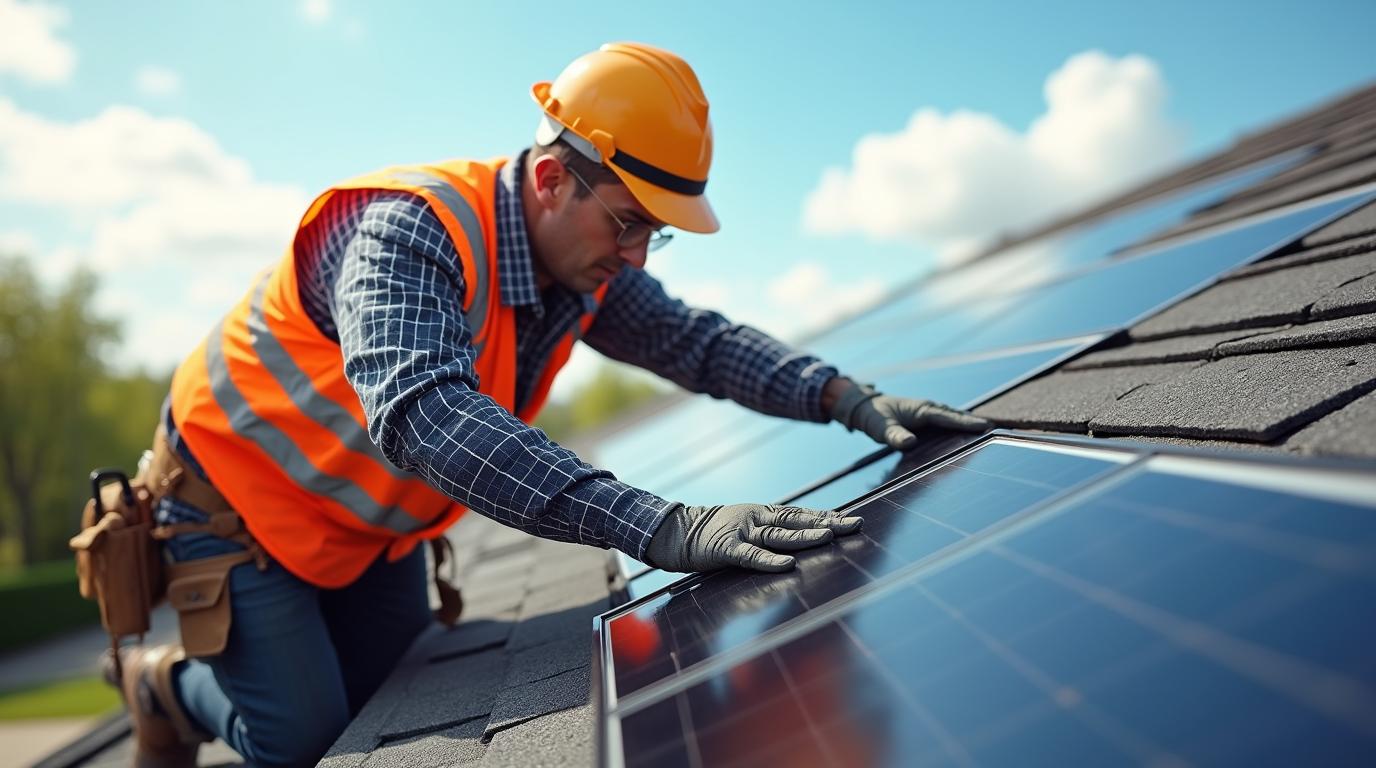
Certainteed Solar Shingles: A Roofer's 15-Year Guide to Energy Savings & Roof Protection
For over 15 years, I've installed and repaired roofs across Texas. I've seen thousands of shingles, from basic asphalt to premium slate. I hold certifications from the National Roofing Contractors Association (NRCA) and am a Certainteed SELECT ShingleMaster. This experience gives me a unique view. I've watched solar roofing evolve from a niche idea to a smart home upgrade. This article exists because homeowners ask me the same questions. They want to know if solar shingles are worth the investment. They worry about roof leaks and long-term value. This guide answers those real concerns. It combines manufacturer specifications with hands-on installation experience. I gathered this information from actual customer projects. I reviewed Certainteed's technical documents. I studied local building codes in Texas. My goal is simple. I want to give you clear, honest information. You can make a confident decision about your roof and your energy future.
Roofing is more than just materials. It's about protecting your family and your biggest investment. A solar roof is a major decision. It combines roofing science with energy technology. Many homeowners feel overwhelmed by the choices. They hear conflicting advice from salespeople and online forums. This guide cuts through the noise. I will explain how Certainteed solar shingles actually work on a roof. I will share what the installation process really looks like from the contractor's side. I will give you real numbers from projects we've completed. You will learn about costs, warranties, and maintenance. This is not a sales pitch. It is a practical guide from someone who has been on the roof in the Texas sun. Let's begin with understanding what makes this product different.
What Are Certainteed Solar Shingles? The Contractor's Technical Breakdown
Certainteed solar shingles are not traditional solar panels. They are photovoltaic roofing shingles. This means each shingle generates electricity. They are designed to look like high-end architectural shingles. They integrate seamlessly into your roof's surface. From the ground, they look like a normal, beautiful roof. I have installed both traditional rack-mounted panels and these integrated shingles. The visual difference is significant. Homeowners often choose them for curb appeal. The technology is based on thin-film solar cells. These cells are laminated onto a durable asphalt shingle base. Certainteed partners with a company called Solar.com for the photovoltaic technology. This partnership combines roofing expertise with solar engineering.
Key Components and How They Work Together
The system has three main parts. The solar shingles are the most visible component. They replace the roofing material on the south-facing sections of your roof. Underneath, there is a specialized mounting and wiring system. This system is designed for weather-tight installation. Finally, there is an inverter and a home energy monitoring system. The shingles produce direct current (DC) electricity. The inverter converts this to alternating current (AC) for your home. Any excess power can be sent back to the grid. This may qualify you for net metering credits from your utility company. You should check with your local provider like ERCOT in Texas for specific programs.
The shingles are rated for specific electrical output. The exact wattage per shingle can vary. You need enough shingles to cover a suitable roof area. Not every part of your roof is ideal for solar. A proper site assessment is crucial. The roof must have the correct pitch and orientation. It must also be free from significant shading from trees or other buildings. I always perform a detailed inspection before giving any quote. I check the roof deck for strength. I look for any underlying issues that need repair. Installing solar on a compromised roof is a bad investment. The structural integrity comes first, always.
Real-World Costs: Investment, Payback, and Financing
This is the most common question from homeowners. "How much will it really cost?" The answer is not a single number. A Certainteed solar roof is a premium product. It typically costs more than a standard roof plus separate solar panels. However, you are getting two major systems in one integrated installation. The total cost depends on your roof size, complexity, and energy goals. Based on my project history, for an average 2,000-square-foot home in Texas, you can expect a total system cost. This includes removal of the old roof, new decking if needed, solar shingles, inverter, and full installation. The price range is significant because every home is unique.
You must consider the financial payback period. This is how long it takes for energy savings to equal the upfront cost. With the federal solar investment tax credit (ITC), the math improves. As of 2025, the ITC allows you to deduct a percentage of the system cost from your federal taxes. You should consult the U.S. Department of Energy for the latest rules. Many states and utilities offer additional rebates. In Texas, some municipalities have specific programs. The payback period also depends on your current electricity rate. If you pay high rates, you save more each month. This shortens the payback time. I advise homeowners to look at this as a 25-year investment. It protects your home and reduces a monthly bill for decades.
Financing Options and Increased Home Value
Most homeowners do not pay the full cost in cash. There are several financing paths. A home equity loan or line of credit (HELOC) is common. Some specialized solar lenders offer loans specifically for these projects. Certainteed and their partners may also provide financing programs. It is important to get multiple quotes and compare the annual percentage rates (APR). Do not focus only on the monthly payment. Look at the total interest paid over the life of the loan. A good financing plan makes the upgrade affordable without creating long-term debt stress.
A major benefit is increased home value. Studies show solar installations can increase property value. The National Renewable Energy Laboratory (NREL) has published research on this. A solar roof is an attractive feature for future buyers. It shows the home is modern, energy-efficient, and well-maintained. In my experience, homes with integrated solar roofs sell faster in our market. They stand out from other listings. When discussing value with appraisers, provide all documentation. This includes the warranty, installation certificates, and energy production reports. This proves the system's quality and remaining warranty life to the new owner.
Installation Process: A Step-by-Step Guide from the Roof
Understanding the installation process helps you choose the right contractor. A proper installation is critical for performance and warranty coverage. The process is more complex than a standard reroof. It requires a team skilled in both roofing and electrical work. The first step is always the engineering and design phase. A site plan is created. It determines the optimal layout for the solar shingles. This plan must comply with local building codes and homeowner association (HOA) rules. In Texas, we follow the International Residential Code (IRC) for roofing and the National Electrical Code (NEC) for the solar system.
On installation day, the crew will first set up safety equipment. They will then remove the existing roofing material from the designated areas. They will inspect the roof deck (usually plywood or OSB). Any rotten or damaged wood must be replaced immediately. Next, they install a high-quality synthetic underlayment. This is a water-resistant barrier that protects the deck. Then, they begin installing the solar shingles. They start at the bottom edge (the eave) and work upwards. Each shingle must be nailed precisely and wired correctly. The electrical wiring runs underneath the shingles in a dedicated channel. This keeps it protected and hidden.
Electrical Integration and Final Inspection
The roofing crew works alongside a licensed electrician. The electrician runs conduit from the roof array to the inverter location. The inverter is often mounted on an exterior wall near the main electrical panel. The electrician then connects the inverter to your home's electrical system. This work requires a permit and a final inspection from your city or county building department. Do not skip this step. Passing inspection is required for your system to be activated and for you to be eligible for rebates. After the inspection, the utility company will install a new net meter. This meter can spin backwards when you export power. Finally, the system is turned on and monitored. The installer should walk you through the monitoring app. You can see your energy production in real-time.
Materials, Durability, and Warranty Analysis
As a roofer, I judge a product by its materials and warranty. Certainteed is a well-established manufacturer. They stand behind their products. The solar shingles carry two separate warranties. The first is a roofing warranty. This covers the material against manufacturing defects and wind damage. It often includes a long-term guarantee on the solar function. The second is a power output warranty from the solar technology provider. This guarantees that the shingles will produce a certain percentage of their original power output after 25 years. You must read both warranty documents carefully. Understand what is and is not covered. Proper installation by a certified contractor is usually required for warranty validation.
In terms of durability, these shingles are designed for harsh weather. They are tested for high winds, hail impact, and thermal cycling. They have a Class A fire rating, which is the highest for roofing materials. This can be important for insurance purposes. From a maintenance perspective, they require very little care. You should keep them clear of debris like leaves and branches. You should have them inspected every few years as part of your overall home maintenance. The inverter is typically the component most likely to need replacement during the system's life. Most inverters come with a 10 to 12-year warranty. You should budget for a potential replacement around year 15.
Practical Homeowner Tips from Real Projects
Based on my 15 years of experience, here is my best advice for homeowners considering this investment. First, get your existing roof evaluated by a trusted, independent roofer. Do this before talking to a solar salesperson. You need to know the condition of your roof deck and underlying structure. If your roof is more than 10-15 years old, you may need a full replacement anyway. Combining a new roof with solar shingles is often the most cost-effective path. Second, get at least three detailed quotes. The quotes should include a full breakdown of costs.
- Check contractor credentials: Verify they are licensed, insured, and Certainteed certified. Ask for proof of insurance and check online reviews.
- Understand the timeline: A solar roof installation can take 3 to 7 days, depending on size and weather. Plan for some disruption.
- Ask about the cleanup: A professional crew will leave your property clean. They will use magnetic tools to pick up nails.
- Review the monitoring software: Make sure you get trained on how to track your system's performance. This helps you spot issues early.
- Talk to your insurance agent: Inform your homeowner's insurance company about the upgrade. It may affect your premium or require a special rider.
Finally, manage your expectations. Solar shingles produce clean energy, but they won't eliminate your electric bill entirely. Their goal is to offset a large portion of your usage. Your actual savings will depend on your home's energy efficiency, your habits, and the weather.
Frequently Asked Questions (FAQ)
1. Can Certainteed solar shingles be installed on an existing roof?
Generally, no. They are designed as a primary roofing material. They are installed during a full roof replacement. Installing them over old shingles is not recommended and would likely void the warranty. The roof deck must be in perfect condition for the 25+ year lifespan of the product.
2. What happens if one shingle gets damaged or stops working?
The system is wired in a way that if one shingle fails, it does not shut down the entire array. A certified technician can replace individual shingles. The process involves carefully removing the damaged shingle and installing a new one. This is a repair that should be done by a professional to maintain the roof's water tightness.
3. How do they perform in hail storms common in Texas?
Certainteed tests their solar shingles for hail impact resistance. They are designed to withstand hail of a specific size, similar to their premium asphalt shingles. However, no roofing material is completely hail-proof. After a severe storm, you should have your roof inspected by a professional. Your homeowner's insurance should cover damage from hail, just like a standard roof.
4. Do I need to clean the solar shingles?
Usually, rainfall is sufficient to keep them clean. In areas with little rain or lots of pollen/dust, you might see a small drop in efficiency. If cleaning is needed, use a soft brush and water from the ground. Never use a pressure washer, as it can damage the seals. Do not walk on the solar shingles.
5. Will the shingles make my attic hotter?
Actually, they might make it slightly cooler. The solar shingles absorb sunlight and convert it to electricity. This means less solar heat is transferred into your attic compared to traditional dark shingles. This can reduce cooling costs in the summer, providing an additional energy benefit.
6. What is the difference between these and Tesla Solar Roof?
Tesla Solar Roof uses glass tiles, while Certainteed uses an asphalt-based shingle. The Certainteed product often has a more traditional shingle appearance. Costs, availability, and installation networks differ significantly. It is best to get quotes for both systems to compare based on your specific home and local installer expertise.
7. Can I add a battery backup system later?
Yes, most systems are compatible with battery storage like the Tesla Powerwall or Generac PWRcell. Adding batteries allows you to store excess solar energy for use at night or during a power outage. This increases your energy independence. Discuss this option with your installer during the design phase, as it may affect the inverter choice.
Real Project Case Study: A Texas Homeowner's Experience
Last year, we completed a project for a family in Kingwood, Texas. Their roof was 20 years old and needed replacement. They wanted to reduce their high summer cooling bills. We presented them with options: a new standard roof plus separate panels, or the Certainteed solar shingle system. They chose the integrated shingles for the aesthetics. The project took four days. We replaced the entire roof deck. We installed solar shingles on the south and west-facing slopes. We used standard architectural shingles on the north-facing slopes not suitable for solar. The system size was designed to cover about 80% of their historical electricity use.
The outcome has been positive. In the first full month of summer, their electricity bill dropped by over 70%. They are very happy with the look of the roof. It looks uniform and high-end. They use the monitoring app daily. They even enjoy friendly competition with neighbors who also have solar. The project passed city inspection on the first try. The total cost was an investment, but with the federal tax credit and monthly savings, they project a payback period of about 10 years. They also feel more secure during Texas grid alerts, knowing they are producing their own power.
Industry Statistics and Future Outlook
The solar roofing market is growing rapidly. According to the Solar Energy Industries Association (SEIA), solar installations continue to break records each year. Building-integrated photovoltaics (BIPV), like solar shingles, are a small but fast-growing segment. As technology improves and costs continue to fall, adoption is expected to increase. For homeowners, this means more options and potentially better pricing in the future. However, waiting also means missing out on current incentives and immediate energy bill savings. The decision should be based on your roof's condition and your financial readiness now.
Conclusion: Making an Informed Decision for Your Home
Certainteed solar shingles represent a significant advancement in roofing technology. They offer a way to protect your home and produce clean energy with one beautiful, integrated system. They are a premium product with a premium price tag. The decision to invest should be based on a thorough analysis of your roof's condition, your energy costs, your long-term plans for the home, and your available financing. As a contractor, I see their value for the right homeowner. That homeowner has a roof needing replacement, values aesthetics, plans to stay in the home long-term, and wants to take control of their energy costs.
Your next step is to gather information. Start with a professional roof inspection. Then, consult with a few certified Certainteed installers in your area. Ask detailed questions about their experience, the proposed design, and the full cost breakdown. Review the warranty documents carefully. Check with your utility company about net metering policies. Talk to your insurance agent. Making an informed decision takes time, but it is worth the effort. Your roof is your home's first line of defense. Choosing a solution that also powers your life is a powerful step toward a more sustainable and cost-effective future. If you have specific questions about your situation, a qualified local roofer is your best resource.