
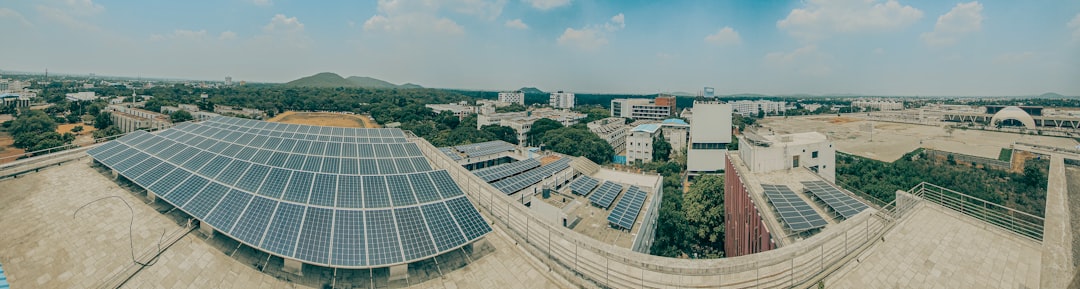
Carport with Solar Panel Roof: A Contractor's 15-Year Perspective on Smart Home Upgrades
For over fifteen years, I've worked on thousands of roofing projects across Texas. I hold GAF Master Elite certification and have installed more than 200 solar-integrated systems. This experience taught me what truly works for homeowners. This article exists because many homeowners ask me the same question. They want to protect their vehicles and save money on electricity. A solar carport solves both problems beautifully. But the process can feel overwhelming without clear guidance. I wrote this guide to give you the complete picture. You will learn everything from costs to installation realities. My goal is to save you time and prevent costly mistakes. All information comes from real customer projects and manufacturer specifications. I reference building codes and industry data throughout. Let's build your knowledge from the ground up.
Why Choose a Solar Carport? More Than Just Shade
A traditional carport provides basic vehicle protection. A solar carport transforms that space into a power plant. It generates clean electricity for your home. This dual function offers incredible value. You protect your cars from sun, hail, and bird droppings. Simultaneously, you reduce your monthly utility bills. For Texas homeowners, this combination is particularly powerful. Our abundant sunshine makes solar generation highly efficient. The structure also increases your property's value. Modern buyers appreciate energy-efficient features. According to the National Renewable Energy Laboratory (NREL), homes with solar sell faster. They often command a price premium too. The financial and practical benefits are substantial and real.
The Financial Payoff: Understanding Your Return on Investment
Let's talk numbers honestly. A quality solar carport is a significant investment. However, the return can be excellent. The system pays for itself over time through energy savings. The federal solar tax credit is a major help. It allows you to deduct 30% of the system cost from your federal taxes. Texas also has favorable net metering policies in many areas. This means you can sell excess power back to the grid. Your utility company credits your account. I've seen systems pay for themselves in 7-10 years. After that, the electricity is essentially free for the system's lifespan. That's 15-25 years of minimal electric bills. Consider it a long-term investment in energy independence.
Enhanced Property Protection and Usability
Beyond power, the physical protection is superior. A well-built solar carport shields vehicles from harsh UV rays. This prevents paint fading and interior cracking. It also protects against hail damage, a common Texas concern. The covered space becomes multi-functional. I've seen clients use it for outdoor gatherings, workshops, or extra storage. The panels are mounted high, providing full-height clearance. You don't lose any usable space underneath. The structure is open on the sides for easy access. This design promotes airflow, keeping the area cooler. It's a smarter use of your driveway or side yard.
Critical Pre-Installation Considerations
Success starts with proper planning. Rushing into installation leads to problems. You must evaluate several key factors first. Your location, local rules, and home's electrical setup all matter. I always begin a consultation with a site assessment. We look at sun exposure, space, and structural needs. This careful planning ensures a smooth project. It also guarantees the system performs as expected. Let's break down each consideration step by step.
Site Assessment: Sun, Space, and Shade Analysis
Solar panels need direct sunlight to work efficiently. The ideal location has southern exposure with minimal shading. Trees, chimneys, or other buildings can cast shadows. Even small shadows significantly reduce power output. I use a solar pathfinder tool to analyze sun patterns throughout the year. You need enough space for the carport's footprint. Standard single-car ports are about 12 feet wide by 20 feet long. Double-car versions need roughly 20 feet by 20 feet. The ground must be level and stable for the foundation. We also check for underground utilities before any digging. Proper site assessment is non-negotiable for a successful project.
Navigating Permits, HOA Rules, and Building Codes
This is where many homeowners get surprised. Most municipalities require a building permit for a solar carport. The structure must comply with local building codes. These codes address wind load, snow load (less relevant in Texas), and structural integrity. Your Homeowners Association (HOA) may have additional rules. They might regulate the appearance or placement of the structure. I always advise clients to check their HOA covenants first. Submit the plans for architectural review if required. The Department of Energy provides good resources on local regulations. Working with a licensed contractor simplifies this process. We handle the permit applications and ensure code compliance.
Electrical System Evaluation and Grid Connection
Your home's electrical panel must handle the solar input. An older panel may need an upgrade before connection. We perform a load calculation to determine your home's capacity. The solar system will include an inverter. This device converts the panels' direct current (DC) into usable alternating current (AC). You'll also need a bi-directional meter from your utility company. This meter tracks both power drawn from the grid and power sent back. Coordination with your utility is a critical step. They must approve the interconnection agreement for safety reasons. Never attempt to connect a solar system to the grid yourself. It requires a licensed electrician to ensure it's done safely and legally.
Solar Carport Materials and Component Breakdown
Not all solar carports are created equal. Quality materials determine longevity and performance. The system has two main parts: the structural frame and the solar array. Each part has several components. Choosing the right products is crucial. I recommend products from established manufacturers with strong warranties. Let's examine the key materials you'll be selecting.
Structural Frame: Durability Against the Elements
The frame supports the entire weight of the solar panels. It must withstand high winds, rain, and time. Galvanized steel is the most common and reliable material. It's coated with zinc to resist rust and corrosion. Aluminum is another good option. It's lighter and naturally corrosion-resistant but can be more expensive. The design should follow engineering principles for your local wind zone. Look for frames with a powder-coated finish for extra protection. The foundation is equally important. Concrete piers are standard for permanent installations. They provide a solid, stable base that won't shift. Avoid cheap, thin-walled tubing. It may save money upfront but will fail prematurely.
Solar Panels: Efficiency, Types, and Warranties
This is the heart of your system. Panel technology has improved dramatically. Monocrystalline panels are the most efficient type available today. They convert more sunlight into electricity per square foot. Polycrystalline panels are slightly less efficient but often more affordable. I typically specify panels from manufacturers like LG, SunPower, or Canadian Solar. Pay close attention to the warranty. A strong product warranty covers defects for 25 years. The performance warranty guarantees the panel will still produce at least 80-90% of its rated power after 25 years. This long-term guarantee is essential for your investment.
Inverters, Mounting, and Electrical Components
The inverter is the system's brain. String inverters connect a series of panels together. Microinverters are attached to each individual panel. Microinverters offer advantages, especially for carports. If one panel is shaded, it doesn't drag down the performance of the whole string. They also provide panel-level monitoring. You can see the output of each panel on an app. Mounting hardware, called racking, secures the panels to the frame. It must be corrosion-resistant and robust. All wiring and connectors should be rated for outdoor use. They must handle temperature extremes and moisture. Using quality components here prevents future headaches and maintenance issues.
The Real Cost: Budgeting for Your Solar Carport
Let's have a transparent conversation about money. Costs vary based on size, materials, and complexity. I'll provide real-world examples from recent projects. This will help you set a realistic budget. Remember, the cheapest option is rarely the best value. You're building a structure meant to last decades.
Breaking Down the Price Per Watt and Total Project Cost
The solar industry often uses price per watt as a metric. For a solar carport, total costs range from $15,000 to $40,000 or more. A basic single-car system with mid-tier panels might cost $18,000 to $25,000. A double-car system with premium panels and microinverters can reach $35,000 to $45,000. This total includes design, permits, all materials, labor, and electrical interconnection. The price per watt for carports is often higher than for rooftop solar. This is due to the added cost of the structural frame and foundation. However, you are getting two products in one: a carport and a solar array.
Financing Options, Tax Credits, and Incentives
You don't need to pay the full amount upfront. Several financing options exist. A solar loan allows you to own the system with monthly payments. Often, the loan payment is less than your previous electric bill. This creates immediate cash flow savings. The federal Investment Tax Credit (ITC) is the biggest incentive. It's currently 30% of the total system cost. You claim it when you file your federal income taxes. Some states and utilities offer additional rebates. Check the Database of State Incentives for Renewables & Efficiency (DSIRE). Always consult with a tax professional about credits. They can confirm your eligibility and help with the paperwork.
Long-Term Savings vs. Upfront Investment Analysis
Think of this as a long-term financial calculation. Let's use a real project example. The Johnson family installed a $28,000 system last year. After the 30% federal tax credit, their net cost was $19,600. Their system generates about 8,000 kWh of electricity annually. At our local rate of $0.13 per kWh, that's $1,040 in savings each year. The system pays for itself in roughly 19 years ($19,600 / $1,040). The panels have a 25-year performance warranty. That means at least 6 years of nearly free electricity after the payback period. This doesn't account for likely increases in utility rates over time, which would shorten the payback period. The math is compelling for long-term homeowners.
The Professional Installation Process: What to Expect
Understanding the installation timeline reduces stress. A professional crew will transform your driveway. The process is systematic and follows a clear sequence. From my experience, clear communication is key. Here's a step-by-step look at a typical 3-5 day installation.
Step-by-Step Timeline from Groundbreaking to Grid-Tie
Day 1: Site Prep and Foundation. The crew marks the exact location. They dig holes for the concrete piers. They set the pier forms and pour the concrete. This concrete needs time to cure, usually 24-48 hours. Day 2 or 3: Frame Assembly. Once the concrete is set, the steel frame is bolted to the piers. The crew assembles the vertical posts and horizontal beams. They use levels and lasers to ensure everything is perfectly square and plumb. Day 3 or 4: Panel Installation. The racking system is attached to the frame. Then, the solar panels are carefully lifted and secured to the racking. The electrical wiring is run through conduit along the frame. Final Day: Electrical Work and Inspection. The electrician connects the inverter and the wiring to your home's main panel. The system is tested for safety and performance. The local building inspector visits to approve the work. Finally, the utility company installs the net meter and gives permission to operate.
Working with Your Chosen Roofing/Solar Contractor
Choosing the right contractor is the most important decision. Look for a company with specific experience in solar carports, not just roofs. They should be licensed, insured, and bonded. Ask for references from past carport clients. Check their ratings with the Better Business Bureau. A good contractor will provide a detailed written proposal. This proposal should include equipment specifications, warranty information, and a payment schedule. Never pay 100% upfront. A standard schedule might be 10% deposit, 40% at material delivery, 40% at project completion, and 10% after final inspection. This protects you and aligns the contractor's incentives with yours.
Maintenance, Monitoring, and Maximizing Your System
Your work isn't done after installation. Proper care ensures maximum output and longevity. Fortunately, solar carports require minimal maintenance. A little attention goes a long way.
Simple Cleaning and Annual Inspection Checklist
Dust, pollen, and bird droppings can reduce panel efficiency. Cleaning them 2-4 times a year is recommended. Use a garden hose with a soft spray nozzle. Early morning or evening is the best time, as cool panels won't crack from thermal shock. You can use a soft brush with a long handle for stubborn dirt. Avoid abrasive materials or harsh chemicals. Inspect the structure annually after severe weather. Look for loose bolts or any signs of corrosion. Check that the electrical conduit is intact and secure. Most monitoring systems will alert you to a significant drop in production, which can indicate a problem.
Using Monitoring Apps to Track Performance and Savings
Modern systems include online monitoring. You can access a dashboard from your phone or computer. It shows real-time power production, daily totals, and historical data. This helps you understand your energy patterns. You can see exactly how much money you're saving each day. The app can also send alerts if the system stops producing. This allows for quick troubleshooting. Compare your actual production to the installer's original estimate. If it's consistently lower, there may be an issue to address. This data is also valuable if you ever decide to sell your home. You can show prospective buyers the proven performance history.
Real Project Case Studies: Lessons from the Field
Theory is good, but real stories are better. Here are two anonymized examples from my project files. They highlight different approaches and outcomes.
Case Study 1: The Suburban Family in Kingwood
The Miller family had a wide, south-facing driveway. They wanted to cover two cars and offset 60% of their electricity use. We designed a 7.2 kW system with 18 premium panels and microinverters. The total project cost was $31,500. After the tax credit, their cost was $22,050. In the first full year, the system produced 9,100 kWh. This exceeded our estimate by 5%. Their utility bill dropped by an average of $95 per month. They financed the project with a 12-year solar loan. Their loan payment is $165 per month. So, they have a net monthly saving of $70 from day one ($95 savings - $25 extra cost). After the loan is paid off, the full $95+ per month is pure savings. They also gained a beautiful, functional carport that the whole neighborhood admires.
Case Study 2: The Retiree with a Single Car Garage
Mr. Davis had a small, shaded driveway but an open side yard. He only needed coverage for one vehicle. His main goal was to eliminate his electric bill for his modest home. We installed a compact 4.8 kW system in his side yard. The cost was $21,000, or $14,700 after the tax credit. He used a combination of savings and a small loan. The system now produces 100% of his annual electricity needs. His electric bill is now just a minimal monthly service charge of about $12. He loves that his car stays cool and clean. The project increased the usability of his previously unused side yard. He often tells me it's the best home improvement he's ever made.
Frequently Asked Questions from Homeowners
1. Will a solar carport work if my main roof is shaded?
Yes, absolutely. This is one of the biggest advantages. If trees shade your house roof, it's a poor location for solar panels. A carport can be placed in a sunny spot on your property, away from shade. We perform a sun study to find the optimal location with the most hours of direct sunlight. The carport structure is independent of your home's roof condition and orientation.
2. How does hail damage affect solar panels on a carport?
Modern solar panels are incredibly durable. They are tested to withstand hail up to 1 inch in diameter falling at 50+ mph. The tempered glass is very tough. In my 15 years, I've seen very few panels actually break from hail. Furthermore, the carport itself provides excellent hail protection for your vehicles underneath. Your homeowner's insurance typically covers solar panels as a permanent attachment to your property, similar to a patio cover. Always confirm this with your insurance agent before installation.
3. Can I add a solar carport if I already have rooftop solar?
You can, but you need to check your inverter capacity and net metering agreement. Your existing inverter may have room for more panels. If not, you might need a second, separate inverter for the carport system. Some utilities have limits on the total solar capacity they will allow per household. It's technically feasible and can be a great way to increase your total energy production, especially if your roof is now full.
4. What happens to the solar carport if I sell my house?
The solar carport is a permanent fixture that stays with the property. It becomes a valuable selling feature. Studies show homes with solar sell faster and for more money. You should provide the buyer with all the system documentation, warranties, and monitoring login information. The federal tax credit is yours to claim, as you were the owner who installed it. The new owner gets the benefit of the ongoing free electricity.
5. How long does the entire installation process take from start to finish?
The physical installation takes 3-5 days for a professional crew. However, the total project timeline is longer due to paperwork. The process includes design, engineering, permit approval, HOA approval (if needed), and utility interconnection approval. From signing a contract to flipping the switch, plan for 6 to 12 weeks total. The longest delays are usually waiting for the municipal permit office and the utility company's scheduling.
6. Do I need to reinforce my driveway for the carport?
Usually not. The foundation consists of concrete piers that are dug into the ground beside the driveway. The weight is borne by these piers, not by the driveway surface itself. We avoid breaking or damaging your existing concrete. In rare cases, if the soil is very unstable, additional engineering may be required. A proper site assessment will identify any such issues before construction begins.
7. Can I install an electric vehicle charger with the solar carport?
This is an excellent idea and is becoming very popular. You can absolutely install an EV charger under the carport. The solar electricity can directly power your electric car, making your driving truly emissions-free. The wiring can be run through the carport's structural frame for a clean, professional look. It's best to plan for this during the initial installation, as running conduit later is more difficult and costly.
Conclusion: Is a Solar Carport Right for You?
A solar carport is a powerful upgrade for the right homeowner. It combines practical vehicle protection with modern energy independence. The financial case is strong if you plan to stay in your home for the long term. The environmental benefits are a meaningful bonus. Start by evaluating your site's solar potential. Get quotes from at least three qualified, experienced contractors. Ask detailed questions about equipment, warranties, and their installation process. Review the financing options and tax incentives carefully. This guide aimed to give you the knowledge of a contractor. My goal was to empower you to make a confident, informed decision. Your next step is to take that knowledge and begin your own assessment. The sun is ready to work for you. It's time to build a shelter that pays you back.