
Bluesky Solar and Roofing: A 15-Year Contractor's Guide to Smart Home Protection
For over fifteen years, I have worked on hundreds of roofing projects across Texas. I have installed everything from basic asphalt shingles to complex solar-integrated systems. My team and I hold certifications from major manufacturers like GAF and Owens Corning. We have completed storm damage repairs, full replacements, and energy efficiency upgrades. This hands-on experience gives me a unique perspective on what truly works for homeowners. I want to share that knowledge with you today.
This article exists to solve a common homeowner problem. Many people face a confusing decision when their roof needs work. They wonder if they should just repair it, replace it, or add solar. They are unsure about costs, materials, and long-term value. This guide answers those critical questions. It provides clear, actionable information based on real projects, not just theory. My goal is to help you make an informed, confident decision about your home's most important protective layer.
I gathered this information through direct field experience. The insights come from installing roofs, talking to homeowners, and solving real-world problems. I reference manufacturer specifications from companies like CertainTeed and Malarkey. I discuss building codes from the International Residential Code (IRC). I also use data from the Department of Energy on energy savings. My recommendations are based on proven methods that protect homes and save money. Let's begin with a clear understanding of what modern roofing involves.
Understanding the Modern Roofing and Solar Integration
A roof is no longer just shingles and nails. Today, it is a complex system. It must protect against weather, provide insulation, and often generate power. Integrating solar panels requires careful planning. The roof structure must be strong enough to support the extra weight. The installation must not compromise the waterproofing. A holistic approach considers both the roof and solar as one system. This ensures maximum performance and longevity for your investment.
The Critical Role of Roof Decking and Underlayment
Everything starts with the roof deck. This is the plywood or OSB layer nailed to the trusses. It must be solid, dry, and free of rot. We inspect every square inch during a replacement. Any soft spots are replaced immediately. Next comes the underlayment. This is a water-resistant barrier installed over the deck. It acts as a secondary shield if water gets past the shingles. For solar-ready roofs, we often use synthetic underlayment. It is more durable and provides better slip resistance for installers.
Choosing the right underlayment is crucial. I recommend products that meet high standards. For example, GAF's Tiger Paw® or Owens Corning's ProArmor®. These synthetic underlayments are stronger than traditional felt paper. They resist tearing during installation. They also provide better protection against wind-driven rain. This layer is your home's true first line of defense. Never let a contractor skip a proper inspection of the deck. Never let them use cheap, thin underlayment. It is a false economy that leads to leaks.
Ventilation: The Secret to Roof Longevity
Proper ventilation is often overlooked. It is absolutely vital. A roof needs to breathe. In the summer, attic heat can reach 150°F or more. This bakes the shingles from below, shortening their life. In the winter, warm, moist air from the house rises into the attic. Without ventilation, this moisture condenses. It causes mold, rots wood, and damages insulation. A balanced system has intake vents at the eaves and exhaust vents at the ridge.
We calculate ventilation based on attic square footage. The general rule is 1 square foot of net free vent area per 150 square feet of attic space. For homes with solar, airflow is even more important. Panels can trap heat against the roof surface. Good ventilation helps dissipate that heat. I always install ridge vents combined with continuous soffit vents. This creates a passive cooling effect. It extends shingle life and reduces cooling costs. The Building Performance Institute (BPI) has excellent resources on this topic.
A Detailed Comparison of Roofing Materials for Homeowners
Choosing shingles is a big decision. The market offers many options. Each has different costs, lifespans, and looks. Asphalt shingles are the most common. They are affordable and reliable. Architectural shingles are thicker and more dimensional. They look like wood or slate. They last longer and have better wind resistance. Premium laminated shingles offer the best performance. They have reinforced fiberglass mats and advanced sealant strips.
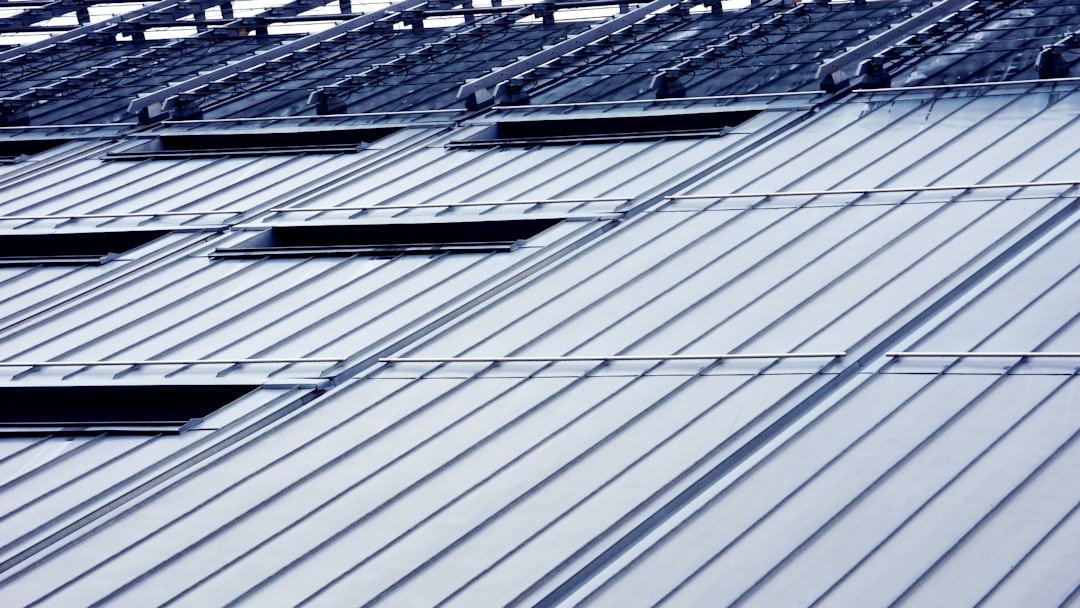
Metal roofing is another excellent choice. It is very durable and fire-resistant. Metal roofs can last 40-70 years. They are also highly reflective, which saves on cooling costs. Standing seam metal roofs are ideal for solar panel mounting. The panels clamp directly to the seams without penetrating the metal. Tile roofs (clay or concrete) are beautiful and long-lasting. They are very heavy, so your home's structure must be checked. They are also more expensive to install and repair.
For solar integration, consider the roof's color and reflectivity. A lighter-colored "cool roof" reflects more sunlight. This keeps the attic cooler and makes solar panels more efficient. Panels work better when they are not overheated. Some shingles are specifically designed as solar-ready. They have integrated mounting points or are extra durable. Always check the manufacturer's warranty when combining products. Ensure the shingle warranty is not voided by solar panel installation.
The True Cost of Roof Replacement and Solar Addition
Homeowners need realistic numbers. Costs vary widely based on location, materials, and home size. A basic asphalt shingle roof replacement in Texas might cost $8,000 to $15,000. A premium architectural shingle roof could be $12,000 to $25,000. Metal roofing often starts at $15,000 and can exceed $40,000. These are rough estimates for an average 2,000-square-foot home. The pitch, complexity, and tear-off difficulty change the price.
Adding solar is a separate but related investment. A typical residential solar system might cost $15,000 to $25,000 before incentives. The federal solar tax credit is a major benefit. It allows you to deduct 30% of the system cost from your federal taxes. Many states and utilities offer additional rebates. It is smart to time a solar installation with a roof replacement. Doing both together saves on labor costs. You avoid paying twice to remove and reinstall panels when the roof eventually needs work.
Consider the long-term financial picture. A new roof protects your home's value. Solar panels can eliminate or drastically reduce your electric bill. Over 20-30 years, the savings can be substantial. Financing options exist for both projects. Some contractors offer bundled roofing and solar loans. Always get multiple detailed quotes. The cheapest bid is often the most expensive in the long run. Pay for quality materials and certified installation. It pays off with fewer problems and a longer lifespan.
The Step-by-Step Installation Process from a Pro's View
A professional roof replacement follows a strict sequence. First, we set up safety equipment and protect your property. We lay tarps over landscaping and use magnetic nail sweepers. Then, the old roof is torn off completely. We haul all debris away in a dedicated dump trailer. Next, we inspect the roof deck thoroughly. We replace any damaged wood. We install drip edge metal along the eaves and rakes.
Then, we roll out the synthetic underlayment. We staple it securely to the deck. For valleys (where two roof planes meet), we install metal valley flashing or a woven underlayment system. This is a critical waterproofing step. After underlayment, we install the starter shingle course at the eaves. This seals the first row. Then, we begin laying the field shingles. We work from the bottom edge up to the ridge. We use chalk lines to keep courses straight. We stagger the seams for a water-shedding pattern.
We install ridge caps at the very top. We also install flashing around all penetrations. This includes chimneys, vent pipes, and skylights. Proper flashing is the key to preventing leaks. Finally, we clean the site meticulously. We do a final walkthrough with the homeowner. We explain the work done and the warranty details. For a solar-integrated job, the process includes mounting brackets. These are attached directly to the roof rafters through the decking. Then, rails are mounted to the brackets, and panels are secured to the rails.
Practical Homeowner Tips from Hundreds of Projects
Here is my best advice from the field. First, vet your contractor carefully. Check their license and insurance. Ask for local references and look at past projects. A good roofer will provide a detailed, written contract. It should include the scope of work, materials (brand, style, color), warranty terms, payment schedule, and timeline. Never pay the full amount upfront. A deposit to order materials is normal, with the balance due upon completion and your satisfaction.
Second, understand your warranty. There are two main types: manufacturer's material warranty and contractor's workmanship warranty. The material warranty covers defects in the shingles. The workmanship warranty covers installation errors. A 50-year shingle warranty does not mean the roof will last 50 years. It means the shingles are prorated against defects for that period. Proper installation and ventilation are required to keep the warranty valid. Keep all your paperwork in a safe place.
Third, maintain your roof. Clean your gutters twice a year. Clogged gutters cause water to back up under the shingles. After major storms, do a visual inspection from the ground. Look for missing, cracked, or curled shingles. Look for granules in the gutters (a sign of aging). Trim tree branches that hang over the roof. They can scrape shingles and drop debris. Do not pressure wash your roof. It blasts off the protective granules. If you have solar panels, have them professionally cleaned and inspected every few years.
Frequently Asked Questions from Real Customers
How long will my new roof last?
It depends on the material, installation, and climate. Basic 3-tab asphalt shingles last 15-20 years. Architectural shingles last 25-30 years. Premium laminated shingles can last 30-50 years. Metal roofs last 40-70 years. Proper attic ventilation dramatically extends shingle life. So does choosing high-quality materials from the start.
Can I install solar panels on my old roof?
You can, but it is often not advisable. If your roof is more than 10-15 years old, it may need replacement soon. The cost to remove and reinstall solar panels for a future roof replacement is high. It is usually more cost-effective to replace the roof first, then add solar. This gives you a clean, warranty-protected base for the panels.
Will solar panels cause my roof to leak?
Not if installed correctly by a certified professional. Leaks happen from poor installation, not from the panels themselves. The mounting brackets are flashed and sealed meticulously. The panels actually protect the section of roof they cover from sun and weather. Always use a contractor experienced in both roofing and solar integration.
How do I handle a roof insurance claim after storm damage?
First, document the damage with photos from the ground. Then, contact your insurance company to file a claim. They will send an adjuster to inspect. It is highly recommended to have a reputable local roofing contractor present during the adjuster's inspection. The contractor can point out damage the adjuster might miss. Your insurance should cover the cost of repair or replacement, minus your deductible. The Texas Department of Insurance provides guidance for homeowners.
What are the biggest signs I need a new roof?
Look for these key signs. Shingles are curling, cracking, or missing entirely. You see large amounts of granules in the gutters (shingles are balding). There are dark streaks from algae growth, though this is mostly cosmetic. You notice daylight coming through the roof boards in the attic. There are water stains on your interior ceilings or walls. The roof is simply old—most materials have a predictable lifespan.
Is a roof inspection worth it?
Absolutely. A professional inspection costs a few hundred dollars. It can identify small problems before they become big, expensive ones. It gives you a clear picture of your roof's remaining life. This is crucial for financial planning. It is also essential before buying or selling a home. Look for inspectors certified by the National Roof Certification and Inspection Association (NRCIA).
Real Project Case Studies and Outcomes
Let me share two real examples. The first was a home in Kingwood after a hailstorm. The 20-year-old roof had widespread granule loss and cracked shingles. The insurance claim was approved. We replaced it with GAF Timberline HDZ® architectural shingles. We also added a ridge vent and new soffit vents. The homeowner decided to add solar a year later. Because the new roof was strong and well-ventilated, the solar installation went smoothly. Their energy bills dropped by 70%.
The second was a complete home renovation. The roof was original from the 1980s. We did a full tear-off and discovered some rotted decking. We replaced the bad wood and installed a synthetic underlayment. The homeowners chose a standing seam metal roof in a charcoal color. They installed a large solar array at the same time. The project was more expensive upfront. However, the metal roof has a 50-year warranty. The solar system paid for itself in under 10 years through energy savings. The home is now extremely energy-efficient and protected for decades.
Industry Statistics and Data You Should Know
According to the National Association of Realtors, a new roof has a high return on investment. It recoups about 100% of its cost in home resale value. The Department of Energy states that proper attic ventilation and cool roofing can reduce cooling costs by 10-15%. The Solar Energy Industries Association (SEIA) reports that the cost of solar has dropped by more than 70% in the last decade. Furthermore, a study by Zillow found that homes with solar panels sell for about 4.1% more than comparable homes without them.
The National Roofing Contractors Association (NRCA) emphasizes that most roof failures are due to installation errors, not material failure. This is why choosing a qualified contractor is so important. The International Energy Agency (IEA) calls solar the "cheapest electricity in history." These statistics show that investing in a quality roof and solar is not just about repair. It is a strategic upgrade that adds value, saves money, and modernizes your home.
Conclusion: Your Path to a Secure, Efficient Home
Your roof is a critical system. It deserves careful thought and investment. A quality replacement with proper materials and installation protects everything underneath it. Adding solar transforms your roof from a cost center into an asset. It generates power and saves money for years. The combination of a durable roof and efficient solar is the ultimate home upgrade. It increases comfort, reduces bills, and boosts property value.
The next step is to get a professional assessment. Find a licensed, insured, and certified contractor in your area. Ask them about both roofing and solar options. Get detailed written estimates. Check their references and past work. Do not rush the decision. Use the information in this guide to ask smart questions. A good contractor will welcome your knowledge and provide clear answers.
Your home is your biggest investment. Protect it with a roof built to last. Empower it with clean energy from the sun. The journey starts with one informed conversation. Take that step today toward a safer, more efficient, and more valuable home tomorrow.