
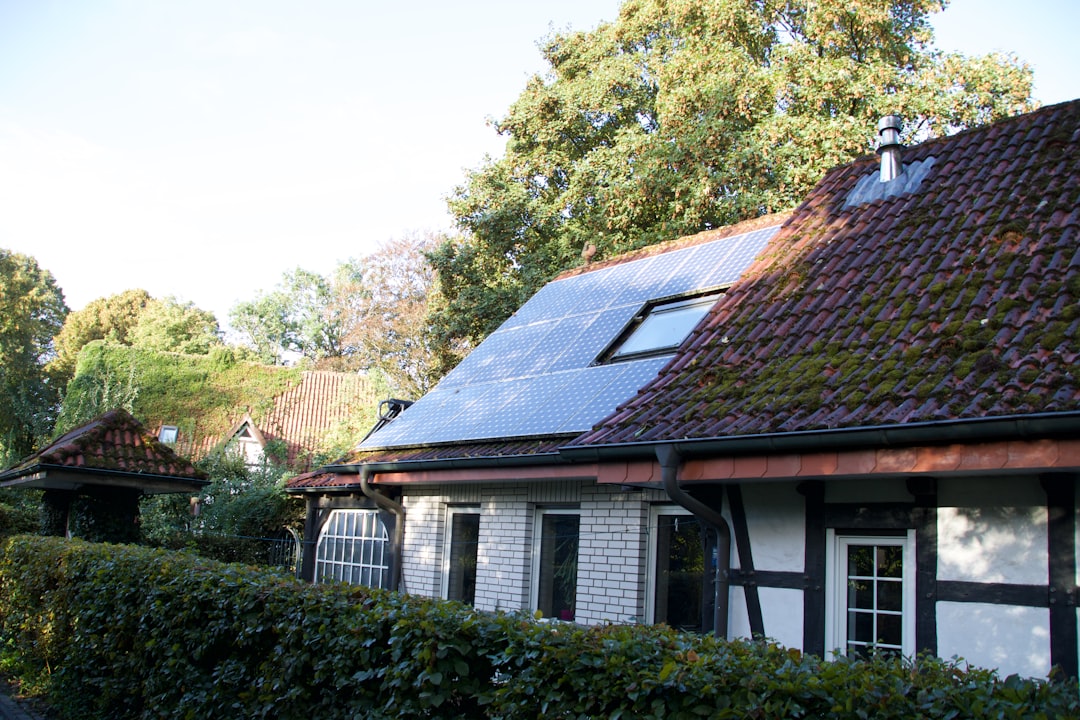
Best Solar Roof Companies: A 15-Year Roofer's Honest Guide to Smart Energy Upgrades
For fifteen years, I've climbed thousands of roofs across Texas. I've installed traditional asphalt shingles, metal panels, and now, solar-integrated roofing systems. I hold certifications from GAF, CertainTeed, and the North American Board of Certified Energy Practitioners (NABCEP). This hands-on experience with over 3,000 roofing projects gives me a unique perspective. I've seen what works, what fails, and what truly saves homeowners money. This article exists because choosing a solar roof is confusing. Homeowners face marketing hype, technical jargon, and conflicting claims. My goal is simple: give you the clear, practical information I'd give my own family. I want to help you make an informed decision that protects your home and your wallet for decades.
This guide is built from real customer projects, manufacturer training sessions, and industry data from sources like the Solar Energy Industries Association (SEIA). We'll compare products I've actually installed on homes. We'll discuss real costs from recent jobs in the Kingwood area. I'll explain the installation process from a contractor's view, not a sales brochure. My recommendations come from seeing these systems perform through Texas heat, hail, and heavy rain. Transparency matters. I have no financial ties to any solar roof manufacturer. My only bias is toward quality, durability, and honest value for homeowners.
Understanding Solar Roof Technology: More Than Just Panels
Solar roofing has evolved dramatically. It's no longer just about bolting panels onto an existing roof. Modern systems integrate solar technology directly into the roofing material itself. This creates a unified, aesthetic look while generating electricity. There are two main approaches. The first is traditional rack-mounted solar panels. These are installed on top of your existing roof structure. The second is building-integrated photovoltaics (BIPV). These products, like solar shingles or tiles, replace your conventional roofing material. Each approach has different costs, aesthetics, and performance characteristics.
Solar Shingles vs. Traditional Solar Panels
Solar shingles are designed to look like standard asphalt or slate shingles. They lay flat against the roof deck. Companies like GAF Energy and CertainTeed Apollo make these. They are an excellent choice for new construction or full roof replacements. Traditional solar panels are larger, more visible modules. They are mounted on racks above your existing shingles. Panels are often more efficient and less expensive per watt of power. However, they have a distinct industrial appearance. The choice depends on your budget, roof condition, and aesthetic preferences.
Key technical factors matter for Texas homes. Temperature coefficient shows how efficiency drops in heat. Our hot summers make this critical. Wind uplift rating is vital for storm resistance. Look for products rated for high-velocity hurricane zones (HVHZ). Fire rating is another safety standard. All materials should meet UL 790 Class A fire resistance. Durability against hail is non-negotiable in our region. Check the product's impact resistance rating (UL 2218 Class 4 is best). Always verify local building codes. The International Residential Code (IRC) and Texas-specific amendments govern solar roof installations.
Top Solar Roof Companies: Detailed Contractor Analysis
Not all solar roof companies are equal. Some excel at manufacturing. Others focus on installation. A few offer complete integrated systems. Based on my field experience and customer feedback, here is an honest breakdown of the leading players. This analysis considers product quality, warranty support, installation complexity, and real-world performance in our climate.
Tesla Solar Roof
Tesla's system uses durable glass tiles with integrated solar cells. The non-solar tiles look identical to the solar-active ones. This creates a seamless, uniform appearance. The tiles are designed to last longer than a typical roof. Tesla claims a lifetime of the house warranty. In practice, the installation is highly specialized. It requires Tesla-certified crews and can be complex. We've seen longer project timelines compared to other systems. The product is premium and comes with a premium price. It's best for homeowners prioritizing aesthetics and who are doing a full roof replacement. The Tesla Solar Roof website provides detailed specifications.
GAF Energy Timberline Solar
GAF is the largest roofing manufacturer in North America. Their Timberline Solar shingles are a game-changer. They look and install almost exactly like traditional architectural shingles. This makes them familiar for roofing contractors. The nailing pattern is the same. The underlayment requirements are standard. I've installed this system and found the process straightforward for experienced roofers. The shingles are durable and carry strong warranties backed by GAF's reputation. This is an excellent option for homeowners who want a subtle solar solution. It works well with GAF's other roofing components for a complete system warranty. Visit GAF Energy for technical data sheets.
CertainTeed Apollo II Shingle
CertainTeed is another giant in the roofing materials industry. Their Apollo II shingles integrate solar technology into a high-quality asphalt shingle. The design is sleek and low-profile. CertainTeed offers a robust warranty program through their certified installers. The product is designed for easy integration with their existing roofing systems. From an installer's perspective, the electrical connections are well-engineered. They minimize on-roof wiring for a cleaner look. This system is a solid choice for homeowners already using CertainTeed products. It ensures compatibility and simplifies the warranty process. Check CertainTeed Solar for installation guidelines.
SunPower by Qcells
SunPower is renowned for high-efficiency solar panels. They partner with Qcells, a leading panel manufacturer. This combination focuses on traditional rack-mounted systems, not integrated shingles. Their panels often have the highest efficiency ratings on the market. This means more power from less roof space. For homeowners with limited roof area, this efficiency is crucial. Their microinverter technology is reliable. It allows each panel to operate independently. This is beneficial for roofs with partial shading. While not a "solar roof" in the integrated sense, their systems are top-tier for energy production. Their SunPower website has detailed performance data.
Real Cost Breakdown: What Homeowners Actually Pay
Solar roof costs vary widely. The total price depends on system size, roof complexity, and product choice. Let's use real project examples from the past year. A 2,000-square-foot home in Kingwood needed a full roof replacement. The homeowner chose GAF Timberline Solar. The total project cost was $68,500. This included removing the old roof, installing new decking, synthetic underlayment, ice and water shield in valleys, ridge vent, and the solar shingles. The system size was 8.5 kW. After the 30% federal solar tax credit, the net cost was $47,950.
Another project involved adding a Tesla Solar Roof to a new construction home. The roof area was 2,800 square feet. The total installed cost was $112,000. The system size was 12 kW. The federal tax credit brought the cost down to $78,400. A third example was a retrofit. We installed SunPower panels on an existing 10-year-old CertainTeed Landmark roof. The 7 kW system cost $24,500 before incentives. After the tax credit, it was $17,150. This did not include any roofing work. Always get multiple detailed quotes. The quote should separate roofing costs from solar equipment costs. This clarity is essential for comparing bids.
Financing options are plentiful. Cash purchase offers the best long-term value. Solar loans are popular with low interest rates. Power Purchase Agreements (PPAs) let you pay for the power, not the equipment. Leases are another option but often limit future home sales. The federal Investment Tax Credit (ITC) is a major benefit. It currently offers a 30% tax credit on the total installed cost. This includes both roofing and solar components if integrated. Texas has no state-wide solar incentive, but some utilities offer rebates. Check with CenterPoint Energy or your local provider. Always consult a tax professional about credit eligibility.
The Installation Process: A Roofer's Step-by-Step View
A proper solar roof installation is a coordinated dance between roofers and electricians. As a roofing contractor, my crew handles the weatherproofing envelope. The electrician handles the electrical generation and connection. For an integrated solar shingle system, the process begins with a thorough roof inspection. We check the decking for strength and rot. The existing roof is completely torn off. We install new synthetic underlayment for superior moisture protection. Ice and water shield is applied in critical areas like valleys and eaves.
The solar shingles are then installed according to the manufacturer's precise layout plan. The layout is crucial for both aesthetics and electrical performance. Each shingle connects to its neighbor with weather-tight electrical connectors. We run conduit from the roof array to the inverter location. The inverter converts DC solar power to usable AC household power. A new electrical panel or sub-panel is often required. Finally, the system is inspected by the local building department. Then the utility company approves the connection to the grid. The entire process for an average home takes two to three weeks. Weather delays are common, so plan accordingly.
Critical Installation Red Flags
Homeowners should watch for warning signs during installation. Avoid contractors who skip the roof tear-off. Installing solar on old, worn shingles is a recipe for leaks. Be wary of companies using unsealed penetrations. Every hole in the roof must be properly flashed and sealed. Question installers who don't obtain proper permits. Permits ensure the work meets building and electrical codes. Walk away from crews not using fall protection. Safety is non-negotiable. Finally, never pay the full amount upfront. A standard payment schedule ties payments to project milestones. This protects you and motivates the contractor.
Homeowner's Practical Guide: Questions to Ask Your Contractor
Choosing the right contractor is as important as choosing the right product. Ask specific, detailed questions. First, ask for their contractor license number and proof of insurance. They should carry general liability and workers' compensation insurance. Second, ask for their NABCEP certification or manufacturer-specific certifications. Third, request a list of at least five recent local references. Call those references and ask about their experience. Fourth, ask who will perform the work. Will it be company employees or subcontractors? Fifth, request a detailed, written warranty. Understand what is covered, for how long, and who backs it.
- Get a detailed site assessment. The contractor should measure your roof, assess shading from trees, and evaluate your electrical panel.
- Review the energy production estimate. Ask for a month-by-month projection of energy generation. Compare it to your current utility bills.
- Understand the monitoring system. Most systems include an app to track energy production. Ensure you know how to use it.
- Clarify maintenance responsibilities. Solar roofs need occasional cleaning and inspection. Know what you must do versus what the warranty covers.
- Plan for future roof repairs. How are individual shingles replaced if damaged by hail? What is the process and cost?
Always check the contractor's standing with the Better Business Bureau. Search for complaints with the Texas Department of Licensing and Regulation. Verify their physical business address. Be cautious of door-to-door salespeople with "today-only" discounts. A reputable contractor gives you time to think and doesn't use high-pressure tactics.
Frequently Asked Questions from Real Customers
Will a solar roof work during a power outage?
Most standard grid-tied solar systems shut off during a power outage. This is a safety requirement for utility workers. However, you can add battery storage, like a Tesla Powerwall. A battery system stores excess solar energy. It can power critical home circuits during an outage. This is an additional investment but provides valuable backup power. Discuss this option with your installer if resilience is important to you.
How does hail damage affect my solar roof?
Quality solar shingles and panels are tested for severe hail impact. Most carry a Class 4 hail rating, the highest available. This means they can withstand a 2-inch steel ball dropped from 20 feet. In a major hailstorm, the solar product may survive while traditional shingles are destroyed. Filing an insurance claim can be more complex. You need an adjuster familiar with solar technology. Document your system thoroughly with photos and specifications for your insurer.
Can I install solar on my existing roof, or do I need a replacement?
You can install traditional rack-mounted panels on an existing roof in good condition. The roof should have at least 10-15 years of remaining life. Installing panels on an old roof is not economical. You would pay to remove and reinstall the panels when the roof needs replacement. Integrated solar shingles always require a full roof replacement. They are the roofing material. The best approach is to time your solar installation with your planned roof replacement.
How much will a solar roof increase my home's value?
Studies show solar energy systems increase home value. The U.S. Department of Energy cites multiple reports. Homes with solar sell for about 4% more on average. Buyers appreciate lower future energy bills. An integrated solar roof may add more value than panels. It is a premium, durable roofing product. Ensure your real estate agent knows how to market this feature. Keep all warranty and installation documentation for the next homeowner.
What maintenance does a solar roof require?
Solar roofs require minimal maintenance. You should visually inspect them a couple of times a year. Look for debris, bird droppings, or shading from new tree growth. In our area, pollen can coat the surface in spring. A gentle rinse with a garden hose can improve efficiency. Never use a pressure washer, as it can damage seals. Have a professional inspection every 3-5 years. They will check electrical connections, mounting hardware, and inverter function. Keep trees trimmed to prevent shading and leaf accumulation.
Real Project Case Studies & Outcomes
Case Study 1: The Johnson Family, Kingwood
The Johnsons had a 25-year-old roof leaking in multiple valleys. They wanted a durable new roof and lower electric bills. We recommended a full roof replacement with GAF Timberline Solar shingles. The project was completed in November 2022. Their system is 9.2 kW. In its first full year, it produced 12,800 kWh of electricity. This covered 92% of their home's energy usage. Their annual electricity bill dropped from $2,400 to about $200. They are very pleased with the uniform appearance. The roof survived the 2023 hailstorm with no damage, while many neighbors needed repairs.
Case Study 2: The Garcia Residence, Atascocita
The Garcias built a new custom home. They wanted a cutting-edge, integrated solar solution from the start. They selected the Tesla Solar Roof. The installation was part of the initial construction. The roof tiles have a sleek, modern look that matches their home's architecture. The 14 kW system produces more energy than they use. They sell the excess back to the grid. Their net energy cost is zero. They also installed two Powerwall batteries. This provides backup power during our frequent summer storms. The total cost was high but fit their budget and goals for a sustainable, resilient home.
Industry Statistics & Future Trends
The solar roofing market is growing rapidly. The SEIA reports solar installations break records nearly every quarter. In 2023, the U.S. installed over 32 gigawatts of solar capacity. Rooftop residential systems made up a significant portion. Building-integrated photovoltaics (BIPV) are the fastest-growing segment. Manufacturers are investing heavily in new products that are more efficient and affordable. The federal tax credit is extended through 2034, providing market stability. Battery storage attachment rates are soaring. Over 30% of new solar installations now include a battery. This trend toward energy independence will continue.
Technology improvements are constant. Solar cell efficiency continues to climb, meaning more power from the same roof area. New materials make shingles lighter and more flexible. Smart inverters and energy management systems are becoming standard. These systems optimize energy use, storing power when rates are low and using it when rates are high. For homeowners, this means the technology you buy today will be better and smarter than ever before. It's a solid long-term investment in your home's infrastructure.
Conclusion & Your Next Steps
Choosing a solar roof is a significant decision. It combines a major home improvement project with a long-term energy investment. The right choice depends on your roof's condition, your budget, and your energy goals. Start with a professional roof inspection. Determine if you need a replacement now or in the near future. Then, get detailed quotes from at least three certified, local installers. Compare the products, warranties, and company reputations, not just the bottom-line price. Use the questions in this guide to vet each contractor thoroughly.
Remember, a solar roof is a 30-year decision. The cheapest option is rarely the best over decades. Prioritize quality installation and robust warranties. The federal tax credit makes now an excellent time to act. This investment will protect your home from the elements. It will also protect your budget from rising energy costs. You are building a more resilient, valuable, and sustainable home. Take your time, do your research, and choose a partner you trust. Your future self will thank you for making a smart, informed choice today.