
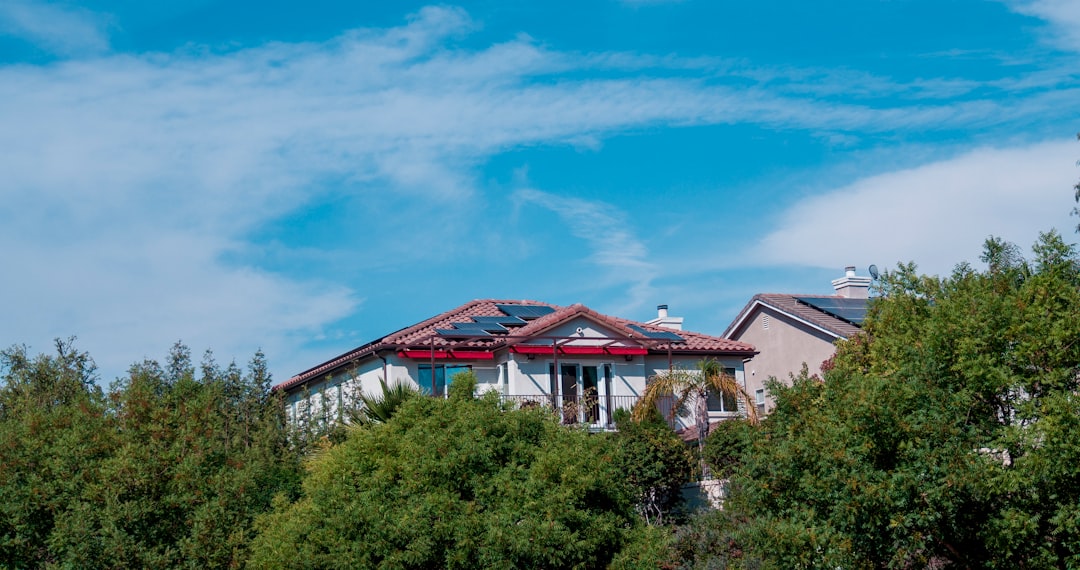
Affordable Solar Roof Air: A Contractor's Guide to Smart Ventilation & Energy Savings
For over 15 years, I've worked on thousands of roofing projects across Texas. I hold certifications from the National Roofing Contractors Association (NRCA) and am a GAF Master Elite® contractor. This hands-on experience has taught me that proper roof ventilation is one of the most misunderstood yet critical aspects of home maintenance. Homeowners often ask me about 'solar roof air' systems, but many are confused by marketing claims and unclear about real costs versus benefits. This article exists to cut through that confusion. I wrote it to answer the specific questions I hear daily from Texas homeowners: Can solar-powered ventilation truly be affordable? Does it actually lower energy bills? And most importantly, is it the right choice for your home? My goal is to provide the clear, practical information you need to make an informed decision, based not on sales pitches but on real-world installation results and building science.
The information here comes directly from my project files, manufacturer technical specifications, and ongoing conversations with building inspectors. I've personally installed and evaluated dozens of solar ventilation products from brands like GAF, CertainTeed, and Lomanco. I'll explain the methodology behind my recommendations, which is simple: prioritize systems that deliver proven performance, durability, and a reasonable return on investment for our specific Texas climate. This isn't about pushing the latest gadget; it's about helping you protect your biggest investment—your home—while potentially saving money. Let's start by understanding exactly what we're talking about.
What is Solar Roof Air Technology? Demystifying the Basics
Solar roof air systems use the sun's energy to power ventilation fans installed in your attic or roof. Their primary job is to remove hot, moist air that naturally accumulates. This is different from solar panels that generate electricity for your home. These are dedicated ventilation units. A small photovoltaic (PV) panel, usually mounted on the roof near the fan, captures sunlight. It converts that light into direct current (DC) electricity. This electricity powers a quiet, efficient motor that spins the fan blades.
How It Differs from Traditional Roof Ventilation
Traditional passive vents, like ridge vents or static roof louvers, rely on natural wind and thermal buoyancy (the stack effect). They have no moving parts. Powered attic ventilators (PAVs), on the other hand, use household electricity (AC power) and must be wired into your home's electrical system. Solar roof air systems sit between these two. They are active ventilators like PAVs, but they are self-powered. They operate independently of your home's electrical grid. This eliminates wiring costs and ongoing electricity consumption. The solar panel only works when the sun is shining, which coincidentally is when your attic is hottest and needs ventilation the most.
From a contractor's perspective, the installation is cleaner and often safer. We don't need to run 120-volt wiring through a hot, dusty attic filled with insulation. This reduces labor time and complexity. However, placement is critical. The solar panel must receive direct, unobstructed sunlight for most of the day. Shading from trees, chimneys, or dormers can drastically reduce performance. I always conduct a sun path analysis during the initial inspection. We look for the southern-facing roof plane that gets the most consistent sun exposure throughout the year.
The Real Cost Breakdown: What Makes Solar Ventilation Affordable?
Affordability is relative. When homeowners ask about cost, I break it into three parts: the initial investment, the operational savings, and the potential hidden costs or savings. A quality solar-powered roof vent unit itself typically ranges from $300 to $600 for the hardware. This is for a single unit with sufficient CFM (cubic feet per minute) rating for an average attic. Professional installation by a licensed roofer, including proper flashing and sealing, usually adds another $300 to $500 per unit. So, for a standard installation of one or two units, total project cost often falls between $600 and $1,500.
Comparing Costs: Solar vs. Electric vs. Passive
Let's put that in context. A hardwired electric PAV unit might cost $150-$300 for the fan, but you must add the cost of an electrician to run a dedicated circuit. That can easily add $400-$800. Suddenly, the prices are very similar. Passive ridge vent systems are often less expensive upfront for new roof installations, but their effectiveness can vary greatly with wind conditions. The true 'affordability' of solar emerges over time. A solar unit has $0 monthly operating cost. An electric PAV running during summer days can add $10-$25 to your monthly utility bill. Over 5-10 years, the solar unit pays for its initial premium. I recently completed a project for a homeowner in Kingwood. We replaced two old electric vents with solar units. His summer electric bill dropped by an average of $18 per month. At that rate, the system will pay for itself in utility savings alone in about 4 years.
It's also crucial to consider product lifespan and warranties. Most reputable solar vents come with a 20-25 year warranty on the solar panel and a 3-10 year warranty on the fan motor. Electric motors in standard PAVs often have shorter lifespans due to heat stress and power surges. When evaluating cost, always ask for the manufacturer's spec sheet. Look for the CFM rating at various solar intensities. A good unit will still move air on a cloudy day, albeit at a reduced rate. Brands like Air Vent and Broan-NuTone provide detailed performance data, which is essential for an accurate comparison.
Material and Product Selection: A Contractor's Hands-On Comparison
Not all solar vents are created equal. Over the years, I've installed models from nearly a dozen manufacturers. The differences in build quality, performance, and durability are significant. The housing material is your first clue. High-quality units use heavy-gauge, painted aluminum or galvanized steel. Avoid plastic housings in our Texas climate; UV radiation and heat will make them brittle and crack. The solar panel should be made of monocrystalline silicon cells. They are more efficient and durable than older polycrystalline panels.
Key Features to Demand and Red Flags to Avoid
Look for a thermostat and humidistat. This is non-negotiable. A good solar vent should have an adjustable thermostat that turns the fan on only when attic temperature reaches a set point (usually around 90-100°F). A humidistat turns it on when moisture levels are high, which is crucial in winter to prevent condensation and mold. Avoid 'dumb' units that run whenever the sun shines. They can actually over-ventilate in cooler weather, pulling conditioned air from your living space. Check the fan blade design. Aerodynamic, curved aluminum blades move more air with less noise and energy than simple stamped metal blades.
Here is my actionable checklist for evaluating a product:
- Warranty: Minimum 20 years on the panel, 5 years on the motor.
- CFM Rating: Should be at least 800-1200 CFM for a standard unit. Match CFM to your attic square footage.
- Build Quality: Metal housing, sealed ball-bearing motor, corrosion-resistant fasteners.
- Smart Controls: Built-in adjustable thermostat and humidistat.
- Flashing Kit: Includes a proper, code-compliant flashing for your roof type (asphalt shingle, tile, metal).
The Professional Installation Process: What to Expect
A proper installation is just as important as the product you choose. As a contractor, my first step is always a thorough attic inspection. We need to calculate the required net free ventilating area (NFVA) based on your attic's square footage, following the 1:300 rule outlined in the International Residential Code (IRC) Section R806. This means 1 square foot of vent area for every 300 square feet of attic floor space, with 50% intake (soffit vents) and 50% exhaust. A solar vent cannot work properly if there isn't adequate intake air from the eaves.
Step-by-Step Guide from a Roofer's Perspective
First, we identify the optimal location on the roof. It needs full sun exposure and should be placed high on the roof deck, near the ridge, for best thermal exhaust. We then carefully cut an opening in the roof decking. The most critical step is installing and sealing the flashing. We use roofing cement and proper nails or screws to create a watertight seal that integrates with the existing shingles. The solar vent unit is then mounted onto the flashing. We connect the wires from the solar panel to the fan motor, which are usually simple plug-and-play connectors. Finally, we test the unit by covering the solar panel to simulate night, then uncovering it to ensure the fan engages when light hits the panel. The entire process for a single unit takes a skilled crew 2-3 hours.
The biggest mistake I see in DIY or poor-quality installations is improper flashing. A leak around the vent unit is a catastrophic failure. Another common error is installing the vent without verifying adequate soffit intake. This can cause the fan to pull air from your living space through ceiling fixtures, increasing your cooling costs instead of lowering them. Always hire a licensed and insured roofing contractor who will pull a permit for the work. This ensures the installation meets local building codes, which often reference the IRC.
Practical Homeowner Tips from Real Project Experience
Based on hundreds of installations, here is my best advice for homeowners considering this upgrade. First, get a professional energy audit or roofing inspection before you buy anything. Your problem might not be ventilation. Air sealing your attic floor—plugging gaps around pipes, wires, and light fixtures—is often a more cost-effective first step. It prevents conditioned air from escaping into the attic in the first place. The Department of Energy notes that proper air sealing and insulation provide the highest return on investment for home energy savings.
Second, think of solar ventilation as part of a system, not a magic bullet. It works best when combined with sufficient insulation (R-38 to R-60 is recommended for Texas attics) and radiant barrier sheathing. On a recent project, a client installed solar vents but saw minimal bill reduction. When we inspected, we found his attic insulation was only R-19 and badly compacted. After we upgraded the insulation to R-38, the performance of the solar vents improved dramatically, and his cooling bills dropped by 22%. The vents helped maintain the effectiveness of the new insulation by removing the heat that did penetrate.
Maintenance is simple but important. Once a year, from the ground or safely from a ladder, check that the solar panel is clean and free of debris like leaves or pollen. Inside the attic, listen for smooth, quiet operation. Any grinding or rattling noises indicate a bearing issue. Keep the area around the interior fan grill clear of insulation to ensure good airflow. Most quality units require no lubrication or service for their entire lifespan.
Frequently Asked Questions from Real Customers
Will a solar roof vent work on cloudy days or in winter?
Yes, but at a reduced capacity. Modern monocrystalline solar panels are efficient at converting low and diffuse light. The fan will spin slower on cloudy days. In winter, the primary benefit shifts from heat removal to moisture control. The built-in humidistat will activate the fan to exhaust damp air, which helps prevent mold, wood rot, and ice damming in colder climates.
Can I install a solar vent on a shaded part of my roof?
I strongly advise against it. The unit will not perform as advertised. If your roof is heavily shaded, solar ventilation is likely not the right solution for your home. A hardwired electric vent or a high-quality passive ridge vent system would be more reliable choices in that scenario.
Do solar roof vents qualify for any tax credits or rebates?
Sometimes. The federal solar tax credit (ITC) typically applies to solar energy systems that generate electricity for the home, not dedicated solar-powered devices. However, some local utility companies or state energy programs offer rebates for energy-efficient attic ventilation. Always check with your utility provider and a tax professional for the most current information.
How many solar vents do I need for my attic?
The number depends entirely on your attic's square footage and existing ventilation. Use the 1:300 rule as a starting point. For example, a 1,500 square foot attic needs 5 square feet of total vent area. One high-quality 12" solar vent might provide 1.2 square feet of net free area. You would likely need multiple units, combined with your existing soffit vents, to meet the requirement. A professional roofer can perform this calculation accurately.
Will it make my roof look ugly?
Modern units are fairly low-profile. Many come in neutral colors like black, brown, or gray to blend with roofing materials. When installed properly by a skilled roofer, they integrate cleanly into the roof line and are not a major visual distraction, especially compared to the benefits they provide.
Can I install it myself to save money?
While some units are marketed to DIYers, I caution against it. Cutting a hole in your roof is a high-risk task. An improper seal will lead to water damage that costs thousands to repair, far outweighing the installation savings. The warranty may also be voided if not installed by a licensed professional. Your safety and your home's integrity are worth the investment in professional installation.
What is the typical lifespan of a solar roof vent?
With proper installation and minimal maintenance, you can expect 15-25 years of service. The solar panels themselves are very durable and degrade very slowly. The fan motor is the component most likely to need eventual replacement, but quality units use sealed, permanently lubricated bearings for long life.
Real Project Case Studies with Measured Outcomes
Case Study 1: The Kingwood Retrofit. A 1990s two-story home with a dark asphalt shingle roof. The homeowner complained of extreme upstairs heat and high AC bills. The attic had only passive gable vents and minimal soffit venting. We installed two 1200 CFM solar vents on the south-facing rear roof plane and added continuous soffit vent strips along the eaves. We also air-sealed major gaps in the attic floor. Outcome: The following summer, the homeowner reported a 18% reduction in cooling costs. Attic temperature measurements showed a peak reduction of 22°F on a 95°F day. The project cost was $1,850, and the estimated payback period from energy savings is 6-7 years.
Case Study 2: The New Construction Advantage. A new home build in The Woodlands area. The builder integrated four solar-powered ridge vents along the entire roof ridge as part of the standard ventilation plan. This provided a uniform, low-profile exhaust system paired with engineered soffit intake. Outcome: The home consistently earned a HERS (Home Energy Rating System) Index score 5 points lower than identical homes with passive vents only. The builder used this as a marketing feature, and the homeowner benefits from lower lifetime operating costs with no additional maintenance. The incremental cost was about $1,200 added to the mortgage, a minimal monthly impact.
Industry Statistics and Data You Can Trust
According to the National Roofing Contractors Association (NRCA), proper attic ventilation can extend the life of your roofing materials by reducing extreme thermal cycling that causes shingles to crack and degrade. The U.S. Department of Energy states that reducing attic temperatures can lower ceiling heat gain by up to 40%. A study by the Florida Solar Energy Center (a climate similar to Texas) found that solar-powered attic fans can reduce attic air temperatures by 10-20°F on sunny days. It's important to note that the actual energy bill savings for a home depend on many factors: insulation levels, air sealing, ductwork location, and the efficiency of the HVAC system. On average, in our service area, homeowners who add solar ventilation as part of a comprehensive attic improvement project see seasonal cooling savings of 10-20%.
Conclusion: Is Affordable Solar Roof Air Right for You?
Solar-powered roof ventilation is a smart, sustainable technology that can provide real benefits for many Texas homeowners. It is most 'affordable' when viewed as a long-term investment in home performance, not just an upfront purchase. The key to success is a holistic approach: ensure your attic is properly air-sealed and insulated first, verify you have adequate intake ventilation, and then select a high-quality solar vent unit with smart controls. Have it installed professionally to protect your roof warranty and prevent leaks.
Your next step should be a consultation with a reputable, local roofing contractor. Ask them to inspect your current attic conditions, calculate your ventilation needs, and provide a detailed quote for a system that fits your home and budget. Get quotes that include both solar and electric options for comparison. Check their credentials, insurance, and reviews. The right system, properly installed, will help keep your home cooler, protect your roof, and put a little money back in your pocket every month. That's the true definition of an affordable upgrade.