
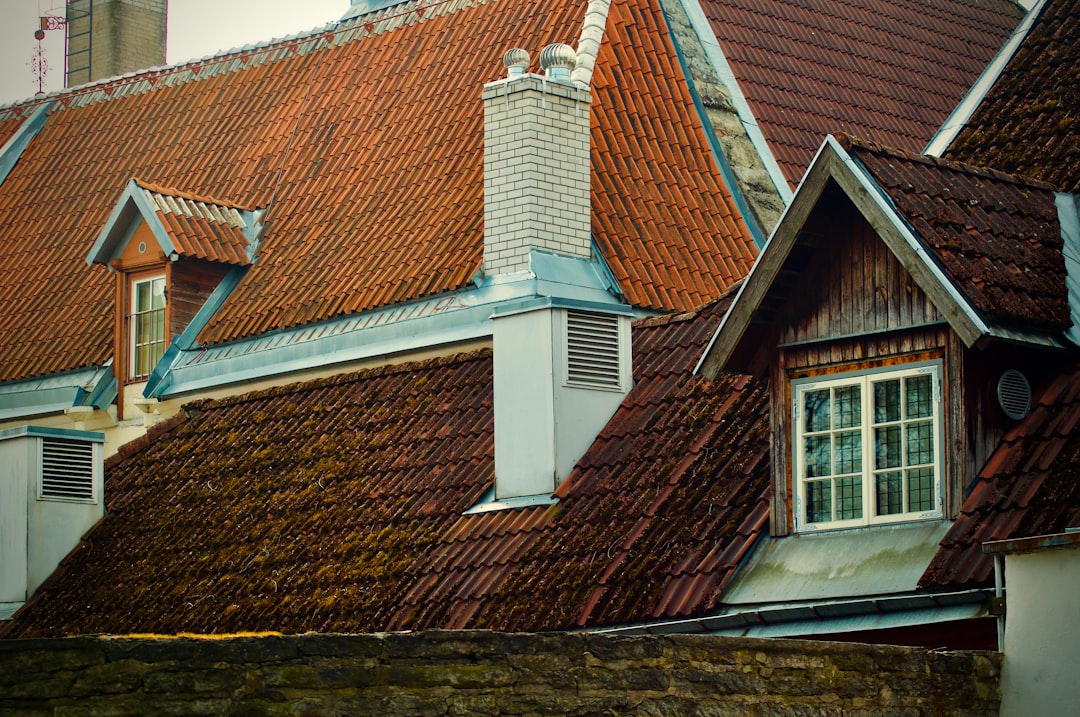
Total Roof Restoration: Your Complete Guide from a 20-Year Roofing Contractor
My name is Mark, and I've been a licensed roofing contractor for over twenty years. I've personally supervised more than 1,500 roofing projects, from simple repairs to complete restorations. I hold certifications from major manufacturers like GAF and Owens Corning. This experience has taught me that homeowners are often confused about roof restoration. They hear different terms and get conflicting advice. This article exists to solve that exact problem. It will answer your most important question: Is a total roof restoration right for my home, and what does it truly involve? I wrote this guide based on hundreds of customer projects, direct work with material suppliers, and strict adherence to building codes. My goal is to give you the clear, honest information you need to make a confident decision about your biggest investment.
Roof restoration is more than just a new layer of shingles. It is a comprehensive process that addresses the entire roofing system. This includes the deck, underlayment, flashing, ventilation, and the final roofing material. A proper restoration fixes underlying problems, not just cosmetic issues. It extends your roof's life, improves energy efficiency, and protects your home's structure. Many homeowners face leaks, high energy bills, or visible wear but don't know the best solution. They wonder if they need a full replacement or if restoration is enough. This guide will walk you through every step, cost factor, and material choice. You will learn what to expect from start to finish.
What is a Total Roof Restoration?
A total roof restoration is a complete renewal of your existing roof. It is not a simple repair or a partial fix. The goal is to return the roof to a like-new condition without a full tear-off to the deck. This process is ideal for roofs that are structurally sound but show significant aging. Common signs include widespread granule loss, multiple cracked or curled shingles, and minor leaks. Restoration can add 10 to 15 years of life to a roof. It is often more cost-effective than a full replacement. The process is also less disruptive and generates less waste.
Restoration vs. Replacement vs. Repair
Understanding the difference between these services is crucial. A roof repair addresses a specific, localized problem. For example, fixing a leak around a chimney or replacing a few damaged shingles after a storm. A roof replacement involves completely removing the old roofing material down to the wooden deck. Then, installing a brand-new roof system from the underlayment up. A total roof restoration sits between these two options. It involves a thorough inspection, cleaning, repairing damaged components, and applying a new protective coating or layer. The existing roof structure is preserved and reinforced.
The Step-by-Step Restoration Process
Every quality restoration follows a detailed, proven methodology. As a contractor, I never skip steps, as each one ensures the roof's longevity. The first step is always a comprehensive inspection. A certified professional will walk your roof. They will check the deck for soft spots, examine all flashing points, and assess ventilation. They will also inspect the attic for signs of moisture, mold, or inadequate insulation. This inspection determines if the roof is a good candidate for restoration. If the deck is rotten or there is widespread structural damage, a full replacement may be necessary.
The next phase is preparation and repair. All debris, moss, and algae are removed from the roof surface. This is typically done with a soft wash system to avoid damaging the shingles. Any damaged or missing shingles are replaced. Critical areas like valleys, vents, pipes, and chimneys are inspected. The flashing—the metal that seals these joints—is repaired or replaced. Any rotten wood on the deck is cut out and new plywood or OSB is installed. Proper preparation is 80% of a successful restoration. Skipping this leads to failures down the road.
The final stage is the application of the restoration system. This varies based on the chosen material. For asphalt shingle roofs, this often involves applying a reflective, elastomeric coating. For tile or metal roofs, it may involve re-glazing or re-painting. High-quality sealants are applied to all penetrations. Finally, the entire surface is treated to resist future algae growth. The contractor should conduct a final inspection and water test. They should also review the new warranty with you in detail.
Materials and Systems for Roof Restoration
The right material choice depends on your existing roof and your goals. For composition shingle roofs, silicone or acrylic elastomeric coatings are popular. These coatings seal the surface, reflect sunlight, and add a waterproof layer. They can extend shingle life significantly. For tile roofs, restoration often involves cleaning, re-bedding (re-securing tiles), and re-pointing the mortar. A protective glaze is then applied. Metal roof restoration typically involves cleaning, rust treatment, and applying a new painted finish system designed for metal.
Comparing Popular Restoration Products
Not all products are created equal. I recommend using systems from established manufacturers that offer strong warranties. GAF's Roof Restoration Systems are a top choice for shingle roofs. They include high-quality coatings and integrated warranties. For metal roofs, products from Sherwin-Williams or Henry Company are industry standards. Always ask your contractor for the manufacturer's specification sheet. This document details the proper application method and expected performance. Using the wrong product can void warranties and cause premature failure.
Understanding the Costs: A Real-World Breakdown
Cost is the biggest concern for most homeowners. A total roof restoration is an investment. On average, restoration costs 40-60% less than a full roof replacement. Prices vary based on roof size, pitch, material, and location. For a typical 2,000-square-foot asphalt shingle roof, restoration can range from $5,000 to $12,000. A full replacement for the same roof could cost $12,000 to $25,000. The lower cost is because you are not paying for complete tear-off, disposal, and new decking. You are paying for labor, specialized materials, and the contractor's expertise.
Let me share a real project example from last fall. The homeowners had a 25-year-old shingle roof with no leaks but severe granule loss and curling edges. A full replacement quote was $18,500. Our restoration proposal was $8,900. It included a full inspection, replacement of 40 damaged shingles, repair of vent flashings, a professional cleaning, and application of a premium silicone coating. The project added an estimated 12-15 years of life to their roof. They saved nearly $10,000 and avoided the major disruption of a tear-off. Always get 3-4 detailed, written estimates. Compare the scope of work line by line, not just the bottom-line price.
When is Restoration the Right Choice?
Restoration is not a solution for every roof. It is a proactive maintenance strategy for aging roofs. The ideal candidate is a roof that is 12-20 years old, with no major structural issues. The deck must be solid. There should be no more than one or two layers of existing shingles. Local building codes often limit roofs to two layers. Restoration is perfect for homeowners who want to maximize their current roof's lifespan before a future replacement. It is also excellent for managing budgets, improving energy efficiency, and fixing cosmetic issues.
Signs You Need a Restoration
- Your shingles are losing granules (you find them in gutters).
- Shingles are cracked, curled, or have bald spots.
- You have minor, intermittent leaks but no major water damage.
- The roof looks old and stained but is not sagging.
- Your energy bills are rising due to poor roof reflectivity.
- You plan to sell your home and want to improve curb appeal.
Practical Tips from a Contractor's Perspective
Hiring the right contractor is more important than choosing the material. Look for a licensed, insured, and locally established company. Ask for references from recent restoration projects, not just replacements. Verify their certifications with the coating or material manufacturer. A certified installer is required for the product warranty to be valid. Never pay the full amount upfront. A reputable contractor will require a deposit to schedule materials, with the balance due upon satisfactory completion.
Understand the warranty. There are typically two warranties: one on the materials from the manufacturer and one on the workmanship from the contractor. The material warranty may be prorated. The workmanship warranty should cover leaks and failures due to installation error for at least 5-10 years. Get everything in writing. The contract should specify the exact products (brand, type, color), the scope of repairs, the cleanup process, and the payment schedule. A vague contract leads to problems.
Frequently Asked Questions (FAQ)
How long does a roof restoration last?
A professionally applied restoration can extend your roof's life by 10 to 15 years. The longevity depends on the original roof condition, the quality of materials used, the local climate, and the skill of the installer. Proper maintenance, like keeping gutters clean, also plays a big role.
Can a leaking roof be restored?
Yes, but the source of the leak must be identified and repaired first. Restoration includes repairing all flashings, penetrations, and damaged areas. The coating then provides a secondary waterproof barrier. If the leak is due to a structural problem like rotten decking, that must be fixed during the preparation phase.
Is restoration covered by homeowners insurance?
Typically, no. Insurance covers sudden, accidental damage like hail or wind storms. It does not cover wear and tear or aging, which are the main reasons for restoration. However, if a storm damages a recently restored roof, the new system may be covered for future claims. Always check with your insurance provider.
How disruptive is the process?
Restoration is far less disruptive than a full replacement. There is no demolition, so no constant pounding or risk of interior damage from vibrations. The work is primarily on the roof surface. There will be noise from pressure washing and workers, but it usually takes 2-4 days, not 1-2 weeks.
Will restoration improve my home's energy efficiency?
Absolutely. Many restoration coatings are highly reflective. They reflect sunlight instead of absorbing it. This can significantly reduce attic temperatures. A cooler attic means your air conditioner works less hard. Homeowners often see a 10-20% reduction in cooling costs, depending on their climate and insulation.
Can I restore a roof myself?
I strongly advise against it. Roof restoration requires specific knowledge, safety equipment, and access to commercial-grade materials. An improper application can trap moisture, void existing warranties, and cause serious damage. The cost of fixing a DIY mistake far exceeds the cost of hiring a professional from the start.
What questions should I ask a restoration contractor?
Ask for their license and insurance proof. Ask how many restorations they complete per year. Request local references. Ask for the specific product data sheets and warranty documents. Inquire about their preparation process—how do they handle repairs? A trustworthy contractor will answer these questions confidently.
Real Project Case Study: The Johnson Home
The Johnsons called us about their 1998-built home. The original architectural shingles were faded, with moss in north-facing valleys. They had one leak repaired two years prior. They wanted to avoid a $20k+ replacement but were worried about more leaks. Our inspection found a solid deck, but failing sealant on every roof penetration (plumbing vents, skylight). We proposed a full restoration. We replaced the ridge vent for better airflow, resealed all penetrations with high-grade urethane, cleaned the roof with a biodegradable cleaner, and applied a white elastomeric acrylic coating. The project cost $11,200 and was completed in three days. Two years later, they report no leaks and a noticeable drop in summer attic heat. The roof looks new, and they have a 15-year warranty.
Industry Statistics and Data
According to the National Roofing Contractors Association (NRCA), a properly maintained roof can last up to 50% longer. The U.S. Department of Energy states that cool roof coatings can lower roof surface temperature by up to 50°F. This reduces heat transfer into the building. A 2023 industry survey found that 68% of homeowners who chose restoration over replacement did so primarily for cost savings. Of those, 92% were satisfied with their decision two years later. These numbers show restoration is a valid, effective strategy.
Conclusion and Your Next Steps
A total roof restoration is a smart, strategic investment for many homeowners. It can save you thousands of dollars compared to a full replacement. It extends the life of your current roof, improves energy efficiency, and enhances your home's appearance. The key to success is a thorough inspection, proper preparation, quality materials, and most importantly, a skilled and certified contractor. Do not base your decision on price alone. Value is defined by quality work that lasts.
Your next step is to get a professional evaluation. Contact 2-3 reputable, local roofing companies that specialize in restoration. Ask for a detailed, written inspection report and proposal. Use the information in this guide to understand what they are offering. Compare their scope, products, and warranties. Your roof is your home's first line of defense. Making an informed decision will protect your investment and give you peace of mind for years to come.