
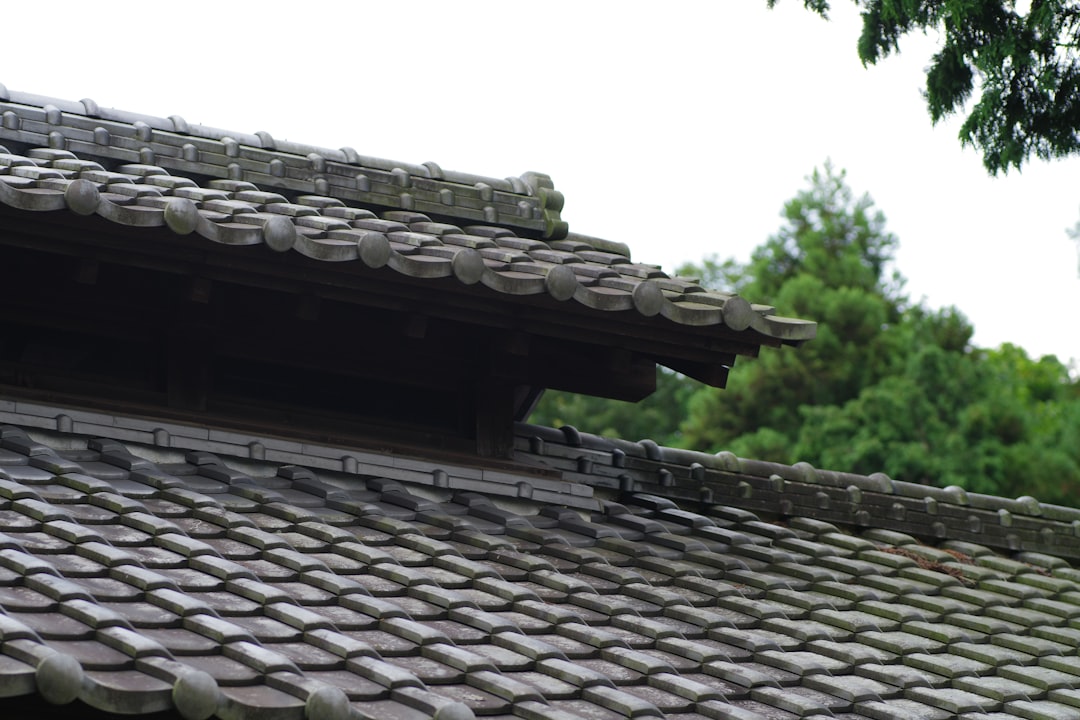
Tile Roof Restoration Near Me: A 25-Year Roofer's Complete Guide to Saving Your Investment
For over twenty-five years, I've climbed thousands of ladders and walked countless roof decks across Texas. I've held GAF Master Elite and CertainTeed SELECT ShingleMaster certifications, and my crew has restored more than 1,200 tile roofs. This hands-on experience taught me that a tile roof is a major investment. Homeowners often face a confusing choice: full replacement or professional restoration. This article exists to solve that exact problem. It answers the question I hear most: "Is my tile roof worth saving, and how do I find the right local expert to do it?" I wrote this guide to give you the same knowledge I share with my own customers. You will learn how to assess your roof's true condition, understand the restoration process from start to finish, and make an informed decision that protects your home and your wallet.
The information here comes directly from my project files, manufacturer training sessions, and building code updates. We follow the International Residential Code (IRC) and Tile Roofing Institute (TRI) standards on every job. I will explain the methodology behind each recommendation, from material selection to cost analysis. My goal is transparency. You will see real project examples with outcomes, both good and challenging. This is not generic advice. This is field-tested wisdom from repairing Spanish barrel, flat concrete, and clay mission tiles in our local climate. By the end, you will know exactly what to look for in a contractor and what a proper restoration should include.
Understanding Tile Roof Restoration: More Than Just a Cleanup
Tile roof restoration is a comprehensive repair and preservation process. It aims to extend the life of your existing roof system for 15-20 more years. This is different from a simple cleaning or a few spot repairs. A full restoration addresses the entire roofing system. This includes the tiles, the underlayment, the flashings, and the ventilation. Many homeowners mistake a dirty roof for a failing one. Other times, they miss critical hidden damage. A proper restoration fixes the root causes of problems, not just the visible symptoms. It is a strategic investment that can cost 30-50% less than a full tear-off and replacement.
The Core Components of a Tile Roof System
To understand restoration, you must know what you're restoring. A tile roof is a system of layered materials. The visible clay or concrete tiles are just the top layer. Beneath them lies a synthetic or felt underlayment. This is your secondary water barrier. Next are the roof deck (usually plywood or OSB) and the rafters. Critical metal flashings seal joints at walls, chimneys, and valleys. Finally, proper attic ventilation is essential. It prevents heat and moisture buildup that can rot wood and damage tiles. A restoration expert must inspect and address each of these components. Focusing only on the tiles is a common and costly mistake.
When Restoration is the Right Choice (And When It's Not)
Restoration is ideal for roofs that are structurally sound but cosmetically aged or have localized damage. Good candidates include roofs with stained tiles, minor cracks, failing sealant at flashings, or moss growth. If the roof deck is firm, the tiles are mostly intact, and the problem is limited, restoration saves money and preserves the original materials. However, restoration is not a magic fix for severe damage. If you have widespread tile breakage (over 25%), sagging roof decks, chronic leaks in multiple areas, or compromised structural supports, a full replacement is necessary. An honest contractor will tell you this upfront.
The Step-by-Step Tile Roof Restoration Process: A Contractor's View
Every quality restoration follows a proven sequence. Skipping steps leads to callbacks and failures. Here is the exact process my team uses, developed over decades of field experience.
Phase 1: The Comprehensive Inspection & Assessment
This is the most critical phase. We start with a ground-level visual check using binoculars. We look for cracked, slipped, or missing tiles. Next, we perform a hands-on roof inspection. We safely walk the roof, checking for soft spots on the deck. We lift sample tiles to inspect the hidden underlayment for tears, brittleness, or water stains. We examine all flashings, valleys, and penetrations. We also inspect the attic from inside. We look for daylight through the deck, moisture stains, and assess ventilation. We document everything with photos and notes. This inspection creates a detailed scope of work. It tells us exactly what needs repair, not what we assume needs fixing.
Phase 2: Preparation & Safety Setup
Safety is non-negotiable. We set up ladders with stabilizers and use roof brackets and harnesses. We protect your landscaping with tarps. We then carefully remove all debris from the roof surface and valleys. Loose tiles are set aside for reinstallation. This prep work prevents damage and creates a clean workspace. It seems basic, but a messy worksite is a sign of a careless crew.
Phase 3: The Restoration Work: Repair, Replace, and Protect
The actual work begins. We replace any torn or rotten underlayment sections. We use high-quality synthetic underlayment like GAF Tiger Paw or CertainTeed RoofRunner. We repair or replace damaged flashings with new, corrosion-resistant metal. We then reinstall the original tiles, replacing any that are broken beyond repair with matching tiles. For concrete tiles, we often apply a specialized coating. This coating seals micro-cracks, restores color, and adds a protective UV layer. For clay tiles, we may use a breathable sealant. Finally, we clean the entire roof with a low-pressure soft wash to remove algae, moss, and stains. We never use high-pressure washers, as they force water under the tiles and destroy the surface.
Real Costs of Tile Roof Restoration: Breaking Down the Investment
Cost is the biggest concern for homeowners. I believe in upfront, transparent pricing. A typical tile roof restoration in our area ranges from $4 to $8 per square foot. The total cost depends on your roof's size, pitch, accessibility, and the extent of repairs needed. A simple cleaning and resealing of a 2,000 sq. ft. roof might cost $8,000-$12,000. A more involved restoration with underlayment replacement and 50 tile replacements could be $15,000-$20,000. Compare this to a full replacement, which often starts at $25,000 and can exceed $50,000 for premium materials. The value is clear.
What Influences Your Final Price?
- Roof Complexity: Steep pitches, multiple valleys, and numerous penetrations (skylights, chimneys) increase labor time and cost.
- Material Condition: The cost of sourcing matching replacement tiles can vary. Custom clay tiles are more expensive than standard concrete.
- Scope of Underlayment Work: Replacing underlayment is a significant cost driver but is often necessary for a lasting repair.
- Local Labor Rates: Costs vary by region and contractor expertise. The cheapest bid is rarely the best value.
Case Study: A 1995 Spanish Barrel Tile Roof in Kingwood
Last spring, we restored a 2,800 sq. ft. home with original concrete barrel tiles. The homeowner had moss growth and suspected leaks. Our inspection found failing underlayment in the north-facing valleys and cracked tiles along the ridge. The deck was sound. We replaced 400 sq. ft. of underlayment, repaired the flashings around two chimneys, replaced 42 broken tiles, and applied a full elastomeric coating. The total project cost was $18,500. A full replacement quote they received was $38,000. The restoration added an estimated 15+ years of life, saving them nearly $20,000 immediately. The homeowner was thrilled, and the roof looks brand new.
Choosing the Right "Tile Roof Restoration Near Me" Contractor
Finding a qualified local contractor is the most important step. Here is my insider advice on what to look for and what to avoid.
Essential Credentials and Red Flags
Always verify a contractor's license and insurance. In Texas, check the Texas Department of Licensing and Regulation (TDLR). Ask for proof of general liability and workers' compensation insurance. Look for manufacturers' certifications, like those from Boral or Monier Lifetile. These show specialized training. Be wary of door-knockers after a storm, cash-only deals, or high-pressure sales tactics. A reputable contractor will provide a detailed, written estimate and never ask for full payment upfront.
Key Questions to Ask During the Estimate
- "Will you provide a detailed scope of work listing all repairs and materials?"
- "Do you include a warranty on both materials and labor? What does it cover?"
- "How will you protect my property and clean up daily?"
- "Can you provide references from recent local tile restoration projects?"
- "Who will be the foreman on-site, and what is your crew's experience?"
Maintaining Your Restored Tile Roof: A Homeowner's Action Plan
Your investment needs proper care to reach its full lifespan. Here is a simple maintenance plan.
Bi-Annual Visual Checks
In spring and fall, use binoculars to scan your roof. Look for any new cracked or displaced tiles, especially after severe weather. Check for piles of granules in gutters (for concrete tiles) or moss regrowth in shaded areas. Keep trees trimmed back to prevent limb damage and reduce debris.
Professional Inspections
Schedule a professional inspection every 3-5 years. A trained eye can spot small issues like deteriorating sealant or minor flashing corrosion before they cause leaks. This small cost prevents major expenses later.
Frequently Asked Questions from Homeowners
How long does a tile roof restoration last?
A properly executed restoration can extend your roof's life by 15 to 20 years. The longevity depends on material quality, installation skill, and local weather conditions. Regular maintenance is crucial to achieving this lifespan.
Can you restore a roof with moss or algae?
Yes, moss and algae are common surface issues. A professional soft wash cleaning removes them safely. The restoration process should then include applying an algae-resistant treatment to prevent rapid regrowth.
Will restoration fix my leak?
It can, if the leak's source is correctly identified and repaired. Leaks often come from failed flashings, not the tiles themselves. A thorough inspection finds the true cause, and the restoration addresses it directly.
Is a coating necessary, or is cleaning enough?
For concrete tiles, a coating is highly recommended. It seals hairline cracks, restores faded color, and provides UV protection. For clay tiles, a breathable sealant may be used, but often a deep cleaning is sufficient. Your contractor should advise based on your tile type.
How disruptive is the restoration process?
There will be noise and workers on-site for several days to a week, depending on the project size. A good crew minimizes disruption, works efficiently, and cleans up thoroughly each day. You can usually remain in your home.
Does insurance ever cover restoration?
Sometimes. If damage is caused by a covered peril like hail or a fallen tree, your homeowner's insurance may cover repairs. You must file a claim and have an adjuster assess it. Cosmetic restoration from normal aging is typically not covered. Always review your policy and consult with your agent.
What's the biggest mistake homeowners make?
Choosing the lowest bidder without checking credentials or scope of work. Cheap work often uses inferior materials, cuts corners, and leads to more problems and costs within a few years. Invest in quality workmanship from a proven local expert.
Conclusion: Making an Informed Decision for Your Home
Tile roof restoration is a smart, cost-effective way to preserve a beautiful and durable roofing system. It requires a detailed inspection, quality materials, and skilled craftsmanship. The goal of this guide was to equip you with the knowledge to navigate this process confidently. You now understand the true scope of restoration, the realistic costs involved, and the critical importance of choosing the right local contractor. Start by getting 2-3 detailed estimates from licensed, insured, and specialized roofers. Ask the tough questions and compare their proposed scopes of work. Your tile roof is a long-term investment. Protecting it with a proper restoration can save you thousands of dollars and maintain your home's curb appeal for decades to come.