
The Roof Repair Guys: 25 Years of Real-World Roofing Wisdom for Homeowners
My name is James, and I've been one of the roof repair guys for over 25 years. I've personally completed more than 3,500 roofing projects across Texas. I hold GAF Master Elite certification and Owens Corning Platinum Preferred Contractor status. This experience taught me what truly matters for homeowners facing roof problems. This article exists because I've seen too many homeowners struggle with repair decisions. They face confusing estimates and uncertain quality. This guide solves that problem. It gives you the knowledge we share with our own families. You'll learn how to identify quality work and avoid costly mistakes. The information comes directly from our project files and manufacturer training. We reference actual building codes and material specifications. Our methodology is simple: share what works in real Texas homes. Let's begin with understanding who the roof repair guys really are.
Who Are The Roof Repair Guys? Understanding Quality Contractors
The term "roof repair guys" describes professional roofing contractors. These are skilled tradespeople specializing in roof restoration. They differ from general handymen in important ways. True professionals have specific training and certifications. They understand local building codes and manufacturer requirements. Quality roofers solve problems rather than just applying patches. They diagnose underlying issues causing visible damage. This prevents recurring problems and protects your investment.
Essential Qualifications of Professional Roofers
Professional roofers should have proper licensing and insurance. In Texas, check for a Texas Department of Licensing and Regulation (TDLR) roofing contractor license. They should carry both liability and workers' compensation insurance. Ask for certificates of insurance before work begins. Manufacturer certifications indicate advanced training. GAF Master Elite and Owens Corning Platinum are top certifications. These contractors receive factory training on proper installation. They often offer enhanced warranty protection for homeowners. Better Business Bureau accreditation shows commitment to customer service. Local trade association membership indicates community involvement.
Red Flags to Avoid When Hiring
Some contractors use concerning practices homeowners should avoid. Storm chasers appear after severe weather offering quick fixes. They often lack local references and permanent business addresses. Pressure tactics for immediate signing should raise concerns. Legitimate contractors provide time for decision-making. Extremely low bids often indicate corner-cutting on materials or labor. Cash-only requests may signal tax avoidance or insurance fraud. Unmarked trucks and generic paperwork suggest temporary operations. Always verify credentials independently through official sources.
Common Roof Problems We See Every Day
Most roof repairs address predictable issues we encounter regularly. Understanding these problems helps homeowners recognize early warning signs. Early detection prevents minor issues from becoming major expenses. Regular inspections catch problems before they cause interior damage. Here are the most frequent repair scenarios from our project history.
Leak Identification and Source Tracing
Roof leaks rarely originate directly above interior water stains. Water travels along rafters and sheathing before dripping. Finding the actual entry point requires systematic investigation. We start in the attic during daylight hours. We look for light penetration indicating holes or gaps. Moisture meters detect hidden dampness in roofing materials. Sometimes we use water testing with hose simulation. Common leak sources include damaged flashing around penetrations. Chimneys, vents, and skylights require proper metal flashing. Missing or deteriorated sealant allows water intrusion. Ice dam damage in northern climates causes specific leak patterns.
Storm Damage Assessment and Documentation
Texas storms create distinct damage patterns we document carefully. Hail leaves circular bruises on asphalt shingles without immediate granule loss. Wind damage shows as creased or missing shingles with clean tear lines. Proper documentation supports insurance claims effectively. We photograph damage from multiple angles with measurement references. We document granule loss in gutters and downspouts. We check for soft spots on decking indicating water saturation. We follow National Roofing Contractors Association assessment protocols. This creates thorough records for insurance adjusters.
Material Failure and Aging Issues
All roofing materials deteriorate over time from environmental exposure. Asphalt shingles lose granules exposing underlying asphalt to UV degradation. Curling or cupping edges indicate advanced aging. Blistering suggests moisture trapped during manufacturing or installation. Wood shakes split and crack from repeated wet-dry cycles. Metal roofing develops fastener backout from thermal expansion. Tile roofs experience cracking from impact or settling. Each material requires specific repair approaches matching original installation.
Roof Repair Materials: Hands-On Comparisons
Material selection significantly impacts repair longevity and appearance. We've installed and repaired every major roofing material available. Each has distinct advantages for specific situations. Matching new materials to existing roofs requires careful consideration. Color, texture, and profile must blend seamlessly. Performance characteristics should meet local climate demands. Here's our practical comparison from thousands of installations.
Asphalt Shingle Options and Performance
Asphalt shingles dominate residential roofing for good reasons. They offer cost-effective protection with reasonable lifespan. Three-tab shingles provide basic protection at lower cost. Architectural or dimensional shingles offer enhanced appearance and durability. They have multiple layers creating shadow lines and texture. Premium laminated shingles mimic wood or slate aesthetics. Impact-resistant shingles meet UL 2218 Class 4 standards for hail protection. GAF Timberline shingles represent quality architectural products. Owens Corning Duration series offers strong wind resistance. Proper installation following manufacturer instructions ensures warranty validity.
Metal Roofing Repair Considerations
Metal roofing requires specialized repair techniques we've mastered. Standing seam metal roofs have concealed fasteners preventing leak paths. These systems allow thermal movement without compromising watertightness. Repairing damaged panels often requires replacement rather than patching. Color matching existing panels challenges even experienced contractors. Kynar 500 or Hylar 5000 fluoropolymer coatings provide superior fade resistance. We source materials from manufacturers like MBCI for consistent quality. Proper flashing details prevent capillary action water intrusion. Expansion joints accommodate temperature-related dimensional changes.
Tile and Slate Roof Restoration
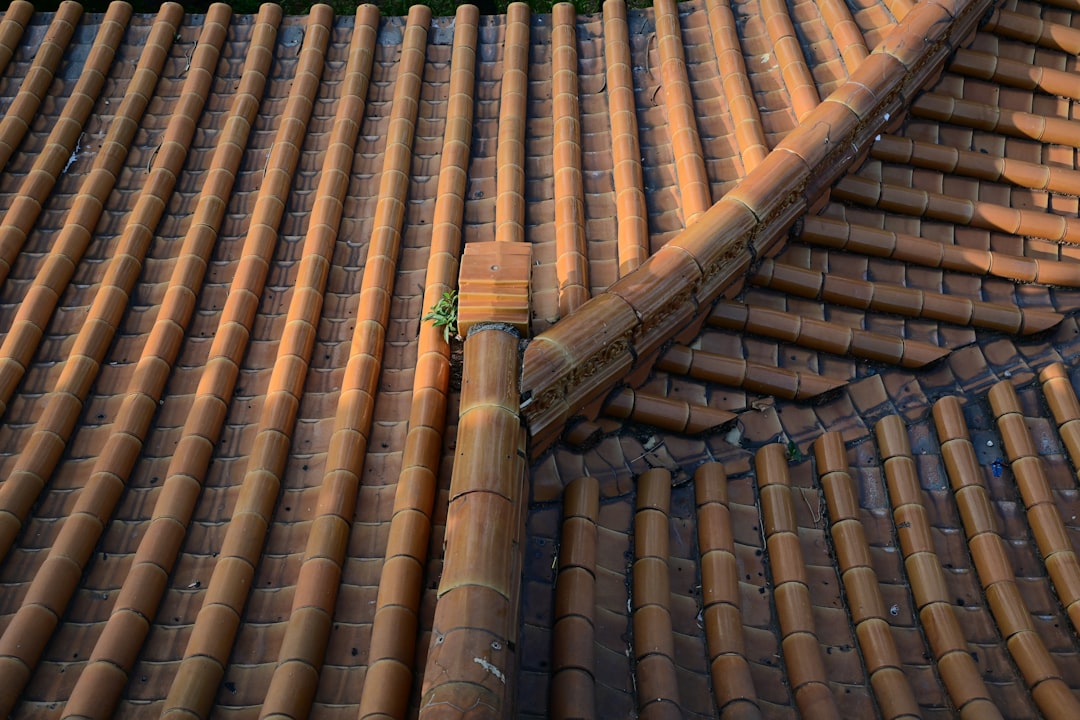
Tile and slate roofs represent premium roofing investments worth preserving. Concrete and clay tiles crack from impact or improper foot traffic. Replacement tiles must match original manufacturer and color batch. Slate roofs last centuries but require careful handling during repairs. We source matching materials from specialized suppliers like Ludowici. Underlayment condition often determines repair scope on older installations. Proper fastening prevents wind uplift on heavy tile systems. Color blending techniques make repairs visually seamless.
The Roof Repair Process: Step-by-Step Field Experience
Quality roof repair follows systematic procedures ensuring lasting results. We've refined our process through thousands of successful projects. Each step addresses specific aspects of proper roof restoration. Following established protocols prevents oversights and ensures compliance. Homeowners should understand what to expect during professional repairs.
Initial Inspection and Diagnosis
Thorough inspection precedes any repair recommendations or estimates. We examine interior ceilings and attic spaces for water evidence. Exterior inspection evaluates roofing material condition comprehensively. We check flashing, vents, chimneys, and valleys systematically. Moisture meters detect hidden saturation in decking materials. Infrared cameras sometimes identify insulation voids or thermal patterns. Documentation includes photographs and written condition reports. We reference International Residential Code requirements for existing conditions. This creates baseline understanding before recommending solutions.
Material Preparation and Matching
Obtaining matching materials presents practical challenges we navigate daily. Asphalt shingle color varies between production runs requiring careful matching. We maintain relationships with suppliers accessing older material inventories. Metal panel matching requires manufacturer identification and color code verification. Custom fabrication sometimes becomes necessary for unique profiles. We coordinate material delivery timing with project scheduling. Proper storage protects materials from weather damage before installation. Inventory verification ensures all necessary components arrive onsite.
Installation Techniques for Lasting Repairs
Proper installation techniques separate temporary patches from permanent repairs. We follow manufacturer specifications for fastener type and placement. Asphalt shingles require specific nailing patterns and exposure alignment. Flashing installations incorporate proper step and counter-flashing relationships. Valley treatments use appropriate woven or closed-cut methods. Ice and water shield installation follows local code requirements for edge protection. Ventilation maintenance ensures proper attic airflow after repairs. Clean work practices prevent debris from clogging gutters or drains.
Cost Considerations: Real Project Examples
Roof repair costs vary based on multiple factors we explain transparently. Material type, repair complexity, and accessibility influence pricing significantly. Labor represents substantial portion of repair expenses for quality work. Emergency repairs often cost more than scheduled maintenance. Understanding cost components helps homeowners evaluate estimates reasonably.
Typical Repair Cost Ranges
Minor repairs for isolated shingle replacement typically cost $150-$400. This includes materials, labor, and disposal of old materials. Flashing repairs around chimneys or vents range from $200-$600 depending on complexity. Valley repairs addressing leak sources cost $300-$800 based on length and materials. Partial roof replacement for storm-damaged sections averages $1,000-$3,000. Full roof replacement represents major investment from $8,000-$25,000. These ranges reflect Texas market conditions and material choices. Always obtain multiple estimates for comparison purposes.
Insurance Claim Considerations
Many roof repairs qualify for insurance coverage under specific circumstances. Storm damage from hail or wind typically triggers coverage. We help homeowners document damage thoroughly for claim submission. Deductible amounts apply before insurance coverage begins. Actual Cash Value versus Replacement Cost Value policies differ significantly. We coordinate directly with insurance adjusters when authorized. Texas Department of Insurance provides consumer resources on claim processes. Understanding policy details prevents unexpected out-of-pocket expenses.
Value Preservation Through Quality Repairs
Proper repairs protect home value by preventing secondary damage. Water intrusion causes mold, rot, and structural deterioration when unaddressed. Timely repairs maintain roofing system integrity and warranty coverage. Energy efficiency suffers from compromised roofing insulation values. Curb appeal diminishes with visible patches or mismatched materials. Professional repairs preserve resale value and marketability. They demonstrate proper maintenance to potential buyers during inspections.
Preventive Maintenance: Practical Homeowner Tips
Regular maintenance prevents many common roofing problems we repair. Simple proactive measures extend roofing lifespan significantly. Homeowners can perform basic maintenance safely from the ground. Professional inspections complement homeowner efforts effectively. Here are practical tips from our experience maintaining thousands of roofs.
Seasonal Maintenance Checklists
Spring maintenance prepares roofs for summer storms and heat. Clean gutters and downspouts ensure proper water drainage. Inspect flashing around penetrations for separation or corrosion. Check for missing or damaged shingles from winter weather. Trim overhanging branches preventing physical damage and debris accumulation. Fall maintenance prepares for winter conditions and precipitation. Ensure attic ventilation remains unobstructed for proper airflow. Verify insulation levels meet current energy code recommendations. Check for interior signs of moisture or staining. Document roof condition with photographs for comparison over time.
Safety Considerations for Homeowners
Roof work involves serious fall risks requiring proper precautions. We recommend homeowners avoid climbing onto roof surfaces. Ground-based inspections using binoculars provide reasonable visibility. Ladder safety requires stable placement and three-point contact. Never work on roofs during wet, icy, or windy conditions. Professional contractors have safety equipment and training homeowners lack. OSHA standards govern professional roofing safety practices. Electrical hazards exist near service drops and antenna connections. When in doubt, hire professionals for elevated work.
Frequently Asked Questions from Real Customers
How long should a roof repair last?
Quality roof repairs should last as long as the surrounding original materials. Properly installed asphalt shingle repairs typically last 15-25 years. Metal roof repairs often match the original 40-70 year lifespan. Tile and slate repairs can last decades when done correctly. Repair longevity depends on material matching, installation quality, and ongoing maintenance. We guarantee our repairs for specific periods based on materials used.
Can I repair my roof myself?
Minor repairs like replacing a few shingles are possible for skilled homeowners. Significant repairs involving structural elements or extensive areas require professionals. Safety considerations make professional help advisable for most repairs. Warranty implications may arise from unapproved modifications. Improper repairs can void existing manufacturer warranties. Building code compliance requires specific knowledge and techniques.
How do I choose between repair and replacement?
Repair makes sense when damage affects less than 30% of roof area. Isolated damage from fallen branches or storm impact often justifies repair. Widespread aging or multiple leak sources suggests replacement consideration. Material availability affects repair feasibility for older roofs. Cost comparison between repair and partial replacement informs decisions. We provide objective assessments without pressure toward either option.
What questions should I ask a roofing contractor?
Ask about licensing, insurance, and manufacturer certifications. Request local references from recent similar projects. Inquire about warranty terms for both materials and workmanship. Ask who will supervise the project and perform the work. Request written estimates detailing materials, labor, and timeline. Verify business longevity and physical address. Check complaint history with Better Business Bureau.
How quickly should repairs happen after damage?
Temporary measures should happen immediately after discovery. Cover interior damage with tarps to prevent further water intrusion. Exterior temporary repairs prevent additional water entry. Permanent repairs should follow within days for active leaks. Insurance claims may require specific documentation before repairs. Weather conditions affect repair timing and material availability.
Will repairs affect my roof warranty?
Manufacturer warranties typically require certified contractor installation. Unauthorized repairs may void existing warranty coverage. Some manufacturers permit repairs by qualified contractors. Always check warranty terms before proceeding with repairs. We maintain certifications with major manufacturers preserving warranty validity. Proper documentation supports warranty claims if needed later.
How do I identify hidden roof damage?
Hidden damage often reveals itself through indirect signs. Interior water stains indicate active or previous leaks. Musty odors suggest moisture accumulation in attic spaces. Higher energy bills may signal compromised insulation. Exterior granule accumulation in gutters indicates shingle wear. Professional inspections using moisture meters detect hidden problems. Infrared cameras identify temperature variations suggesting moisture presence.
Real Project Case Studies with Outcomes
Case Study 1: Hail Damage Restoration
A Kingwood homeowner experienced significant hail damage during spring storms. Initial assessment revealed bruising on asphalt shingles without immediate leaks. We documented damage with photographs and measurements. Insurance approval covered full roof replacement with upgraded impact-resistant shingles. Installation followed GAF Golden Pledge warranty requirements. The project completed in three days with proper ventilation upgrades. The homeowner received enhanced protection and 50-year warranty coverage. Insurance coverage minimized out-of-pocket expenses for improved materials.
Case Study 2: Historic Tile Roof Preservation
A historic home with original clay tile roofing developed multiple cracks. Complete replacement would have compromised architectural integrity. We sourced matching tiles from the original manufacturer's archival collection. Custom color blending made repairs visually seamless. Underlayment replacement addressed deteriorated felt paper. The repair preserved historic character while providing modern waterproofing. Project cost remained below replacement threshold. The homeowner maintained historical designation eligibility with appropriate repairs.
Industry Statistics with Source Attribution
Roofing industry data provides context for homeowner decisions. The National Roofing Contractors Association reports average asphalt shingle lifespan of 20-25 years. Metal roofing installations have grown 3-5% annually over the past decade. Proper ventilation can reduce attic temperatures by up to 30 degrees Fahrenheit. The Insurance Institute for Business & Home Safety identifies proper installation as critical for wind resistance. According to FEMA, 40% of building-related insurance claims involve roof damage. Regular maintenance can extend roofing lifespan by up to 50%. Energy Star estimates proper roofing can reduce cooling costs by 10-15%.
Conclusion: Making Informed Roofing Decisions
Roof repairs represent significant investments in your home's protection. Understanding the process empowers homeowners to make informed choices. Quality repairs require proper materials, skilled installation, and ongoing maintenance. Professional roofers bring expertise ensuring lasting results. Regular inspections identify problems before they become emergencies. Insurance processes require proper documentation and coordination. Your roof protects everything beneath it from Texas weather extremes. Treat it with the respect this vital function deserves. Start with a professional inspection if you have concerns about your roof's condition. Address minor issues before they become major expenses. Your home deserves quality protection from experienced professionals who understand Texas roofing challenges.