
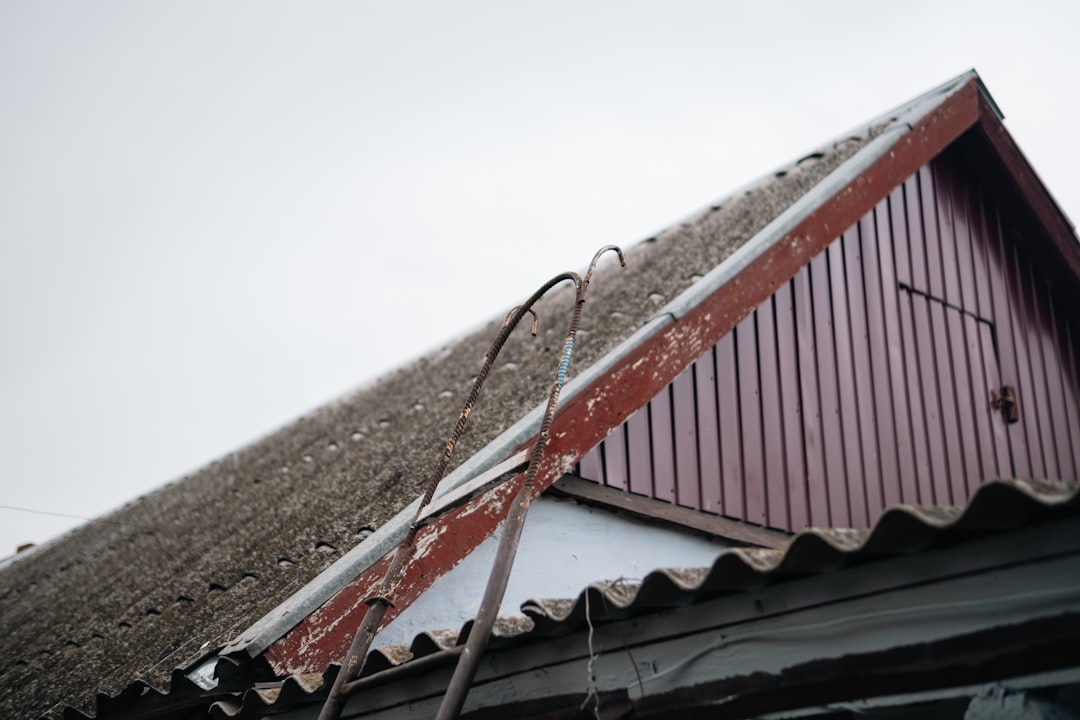
Soffit Damage: Your Complete Repair Guide from a 15-Year Roofing Contractor
I have been a licensed roofing contractor in Texas for over fifteen years. Our team has completed more than 2,500 residential roofing projects. We hold certifications from major manufacturers like GAF and Owens Corning. This experience gives me a real-world view of soffit problems. I have seen how small soffit issues can turn into major, expensive repairs. This article shares that practical knowledge with you.
This guide exists to solve a specific homeowner problem. Many people ignore their soffits until it is too late. They see peeling paint or a small hole and think it is just cosmetic. I wrote this to answer the critical question: "Is my soffit damage serious, and what should I do about it?" My goal is to help you spot trouble early. I want to save you from costly water damage and structural rot inside your attic and walls.
I gathered this information from hundreds of customer projects. I studied manufacturer specifications for materials like vinyl, aluminum, and wood. I referenced building codes, including the International Residential Code (IRC) for ventilation requirements. My recommendations come from proven methods we use daily. I will explain the why behind each step. You will get transparent, honest advice from the field.
What Are Soffits and Why Are They So Important?
Soffits are the underside of your roof's overhang. They are the material you see when you look up under the eaves of your house. They are not just for looks. Soffits play three vital roles in protecting your home. First, they provide critical ventilation for your attic. Proper airflow prevents heat and moisture buildup. Second, they seal the gap between your roof and exterior wall. This keeps out pests like squirrels, birds, and insects. Third, they protect your roof rafters from weather damage.
The Critical Role of Ventilation
Ventilation is the most important job of your soffits. According to building codes, your attic needs balanced ventilation. Air should flow in through the soffit vents. It should then exit through vents at the roof ridge or gables. This flow removes hot air in summer. It also removes moisture in winter. Without good soffit ventilation, your attic can become a sauna. This superheats your home and ruins shingles. It can also trap moisture. That moisture leads to mold, wood rot, and ice dams.
Common Signs of Soffit Damage You Must Not Ignore
Spotting soffit damage early saves thousands of dollars. Look for these clear warning signs from the ground. Use binoculars for a closer look if needed. Do not climb on a ladder without proper safety gear.
- Visible Holes or Cracks: Even small holes are big problems. They let in water, pests, and cold air. Look for punctures from nails, branches, or animal activity.
- Peeling, Bubbling, or Flaking Paint: This often signals moisture trapped behind the material. The paint loses its bond because the wood or substrate is wet.
- Sagging or Warping Panels: Soffit panels should lie flat. If they are bowing or drooping, the material has failed. It may be waterlogged or structurally weak.
- Water Stains or Discoloration: Dark streaks or spots show water is present. This could be from a roof leak above or condensation from inside.
- Pest Nests or Insect Activity: Bees, wasps, birds, and squirrels love damaged soffits. Look for nests, honeycomb, or chewed entry holes.
- Blocked or Clogged Vent Holes: Vents filled with dirt, leaves, or insect nests cannot work. This silently kills your attic ventilation.
- Mold, Mildew, or Fungus Growth: A green, black, or white fuzzy substance means constant moisture. This is a health hazard and a sign of major issues.
What Causes Soffit Damage? The Real Culprits
Understanding the cause helps you prevent future damage. Here are the most common reasons we find for soffit failure on our job sites.
Moisture and Water Intrusion
Water is the number one enemy. It can come from outside or inside. Clogged gutters are a major cause. When gutters overflow, water runs directly onto the soffit. It soaks the material repeatedly. Ice dams in winter push melting snow and ice under the shingles. That water then runs down the roof deck and soaks the soffit from behind. Poor attic ventilation creates condensation. That moisture collects on the cold underside of the roof and drips onto the soffit.
Pest Infestation and Animal Damage
Birds peck at soft wood or vinyl. Squirrels and raccoons chew through materials to create nests. Insects like carpenter bees drill perfect round holes into wood soffits. Once they get in, they attract woodpeckers. The damage compounds quickly. A small hole becomes a large opening.
Weather and Environmental Stress
Texas weather is tough. Intense UV rays from the sun break down materials over time. They become brittle and crack. High winds can rip soffit panels loose or drive rain sideways into vents. Hail can puncture and dent aluminum and vinyl. Temperature swings cause materials to expand and contract. This leads to cracks at the seams and fasteners pulling loose.
Poor Installation or Low-Quality Materials
This is a common issue we fix. Using nails that are too short means panels pull away. Not using enough fasteners leads to sagging. Using non-ventilated material in areas that need airflow is a major flaw. Choosing thin, flimsy vinyl or aluminum that cannot withstand wind is a mistake. Always check the manufacturer's installation instructions, like those from CertainTeed.
Inspecting Your Soffits: A Step-by-Step Homeowner Guide
You should inspect your soffits at least twice a year. Do it in spring and fall. Follow this safe, effective method. You will need a pair of binoculars and a notepad.
- Start from the Ground: Walk around your entire house. Use binoculars to look closely at all soffit areas. Look for the damage signs listed above.
- Check the Gutters: Look at your gutters and downspouts. Are they clean? Are they pulling away from the fascia? Overflowing gutters damage soffits.
- Look in the Attic: Go into your attic with a flashlight. Look at the underside of the roof deck near the eaves. Do you see light coming through cracks? Do you see water stains, mold, or damp wood? This indicates soffit problems are affecting the structure.
- Feel for Airflow: On a cool day, go into your attic. Hold a thin piece of tissue paper up to a soffit vent from inside the attic. The paper should pull slightly toward the vent. This shows air is moving in.
- Document Everything: Take clear photos of any damage you find. Write down the locations. This is crucial for talking to a contractor or filing an insurance claim.
Soffit Materials Compared: Pros, Cons, and Costs
Choosing the right material is key for long-term performance. Here is a hands-on comparison from installing them all.
Vinyl Soffit
Vinyl is the most common material we install. It is affordable and low maintenance. It comes in vented and solid panels. It resists moisture and insects well. It will not rot or corrode. The downside is that it can become brittle in extreme cold. It can sag in very long spans if not supported properly. Expect to pay $3 to $7 per linear foot installed, depending on the profile and quality.
Aluminum Soffit
Aluminum is lightweight and strong. It holds paint very well and is fire-resistant. It is less likely to sag than vinyl. It is also a good choice for coastal areas as it resists salt spray corrosion. The cons are that it can dent from hail or ladder impacts. It can also make noise as it expands and contracts with temperature changes. Cost is similar to vinyl, ranging from $4 to $8 per linear foot.
Wood Soffit
Wood offers a classic, custom look. It is often used on historic or high-end homes. It can be painted or stained. The major drawbacks are high maintenance and susceptibility to damage. Wood rots when wet. It is a target for insects like termites and carpenter bees. It requires regular painting or sealing. It is also the most expensive option. Installed wood soffit can cost $10 to $20 per linear foot.
Engineered Wood (OSB or Plywood)
Some builders use painted plywood or OSB as a soffit. This is usually the cheapest initial option. However, it performs poorly over time. It soaks up moisture and swells. It provides no ventilation unless holes are cut and covered with vents. We generally recommend replacing this material with a proper vented system.
Fiber Cement Soffit
Fiber cement, like James Hardie soffit, is very durable. It resists rot, insects, and fire. It holds paint extremely well. The downside is that it is very heavy. It requires special tools to cut and install. It is also one of the more expensive options. Costs range from $8 to $15 per linear foot installed.
The Real Cost of Soffit Repair and Replacement
Costs vary widely based on damage extent, material choice, and house size. Here are real project examples from our books.
Minor Repair (Patch Job): A homeowner had a few small squirrel holes in vinyl soffit. We cut out the damaged sections. We spliced in new matching pieces. We sealed all seams. The total cost was $250 to $400. This is a temporary fix but can buy a few years.
Section Replacement: A house had severe water damage on one corner. The soffit and fascia were rotted for a 20-foot section. We replaced the damaged wood sheathing. We installed new aluminum soffit and fascia. We matched the existing color. The total cost was $1,200 to $1,800.
Full Soffit Replacement: A 2,000-square-foot home with old, brittle vinyl. The homeowner wanted to upgrade to a new vented aluminum system. We removed all old material. We installed new continuous vented soffit around the entire house. We also installed new aluminum fascia. The total project cost was $4,500 to $7,000. This is a major investment but protects the home for decades.
Always get at least three written estimates. The cheapest price is not always the best value. Look for detailed scope of work and material specifications.
Can Insurance Cover Soffit Damage?
Sometimes, yes. Homeowners insurance typically covers sudden, accidental damage. It does not cover wear and tear or lack of maintenance. Here is how it usually works.
If a windstorm tears soffit panels off your house, that is likely covered. If a tree limb falls and punches a hole, that is likely covered. Hail damage that dents aluminum soffit is often covered. If pests slowly chew holes over years, that is usually NOT covered. Water damage from a one-time event, like a storm-driven leak, may be covered. Water damage from long-term condensation due to poor ventilation is NOT covered.
Document the damage with photos immediately after the event. File a claim promptly. Your insurance company will send an adjuster. They will determine if the cause is a covered peril. For more information, review the Insurance Information Institute's guide.
DIY vs. Professional Repair: When to Call a Roofer
Some small repairs are DIY-friendly. Most are best left to professionals. Here is my honest advice.
Consider DIY if: The damage is very small and localized. You are comfortable on a ladder with proper safety. You can find an exact material match at a home center. The repair is purely cosmetic and does not affect ventilation. You are only cleaning out clogged vent screens with a brush.
DEFINITELY Call a Professional Roofer if: The damage is widespread or you see sagging. You suspect water has gotten into the roof structure or attic. The damage is high up or hard to reach safely. You need to match a custom color or profile. The repair involves electrical wiring or lighting. You want to change materials or improve the ventilation system. The job requires a permit in your area.
Preventing Future Soffit Damage: Proactive Maintenance Tips
Prevention is far cheaper than repair. Follow these simple tips from our maintenance programs.
- Clean Your Gutters Regularly: Do this at least twice a year. More often if you have overhanging trees. Clogged gutters are the top cause of soffit water damage.
- Trim Overhanging Tree Branches: Branches can scratch and puncture soffits in the wind. They also drop leaves that clog gutters and vents.
- Inspect After Major Storms: After high winds, hail, or heavy rain, do a quick visual check. Look for new damage.
- Keep Vents Clear: Once a year, use a soft brush or blower to clear dust, cobwebs, and debris from soffit vent holes.
- Repaint Wood Soffits as Needed: Do not let paint peel completely. A good paint film is the best protection for wood.
- Address Pest Problems Immediately: If you see bees, birds, or squirrels near your eaves, deal with it fast. Call a pest control professional.
- Ensure Proper Attic Ventilation: Make sure insulation does not block soffit vents from inside the attic. Use baffles to maintain a clear air channel.
Frequently Asked Questions (FAQ)
How long do soffits typically last?
With proper installation and maintenance, vinyl and aluminum soffits can last 20 to 40 years. Wood soffits last 10 to 20 years before needing significant repair or replacement. Fiber cement can last 50 years or more. The lifespan depends heavily on climate, maintenance, and initial installation quality.
Can I just paint over damaged soffit?
Painting over damage is a temporary cosmetic fix that can make problems worse. Paint traps moisture inside rotten wood. It hides damage that continues to spread. Always repair the underlying issue first. Then paint the new, sound material for protection and aesthetics.
How much ventilation do my soffits need?
The building code provides a formula. A general rule is 1 square foot of net free vent area for every 150 square feet of attic floor space. This is if you have a vapor barrier. It is 1:300 without a barrier. Net free area is the actual open space after accounting for the vent screen. Always check your local building code, like the IRC Chapter 8, for specific requirements.
What is the difference between soffit and fascia?
The soffit is the horizontal underside of the eave overhang. The fascia is the vertical board that runs along the edge of the roof, behind the gutter. They work together but are different parts. Soffit damage often leads to fascia rot, and vice versa. Both need to be inspected and maintained.
Will soffit repair stop my attic from being so hot?
If your attic overheating is due to blocked soffit vents, then yes, repair will help significantly. Restoring proper intake airflow allows the hot air to escape through the ridge or gable vents. This can lower attic temperatures by 20-30 degrees, which also extends your roof shingle life.
Is it okay to have some solid soffit and some vented?
Yes, this is common. Areas over porches or garages that do not connect to a living space attic may use solid soffit. The key is that every section of the attic that needs ventilation must have vented soffit above it. A professional can help you map out the correct placement.
How do I find a matching replacement for my old soffit?
Take a small sample piece to a roofing supply house or specialty siding dealer. Many older profiles are still manufactured. If an exact match is discontinued, you may need to replace a larger section or the entire elevation for a uniform look.
Real Project Case Studies and Outcomes
Case Study 1: The Hidden Rot
A homeowner called about peeling paint on their wood soffit. From the ground, it looked minor. Upon inspection, we found the paint was hiding severe soft rot. The wood was spongy for several feet. When we removed it, we discovered the roof sheathing and rafters were also starting to rot. The repair escalated from a $500 soffit patch to a $5,000 structural repair. The lesson: Peeling paint is a major red flag. Investigate it thoroughly immediately.
Case Study 2: The Overheated Attic
A customer complained of extremely high cooling bills and a hot upstairs. Their attic felt like an oven. We found that their vinyl soffit vents were completely painted over by a previous painter. The attic had no intake airflow. We replaced the solid sections with proper vented soffit. We also added rafter baffles in the attic. The next summer, the homeowner reported a 15% drop in cooling costs and a much more comfortable home. The fix cost $2,800 and paid for itself in energy savings.
Case Study 3: The Insurance Success
After a major hailstorm, a client noticed dents on their aluminum soffit and fascia. They filed an insurance claim. The adjuster initially said it was "cosmetic." We met the adjuster on site. We showed how the dented vents restricted airflow. We explained this would lead to premature shingle failure. The adjuster agreed and approved a full soffit and fascia replacement. The homeowner's deductible was $1,000. The insurance covered the remaining $6,200. The lesson: Document functional damage, not just cosmetic issues, for insurance.
Industry Statistics and Data
Proper attic ventilation can extend asphalt shingle life by up to 20%, according to the Asphalt Roofing Manufacturers Association (ARMA). A study by the EPA found that restoring balanced attic ventilation can reduce cooling energy use by up to 10%. Over 40% of homes have suboptimal attic ventilation, leading to preventable moisture and heat issues. The National Association of Home Builders (NAHB) reports that replacing soffit and fascia is among the top 10 exterior remodeling projects for return on investment at resale.
Conclusion: Your Action Plan for Soffit Health
Your soffits are a small but critical part of your roof system. Do not ignore them. Start with a simple visual inspection from the ground today. Look for the warning signs we discussed. If you see minor issues, consider a DIY patch if you are skilled. For anything more than a tiny hole, call a licensed, insured roofing professional for an assessment. Get multiple quotes. Ask about their experience with soffit repair and ventilation. Choose durable, vented materials suited to our Texas climate.
Investing in good soffits protects your much larger investment: your home. It prevents rot, lowers energy bills, and stops pests. It extends the life of your entire roof. Use the information in this guide to make informed decisions. You now know what to look for and what questions to ask. Your home will thank you for years to come.