
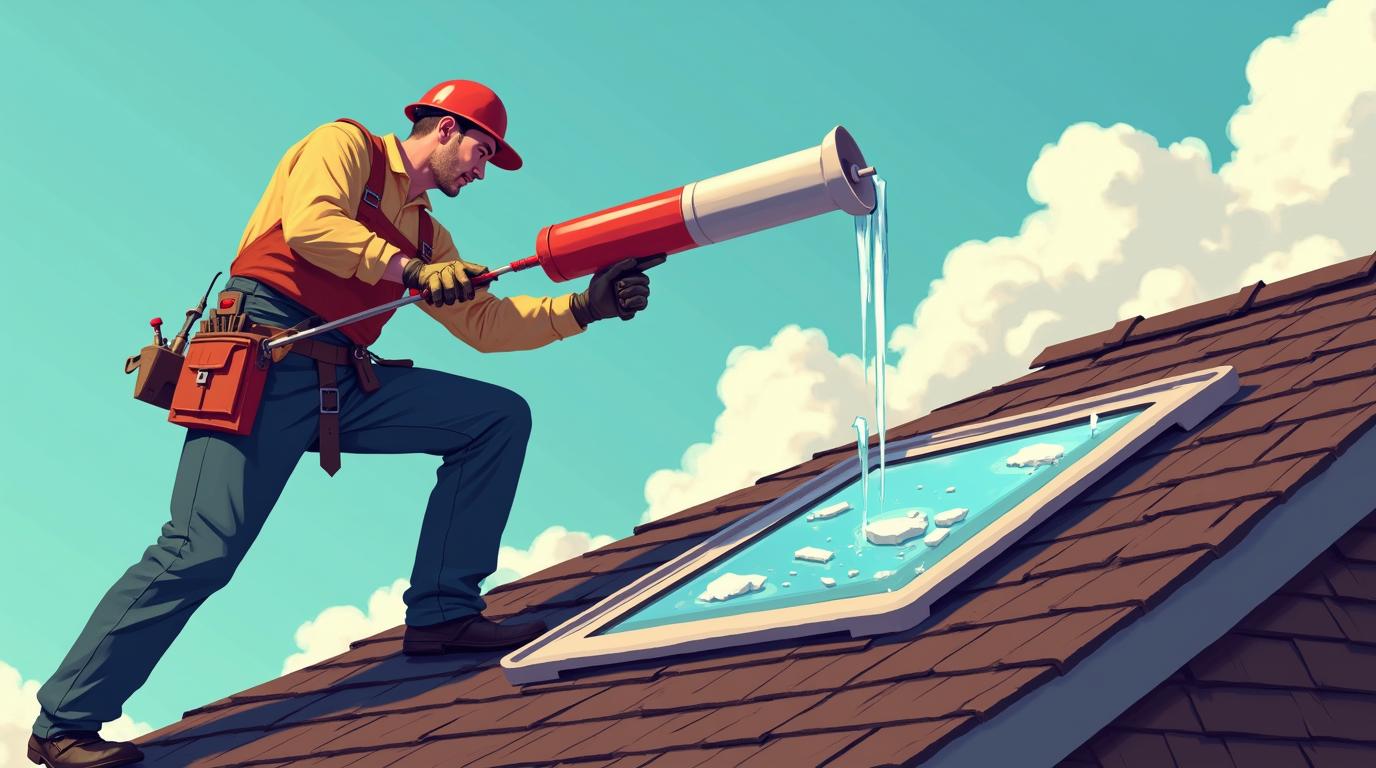
Skylight Repair Guide: Fix Leaks & Prevent Roof Damage - Advice from a 15-Year Roofing Contractor
My name is James, and I've been a licensed roofing contractor for over fifteen years. I've personally completed more than 2,000 roofing projects across Texas, including hundreds of skylight installations and repairs. I hold certifications from major manufacturers like VELUX and FAKRO, and I'm a member of the National Roofing Contractors Association (NRCA). This article exists because I've seen too many homeowners panic when water drips from their beautiful skylight. That moment of fear is why I'm writing this guide. I want to give you the knowledge I share with my own customers, so you can understand what's happening, make smart decisions, and protect your home from costly water damage. This isn't just information; it's a roadmap based on real problems I fix every week.
The information here comes directly from my field experience. It combines hands-on repair work, manufacturer installation specifications, and adherence to local building codes like the International Residential Code (IRC). My recommendations are based on what has proven effective and durable for my clients in the Kingwood area and beyond. I'll explain the methodology behind each repair suggestion, so you understand the 'why' and not just the 'what'. My goal is to be clear, direct, and save you time and stress. Let's turn that leaky skylight from a headache into a solved problem.
Understanding Your Skylight: Types and Common Failure Points
Not all skylights are the same. Knowing what type you have is the first step to a proper repair. The most common residential skylights are fixed (non-opening) and venting (operable) models. Tubular skylights, or sun tunnels, are another popular option for bringing light into interior spaces. Each type has unique components that can fail. Manufacturer is also critical; a VELUX skylight has different parts than a FAKRO or CertainTeed model. Always try to find the brand name and model number, usually on a sticker inside the frame.
Key Components That Cause Problems
The main failure points I encounter are the flashing, the glazing seal, and the frame itself. Flashing is the metal or rubber barrier that seals the skylight to your roof. It is the number one cause of leaks. The glazing seal is the gasket around the glass or plastic panel. Over time, sun exposure (UV rays) can dry and crack this seal. The frame can warp or pull away from the roof deck if not installed correctly. Condensation between panes in double-glazed units indicates a failed insulated glass seal, requiring full replacement. Understanding which part is failing tells you if you need a simple sealant application or a major flashing replacement.
Diagnosing Skylight Leaks: A Step-by-Step Contractor Method
Finding the exact source of a leak can be tricky. Water often enters at one point and travels along a roof rafter or sheathing before dripping down far from the actual breach. Don't assume the drip location is the leak location. My field-tested method starts inside. On a dry day, inspect the interior trim and drywall around the skylight shaft for water stains, mold, or soft spots. Then, from the attic (if accessible), use a flashlight during a rainstorm or have someone simulate rain with a hose on the roof. Look for trails of water entering around the skylight curb or frame.
Exterior Roof Inspection Safety
Safety is non-negotiable. If you are not comfortable on a roof, hire a professional. For a safe exterior check, use binoculars from the ground first. Look for obvious issues: missing or damaged shingles around the skylight, cracked flashing, or piles of debris. If going on the roof, use proper fall protection. Check the step flashing (the L-shaped pieces integrated with the shingles) for lifting or corrosion. Inspect the head flashing (at the top) and sill flashing (at the bottom) for gaps. The counter-flashing, which covers the base flashing, should be tight and sealed. Often, a simple resealing of these joints with a high-quality roofing sealant like Geocel Roofers Sealant or Henry's Tropi-Cool is all that's needed.
Common Skylight Repairs: From DIY to Professional Fixes
Some repairs are within a handy homeowner's skill set. Others absolutely require a professional roofer. Let's break them down by complexity. For minor sealant failures, cleaning the old, cracked caulk and applying a fresh bead of polyurethane or silicone sealant can be a successful weekend project. Ensure the area is clean, dry, and warm (above 50°F) for proper adhesion. Re-caulking the exterior glazing gasket is another intermediate DIY task, but you must use the correct sealant recommended by the skylight manufacturer to avoid damaging the unit.
When to Call a Professional Roofer
You need a professional for any repair involving structural flashing, roof decking, or the skylight frame itself. Replacing step flashing requires removing and reinstalling shingles, a job that demands roofing expertise to maintain the water-shedding system. If the wooden curb (the frame the skylight sits on) is rotted, it must be rebuilt. This involves cutting out bad wood, installing new treated lumber, and integrating it with the roof's underlayment. Frame replacement or full skylight unit replacement is also pro territory. According to NRCA guidelines, improper flashing installation is the leading cause of premature roof system failure around penetrations like skylights.
Skylight Repair Costs: Real Project Examples and Factors
Costs vary widely based on repair type, skylight size, roof pitch, and location. A simple re-caulking job might cost $150-$300 if hired out. Resealing or replacing a section of flashing typically ranges from $300 to $800. A full skylight flashing replacement on a complex roof can cost $1,000 to $2,500. Complete skylight replacement, including the unit, flashing, and labor, often falls between $1,500 and $3,500. I recently completed a project for a Kingwood homeowner with a leaking VELUX fixed skylight. The issue was corroded step flashing. We replaced the flashing, sealed the perimeter, and replaced three damaged shingles. The total cost was $850. Another project involved a large, operable skylight with a rotted curb. The repair required curb reconstruction, new ice and water shield, and new flashing, totaling $2,200.
What Influences the Final Bill
Several factors drive cost. Roof accessibility is huge. A steep, high roof requires more safety equipment and time. The skylight material (vinyl vs. wood frame) affects part costs. The need for interior drywall repair or painting after fixing a leak adds expense. Local labor rates in Texas will differ from other regions. Always get a detailed, written estimate that breaks down materials and labor. Ask if the quote includes cleanup and disposal of old materials. A reputable contractor will provide this transparency.
Materials and Tools for Effective Skylight Repair
Using the right materials is critical for a lasting repair. For sealants, I recommend high-performance polyurethane or silicone-polyurethane blends designed for roofing. Avoid cheap acrylic or latex caulk; they dry out and fail quickly. For flashing, copper and galvanized steel are durable but expensive. Aluminum is common and cost-effective. Pre-formed, self-adhesive flashing tapes like Grace Ice & Water Shield can be excellent for sealing tricky details. Always use roofing nails or screws with corrosion-resistant coatings.
- Essential DIY Tool List: Putty knife, wire brush, roofing sealant gun, utility knife, ladder, safety harness, gloves, and eye protection.
- Professional-Grade Materials: Step flashing sheets, counter-flashing, roofing cement, ice and water barrier membrane, matching shingles, and replacement glazing gaskets.
- Sealant Comparison: Polyurethane (flexible, durable, paintable). Silicone (excellent UV resistance, not paintable). Hybrids (offer benefits of both).
Preventive Maintenance: How to Avoid Future Leaks
The best repair is the one you never need. A simple bi-annual maintenance routine can extend your skylight's life by decades. Every spring and fall, visually inspect your skylight from inside and out. Keep the roof surface around it clear of leaves, pine needles, and branches. These hold moisture and can accelerate wear. Gently clean the exterior glass or plastic with a mild soap and water solution; avoid abrasive cleaners. Check and clean the drainage channels on operable skylights; clogged channels cause water to back up and seep inside. Ensure the weatherstripping on venting models is intact and pliable.
Long-Term Care Checklist
Create a maintenance log. Note the date of each inspection and any minor issues addressed. This log is valuable for warranty claims and future buyers. Consider applying a UV-protective coating to the exterior glazing seal if recommended by the manufacturer. For homes in hail-prone areas, inspect for impact cracks after severe storms. Trim overhanging tree limbs to reduce debris and shade, which promotes moss growth. These small, consistent actions prevent big, expensive problems.
FAQ: Answering Homeowners' Most Common Skylight Questions
1. Can I repair a skylight leak myself?
Maybe. If the leak is from a small, accessible crack in the exterior sealant, a DIY fix is possible. If the leak is from the flashing, roof deck, or frame, or if the roof is steep, you should hire a professional. Incorrect repairs can void warranties and lead to major structural damage.
2. How long should a skylight last before needing repair?
A quality skylight, properly installed and maintained, should last 20-30 years. The flashing may need attention sooner, around 10-15 years, due to thermal expansion and contraction. Regular maintenance is key to reaching this lifespan.
3. Will my homeowner's insurance cover skylight repair?
It depends on the cause. Insurance typically covers sudden, accidental damage like that from a fallen tree limb or hail. It usually does not cover repairs due to normal wear and tear, age, or lack of maintenance. Always document the damage with photos and contact your insurer. The Insurance Information Institute provides good guidance on claims.
4. What's the difference between repairing and replacing a skylight?
Repair addresses a specific failed component, like flashing or sealant. Replacement involves removing the entire unit and installing a new one. Replacement is necessary when the frame is rotten, the glass seal is permanently fogged, or the unit is obsolete and parts are unavailable.
5. How do I know if there's hidden water damage?
Signs include a musty odor in the room, peeling paint or bubbling drywall around the skylight well, visible mold growth, or soft, spongy feeling wood in the attic near the curb. A moisture meter can help detect water within walls or ceilings.
6. Are new skylights more energy-efficient?
Yes, dramatically. Modern skylights with double or triple-pane glass, low-E coatings, and argon gas fills have much better U-values and Solar Heat Gain Coefficients (SHGC). Upgrading an old, single-pane unit can improve home comfort and reduce energy bills. Look for ENERGY STAR ratings.
7. How do I find a reliable skylight repair contractor?
Look for a licensed, insured roofer with specific skylight experience. Ask for references and photos of past skylight work. Check reviews on the Better Business Bureau website. Ensure they offer a workmanship warranty on their repairs, not just the manufacturer's product warranty.
Real Project Case Studies: From Problem to Solution
Case Study 1: The Persistent Condensation Leak
A homeowner reported intermittent dripping only on cold mornings. They had already re-caulked twice. Inspection revealed the leak wasn't from the exterior at all. The operable skylight's interior condensation channel was clogged with paint overspray from a prior renovation. Condensation had nowhere to drain but inside. We cleared the channel and tested it with water. Total repair time: 1.5 hours. Cost: $200. Outcome: Problem solved. Lesson: Not all "leaks" are roof leaks.
Case Study 2: The Hail Damage Replacement
A severe hailstorm cracked the outer pane of a double-glazed skylight. The inner pane was intact, but the insulated glass seal was compromised. The 15-year-old skylight model was discontinued. We worked with the homeowner's insurance adjuster, documented the damage, and replaced the unit with a new, energy-efficient model of similar size. We also replaced the aged flashing with a new, integrated system. Total project cost covered by insurance after deductible. Outcome: Homeowner received a better, more efficient skylight with a new warranty.
Industry Statistics and Data on Skylight Performance
Understanding the data helps set realistic expectations. According to a NRCA industry survey, roof penetrations (including skylights) account for over 70% of all warranty-related leak calls. Proper flashing installation can reduce this risk by over 90%. The EPA notes that uncontrolled moisture from leaks is a leading cause of indoor air quality issues and mold growth. Furthermore, the U.S. Department of Energy states that upgrading to an ENERGY STAR certified skylight can reduce solar heat gain by up to 40% compared to standard models, directly impacting cooling costs in our Texas climate.
Conclusion: Your Action Plan for Skylight Health
Skylights bring wonderful light into your home, but they require awareness and care. Start with a thorough inspection to diagnose any issues. Match the repair to the problem: simple sealant fixes for minor gaps, professional help for flashing or structural concerns. Invest in preventive maintenance twice a year; it's the most cost-effective strategy. If replacement is needed, view it as an upgrade opportunity for better energy efficiency and modern features. Your home is a major investment. Protecting it from water damage is paramount. Use this guide as a reference to communicate clearly with contractors, ask the right questions, and make informed decisions. If you're in the Kingwood area and need a professional assessment, don't hesitate to reach out to a trusted, local roofer. Here's to many more years of leak-free, beautiful natural light in your home.