
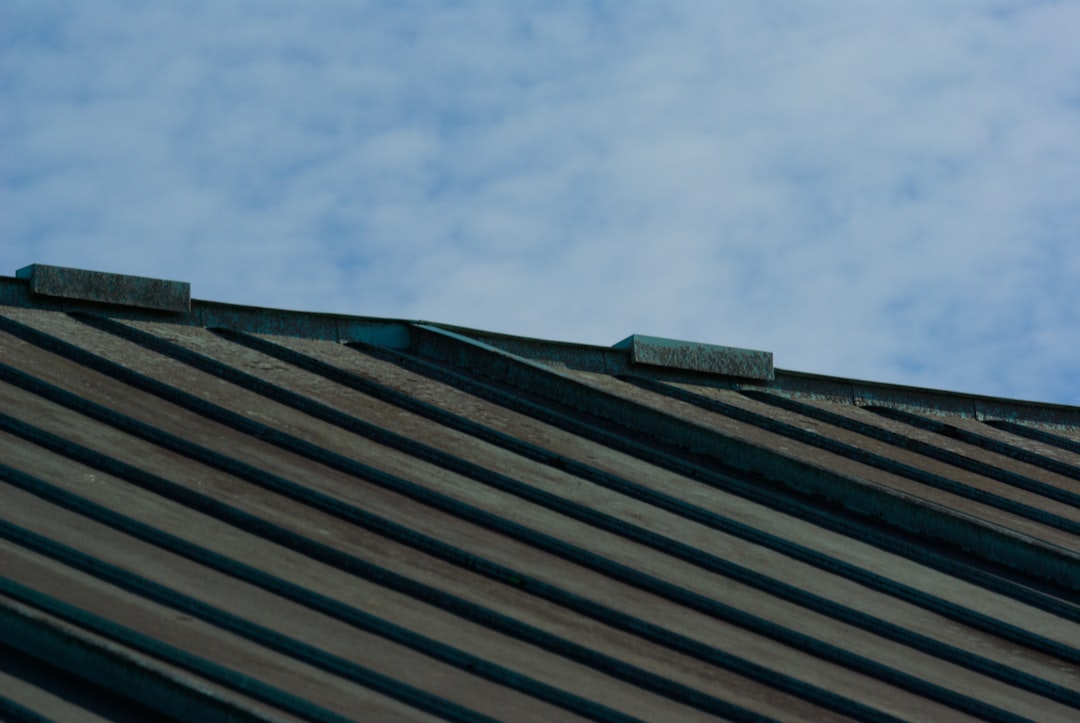
Rubber Membrane Roof Repair: A 20-Year Contractor's Guide to Stopping Leaks & Extending Roof Life
I've spent over two decades repairing and installing rubber membrane roofs across Texas. My team has completed more than 3,500 roofing projects. We hold certifications from Carlisle SynTec, Firestone Building Products, and GAF. This experience taught me what truly works for homeowners. This article shares that hard-earned knowledge. It will help you understand your rubber roof. You will learn how to spot problems early. You will also learn how to make repair decisions with confidence.
This guide exists for a specific reason. Homeowners with flat or low-slope roofs often face confusing situations. They see a small leak or a bubble. They wonder if they need a simple patch or a full replacement. The information online can be contradictory and overwhelming. My goal is to cut through that noise. I want to give you the clear, practical advice I give my own clients. This comes from fixing real roofs on real homes, not just reading manuals.
Every recommendation here is based on direct field experience. The information comes from thousands of customer projects. I also reference official manufacturer specifications from companies like Carlisle and Firestone. Building codes, especially the International Building Code (IBC) sections on roofing, inform our methods. I will explain the 'why' behind each repair technique. You will understand the methodology, not just the steps. This transparency helps you make the best choice for your home and budget.
Understanding Your Rubber Membrane Roof
Rubber membrane roofs, often called EPDM (Ethylene Propylene Diene Monomer), are common on flat sections. They are black or white sheets of synthetic rubber. These roofs are durable and flexible. They can last 20-30 years with proper care. Knowing what you have is the first step to proper repair. There are two main installation methods: fully adhered and ballasted.
Types of Rubber Roofing Systems
A fully adhered system is glued directly to the roof deck. It creates a smooth, tight seal. A ballasted system lays the membrane loose. It is then held down by a layer of smooth river stones. Each type has different repair needs. The membrane itself usually comes in large rolls. Common thicknesses are 45 mil and 60 mil. Thicker membranes are more resistant to punctures.
How Rubber Roofs Fail: Common Problem Areas
Rubber roofs are tough but not invincible. Most failures start at the seams. These are the glued or taped connections between membrane sheets. Foot traffic from maintenance can cause wear. Sharp debris like branches can cause punctures. Ponding water, where water sits for over 48 hours, can degrade the material over time. Flashings, where the roof meets walls or pipes, are also critical weak points. Understanding these areas helps you focus your inspection.
Step-by-Step Guide to Diagnosing Roof Problems
Safety is the absolute first rule. Never go on a roof alone. Wear proper shoes with good traction. Check the weather forecast. A dry, calm day is best. Start your diagnosis from the ground with binoculars. Look for obvious issues like large tears or missing ballast. Then, if safe, do a close inspection.
Visual Inspection Checklist
Walk the roof perimeter slowly. Look for these key signs of trouble. Check for cracks or splits in the membrane surface. Look for bubbles or blisters, which indicate trapped moisture. Inspect all seams for lifting, cracking, or open gaps. Examine flashings around walls, vents, and skylights for separation. Look for areas where gravel ballast has washed away. Search for dark spots or organic growth, which signal moisture. Finally, identify any punctures from fallen branches or other debris.
Finding the Source of a Leak
Water travels. The wet spot on your ceiling is rarely directly below the roof leak. Water runs along roof decking or rafters before dripping down. To find the true source, think like water. Go into your attic with a flashlight during rain or right after. Look for stains, damp wood, or drips on the underside of the roof deck. Trace the highest point of moisture back to its origin. On the roof, water often enters at a seam, flashing, or penetration uphill from the interior leak.
DIY Repair vs. Professional Help: Making the Right Call
Some small repairs are manageable for a handy homeowner. Others absolutely require a professional. Making the wrong choice can turn a small fix into a major, costly problem. This decision tree is based on what we see on service calls every week.
When You Can Consider a DIY Fix
DIY is only for minor, accessible issues. A small puncture (smaller than a quarter) in the middle of the roof field is a candidate. A slightly open seam under 6 inches long might be fixable. Re-securing a loose piece of perimeter metal flashing is sometimes possible. For these, you need the right materials: EPDM membrane patch, primer, and lap sealant from a manufacturer like Carlisle SynTec. The roof must be completely clean and dry. The weather must be warm, above 50°F, for adhesives to cure properly.
When You Must Call a Professional Roofer
Call a pro immediately for these situations. Any leak near a wall, chimney, or skylight is complex. Multiple leaks or widespread blistering indicate systemic failure. Any repair involving the roof's structural deck is beyond DIY. If the problem area is larger than a square foot, get help. If you are unsure of the cause, a professional diagnosis is worth the investment. A certified contractor will also ensure the repair meets local building code requirements for wind uplift and fire resistance.
Professional Repair Materials & Methods Explained
Professional roofers use industrial-grade materials. These are different from consumer products at hardware stores. Understanding these materials helps you discuss repairs with a contractor. It ensures you get a lasting fix, not a temporary cover-up.
Core Repair Materials: Membranes, Adhesives, & Sealants
The gold standard is a patch from the same manufacturer as your original roof. Carlisle EPDM patches for Carlisle roofs, for example. This ensures material compatibility. High-quality, non-reinforced lap sealant is used for seams and flashings. It remains flexible for decades. Two-part, water-based EPDM adhesive creates a permanent, watertight bond. For larger areas, we use peel-and-stick EPDM flashing tape. It is excellent for tricky details around pipes and edges. We always carry membrane cleaner and primer to prepare surfaces perfectly.
The Professional Repair Process: A Detailed Walkthrough
First, we clear and clean the repair area thoroughly. We remove all gravel, dirt, and old sealant. Next, we cut out any damaged or blistered membrane. We cut back to solid, well-adhered material. We then prepare the substrate, the layer underneath. We let it dry completely if wet. We apply a manufacturer-approved primer to both the substrate and the new patch. This is a critical step for adhesion. We roll on a consistent layer of adhesive. We wait for it to become tacky. Then we carefully position and roll the new patch into place. We apply firm, even pressure with a roller. Finally, we seal all edges with a bead of high-performance lap sealant. The entire area must be protected from rain for the curing time specified by the adhesive manufacturer.
Real Project Case Studies & Cost Analysis
Let's look at real examples from our project files. These show common scenarios and realistic costs. Prices are for the Texas region and can vary based on location, roof access, and material costs.
Case Study 1: The Small Puncture from a Tree Branch
A homeowner in Kingwood had a 1-inch puncture from a fallen limb. The puncture was in an easy-to-access area. The membrane was otherwise in good condition. We performed a spot repair. We cleaned a 2-foot square area. We used a 2-foot square Carlisle EPDM patch and their compatible adhesive. The total repair time was 2 hours. The cost to the homeowner was $450. This included materials, labor, and a 5-year warranty on the repair work. The alternative was water damage to the ceiling, which would have cost thousands.
Case Study 2: The Failed Seam Along a Parapet Wall
A property manager noticed water staining on an interior wall. We found a 10-foot section of seam tape had failed where the roof met a parapet wall. This is a high-stress area. A simple re-seal would not last. We removed the old tape and sealant. We installed a new, wider section of peel-and-stick flashing membrane. We then covered it with a metal counter-flashing for extra protection. This project took 6 hours for a two-person crew. The cost was $1,200. This repair restored the waterproofing and prevented structural wood rot.
Understanding Repair Cost Ranges
Costs depend entirely on the repair's scope and complexity. A simple patch repair typically ranges from $300 to $800. Seam repairs range from $500 to $1,500 based on length. Flashing repairs at walls or pipes cost $600 to $2,000. Re-coating an entire roof with a protective acrylic or silicone coating starts around $3,000. Always get a detailed, written estimate. It should break down materials, labor, and warranty terms. Beware of quotes that seem too good to be true. They often use inferior materials or skip critical preparation steps.
Preventive Maintenance: Your Best Defense
The most cost-effective repair is the one you prevent. A simple, bi-annual maintenance routine can double the life of your rubber roof. It saves you from major emergency repairs down the line.
Bi-Annual Maintenance Checklist
- Spring and Fall Inspection: Walk the perimeter. Look for new cracks or issues.
- Keep it Clean: Gently remove leaves, branches, and debris. Use a soft broom, not a shovel.
- Clear Drains and Scuppers: Ensure water can flow off the roof freely. Clogged drains cause ponding.
- Check Flashings: Look for gaps or cracks where the roof meets vertical surfaces.
- Trim Overhanging Branches: Prevent future punctures and keep debris off the roof.
Consider a professional inspection every 2-3 years. A trained eye can spot minor issues before they become leaks. Many contractors offer affordable maintenance plans. These plans often include priority service and discounts on repairs.
Navigating Insurance Claims for Storm Damage
Wind, hail, and falling trees can damage rubber roofs. Filing an insurance claim can be daunting. Proper documentation is key to a successful claim.
Steps to Take After Suspected Storm Damage
First, document everything safely from the ground. Take clear photos and videos of any visible damage. Do this before making any temporary repairs. Then, contact your insurance company to start a claim. They will send an adjuster. It is highly advisable to also get an independent inspection from a licensed roofing contractor. Provide the contractor's report to your adjuster. The contractor can meet with the adjuster on-site. This ensures all damage is properly noted. Keep records of all communications. For guidance, review resources from the Insurance Information Institute.
Frequently Asked Questions (FAQ)
Can I just use roof cement or tar from a hardware store to patch my EPDM roof?
No, you should avoid standard roof cement or asphalt-based products. These materials are not compatible with synthetic rubber EPDM. They will not form a proper chemical bond. They will dry out, crack, and fail quickly. They can also cause the surrounding EPDM to deteriorate. Always use manufacturer-approved EPDM primers, adhesives, and sealants for a permanent repair.
How long should a professional rubber roof repair last?
A properly executed repair by a certified professional should last as long as the surrounding roof membrane. With high-quality materials and correct installation, you can expect 10-15 years of reliable service from a repair. Many reputable contractors offer warranties on their workmanship for 5-10 years. The longevity depends on the repair's location and the ongoing maintenance of the entire roof system.
What causes bubbles or blisters under my rubber membrane?
Blisters are caused by trapped moisture or air between the membrane and the substrate. This often happens if the roof was installed on a damp surface. It can also occur if a seam fails, allowing water to travel underneath. Sunlight heats the trapped moisture, creating vapor pressure that forms a bubble. These blisters stress the membrane and can eventually rupture. They typically require professional repair to cut out the affected area, dry it, and patch it properly.
Is a white roof coating a good alternative to repair?
A reflective white coating can be an excellent solution for certain situations. It is not a repair for active leaks or membrane failures. However, for an older roof that is sound but faded, a coating can extend its life. Coatings from companies like GAF or Firestone seal small surface cracks. They reflect UV rays, reducing heat and thermal stress. They are a mid-life treatment, not a fix for underlying problems. A professional assessment is needed to see if your roof is a candidate.
How can I tell if my roof needs a repair or a full replacement?
This is the most critical question. Look for these signs that replacement may be necessary. If over 25% of the roof surface has issues like multiple blisters, many patches, or widespread cracking, repair may be inefficient. If the roof deck (the wood underneath) is soft, rotten, or sagging, replacement is needed. If you have chronic, recurring leaks in different areas, the system is failing. A reputable contractor can perform a core cut analysis. This small sample shows all the roof layers and their condition, giving a definitive answer.
Conclusion: Protecting Your Investment
Your rubber membrane roof is a major investment in your home's protection. Understanding how it works empowers you as a homeowner. You can now identify early warning signs. You can make informed decisions about repairs. You know when a DIY approach might work and when to call a professional. Most importantly, you understand the value of preventive maintenance.
The next step is to take action. If you have concerns, start with a visual inspection from the ground. Schedule a professional inspection if you see problems or it has been several years. Get multiple quotes for any recommended work. Choose a contractor with specific experience in EPDM systems and proper certifications. A well-maintained rubber roof will provide decades of reliable, leak-free service. It will protect everything inside your home for years to come.