
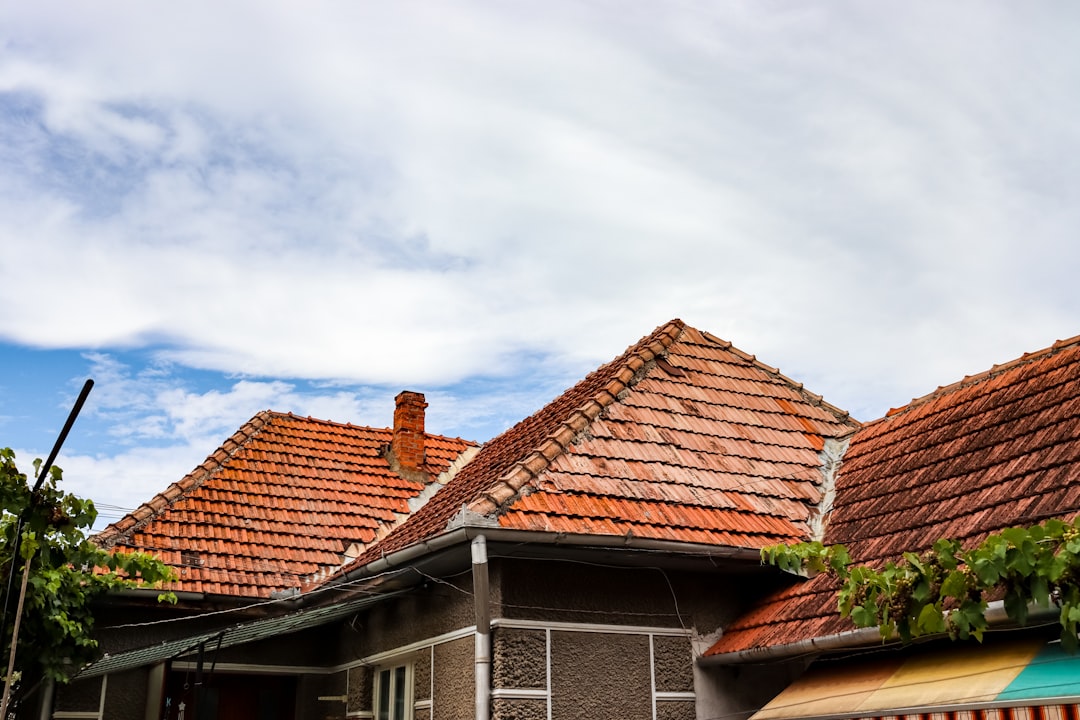
Roofers Near Me: Your Complete Guide from a Contractor Who's Been There
I've spent over 15 years in the roofing industry here in Texas. I've completed more than 2,000 residential projects. I hold certifications from GAF, CertainTeed, and Owens Corning. I've seen what happens when homeowners choose the wrong roofer. I've also seen the relief when they find the right one. This article exists because finding "roofers near me" shouldn't be stressful. It should be straightforward. You need a reliable roof over your family. You deserve honest information to make that happen.
This guide solves a real problem. Homeowners search for local roofers every day. They face confusing estimates and sales pressure. They worry about scams and poor workmanship. I wrote this to cut through the noise. You'll learn how to identify quality contractors. You'll understand what questions to ask. You'll avoid common pitfalls that cost thousands. The information comes from my direct experience. It's based on real customer projects and industry data. I reference manufacturer specifications and building codes. My recommendations follow proven methods that work.
Why "Local" Matters More Than You Think
Choosing a local roofing contractor offers significant advantages. Local roofers understand your area's specific weather challenges. In Texas, we face intense sun, hail storms, and high winds. A roofer from another region might not account for these factors. Local companies are invested in community reputation. They're more likely to honor warranties and provide follow-up service. They know local building codes and permit requirements. This knowledge prevents costly compliance issues.
Community Accountability and Faster Response
Local roofers live where they work. Their business depends on word-of-mouth referrals. This creates strong accountability for quality work. They're also physically closer to your home. This means faster response times for emergencies. After a major storm, out-of-town crews may be delayed. Your local roofer can assess damage quickly. This speeds up insurance claims and prevents further damage.
Knowledge of Regional Materials and Techniques
Different regions require different roofing approaches. Southern homes need materials that reflect heat. Northern homes need ice and water protection. Local contractors know what works best in your climate. They have relationships with local suppliers. This often means better material pricing and availability. They understand which products have proven durability in your area.
The 7-Step Process to Vet Any Roofer
Follow this systematic approach to evaluate contractors. Don't skip any steps. Each one protects your investment and peace of mind.
Step 1: Verify Licensing and Insurance
Always ask for proof of licensing and insurance. In Texas, roofing contractors must be licensed. Verify their license number with the Texas Department of Licensing and Regulation. Request certificates of insurance for both liability and workers' compensation. Liability insurance protects your property if damaged. Workers' comp protects you if a worker gets injured on your property. Never hire a contractor who can't provide these documents immediately.
Step 2: Check Manufacturer Certifications
Quality roofers hold certifications from major manufacturers. These include GAF Master Elite, CertainTeed SELECT ShingleMaster, or Owens Corning Platinum. These programs require rigorous training and testing. Certified installers offer enhanced warranties. For example, GAF's Golden Pledge warranty includes workmanship coverage. You can verify certifications on manufacturer websites. This is one of the best indicators of professional standards.
Step 3: Research Online Reviews and References
Check multiple review platforms. Look at Google, Facebook, and the Better Business Bureau. Read both positive and negative reviews. Pay attention to how companies respond to criticism. Ask for at least three recent local references. Actually call them. Ask specific questions about cleanliness, communication, and follow-up. Visit completed projects if possible. Seeing actual work speaks volumes.
Step 4: Get Detailed Written Estimates
Obtain at least three detailed written estimates. Compare them line by line. Beware of estimates that seem too good to be true. They usually are. A proper estimate should include: material specifications with brand and style, exact quantities of all materials, labor costs broken down by phase, permit fees if applicable, waste removal costs, warranty details including duration and transferability, payment schedule tied to project milestones, and start and completion dates. Missing information often signals problems.
Step 5: Understand the Contract Thoroughly
Never sign a contract you don't fully understand. A proper roofing contract should include: complete company information and license number, detailed scope of work matching the estimate, material specifications including color and product numbers, warranty information for both materials and workmanship, payment schedule with no large upfront payments, change order procedures, cleanup and disposal responsibilities, lien waiver provision to protect you from supplier claims, and start and completion dates with weather allowances. Review everything before signing.
Step 6: Ask About the Crew and Supervision
Who will actually be working on your roof? Are they employees or subcontractors? What experience do the crew members have? How will the project be supervised? Will a project manager be on site daily? How will communication work during the project? Get specific names and contact information. Knowing who's responsible prevents confusion and ensures accountability.
Step 7: Review the Warranty in Detail
Understand exactly what your warranty covers. Manufacturer warranties cover material defects. Contractor warranties cover installation errors. The best combination includes both. Ask about warranty transferability if you sell your home. Understand any maintenance requirements to keep the warranty valid. Get all warranty information in writing before work begins.
Understanding Roofing Costs: Real Project Examples
Roofing costs vary widely based on multiple factors. Let's look at actual project examples from our recent work. These are Texas-specific prices from 2024. Your costs may differ based on location and market conditions.
Standard Asphalt Shingle Replacement
A typical 2,000 square foot home in Kingwood needed replacement. The existing 3-tab shingles were 20 years old. We installed GAF Timberline HDZ architectural shingles. The project included: complete tear-off of old materials, installation of synthetic underlayment, new drip edge and flashing, ridge vent installation for proper ventilation, and thorough cleanup. The total cost was $12,500. This included all materials, labor, permits, and disposal. The homeowner received a 50-year material warranty and 25-year workmanship warranty.
Metal Roof Installation
A 1,800 square foot home in The Woodlands chose standing seam metal. The homeowner wanted maximum durability and energy efficiency. We installed 26-gauge steel panels with a Kynar 500 finish. The project required: special underlayment for metal roofs, snow guard installation in valleys, custom flashing around chimneys and skylights, and integration with existing gutters. The total cost was $28,000. This premium investment came with a 40-year finish warranty and expected 50+ year lifespan. The reflective coating reduces cooling costs significantly.
Tile Roof Repair and Restoration
A Spanish-style home with concrete tile needed extensive repair. Several tiles were cracked from hail damage. The underlayment was failing in sections. Rather than full replacement, we performed: careful removal and replacement of damaged tiles, installation of new high-temperature underlayment, re-sealing of all flashings and penetrations, and professional cleaning and sealing of all tiles. The total cost was $8,200. This extended the roof's life by 15+ years at a fraction of replacement cost.
Material Comparisons: What Really Works in Texas
Choosing roofing materials involves balancing cost, durability, and aesthetics. Here's my hands-on comparison of popular options for Texas homes.
Asphalt Shingles: The Reliable Workhorse
Modern architectural shingles offer excellent performance. They come in various styles that mimic wood or slate. Quality brands like GAF and CertainTeed provide strong warranties. They withstand Texas heat well when properly installed. Look for shingles with algae resistance in humid areas. They're cost-effective and widely available. Installation is straightforward for experienced crews. They typically last 25-30 years with proper maintenance.
Metal Roofing: The Long-Term Investment
Metal roofs excel in durability and energy efficiency. They reflect solar heat, reducing cooling costs. They withstand hail and high winds exceptionally well. Modern metal roofs come in various styles and colors. Standing seam systems are virtually maintenance-free. They can last 40-70 years with proper installation. The higher initial cost pays off over time. They're also fire-resistant and environmentally friendly. Most metal contains recycled content and is fully recyclable.
Tile Roofing: The Classic Choice
Clay and concrete tiles offer timeless beauty. They're extremely durable and fire-resistant. Properly installed tile roofs can last 50+ years. They provide excellent insulation against heat. However, they're heavy and require reinforced roof structure. They're more expensive than other options. Installation requires specialized skills. Maintenance involves periodic inspection of underlayment. They're ideal for specific architectural styles.
Synthetic Roofing: The Emerging Option
Synthetic materials like polymer slate are gaining popularity. They mimic natural materials at lower cost and weight. They're durable and impact-resistant. Many come with lengthy warranties. They're easier to install than natural slate or tile. However, they lack the long-term track record of traditional materials. Quality varies significantly between manufacturers. Research brands thoroughly before choosing this option.
The Installation Process: What to Expect Day by Day
Understanding the installation process reduces anxiety. Here's what typically happens during a roof replacement.
Day 1: Preparation and Tear-Off
The crew arrives early with dumpsters and equipment. They protect your property with tarps and plywood. They remove gutters if necessary for flashing replacement. The tear-off begins, removing old shingles and underlayment. They inspect the decking for damage. Any rotten wood gets replaced. They install ice and water shield in critical areas. Drip edge gets installed along eaves. The site gets cleaned thoroughly at day's end.
Day 2: Underlayment and Flashing
The crew installs synthetic underlayment over the entire deck. This provides secondary water protection. They install step flashing around walls and chimneys. Valley flashing gets installed in roof intersections. Pipe boots get replaced around vent pipes. They install starter shingles along eaves. Proper ventilation components get installed. Ridge vents or other exhaust systems ensure air flow.
Day 3: Shingle Installation
The main shingle installation begins. Crews work systematically across the roof. They follow manufacturer specifications for nailing patterns. They cut and fit shingles around obstacles. They install ridge caps along peaks. Quality control checks happen throughout the day. The foreman inspects completed sections. They ensure proper alignment and secure attachment.
Day 4: Finishing and Cleanup
The crew completes any remaining details. They install gutter protection systems if included. They conduct a final inspection of the entire roof. They clean the site meticulously using magnetic sweepers. They remove all debris and materials. The project manager walks the property with you. They explain the work completed and warranty details. They provide documentation for your records.
Practical Homeowner Tips from Real Projects
These insights come from thousands of completed projects. They'll help you navigate your roofing project successfully.
- Schedule inspections before and after storms: Document your roof's condition annually. This provides baseline for insurance claims.
- Keep trees trimmed back: Overhanging branches cause damage and promote moss growth.
- Clean gutters regularly: Clogged gutters cause water backup under shingles.
- Address small repairs immediately: A $300 repair today prevents $5,000 damage tomorrow.
- Document everything: Keep records of inspections, repairs, and warranties.
- Understand your insurance policy: Know your deductible and coverage limits before needing them.
- Plan for proper attic ventilation: This extends roof life and reduces energy costs.
- Consider energy-efficient options: Cool roofing materials can significantly reduce cooling bills.
- Get multiple opinions for major repairs: Different roofers may suggest different solutions.
- Trust your instincts: If something feels wrong with a contractor, walk away.
Frequently Asked Questions from Real Customers
How long should a new roof last in Texas?
Quality architectural shingles last 25-30 years with proper installation and maintenance. Metal roofs typically last 40-70 years. Tile roofs can last 50+ years. Actual lifespan depends on material quality, installation quality, maintenance, and environmental factors. Regular inspections and prompt repairs extend roof life significantly.
What's the best time of year to replace a roof?
Spring and fall offer ideal temperatures in Texas. Avoid extreme heat which can make shingles too pliable. Also avoid rainy seasons which cause delays. However, don't delay necessary repairs waiting for perfect weather. Quality contractors can work safely in various conditions with proper precautions.
How much should I pay upfront for a roofing project?
Reputable contractors typically require a small deposit to schedule materials. This is usually 10-25% of the total cost. Be wary of contractors demanding 50% or more upfront. Payment should be tied to project milestones. Final payment should only occur after you're completely satisfied with the work.
Will a new roof increase my home's value?
Yes, a new roof typically provides strong return on investment. According to Remodeling Magazine's Cost vs. Value Report, roof replacement recoups about 60% of cost at resale. More importantly, it makes your home more marketable. Buyers appreciate not facing immediate major expenses. A new roof also improves curb appeal significantly.
How do I handle roofing insurance claims?
Document damage with photos before making repairs. Contact your insurance company promptly. They'll send an adjuster to assess damage. Get multiple estimates from reputable local contractors. Provide these to your adjuster. Understand your policy's depreciation and deductible. A good contractor can help navigate the claims process with you.
What maintenance does my new roof need?
Inspect your roof twice yearly and after major storms. Clean gutters regularly to prevent water backup. Trim overhanging tree branches. Keep roof surfaces clear of debris. Check flashings around chimneys and vents annually. Address minor repairs immediately. Consider professional inspections every 3-5 years to catch issues early.
Can I install new shingles over old ones?
Building codes sometimes allow one overlay, but I rarely recommend it. Tear-off allows inspection of decking for damage. It ensures proper installation of underlayment and flashing. It prevents added weight on the structure. It provides opportunity to upgrade ventilation. While slightly more expensive initially, proper tear-off extends roof life and prevents hidden problems.
Real Project Case Studies with Outcomes
Case Study 1: Storm Damage Recovery
A Spring, Texas homeowner experienced severe hail damage. Their 15-year-old roof had multiple granule loss areas. They contacted three contractors for estimates. The lowest bidder offered quick repair without addressing underlying issues. We recommended complete replacement with enhanced impact-resistant shingles. The homeowner filed an insurance claim successfully. We coordinated directly with their adjuster. The project completed in four days despite weather delays. The homeowner received upgraded materials at little additional cost. Their new roof includes Class 4 impact resistance for future storm protection.
Case Study 2: Historic Home Preservation
A 1920s craftsman home in Houston Heights needed roof restoration. The original wood shingles were deteriorating. The homeowners wanted to preserve historical character. We sourced custom-cut cedar shakes matching the original profile. We installed proper ventilation to protect the new wood. We used copper flashing for durability and aesthetic appeal. The project took three weeks due to custom work. The homeowners received historical preservation tax credits. The roof maintains the home's character while providing modern protection.
Case Study 3: Energy Efficiency Upgrade
A Kingwood family wanted to reduce cooling costs. Their dark asphalt roof absorbed heat, raising attic temperatures. We installed light-colored metal roofing with reflective coating. We added ridge vents and soffit vents for optimal airflow. We installed radiant barrier under the roof deck. Their summer cooling bills decreased by 23%. The project qualified for energy efficiency rebates. The homeowners recouped their investment through savings in under eight years.
Industry Statistics You Should Know
Understanding industry data helps make informed decisions. According to IBISWorld, the roofing industry generates $56 billion annually. There are approximately 122,000 roofing businesses in the United States. The National Roofing Contractors Association reports that proper installation accounts for 80% of roof performance. Manufacturer defects account for only 20% of failures. The Federal Emergency Management Agency states that wind damage causes 90% of storm-related roof failures. Proper installation techniques prevent most wind damage. The Department of Energy reports that cool roofs can reduce peak cooling demand by 10-15%. This translates to significant energy savings in hot climates like Texas.
Step-by-Step Guide: Finding Your Perfect Roofer
- Define your project scope: Determine if you need repair, replacement, or restoration.
- Research local companies: Use online directories, referrals, and manufacturer websites.
- Create a shortlist: Select 3-5 contractors with strong local reputations.
- Schedule consultations: Meet each contractor at your property for assessment.
- Ask detailed questions: Use the vetting process outlined earlier in this guide.
- Review estimates carefully: Compare not just price but scope, materials, and warranties.
- Check references thoroughly: Contact past customers and visit completed projects.
- Verify credentials: Confirm licenses, insurance, and certifications.
- Review the contract: Ensure all details match what was discussed.
- Communicate clearly: Establish expectations before work begins.
Conclusion: Your Path to a Quality Roof
Finding the right "roofer near me" requires careful research. It's worth the effort to protect your largest investment. Use this guide as your roadmap to quality roofing. Start by verifying credentials and checking references. Get multiple detailed estimates. Understand the materials and warranties. Communicate clearly throughout the process. Remember that the cheapest option often costs more long-term. Quality installation matters more than material brand. A good contractor becomes a long-term partner for your home.
Your next steps are clear. Begin researching local contractors today. Schedule consultations with your top choices. Ask the right questions using this guide. Make an informed decision based on facts, not pressure. Your home deserves quality protection. Your family deserves peace of mind. Take your time, do your homework, and choose wisely. A quality roof protects everything underneath it for decades to come.