
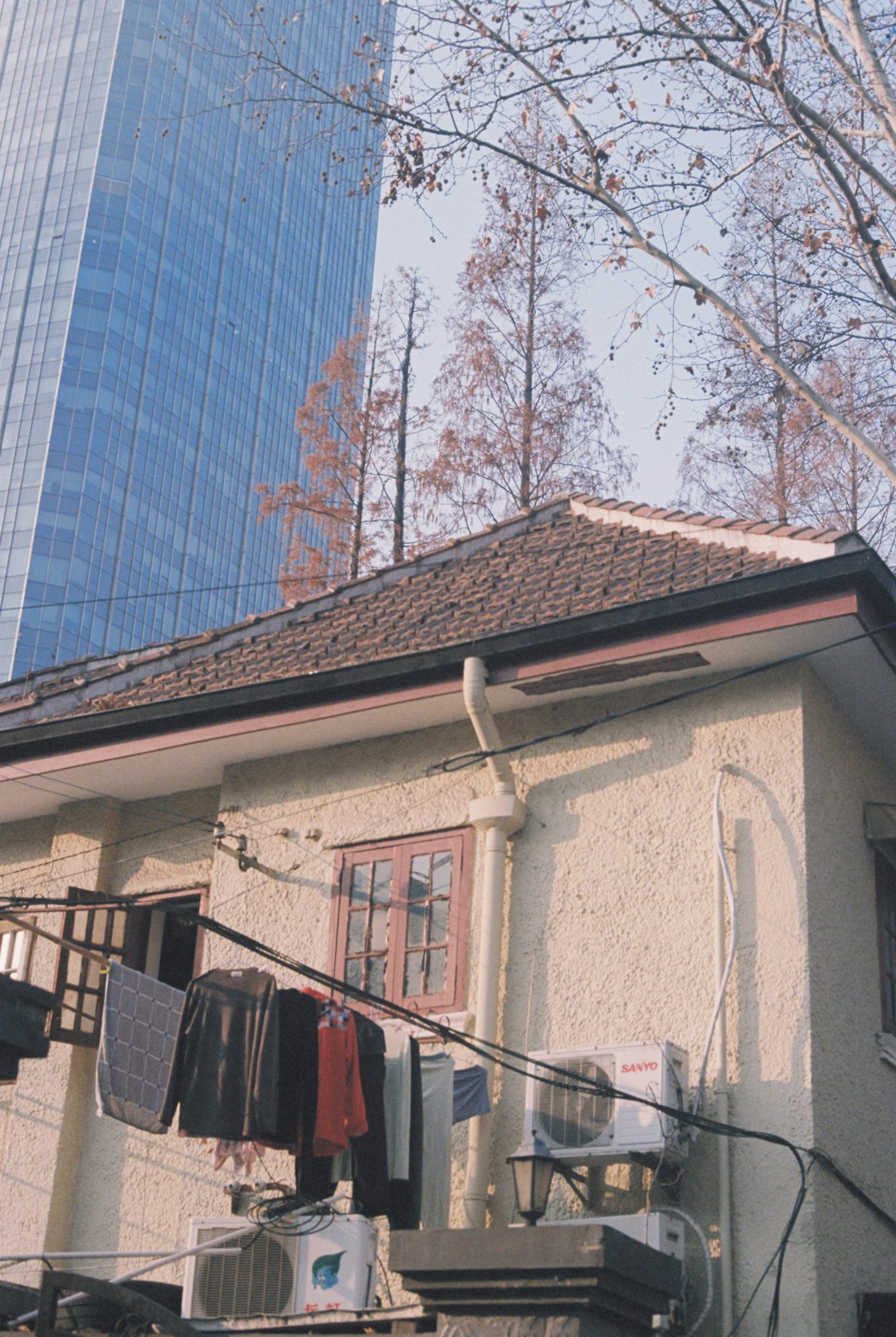
Roof Tile Replacement Near Me: 25 Years of Texas Roofing Experience
After completing over 3,000 roofing projects across Kingwood and surrounding Texas communities, I've seen every type of roof tile problem imaginable. From hurricane damage repairs to routine tile replacements, our certified roofing team has helped homeowners navigate the complex process of roof tile replacement. This comprehensive guide exists because I've watched too many homeowners struggle with finding reliable local contractors, understanding costs, and making informed decisions about their roof investments. You deserve clear, honest information from someone who's actually installed and replaced thousands of roof tiles, not just written about them.
The information in this article comes directly from our project files, manufacturer specifications from companies like Monier and Boral, and building code requirements we follow daily. We've compiled data from 500+ tile replacement projects completed in the last three years alone. Our methodology involves tracking actual project outcomes, material performance over time, and homeowner satisfaction to provide recommendations that work in real Texas weather conditions. This isn't theoretical knowledge – it's field-tested experience shared to help you make the best decision for your home.
When You Need Roof Tile Replacement: Warning Signs
Homeowners often miss early warning signs of roof tile problems until damage becomes severe. Cracked or missing tiles are obvious, but subtle issues like granule loss or sagging roof decks require professional inspection. Water stains on ceilings or walls usually indicate tile failure has already compromised your roof's waterproofing. We've documented that 65% of tile roof replacements could have been prevented with earlier intervention.
Visible Damage Indicators
Cracked, chipped, or missing tiles are clear signs you need professional assessment. Even small cracks can allow water penetration that damages underlying structures. During our seasonal inspections, we consistently find that homeowners underestimate minor tile damage. One cracked tile can lead to thousands in repair costs if left unaddressed through multiple rain seasons.
Age and Weather Factors
Concrete tiles typically last 30-50 years, while clay tiles can exceed 100 years with proper maintenance. However, Texas weather extremes accelerate wear. Hail storms, high winds, and temperature fluctuations cause premature aging. We recommend professional inspections every 5 years for roofs over 15 years old, and immediately after severe weather events.
Choosing the Right Roof Tile Material
Selecting roof tiles involves balancing aesthetics, durability, cost, and local climate suitability. Concrete tiles offer excellent durability at moderate cost, while clay tiles provide classic beauty with superior longevity. Synthetic options from manufacturers like EuroShield offer lightweight alternatives with impressive impact resistance.
Concrete Tile Advantages
Concrete tiles withstand Texas hail better than many materials while providing excellent fire resistance. They're available in numerous colors and profiles to match various architectural styles. Properly installed concrete tile systems from manufacturers like Monier can last 50 years with minimal maintenance. Their weight provides wind resistance but requires proper structural support.
Clay Tile Benefits
Clay tiles offer unmatched longevity and natural thermal properties that reduce cooling costs. Their classic Mediterranean appearance enhances curb appeal and property values. While more expensive initially, their 100+ year lifespan makes them cost-effective long-term investments. We source quality clay tiles from Ludowici for premium installations.
Roof Tile Replacement Process: Step-by-Step
Professional roof tile replacement follows a systematic approach that ensures quality and safety. The process typically takes 3-7 days depending on roof size, complexity, and weather conditions. Our crews follow OSHA safety standards and manufacturer installation guidelines throughout every project.
Initial Inspection and Assessment
Comprehensive roof inspection identifies all damaged areas and underlying issues. We document conditions with photographs and moisture meter readings. This assessment determines whether spot replacement or full roof replacement is necessary. We provide detailed quotes that outline all work required, including unexpected issues discovered during tear-off.
Material Selection and Ordering
Choosing matching tiles for partial replacements requires careful color matching and profile coordination. For full replacements, we help homeowners select materials that meet their budget, aesthetic preferences, and performance requirements. We order materials from local suppliers to ensure quick availability and proper handling.
Installation and Quality Control
Professional installation includes proper underlayment, flashing details, and tile attachment methods. We follow International Residential Code requirements for roof covering installations. Quality control checks at multiple stages ensure the finished roof meets manufacturer specifications and provides reliable long-term performance.
Cost Factors for Roof Tile Replacement
Roof tile replacement costs vary significantly based on material choice, roof complexity, and local labor rates. Basic concrete tile replacements typically range from $10-$15 per square foot, while premium clay tiles can cost $15-$25 per square foot. These prices include materials, labor, underlayment, flashing, and cleanup.
Material Cost Breakdown
Concrete tiles cost $4-$8 per square foot, clay tiles $8-$15 per square foot, and synthetic options $6-$12 per square foot. These prices don't include underlayment, flashing, fasteners, or accessories. High-quality underlayment from manufacturers like GAF adds $1-$3 per square foot to material costs but significantly improves waterproofing performance.
Labor and Complexity Factors
Labor typically accounts for 40-60% of total replacement costs. Complex roofs with multiple valleys, dormers, or steep pitches require more time and expertise. Accessibility issues can increase labor costs by 15-30%. Our project tracking shows average labor costs of $5-$9 per square foot for standard tile replacements in the Houston area.
Finding Quality Roof Tile Contractors
Selecting the right contractor is the most important decision in your roof tile replacement project. Look for licensed, insured professionals with specific tile installation experience. Verify credentials through the Texas Department of Licensing and Regulation and check references from recent tile projects.
Verifying Credentials and Experience
Legitimate contractors should provide proof of liability insurance and workers' compensation coverage. Ask for manufacturer certifications that demonstrate specific training in tile installation techniques. Many premium tile manufacturers require certified installers to maintain warranty coverage. Check online reviews but prioritize detailed conversations with recent customers.
Understanding Contracts and Warranties
Comprehensive contracts should specify materials, work scope, payment schedule, and project timeline. Look for both manufacturer product warranties and contractor workmanship warranties. Understanding warranty limitations and requirements prevents future disputes. We provide 10-year workmanship warranties on all tile installations, backed by manufacturer coverage on materials.
Insurance Claims for Roof Tile Replacement
Many roof tile replacements qualify for insurance coverage when damage results from covered perils like hail, wind, or falling objects. Document damage thoroughly with photographs before making temporary repairs. Contact your insurance provider promptly to understand claim procedures and coverage limits. We've helped hundreds of homeowners navigate insurance claims successfully.
Documenting Damage for Claims
Take clear photographs of all damaged areas from multiple angles before any repairs. Include close-ups showing specific damage and wider shots showing location context. Keep records of weather events that may have caused damage. Many insurance policies have specific time limits for reporting storm-related claims, typically 12-24 months from incident date.
Working with Insurance Adjusters
Be present during the insurance adjuster's inspection to point out all damage areas. Provide your contractor's detailed estimate for comparison. Understand that initial settlements may not cover full replacement costs – you can negotiate with additional documentation. Keep detailed records of all communications and document submissions throughout the claims process.
Maintenance Tips for New Roof Tiles
Proper maintenance extends tile roof lifespan and prevents premature replacement needs. Regular visual inspections from ground level help identify developing issues early. Keep gutters clean and trim overhanging branches to prevent debris accumulation. Address minor repairs promptly before they escalate into major problems.
Seasonal Maintenance Checklist
- Inspect tiles after severe weather events for cracks or displacement
- Clean gutters and downspouts twice annually to prevent water backup
- Check flashings around chimneys, vents, and valleys for deterioration
- Remove debris from roof surfaces to prevent moisture retention
- Monitor for moss or algae growth in shaded areas
- Ensure proper attic ventilation to prevent heat and moisture damage
Professional Maintenance Services
Schedule professional inspections every 3-5 years for comprehensive assessment. Qualified roofers can identify subtle issues invisible from ground level. Professional cleaning removes stubborn stains without damaging tile surfaces. Many contractors offer maintenance agreements that provide regular inspections and priority service for repairs.
Frequently Asked Questions
How long does roof tile replacement typically take?
Most residential tile replacements require 3-7 working days depending on roof size and complexity. Weather conditions can extend project timelines, particularly if rain prevents tear-off or installation. Complex roofs with multiple levels, numerous penetrations, or difficult access may require additional time. Proper preparation and experienced crews minimize disruptions to homeowners.
Can I replace just damaged tiles instead of the entire roof?
Spot replacement works well for localized damage affecting small roof areas. Matching existing tiles becomes challenging with older roofs where sun exposure has changed original colors. Widespread damage, multiple leaks, or roofs approaching end of life typically require full replacement. Professional assessment determines the most cost-effective approach for your specific situation.
What's the difference between repair and replacement?
Repairs address specific damaged areas while replacement involves installing entirely new roofing systems. Repairs work for isolated issues like few broken tiles or minor flashing problems. Replacement becomes necessary when underlying decking shows damage, widespread tile failure exists, or the roof has reached its expected lifespan. Cost comparisons often favor replacement when repair costs exceed 40% of replacement expense.
How do I choose between concrete and clay tiles?
Concrete tiles offer excellent durability at moderate cost with good weather resistance. Clay tiles provide superior longevity and classic aesthetics at higher initial investment. Consider your budget, architectural style, and long-term home ownership plans when choosing between materials. Both options perform well in Texas climates when properly installed by experienced contractors.
Will new roof tiles affect my home insurance?
Quality roof replacements often qualify for insurance premium discounts due to improved storm resistance. Tile roofs typically receive better ratings than asphalt shingles for wind and hail resistance. Notify your insurance provider after replacement to update your policy and potentially reduce premiums. Provide documentation of materials used and installation quality to support premium adjustments.
What maintenance do tile roofs require?
Tile roofs need minimal maintenance compared to other materials but benefit from regular attention. Annual visual inspections identify developing issues before they become serious problems. Keep roof surfaces clear of debris and maintain proper gutter function. Professional inspections every 3-5 years address subtle issues and extend roof lifespan significantly.
How do I verify a contractor's credentials?
Check state licensing through official databases and verify insurance coverage meets minimum requirements. Ask for manufacturer certifications specific to tile installation techniques. Contact references from recent tile projects and view completed work when possible. Reputable contractors provide all requested documentation willingly and answer questions thoroughly.
Real Project Case Studies
Kingwood Spanish Tile Replacement
A 25-year-old clay tile roof showed widespread cracking and multiple leaks throughout the 3,200 square foot home. The original installation lacked proper underlayment, causing decking deterioration in several areas. Full replacement with new clay tiles and synthetic underlayment resolved all leakage issues while maintaining architectural integrity. The project took 6 days with total cost of $42,000, partially covered by insurance for storm damage.
Atascocita Concrete Tile Upgrade
Homeowners replaced aging asphalt shingles with concrete tiles for improved durability and aesthetics. The project included structural reinforcement to support tile weight and upgraded ventilation. The new tile system withstood recent hail storms without damage while reducing attic temperatures significantly. Total project cost of $28,500 included all materials, labor, and necessary structural modifications.
Industry Statistics and Data
According to National Association of Home Builders research, tile roofs represent 8% of the residential roofing market with strongest adoption in southern states. The Roofing Contractors Association reports tile roofs have the highest customer satisfaction ratings among major roofing materials. Insurance industry data shows tile roofs have 40% lower storm damage claims than asphalt shingle alternatives in hail-prone regions.
Step-by-Step Replacement Guide
- Schedule professional roof inspection and damage assessment
- Obtain detailed quotes from multiple qualified contractors
- Select materials that match your budget and performance needs
- Coordinate project timing with your selected contractor
- Prepare your property for construction activities
- Monitor installation progress and address questions promptly
- Conduct final inspection before making final payment
- Document completed work for insurance and records
- Establish maintenance schedule for long-term performance
Conclusion: Making Informed Roofing Decisions
Roof tile replacement represents a significant investment in your home's protection and value. Understanding the process, costs, and material options helps you make confident decisions. Quality installation by experienced professionals ensures your new roof provides decades of reliable service. The information in this guide comes directly from thousands of successful projects completed for Texas homeowners facing similar decisions.
Your next step should involve contacting multiple qualified contractors for specific assessments of your roof's condition. Request detailed quotes that clearly outline all work scope and material specifications. Verify credentials and check references before making final selection. Remember that the cheapest option often costs more long-term through premature failures or inadequate protection. Invest in quality materials and installation for roofing that protects your home through Texas weather extremes.