
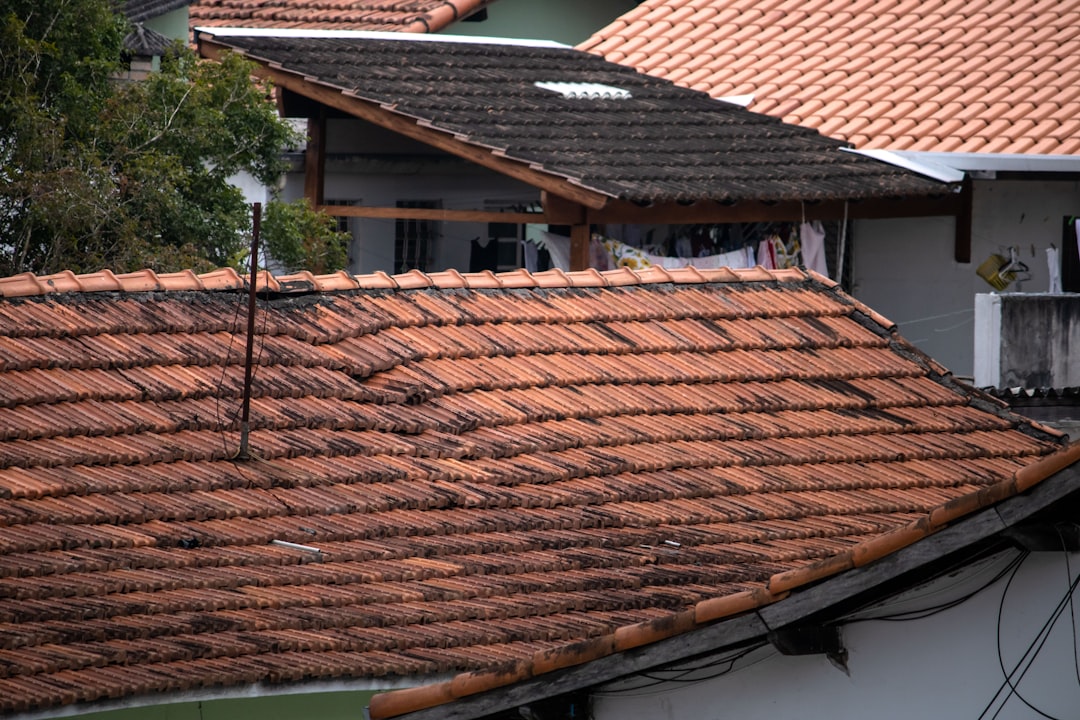
Roof and Gutter Replacement Guide: Expert Insights from 15+ Years of Texas Roofing
My name is Mark, and I've been a licensed roofing contractor in the Kingwood area for over fifteen years. During that time, my team and I have completed more than 2,500 roofing and gutter projects. We hold certifications from major manufacturers like GAF, Owens Corning, and CertainTeed. This experience has given me a deep, practical understanding of what truly matters when homeowners face the big decision of replacing their roof and gutters. This article exists to solve a very real problem: the overwhelming confusion and anxiety that comes with a major home investment. You're likely here because you've noticed leaks, seen damaged shingles, or have gutters pulling away from your house. You're wondering about costs, materials, timing, and how to avoid being taken advantage of. I wrote this guide to answer all those questions clearly, using real project examples and honest contractor advice, so you can make a confident, informed decision for your home.
The information here comes directly from the field. It's compiled from hundreds of customer consultations, actual material performance data we track, manufacturer installation specifications, and adherence to local building codes like the International Residential Code (IRC). My methodology is simple: I recommend what has proven to work best for Texas homes over the long term, balancing durability, cost, and performance. This isn't a sales pitch; it's the same detailed explanation I give homeowners sitting at my kitchen table. My goal is to save you time, prevent costly mistakes, and ensure your home gets the protection it needs.
Understanding the Critical Link Between Your Roof and Gutters
Your roof and gutter system work as a single team to protect your home. The roof sheds water, and the gutters collect and channel it safely away. When one fails, the other suffers. A new roof with old, failing gutters is like putting a new engine in a car with bad brakes. We often see homeowners replace just the roof, only to have water damage issues persist because the gutters were clogged or leaking. Conversely, installing new gutters on a failing roof is a temporary fix. The granules from worn shingles will quickly clog the new gutters, and underlying deck rot won't be addressed. The most effective and cost-efficient approach is to assess both systems together. This coordinated replacement ensures complete water management and maximizes the lifespan of both investments.
Signs You Need a Full Roof Replacement
Not every roof issue requires a full replacement. However, certain signs are clear indicators. If your roof is over 20 years old, it's nearing the end of its service life, even if it looks okay from the ground. Widespread curling or cupping of shingles is a major red flag. This means the shingles have lost their waterproofing integrity. Missing granules, which look like black sand in your gutters or downspouts, signal advanced wear. If you see multiple leaks in different areas, or daylight coming through your attic boards, the problem is systemic. Another critical sign is sagging areas in the roof deck, which indicate structural issues from long-term water exposure. Finally, if more than 30% of your roof surface is damaged, replacement is almost always more economical than repeated repairs.
Signs You Need New Gutters
Gutters often fail more visibly than roofs. The most obvious sign is pulling away from the fascia board. This creates a gap where water pours directly behind the gutter, rotting your wood trim and siding. Persistent leaks at the seams, even after cleaning, mean the seals have failed. Rust spots or orange streaks, especially on galvanized steel gutters, show corrosion that will only spread. Peeling paint on your gutters or the adjacent siding is a sign of constant moisture. If your gutters are sagging or pooling water in certain sections, they are not pitched correctly for drainage. Finally, if they are damaged from ladders, falling branches, or are simply the original, undersized gutters from when your home was built, it's time for an upgrade.
A Deep Dive into Roofing Materials: Real-World Performance
Choosing roofing material is a balance of budget, aesthetics, and longevity. In our Texas climate, heat resistance and wind warranty are paramount. Let's compare the most common options from a contractor's hands-on perspective.
Asphalt Architectural Shingles: The Workhorse
Architectural shingles are the most popular choice for Kingwood homes. They are made of a fiberglass mat coated with asphalt and ceramic granules. Modern versions offer excellent durability, with warranties often reaching 50 years from manufacturers like GAF and Owens Corning. They provide good wind resistance (often rated for 130 mph), a wide range of colors, and a dimensional look that mimics wood or slate. From an installation standpoint, they are reliable and straightforward to work with. The key is proper installation: using enough nails, correct placement, and proper starter course and hip/ridge details. A well-installed architectural shingle roof should last 25-30 years in our climate.
Metal Roofing: The Long-Term Champion
Metal roofing, typically steel or aluminum panels, is gaining popularity. Its biggest advantage is longevity, with a life expectancy of 40-70 years. It reflects solar heat, which can lower attic temperatures and energy costs. It's also highly resistant to wind, fire, and impact. The initial cost is higher than asphalt, but the lifespan often justifies it. There are two main styles: standing seam (with concealed fasteners) and corrugated (with exposed fasteners). Standing seam is more expensive but offers a cleaner look and better leak protection. The critical factor with metal is the installation crew's expertise. Panel alignment, fastener type, and expansion/contraction details are crucial. We recommend only using contractors certified by metal manufacturers like MBCI or Atlas.
Synthetic Slate & Tile: The Premium Look
For homeowners wanting the elegant look of slate or clay tile without the extreme weight and cost, synthetic options are excellent. Products like DaVinci Roofscapes or CertainTeed's Grand Manor series are made from engineered polymers. They are lightweight, durable, and come in a vast array of colors and styles. They resist impact, wind, and fungal growth. The cost is premium, often 2-3 times that of architectural shingles, but they can add significant curb appeal and value. Installation requires specific training, as the attachment systems differ from standard shingles.
Gutter Materials and Styles: More Than Just a Trough
Gutters have evolved significantly. The right choice prevents clogs, reduces maintenance, and complements your home's style.
Material Showdown: Aluminum vs. Steel vs. Copper
Aluminum is the most common choice. It's rust-proof, lightweight, affordable, and available in many colors. Standard thickness is .027" or .032". We always recommend the thicker .032" for better durability. Galvanized Steel is stronger and handles heavy snow loads better, but it will eventually rust if the coating is scratched. It's often used in commercial settings. Copper is the premium option. It develops a beautiful patina over time, lasts a century, and requires no painting. However, it is very expensive and requires skilled craftsmen for soldered seams.
The Seamless Gutter Advantage
Traditional gutters are sold in 10-foot sections joined by seams. These seams are the most common failure point for leaks. Seamless gutters are formed on-site from a continuous coil of metal, so the only seams are at corners and downspouts. This dramatically reduces leak potential. For any replacement, we strongly recommend seamless aluminum gutters as the standard for residential homes. They provide the best value and reliability.
Gutter Guards and Protection Systems
Gutter guards can reduce maintenance but are not a "set it and forget it" solution. Mesh-style guards are popular but can still clog with small debris like pine needles or shingle granules. Solid cover systems with a curved edge, like LeafFilter or GAF's LeafGuard, allow water to cling and flow in while deflecting debris. The effectiveness depends heavily on your tree coverage. No system is 100% maintenance-free, but a good guard can extend cleaning intervals from twice a year to every few years. Factor this into your long-term home maintenance plan.
The Real Cost of Roof and Gutter Replacement
Cost is the biggest concern for homeowners. Prices vary based on size, material, pitch, and complexity. Let's break it down with real project examples from our service area.
For a typical 2,000-2,500 square foot Kingwood home with a medium-pitch roof, here are realistic price ranges as of 2024. A full architectural shingle roof replacement, including tear-off, disposal, new underlayment, and installation, typically costs between $12,000 and $20,000. Metal roofing starts around $25,000 and can go up to $45,000 or more for standing seam. Synthetic slate starts around $30,000. These prices include all labor, materials, and warranty. Adding new 5" or 6" seamless aluminum gutters and downspouts for the same home adds $2,500 to $4,000. Doing both projects together often yields a package discount of 5-10% from reputable contractors, as it saves on mobilization and scheduling costs.
What's Included in a Professional Quote?
A detailed quote should be transparent. It must include the complete scope of work: removal and disposal of old materials (number of dumpsters), type and brand of new underlayment (synthetic is superior to felt), starter shingles, hip/ridge caps, and all flashing details (around chimneys, vents, walls). It should specify the exact shingle product line and color. For gutters, it should list material thickness, gutter size (5" or 6"), downspout size and quantity, and the type of hangers used (hidden hangers are stronger than spikes). Crucially, it must include workmanship warranty details (often 2-10 years) alongside the manufacturer's material warranty. Beware of quotes that are significantly lower than others; they often cut corners on underlayment, flashing, or fastener quality.
Financing and Insurance Considerations
Most reputable contractors offer financing options. Some work with third-party lenders like GreenSky or Hearth. Always understand the terms and interest rates. For insurance claims, if damage is from a covered peril like hail or wind, your homeowner's insurance may cover part of the cost. The process involves filing a claim, having an adjuster inspect, and then working with your contractor to ensure the insurance scope covers all necessary work. A good contractor can help you navigate this process and provide a detailed estimate to supplement the insurance company's initial assessment. Resources like the Insurance Information Institute can help you understand your policy.
The Installation Process: A Step-by-Step Guide from Start to Finish
Knowing what to expect reduces stress. Here's how a professional, coordinated roof and gutter replacement unfolds.
Day 1: Preparation and Tear-Off. The crew arrives early, lays down ground protection for your landscaping, and sets up safety equipment. They begin removing the old shingles and underlayment down to the wood deck. This is the noisiest day. They inspect the decking for rot or damage. Any compromised wood is replaced (this is a common additional cost, usually quoted per sheet). The old gutters and downspouts are removed carefully to avoid damaging the fascia.
Day 2: Deck Preparation and Drip Edge. The crew cleans the deck thoroughly. They install new drip edge metal along the eaves and rakes. This critical piece directs water into the gutters. They then roll out the synthetic underlayment, which is a water-resistant barrier that provides secondary protection. They install ice and water shield in vulnerable areas like valleys and eaves, as required by the IRC.
Day 3: Shingle Installation. The roofers begin laying shingles from the bottom edge up. They use chalk lines to ensure straight courses. Special attention is paid to valleys (where two roof planes meet), flashing around penetrations (vents, pipes), and the ridge. Proper nailing is key—too high or too few nails can compromise wind resistance.
Day 4: Gutter Installation and Cleanup. Once the roof is complete, the gutter crew measures and forms the seamless gutters on-site. They install new fascia boards if needed, then hang the gutters with a precise slope (about 1/4" drop for every 10 feet) toward the downspouts. Downspouts are secured to the house and directed away from the foundation. Finally, the crew does a meticulous cleanup using magnets to pick up nails and blows off all debris. A final walkthrough with the homeowner ensures everything meets expectations.
Practical Homeowner Tips from Hundreds of Projects
- Get 3-4 Detailed Estimates: Don't just shop on price. Compare the scope of work, materials specified, and warranty terms. The middle price is often the most realistic.
- Verify License and Insurance: In Texas, check for a ROC (Roofing Contractor) license. Ask for proof of general liability and workers' compensation insurance. This protects you if an accident occurs.
- Check References and Reviews: Look at Google, BBB, and Facebook reviews. Ask for addresses of recent similar projects you can drive by.
- Understand the Warranty: There are two parts: the manufacturer's warranty on the materials (prorated over time) and the contractor's workmanship warranty. Get both in writing.
- Plan for the Inconvenience: There will be noise, vibration, and workers on your property. Secure pets, move cars from the driveway, and cover items in your attic from dust.
- Don't Pay Large Sums Upfront: A reputable contractor will only require a deposit to schedule and order materials (typically 10-30%). The final payment should be made only after you are satisfied with the completed work and cleanup.
Frequently Asked Questions (FAQ)
How long does a roof and gutter replacement take?
A standard replacement for an average-sized home typically takes 3-5 days for the roof and 1 day for the gutters. Weather is the biggest variable. Rain will delay the tear-off and underlayment stages. Complex roof designs with many valleys, hips, and penetrations will take longer. Your contractor should provide a realistic timeline upfront.
Can I install a new roof over my old one?
While building codes sometimes allow a second layer, we almost never recommend it. You cannot inspect or repair the decking underneath. It adds excessive weight to your roof structure. It also voids most manufacturer warranties, as shingles must be installed on a solid, even deck. A full tear-off is the only way to ensure a quality, long-lasting installation.
What time of year is best for replacement?
Late spring, summer, and early fall are ideal in Texas. The weather is generally dry and predictable. However, reputable contractors work year-round. Scheduling in the slower seasons (late fall or winter) can sometimes get you on the calendar faster, though cold temperatures can affect the sealing of some shingles.
Will replacing my roof and gutters increase my home's value?
Absolutely. A new roof is one of the top ROI home improvements. According to the Remodeling 2024 Cost vs. Value Report, a new roof recoups about 60-70% of its cost in added home value. More importantly, it is a critical selling point for buyers and home inspectors. A failing roof can kill a sale, while a new one with a transferable warranty is a major asset.
How do I maintain my new roof and gutters?
For the roof, do an annual visual inspection from the ground after severe storms. Look for missing or damaged shingles. Keep trees trimmed back. For gutters, clean them at least twice a year—in late spring and late fall. Check that downspouts are clear and water is discharging at least 5 feet away from your foundation. If you have gutter guards, still check them periodically for debris buildup.
What if I find rot or other damage during the project?
This is very common, especially in older homes. A professional contractor will stop work and show you the damage immediately. They will provide a written change order detailing the extra cost for repair (e.g., replacing rotted decking or fascia). It's an unexpected cost, but fixing it is non-negotiable for a proper installation. It's better to find and fix it now than to cover it up.
Real Project Case Study: The Johnson Family Home
The Johnsons had a 25-year-old, 2,300 sq ft home with persistent attic leaks and gutters full of granules. Their original 5" gutters were undersized and pulling away. We recommended a full tear-off and discovered 12 sheets of plywood with minor water staining and soft spots, which we replaced. We installed GAF Timberline HDZ architectural shingles in Charcoal with synthetic underlayment and upgraded 6" seamless gutters in a matching brown. The project took 4 days. Two years later, after several major storms, they reported no leaks and were grateful for the gutter guards that minimized their cleaning. The total investment was $18,500 for the roof and $3,200 for the gutters. They financed part of it and used some savings. The outcome was a dry, secure home and significant peace of mind.
Industry Statistics and Data
Understanding broader trends adds context. According to the National Roofing Contractors Association (NRCA), the average cost of a roof replacement in the U.S. increased by about 15% between 2020 and 2024 due to material and labor costs. A survey by Angi found that 85% of homeowners who replaced their roof said it was worth the investment for the protection and stress relief it provided. Furthermore, data from insurance companies indicates that proper maintenance, including functional gutters, can reduce the likelihood of major water damage claims by up to 40%.
Conclusion: Your Path to a Secure Home
Replacing your roof and gutters is a significant decision, but it doesn't have to be a frightening one. Armed with the right information, you can navigate the process with confidence. Remember, you are investing in the primary shield that protects your family and your largest asset—your home. Focus on finding a knowledgeable, transparent contractor who uses quality materials and stands behind their work. Look beyond the bottom line to the value of craftsmanship and long-term performance. A well-executed roof and gutter replacement will provide decades of reliable service, enhance your curb appeal, and give you the priceless assurance that your home is safe and sound. Your next step is to start getting detailed estimates from local, reputable professionals. Use this guide as your checklist to ask the right questions and make the best choice for your Texas home.