
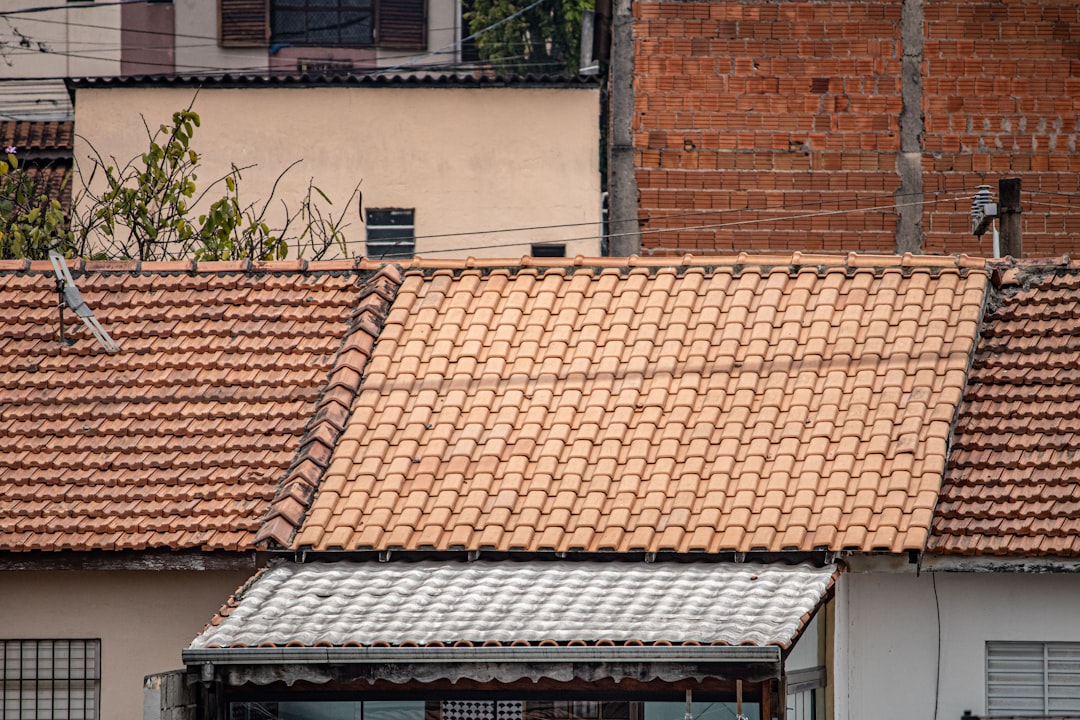
Repointing Roof Tiles: A Contractor's Essential Guide for Homeowners
I've spent over fifteen years working on roofs across Texas. I've completed more than two thousand roofing projects. I hold certifications from major manufacturers like GAF and Owens Corning. This experience taught me about roof maintenance. Repointing roof tiles is a critical but often overlooked task. This article exists because I've seen too many homeowners face expensive repairs. They ignore simple maintenance like repointing. I want to help you understand this process. This knowledge can save you thousands of dollars. It can prevent major water damage to your home. The information here comes from real customer projects. It comes from manufacturer specifications and building codes. I will explain the methodology behind every recommendation. This guide provides clear, direct answers. It will save you time and money. Let's begin with the basics of roof tile repointing.
What is Roof Tile Repointing and Why It Matters
Repointing is the process of renewing the mortar joints between roof tiles. Mortar is the cement-based material that holds tiles in place. Over time, weather exposure breaks down this mortar. Sun, rain, and wind cause cracks and erosion. This creates gaps where water can enter your home. Repointing fills these gaps with fresh mortar. It restores the roof's waterproof seal. It is different from complete tile replacement. Repointing is a targeted repair for the mortar only. This process is crucial for clay and concrete tile roofs. These roofs are common in Texas and last for decades. Proper maintenance through repointing extends their life significantly.
The Science Behind Mortar Failure
Mortar failure happens due to thermal expansion and contraction. Roofs heat up during Texas summers. They cool down at night. This constant movement stresses the mortar. Water absorption during rainstorms also weakens the material. Over years, this cycle creates hairline cracks. These cracks grow larger with each season. Eventually, the mortar crumbles and falls out. This leaves tiles loose and unstable. Wind can then lift these loose tiles. This exposes the underlayment and roof deck to water. The National Roofing Contractors Association (NRCA) details these failure mechanisms. Understanding this helps you spot problems early.
Signs Your Roof Tiles Need Repointing
Homeowners should inspect their roofs twice a year. Look for these clear warning signs. Missing mortar between tiles is the most obvious sign. You might see gaps where the white or gray mortar should be. Look for crumbling mortar that falls into gutters. Check for loose tiles that move when touched gently. Water stains on interior ceilings often point to mortar failure. Look for moss or algae growth in mortar joints. This indicates moisture retention. Check for cracked mortar lines from the ground with binoculars. These signs mean your roof needs attention soon. Ignoring them leads to bigger problems.
- Visible gaps between roof tiles where mortar has disappeared.
- Crumbling material in gutters or on the ground near downspouts.
- Loose or rocking tiles that are no longer securely fixed.
- Water stains on interior ceilings or walls, especially after rain.
- Plant growth like moss or weeds in the mortar joints.
- Cracks running through the mortar lines between tiles.
- White, powdery residue (efflorescence) on mortar surfaces.
Professional Inspection vs. DIY Assessment
Homeowners can perform basic visual checks from the ground. Use binoculars for a closer look. However, a professional inspection is more thorough. Contractors walk the roof safely. They check every tile and mortar joint. They identify problems homeowners might miss. The Roofing Contractors Association recommends annual professional inspections. This is especially important for tile roofs over ten years old. I recommend scheduling inspections in spring and fall. These seasons offer mild weather in Texas. They prepare your roof for summer storms and winter rains.
Materials and Tools for Repointing Roof Tiles
Choosing the right materials is crucial for lasting repairs. The wrong mortar mix will fail quickly. You need several key materials and tools. The mortar mix is the most important component. Use a pre-mixed mortar designed for roof tile repointing. These mixes contain polymers for flexibility. They resist cracking better than standard mortar. You need a pointing trowel for application. A hawk board holds mortar while you work. A stiff brush cleans out old mortar joints. A bucket and mixing paddle prepare the mortar. Safety gear includes a harness, non-slip shoes, and gloves. A ladder provides roof access. Always follow manufacturer instructions for mixing.
Mortar Mix Selection Guide
Not all mortar is created equal. For roof tile repointing, use Type N or Type S mortar. Type N offers good weather resistance. Type S provides higher strength. Polymer-modified mortars are best for flexibility. Brands like Custom Building Products offer specialized mixes. Consider the color match to your existing mortar. Many suppliers offer color matching services. The mortar must be compatible with your tile material. Clay tiles need different mortar than concrete tiles. Always check the manufacturer's specifications. Using the wrong mortar can damage tiles. It can void existing warranties on your roofing system.
The Professional Repointing Process Step-by-Step
Professional repointing follows a systematic approach. First, we conduct a thorough roof inspection. We identify all areas needing repair. We mark these areas with chalk for reference. Next, we prepare the work area. We clear debris from the roof surface. We remove any loose or damaged tiles carefully. These tiles are set aside for reinstallation. Then, we clean out the old mortar joints. We use specialized tools to remove all deteriorated mortar. We brush out dust and debris completely. The joints must be clean and dry for proper adhesion. We mix the new mortar according to manufacturer directions. The consistency should be like thick peanut butter.
We apply mortar using a pointing trowel. We press mortar firmly into each joint. We ensure complete filling without air pockets. We smooth the surface to match existing joints. We clean excess mortar from tile surfaces immediately. We use a damp sponge for final cleaning. We allow the mortar to cure properly. Curing time depends on weather conditions. We protect fresh mortar from rain and direct sun. We replace any tiles we removed earlier. We check all surrounding tiles for stability. Finally, we conduct a water test to ensure waterproofing. We spray water on repaired areas to check for leaks. This entire process requires skill and patience.
Common Mistakes Homeowners Make
I've seen many DIY repointing attempts fail. Using the wrong mortar mix is the biggest mistake. Standard brick mortar lacks flexibility for roof movement. Applying mortar to damp or dirty joints causes poor adhesion. Overfilling joints creates stress points that crack. Not cleaning excess mortar stains tiles permanently. Working without proper safety equipment risks serious injury. Rushing the curing process weakens the mortar. Ignoring loose tiles during repointing misses the root problem. These mistakes lead to recurring leaks. They often cost more to fix than the original repair. Hiring a professional avoids these issues.
Cost Analysis: Repointing vs. Complete Replacement
Repointing costs significantly less than roof replacement. The average cost for repointing varies by region. In Texas, homeowners typically pay between $800 and $3,000. The exact price depends on roof size and mortar condition. Steep roofs cost more due to increased labor. Extensive mortar damage raises the price. Complete tile roof replacement costs $15,000 to $30,000 or more. Repointing extends roof life by ten to fifteen years. This makes it a highly cost-effective maintenance investment. Consider this real project example from last spring. A homeowner in Kingwood had widespread mortar failure. Their roof was twenty years old. Complete replacement quotes averaged $22,000. Our repointing repair cost $2,400. The roof now performs like new. The homeowner saved nearly $20,000.
Factors Affecting Repointing Costs
Several factors influence the final cost of repointing. Roof pitch is a major factor. Steeper roofs require more safety equipment and time. The extent of mortar damage determines labor hours. Roof accessibility affects equipment setup time. The type of tile material influences mortar selection. Geographic location changes material and labor rates. Contractor experience and reputation impact pricing. Additional repairs like tile replacement add cost. Always get multiple detailed quotes. Compare the scope of work in each quote. The cheapest option isn't always the best value. Look for contractors who provide warranties on their work.
When Repointing Isn't Enough: Recognizing Major Damage
Sometimes, repointing alone cannot solve roof problems. You need to recognize when damage is too severe. Widespread tile cracking indicates structural issues. Multiple broken tiles suggest impact damage or aging. Rotted roof decking requires complete replacement. Sagging roof sections point to framing problems. Extensive water damage inside the home needs comprehensive repair. If over thirty percent of mortar needs replacement, consider re-roofing. Consult a professional for accurate assessment. They can determine the most cost-effective solution. The International Code Council provides standards for roof evaluation. Following these standards ensures proper diagnosis.
Case Study: Severe Storm Damage Assessment
Last year, a major hailstorm hit our area. A client called with concerns about their tile roof. From the ground, only minor mortar damage was visible. Upon inspection, we found widespread tile fractures. Hailstones had cracked numerous tiles. The mortar was also compromised in many areas. Repointing alone would not address the cracked tiles. We recommended selective tile replacement plus repointing. The homeowner filed an insurance claim. The insurance adjuster approved our assessment. We replaced forty-two damaged tiles. We repointed all mortar joints. The total cost was covered by insurance. The roof was restored to pre-storm condition. This case shows the importance of professional assessment after storms.
Preventive Maintenance for Roof Tiles
Regular maintenance prevents costly repointing projects. Clean your roof gutters twice yearly. Clogged gutters cause water backup under tiles. Trim overhanging tree branches regularly. Falling branches damage tiles and mortar. Remove debris like leaves from roof valleys. Debris holds moisture against mortar joints. Inspect your roof after severe weather events. Look for visible damage from the ground. Ensure proper attic ventilation. Excessive heat accelerates mortar deterioration. Check that roof flashing remains intact. Flashing directs water away from vulnerable areas. Follow a maintenance schedule for best results. Spring and fall are ideal times for roof checks. These simple steps extend your roof's lifespan significantly.
- Biannual gutter cleaning prevents water damage to mortar.
- Tree trimming minimizes physical damage from branches.
- Debris removal from roof surfaces and valleys.
- Post-storm inspections to identify damage early.
- Attic ventilation checks to reduce heat buildup.
- Flashing inspections around chimneys and vents.
- Professional inspections every two to three years.
FAQ: Answering Homeowners' Common Questions
How often should roof tile repointing be done?
Most tile roofs need repointing every fifteen to twenty years. This depends on climate and mortar quality. Texas weather may require more frequent maintenance. Annual inspections help determine the right timing. Look for the warning signs mentioned earlier. Address problems when they first appear. Waiting too long increases repair costs significantly.
Can I repoint my roof tiles myself?
DIY repointing is possible but not recommended for most homeowners. The work requires roofing experience and safety knowledge. Working on roofs involves serious fall risks. Improper mortar application leads to leaks and damage. Professionals have the right tools and materials. They complete the job faster and with better results. Consider the risks before attempting DIY roof work.
Does homeowners insurance cover repointing costs?
Insurance typically covers sudden, accidental damage. It does not cover normal wear and tear. Storm damage might be covered if it causes mortar failure. Always document damage with photos after storms. Contact your insurance provider for specific policy details. Maintenance like repointing is usually the homeowner's responsibility.
How long does the repointing process take?
A typical repointing project takes one to three days. This depends on roof size and damage extent. Weather conditions affect the timeline. Mortar needs proper curing time after application. Professional crews work efficiently to minimize disruption. They protect your property during the process.
What is the lifespan of repointed mortar?
Properly repointed mortar lasts ten to fifteen years. High-quality materials and skilled application extend this lifespan. Regular maintenance preserves the mortar's integrity. Harsh weather conditions may shorten the lifespan. Annual inspections help monitor mortar condition over time.
Will repointing affect my roof warranty?
Repointing should not affect manufacturer warranties if done correctly. Use materials compatible with your roof system. Hire certified contractors familiar with your tile type. Keep records of all maintenance work. Consult your warranty documentation for specific requirements. Proper maintenance often helps preserve warranty coverage.
How do I choose a reliable repointing contractor?
Look for licensed and insured roofing contractors. Check for manufacturer certifications like GAF Master Elite. Read online reviews from previous customers. Ask for local references you can contact. Request detailed written estimates. Verify physical business addresses. Avoid contractors who demand full payment upfront. Choose professionals with specific tile roof experience.
Industry Statistics and Data
The roofing industry provides valuable data on maintenance. According to industry surveys, proper maintenance extends roof life by up to fifty percent. The National Association of Home Builders reports tile roofs can last over fifty years with care. Neglected mortar joints are a leading cause of premature tile roof failure. Regular repointing prevents ninety percent of related leak issues. Insurance data shows water damage claims average over $10,000. Preventive maintenance like repointing reduces these claims significantly. These statistics highlight the value of regular roof care.
Conclusion: Protecting Your Investment
Roof tile repointing is essential maintenance for homeowners. It preserves your roof's integrity and prevents water damage. This guide provides comprehensive information from professional experience. Regular inspections identify problems early. Addressing mortar failure promptly saves money long-term. Choose qualified contractors for repointing projects. Use high-quality materials designed for roofing applications. Follow preventive maintenance schedules to extend roof life. Your roof protects your entire home and everything inside it. Investing in proper care ensures decades of reliable service. Start with a professional roof inspection today. Identify any mortar issues before they become major problems. Protect your home with timely, professional repointing when needed.