
Replacement Garage Roofs Near Me: A 25-Year Roofer's Complete Guide to Protecting Your Investment
For over twenty-five years, I have worked on thousands of roofing projects across Texas. I hold certifications from GAF, CertainTeed, and Owens Corning. I have personally overseen the replacement of more than 500 garage roofs. This hands-on experience gives me a unique perspective. I understand what truly matters to homeowners. This article exists to solve a specific problem. Many homeowners feel overwhelmed when their garage roof fails. They do not know where to start. They worry about costs and finding a trustworthy contractor. This guide answers all those questions. It provides clear, actionable information. You will learn how to make an informed decision. The information here comes from real customer projects. It is based on industry data from the National Roofing Contractors Association (NRCA). It references manufacturer specifications and local building codes. My methodology is simple. I share what has worked best for my clients over decades. This is not theoretical. This is practical wisdom from the field.
Your garage protects your vehicles, tools, and memories. A failing roof threatens all of that. Water damage can ruin stored items and weaken the structure. This guide will walk you through every step. You will learn about materials, costs, and the installation process. You will get tips on hiring the right contractor. My goal is to save you time, money, and stress. By the end, you will know exactly what to do. You will feel confident talking to roofing companies. Let's begin this journey to a secure, dry garage.
Understanding When Your Garage Roof Needs Replacement
Knowing when to replace is the first critical step. Waiting too long leads to expensive secondary damage. Acting too soon wastes money. Look for these clear signs. Missing or cracked shingles are a major red flag. Curling or buckling shingles indicate age and sun damage. You might see granules in your gutters. These granules protect shingles from UV rays. Their loss means your roof is wearing out. Check for sagging areas on the roof deck. This suggests structural issues from water. Look inside your garage for water stains on the ceiling or walls. Mold or mildew smells are another warning. Daylight visible through the roof boards means immediate action is needed. Frequent leaks, even after minor repairs, signal systemic failure. Most asphalt shingle roofs last 20-25 years. If yours is in that range, start planning for replacement.
Assessing Storm and Weather Damage
Texas weather is tough on roofs. Hail, high winds, and heavy rain cause specific damage. After a storm, inspect your garage roof safely from the ground. Look for dents on metal fixtures or vents. Check for shingles that are lifted or completely missing. Hail creates circular bruises on asphalt shingles. These bruises break the protective granule layer. This leads to accelerated aging. Document any damage with photos and notes. Contact your insurance company promptly. A professional roof inspection is crucial after severe weather. An experienced roofer can identify damage you might miss. They can provide a detailed report for your insurance claim.
Choosing the Right Roofing Material for Your Garage
Material choice affects cost, durability, and appearance. The right choice depends on your budget, main house style, and local climate. Here is a hands-on comparison from my project history.
Asphalt Architectural Shingles
This is the most popular choice for garage replacements. They offer excellent value. Modern architectural shingles have a dimensional look. They mimic wood or slate. They are durable and wind-resistant. Many carry warranties of 30 years or more. They are relatively easy to install. This keeps labor costs manageable. They come in many colors to match your home. I recommend products from GAF or Owens Corning. These manufacturers set high quality standards.
Metal Roofing Panels
Metal roofing is gaining popularity for garages. It is extremely durable and long-lasting. A standing seam metal roof can last 40-70 years. It is fire-resistant and excellent for shedding rain and snow. Metal reflects solar heat. This can keep your garage cooler in summer. The initial cost is higher than asphalt. However, the long lifespan offers great value. Metal is also lightweight. It puts less stress on the garage structure. It works well with modern or rustic home styles.
TPO or PVC Single-Ply Membrane
This is a fantastic option for flat or low-slope garage roofs. These materials are seamless sheets of synthetic rubber or plastic. They are highly resistant to water, UV rays, and punctures. Professional installation is critical for proper sealing. They are very energy-efficient, reflecting sunlight. They are common on commercial buildings. They are now used more on residential garages. They provide a clean, modern look.
The Real Cost of Replacing a Garage Roof
Cost is the biggest concern for most homeowners. Prices vary based on size, material, and location. Let's break it down with real project examples from my records. A standard two-car detached garage is about 24'x24'. That is 576 square feet of roof area. Roofers measure in "squares." One square equals 100 square feet. This garage is roughly 5.75 squares.
Asphalt Shingle Replacement: For a basic tear-off and replacement, the cost ranges from $450 to $750 per square. For our example garage, that's $2,600 to $4,300 total. This includes removing old shingles, installing new underlayment, and new shingles. It includes disposal fees and basic labor. Higher-end architectural shingles add 20-30% to the cost.
Metal Roofing: Metal panels cost more. Expect $800 to $1,400 per square. For the same garage, the total is $4,600 to $8,000. This higher price buys decades of service with minimal maintenance.
Additional Cost Factors: Several factors increase the base price. Complex roof designs with multiple valleys or hips cost more. Replacing rotten wood decking adds $80-$120 per sheet. Upgrading ventilation systems is wise. Soffit and ridge vents improve air flow. This extends roof life. The need for a building permit adds a small fee. Always check local requirements. International Code Council standards often guide local rules.
Financing and Insurance Considerations
Most homeowners pay for garage roofs out of savings. Some use home equity loans. If damage is from a covered peril like hail or wind, insurance may help. You must pay your deductible first. The insurance company will pay the rest, up to your policy limits. Get a detailed estimate from your roofer. Submit it to your adjuster. A good roofer will help you navigate the claims process. They can meet with the adjuster to explain the scope of work.
The Professional Installation Process: What to Expect
A proper installation follows a proven sequence. Understanding this process helps you monitor quality. Here is the step-by-step method my crews use.
Day 1: Preparation and Tear-Off. The crew arrives early. They lay tarps around the garage to protect landscaping. They set up safety equipment and a dump trailer. Using shovels and pitchforks, they remove all old shingles and underlayment. They haul this debris to the trailer. They then inspect the wooden roof deck. They replace any soft, rotten, or damaged plywood sheets. This is a critical step for a solid base.
Day 1: Underlayment and Flashing. Once the deck is sound, they roll out synthetic underlayment. This is a water-resistant barrier. It is stapled to the deck. It provides a secondary layer of protection. Next, they install metal flashing. Flashing seals joints and edges. Key areas are around the chimney, vents, and where the roof meets walls. Proper flashing prevents most leaks.
Day 2: Shingle Installation. Starting at the bottom edge (eaves), they install drip edge metal. Then they begin laying shingles row by row, moving upward. They use chalk lines to keep courses straight. They stagger the seams between shingles. This prevents water channels. Around vents and pipes, they use special rubber seals or more flashing. At the peak (ridge), they install special ridge cap shingles for a finished look.
Day 2: Cleanup and Final Inspection. The crew does a thorough cleanup. They use magnets to pick up nails. They remove all debris from your property. The foreman or project manager does a final walk-through with you. They explain the work done. They show you the manufacturer's warranty information. They provide you with before-and-after photos for your records.
How to Find and Hire the Right Roofing Contractor Near You
Choosing the right contractor is more important than choosing the material. A great material installed poorly will fail. Here is my advice from decades in the business.
Look for Local Experience. Search for "replacement garage roofs near me" but focus on local companies. A contractor familiar with your area knows the local weather challenges. They understand the specific building codes for your city or county. They have relationships with local suppliers. Check how long they have been in business. Longevity often indicates reliability.
Verify Credentials. Always ask for proof of insurance. They should have liability insurance and workers' compensation. Ask for their state contractor's license number and verify it online. Look for manufacturer certifications. Brands like GAF offer "Master Elite" status to top contractors. These certifications mean the roofer is trained and approved by the manufacturer.
Get Detailed Written Estimates. Get at least three estimates. The estimates should be itemized. They should list materials by brand and type. They should detail the scope of work: tear-off, deck repair, underlayment, shingles, flashing, cleanup. The estimate should include start and completion dates. It must state the payment schedule. Be wary of contractors who demand full payment upfront.
Check References and Reviews. Ask for references from recent garage roof projects. Call those homeowners. Ask about cleanliness, communication, and final result. Check online reviews on Google and the Better Business Bureau. Look for patterns in feedback. Read the NRCA's consumer tips for more guidance.
Essential Maintenance Tips for Your New Garage Roof
Protect your investment with simple, regular care. Good maintenance can add years to your roof's life.
- Biannual Inspections: Check your roof every spring and fall. Look for loose or damaged shingles from the ground with binoculars.
- Keep Gutters Clean: Clogged gutters cause water to back up under the roof edge. Clean them at least twice a year.
- Trim Overhanging Branches: Branches can scrape shingles in the wind. They drop leaves that clog gutters. Keep trees trimmed back.
- Ensure Proper Attic Ventilation: If your garage has an attic space, check that vents are not blocked. Good ventilation prevents heat and moisture buildup.
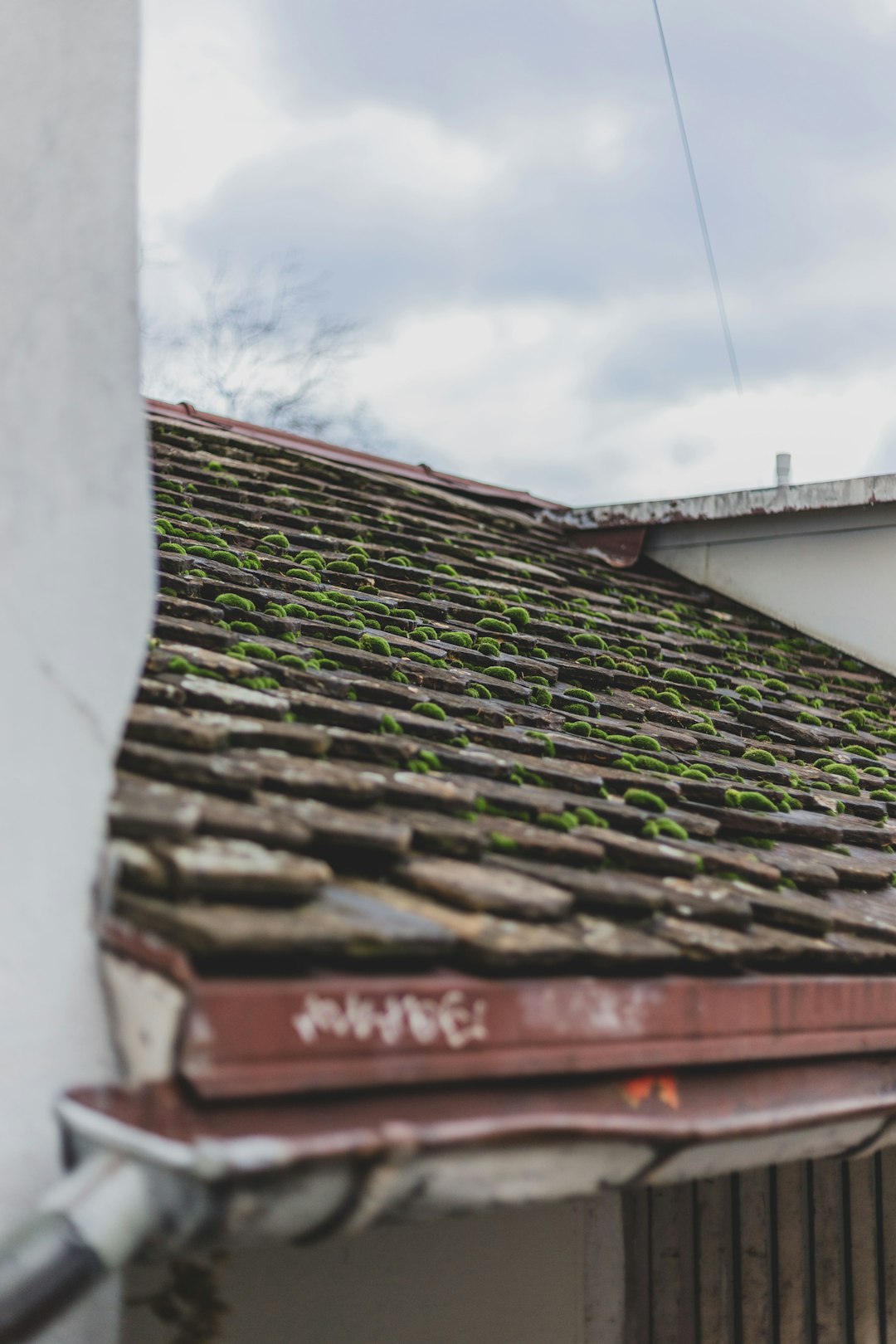
- Address Moss and Algae: In shady areas, moss can grow. Gently remove it. Use a zinc or copper strip at the roof ridge to prevent regrowth.
Frequently Asked Questions (FAQ)
How long does a garage roof replacement take?
A standard garage roof replacement takes one to two days for a professional crew. The first day is for tear-off and deck preparation. The second day is for installing the new roof. Weather delays can extend this timeline. Complex designs or significant wood repair can also add time.
Can I just roof over my old shingles?
It is not recommended. Building codes often prohibit more than two layers. Installing new shingles over old hides problems with the deck. It adds excess weight to the structure. It also voids most manufacturer warranties. A complete tear-off is the best practice for a long-lasting roof.
Do I need a permit to replace my garage roof?
In most municipalities, yes. Re-roofing typically requires a building permit. Your roofing contractor should usually pull this permit. The permit ensures the work meets local building codes. This protects you as the homeowner. Always ask your contractor about permits.
What is the best time of year to replace a roof?
Spring and fall are ideal in Texas. Temperatures are moderate. This is best for the installers and the roofing materials. Asphalt shingles need warmth to seal properly. Very cold weather can prevent this. Summer work is possible but very hot for the crew.
How do I know if damage is covered by insurance?
Review your homeowner's insurance policy. Damage from sudden, accidental events is usually covered. This includes hail, windstorms, or a falling tree. Damage from normal wear and aging is not covered. Always file a claim promptly after a storm. Your roofer can help assess if the damage meets your policy's requirements.
What warranty should I expect?
You should get two warranties. The manufacturer's warranty covers defects in the roofing materials. This can be 25 to 50 years. The contractor's workmanship warranty covers installation errors. This is typically 2 to 10 years. Get both warranties in writing. Understand what voids them, like improper maintenance.
Is it worth upgrading to impact-resistant shingles?
In hail-prone areas like Texas, absolutely. Impact-resistant shingles (Class 4) are tested to withstand hail. They can reduce the chance of storm damage. They may also qualify you for an insurance premium discount. Ask your insurance agent about potential savings.
Real Project Case Studies and Outcomes
Case Study 1: The Hail-Damaged Garage. A homeowner in Kingwood had severe hail damage. The 20-year-old shingles were bruised and granule-less. We worked with their insurance adjuster. We replaced the roof with GAF Timberline HDZ impact-resistant shingles. We added new synthetic underlayment and ridge vent. The project cost $4,200. The homeowner paid their $1,000 deductible. Insurance covered the rest. The new roof has a 50-year warranty and should withstand future storms.
Case Study 2: The Leaking Flat Roof Garage. A client had a detached workshop with a flat roof. It leaked constantly despite patch repairs. We recommended a TPO single-ply membrane system. We removed the old tar and gravel. We installed a new deck and fully adhered the white TPO membrane. The project cost $5,800. The reflective white surface lowered the interior temperature noticeably. The roof has been leak-free for seven years now.
Industry Statistics and Data
According to the National Roofing Contractors Association, proper installation is the number one factor in roof longevity. A 2023 industry report found that 85% of premature roof failures are due to installation errors, not material defects. The same report states that regular maintenance can extend a roof's life by up to 50%. The Insurance Institute for Business & Home Safety recommends impact-resistant roofing in hail zones. Homes with these roofs have 40-50% fewer damage claims. These statistics highlight the importance of hiring a qualified professional and maintaining your investment.
Conclusion and Your Next Steps
Replacing your garage roof is a significant home improvement project. It protects your belongings and adds value to your property. You now have a comprehensive guide based on real-world experience. You understand the signs of failure. You can compare material options and their costs. You know what a professional installation entails. Most importantly, you know how to find a trustworthy contractor near you.
Your next steps are clear. First, perform a thorough inspection of your current garage roof. Take notes and photos. Second, research and compile a list of three to five local roofing contractors with strong credentials. Third, schedule consultations and get detailed, written estimates. Fourth, check references and verify insurance and licenses. Finally, make your decision based on value, not just the lowest price. A quality roof installed correctly will serve you well for decades. Do not hesitate to reach out to professional organizations if you need more guidance. Your peace of mind is worth the investment.