
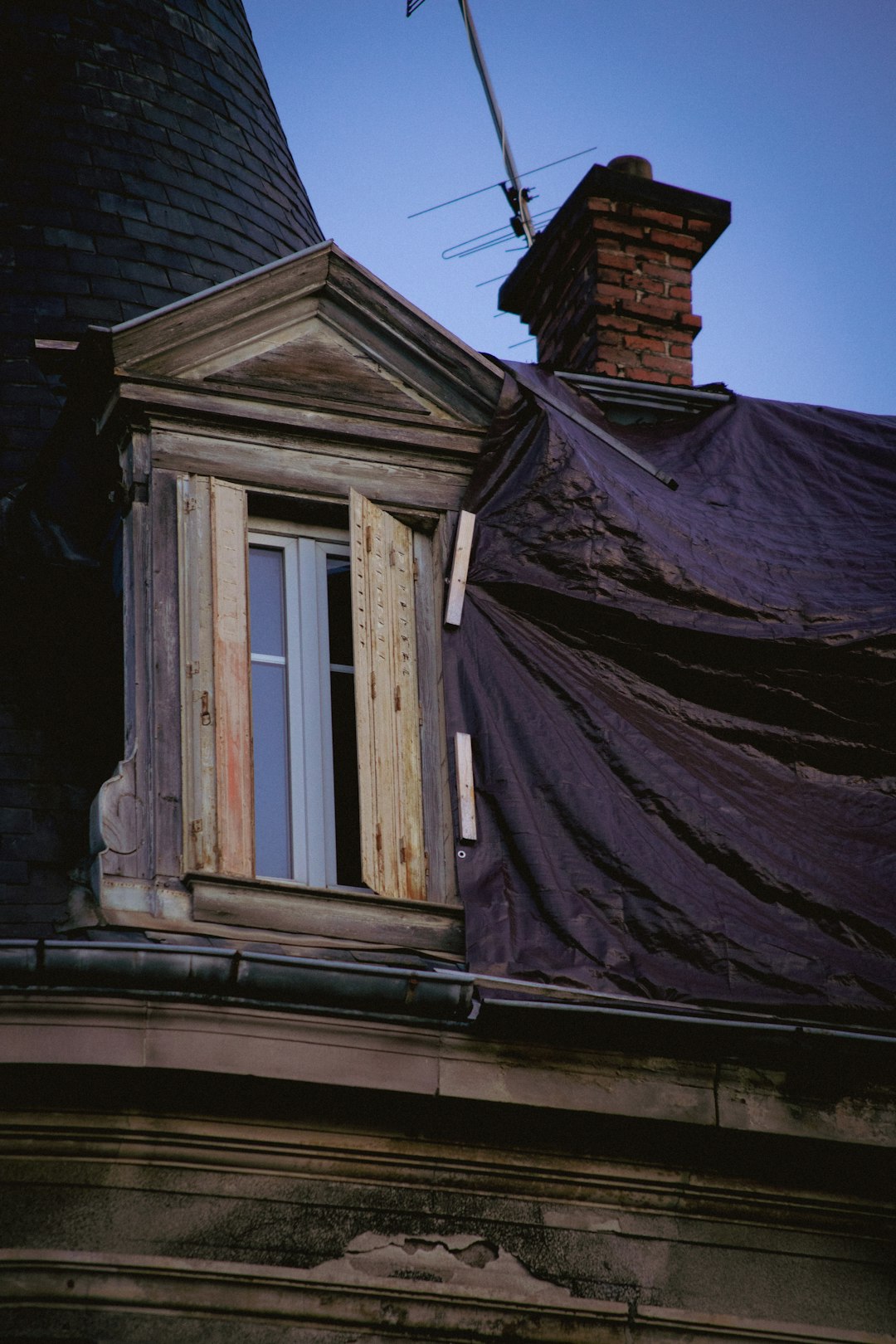
Proof Roof: The Complete Homeowner's Guide to Storm-Resistant Roofing from a Texas Contractor with 15+ Years Experience
My name is Michael, and I've been installing and repairing roofs across Texas for over fifteen years. I've completed more than 2,500 roofing projects, from simple repairs after a hailstorm to complete tear-offs and installations on historic homes. I hold certifications from major manufacturers like GAF, Owens Corning, and CertainTeed, and I'm a licensed roofing contractor in the state of Texas. This article exists because I've seen too many homeowners suffer after a storm, facing massive repair bills and insurance headaches, all because their roof wasn't properly "proofed" against our extreme weather. My goal is to give you the knowledge I share with my own customers, so you can make informed decisions that protect your biggest investment—your home.
This guide was created by pulling together real-world data from hundreds of customer projects, direct specifications from roofing material manufacturers, and the building codes we follow every day in Texas. I'll explain the methodology behind why we recommend certain materials over others, based on their performance in actual storms, not just lab tests. You'll get a transparent look at what truly makes a roof "storm-proof," the real costs involved, and practical steps you can take, whether you're building new, replacing an old roof, or just want to strengthen what you have. This is the information I wish every homeowner had before the next big storm hits.
What Does "Proof Roof" Really Mean? A Contractor's Definition
The term "proof roof" gets thrown around a lot in our industry. To a homeowner, it might sound like an absolute guarantee against damage. In reality, from a contractor's perspective, it means building a roofing system with enhanced resistance to specific, common threats. We're talking about designing and installing a roof to withstand the primary weather events in your area. In Texas and the Gulf Coast, that means wind, hail, and torrential rain. A truly "proofed" roof is a system, not just one product. It combines high-quality materials, superior installation techniques, and proper maintenance to create a formidable defense for your home.
The Three Pillars of a Storm-Proof Roofing System
Think of your roof as a team, not a single player. The first pillar is the decking, or sheathing. This is the plywood or OSB board nailed to your roof's rafters. A strong deck is the foundation. The second pillar is the underlayment. This is a water-resistant or waterproof barrier installed directly over the decking. It's your critical secondary defense if shingles are damaged. The third pillar is the primary roofing material itself—the shingles, metal, or tile you see from the street. All three must work together. A premium shingle on a weak deck with poor underlayment is not a proof roof. We see this mismatch often in homes built with cost-cutting in mind.
Understanding Wind Uplift and Hail Impact Ratings
Manufacturers test their products to meet specific standards. For wind, shingles receive a Wind Resistance Rating, often classified as Class D, G, or H. Class H shingles are tested to resist uplift at winds up to 150 mph. For hail, look for the UL 2218 Class Impact Rating. This test involves dropping steel balls of increasing size onto the material. A Class 4 rating is the highest, meaning the shingle resisted impact from a 2-inch steel ball. These are not just marketing terms; they are standardized tests. When I specify materials for a "proof roof" project, I always select products with a Class 4 impact rating and a wind warranty of at least 130 mph, which is common for many architectural shingles. You can verify these ratings on manufacturer websites like GAF or Owens Corning.
Choosing the Right Materials for Your Proof Roof
The choice of material is the most visible part of your roof's defense. Each has pros and cons for storm resistance, cost, and longevity. Based on hundreds of post-storm inspections, I can tell you which materials tend to perform best under duress. Remember, proper installation is just as important as the product itself. A poorly installed premium material will fail faster than a mid-grade product installed perfectly.
Architectural Asphalt Shingles: The Balanced Workhorse
Architectural, or dimensional, shingles are the most popular choice for a reason. They are heavier and thicker than basic 3-tab shingles. This added mass and multi-layer construction gives them better wind resistance. Many top-tier architectural shingles, like GAF's Timberline HDZ or Owens Corning's Duration, carry the Class 4 hail rating and 130+ mph wind warranties. They offer a great balance of cost, appearance, and proven storm performance. From my experience, a properly installed architectural shingle roof with synthetic underlayment is a massive upgrade over standard builder-grade roofs and can handle most severe weather events we see.
Metal Roofing: The Ultimate Wind and Hail Defender
If your primary concern is wind and hail, metal is hard to beat. A standing seam metal roof, where panels are connected with raised seams, is exceptionally resistant to wind uplift. Hail might dent some metals, but it rarely punctures them. Metal roofs also shed water instantly and are non-combustible. The upfront cost is significantly higher than asphalt, often 2-3 times more. However, its lifespan of 40-70 years is a major factor. For homeowners in high-wind zones or those who plan to stay in their home for decades, the investment in a metal roof can be justified. I always recommend looking at products from manufacturers like MBCI or Atlas Roofing for quality options.
Synthetic Slate and Composite Shakes: The Impact-Resistant Alternative
For homeowners who love the look of slate or wood but need storm resistance, synthetic products are a fantastic option. Made from engineered polymers or recycled materials, brands like DaVinci Roofscapes or Brava offer tiles that are incredibly durable. They are typically Class 4 rated for hail and carry high wind warranties. They are lighter than real slate, so they don't require extra roof framing. While the cost is similar to high-end metal, their aesthetic appeal and durability make them a compelling choice for a custom proof roof. I've installed these on several homes in Kingwood, and they've come through hailstorms without a scratch.
The Installation Process: Where the "Proof" is Made or Broken
You can buy the best materials in the world, but if they're installed incorrectly, your roof is not proof. This is the most critical phase, and it's where hiring an experienced, certified contractor pays off. A proper installation follows a detailed system approach, adhering to both manufacturer specifications and local building codes.
Deck Preparation and Underlayment: The Critical First Steps
First, we inspect the roof deck. Any soft, rotten, or damaged plywood is replaced. This is non-negotiable. You cannot build a strong roof on a weak foundation. Next, we install a high-quality synthetic underlayment, like GAF Tiger Paw or Owens Corning ProArmor. This isn't the old, felt paper that tears easily. Synthetic underlayment is tear-resistant and provides a much more reliable secondary water barrier. We roll it out horizontally, starting at the eaves, with proper overlaps as specified. In critical areas like valleys, eaves, and rakes, we often install an additional layer of waterproofing membrane for extra protection against wind-driven rain.
Proper Fastening: Nails, Adhesive, and Technique
How shingles are fastened is everything in high winds. We use the right nail: a galvanized, ring-shank roofing nail of the correct length. We follow the manufacturer's nailing pattern exactly—typically six nails per architectural shingle. For maximum wind resistance in zones like ours, we also apply a continuous bead of manufacturer-approved roofing adhesive under the shingle tabs. This seals the shingles down to the layer below, preventing uplift. This extra step is part of many manufacturers' "wind warranty" requirements and is a hallmark of a proof roof installation. Skipping the adhesive is a common shortcut that compromises the entire system.
Flashing and Ventilation: Sealing the Weak Points
Flashing is the metal or rubber material used to seal joints and penetrations. This includes areas around chimneys, skylights, vent pipes, and where the roof meets a wall. Poor flashing is the #1 cause of leaks, not shingle failure. For a proof roof, we use heavy-gauge, corrosion-resistant metal flashing and integrate it meticulously with the underlayment and shingles. Proper attic ventilation is also part of the system. It regulates temperature and moisture, preventing ice dams in winter and prolonging the life of the shingles. We follow building code requirements, like those in the International Residential Code (IRC), for vent placement and area.
Real Costs and Return on Investment for a Proof Roof
Homeowners rightly ask, "How much more does a proof roof cost?" The answer depends on your existing structure, material choice, and roof complexity. Let's look at real project examples from the last year to give you a clear picture.
Cost Comparison: Standard Replacement vs. Enhanced Proof Roof
For a typical 2,500-square-foot home in our area, a standard roof replacement with mid-grade architectural shingles might cost between $12,000 and $16,000. A proof roof upgrade for the same home could add $3,000 to $6,000. Where does that money go? It pays for: 1) Synthetic underlayment instead of felt ($800-$1,200 upgrade). 2) High-wind, Class 4 rated shingles ($1,000-$2,000 upgrade). 3) Additional waterproofing membrane in critical areas ($500-$800). 4) Enhanced fastening with adhesive ($500-$1,000 in labor and materials). 5) Upgraded, code-plus flashing details ($500-$1,000). The total investment brings peace of mind and tangible financial benefits.
Insurance Premium Discounts and Claim Outcomes
Many insurance companies offer discounts for impact-resistant roofing. In Texas, you might see a reduction of 5% to 15% on your homeowner's insurance premium. You must provide your insurer with documentation from your contractor, including the manufacturer's product data sheet showing the Class 4 rating. More importantly, after a storm, the claims process is often smoother. An insurance adjuster can clearly see you've invested in a fortified system. This can lead to faster approvals for repairs and less debate over whether damage is cosmetic or functional. I've worked with adjusters from State Farm, Allstate, and USAA who acknowledge the superior performance of these systems. Check with your own provider, like Texas Department of Insurance, for specific program details.
Practical Homeowner Tips: Maintaining and Inspecting Your Roof
Your role as a homeowner is crucial. Even the best roof needs maintenance. Here are actionable tips from the thousands of inspections I've done.
- Biannual Visual Inspections: Use binoculars from the ground every spring and fall. Look for missing, cracked, or curling shingles. Look for rust on flashing.
- Keep Gutters Clean: Clogged gutters cause water to back up under the roof edge, damaging the deck and fascia. Clean them at least twice a year.
- Trim Overhanging Branches: Branches can scrape and damage shingles in the wind. They also drop leaves that clog gutters and hold moisture against the roof.
- After a Major Storm: Safely check for visible damage from the ground. If you see granules in your downspouts or scattered in your yard, it's a sign of hail impact. Take photos for documentation.
- Attic Check-Up: On a sunny day, go in your attic. Look for any pinpoints of light coming through the roof deck. This indicates a hole. Also check for signs of moisture or water stains on the wood.
Frequently Asked Questions from Real Homeowners
1. Will a "proof roof" guarantee I never have a leak?
No roofing system is 100% leak-proof against all events. A proof roof is designed to be highly resistant to the most common and severe threats in your area. It significantly reduces the likelihood of failure during a standard severe weather event. Think of it as a seatbelt and airbags in your car—they don't prevent all injuries in all crashes, but they dramatically increase your safety in a collision.
2. Can I retrofit my existing roof to be more storm-proof?
Yes, to a degree. The most effective retrofit is adding hurricane clips or straps to better connect your roof framing to your walls. This is a structural upgrade done from the attic. You can also have a contractor inspect and reinforce flashing, seal around penetrations, and ensure proper attic ventilation. However, you cannot change the fundamental wind or hail rating of your existing shingles without replacing them.
3. How long should a storm-resistant roof last?
A properly installed proof roof using quality architectural shingles should last 25-30 years, potentially longer with excellent maintenance. Metal and synthetic roofs often carry warranties of 50 years. The enhanced materials and installation directly contribute to this longevity by reducing weather-related wear and tear.
4. Do I need a special contractor to install a proof roof?
You need a contractor who is certified by the manufacturer of the products you're using. Manufacturer certification means the installer has been trained on that specific system and its enhanced installation requirements. It also often triggers the strongest warranty coverage. Always ask for proof of certification and licensing.
5. How do I talk to my insurance company about this?
Before your project, call your insurance agent. Ask, "Do you offer a discount for impact-resistant (Class 4) roofing?" Get the answer in writing. After installation, provide your agent with a copy of the contractor's invoice specifying the Class 4 products used and the manufacturer's warranty certificate. This starts the process for your premium discount.
6. Is it worth the extra cost if I plan to sell my home soon?
It can be a strong selling point, especially in storm-prone areas. A new, fortified roof is a major item on a home inspection report. It provides potential buyers with confidence and may allow you to command a higher sale price. It also makes the home more attractive to buyers who are concerned about insurance costs and future maintenance.
7. What's the single most important component of a proof roof?
While all parts are important, if I had to choose one, it's the quality of installation. The best shingle in the world, poorly installed, will fail. Hire a certified, experienced, licensed contractor who follows manufacturer specifications to the letter. This is your best guarantee of performance.
Real Project Case Study: A Kingwood Home After the 2023 Hailstorm
Last spring, a major hailstorm hit parts of Kingwood. We were called to inspect a 20-year-old home with a standard 3-tab shingle roof. The damage was severe: hundreds of fractures in the shingles, massive granule loss, and several leaks in the attic. The insurance company approved a full replacement. The homeowners, planning to stay long-term, opted for a proof roof upgrade. We installed a Class 4 architectural shingle (Owens Corning Duration), synthetic underlayment, added ice and water shield in the valleys and eaves, and used adhesive on every shingle. The total project cost was about $4,200 more than a standard replacement. Six months later, another, smaller hailstorm passed through. Our follow-up inspection showed zero damage to the new roof. The homeowners also received a 12% discount on their homeowner's insurance premium, saving them over $300 per year. The peace of mind and financial benefits were immediately realized.
Industry Statistics and Data You Should Know
According to the National Fire Protection Association (NFPA) and FEMA, wind and hail cause billions of dollars in property damage annually. A study by the Insurance Institute for Business & Home Safety (IBHS) found that proper roof-to-wall connections (like hurricane clips) can prevent roof failure in winds up to 130 mph. Furthermore, data from roofing manufacturers indicates that Class 4 shingles can reduce hail damage claims by up to 50% compared to standard shingles. These aren't theoretical numbers; they are based on post-disaster investigations and claims analysis, reinforcing the value of a fortified system.
Your Step-by-Step Guide to Getting a Proof Roof
- Get a Professional Inspection: Have a certified roofer assess your current roof's condition, deck strength, and ventilation.
- Research Materials: Based on your budget and goals (wind vs. hail focus), research Class 4 shingles, metal, or synthetic options.
- Get Multiple Quotes: Obtain 3 detailed quotes from licensed, insured, and manufacturer-certified contractors. Compare the scope of work, not just the bottom line.
- Check References and Reviews: Look for contractors with strong local reputations. Ask for addresses of recent proof roof installations you can drive by.
- Review the Contract Meticulously: Ensure it lists all materials by brand, style, and rating. It should specify underlayment type, fastening methods, flashing details, and warranty information.
- Coordinate with Your Insurance: Finalize any discount paperwork and understand your claim process should future damage occur.
- Supervise the Project Kick-off: Be present when the crew starts. Verify the delivered materials match your contract. A reputable contractor will welcome this.
Conclusion: Your Home's First Line of Defense
Investing in a proof roof is an investment in security, financial prudence, and peace of mind. It's about proactively protecting your family and your asset from the unpredictable weather that defines our region. The knowledge you've gained here—from material science to installation details—empowers you to have informed conversations with contractors and insurance providers. You now understand that a proof roof is a system built with intention, not a magic product. Start with a professional inspection of your current roof. Use that information to make a plan, whether it's a full replacement now, a strategic retrofit, or setting a savings goal for the future. Your home deserves the best defense you can give it. Take the first step today by assessing your needs and reaching out to qualified professionals who can help you build a roof that stands up to the test.