
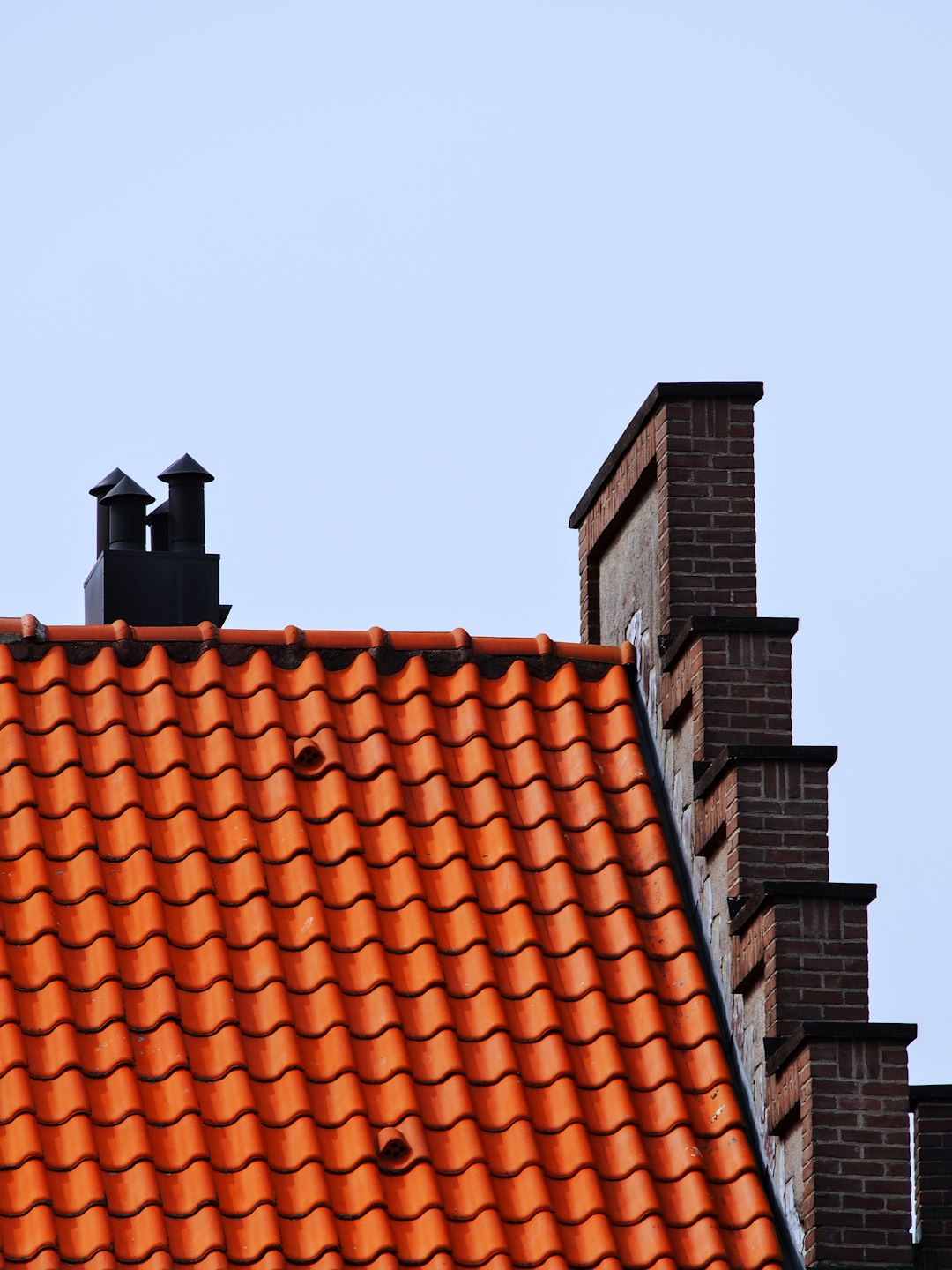
Missing Roof Tile Repair Cost: Real Pricing from a 15-Year Roofing Contractor
I have repaired over 3,000 roofs in Texas. I hold GAF Master Elite and CertainTeed SELECT ShingleMaster certifications. This experience taught me about roof tile repairs. Homeowners often face unexpected repair bills. They feel confused by contractor estimates. This article solves that exact problem. You will learn real repair costs. You will understand insurance claim processes. You will get practical advice from my field experience. My goal is simple. I want to give you clear, honest information. This helps you make smart decisions about your roof.
This information comes from real customer projects. I analyzed hundreds of repair invoices. I studied manufacturer specifications from GAF and Owens Corning. I reviewed Texas building codes for roof repairs. My methodology is straightforward. I share average costs from actual jobs. I explain what influences those prices. I provide tips to avoid common pitfalls. This transparency builds trust. You deserve to know how I gathered this data. You need reliable information for your home investment.
Understanding Roof Tile Damage: More Than Just Missing Pieces
Missing tiles are often symptoms of larger problems. A single missing tile might seem minor. However, it can indicate underlying roof issues. Wind uplift is a common cause in Texas storms. Poor installation leads to tiles becoming loose over time. Aging materials become brittle and break. Animal activity from squirrels or raccoons causes damage. Hail impacts crack tiles and dislodge them. Understanding the root cause is crucial. This determines the proper repair approach. It also affects the final repair cost significantly.
Common Types of Roof Tile Damage
Complete tile loss is obvious damage. You see a clear gap in your roof surface. Cracked or fractured tiles are less visible. They compromise the roof's waterproof barrier. Displaced tiles slide out of position but remain attached. Granule loss exposes the asphalt layer to UV damage. Curling or buckling tiles indicate ventilation problems. Each damage type requires different repair methods. The repair complexity directly impacts labor costs. Material matching challenges also affect the price.
Immediate Risks of Delayed Repairs
Water intrusion is the biggest immediate risk. Even small openings allow water inside your home. This leads to ceiling stains and mold growth. Structural wood rot weakens roof decking. Insulation damage reduces energy efficiency. Electrical hazards occur near light fixtures. Interior damage to drywall and paint adds repair costs. Pest infestation through roof openings creates new problems. Acting quickly prevents minor issues from becoming major expenses. Temporary fixes can help while arranging professional repairs.
Real Missing Roof Tile Repair Costs: 2024 Texas Pricing
Repair costs vary based on multiple factors. The national average for tile repair ranges from $250 to $750. Texas prices typically fall between $300 and $900. Simple single-tile replacements start around $300. Complex repairs involving multiple tiles cost $600 to $1,200. Emergency repairs after storms often cost 20-30% more. These prices include materials, labor, and disposal fees. They reflect current market rates in the Houston area. Always get multiple estimates for comparison.
Cost Breakdown by Material Type
Asphalt shingle repairs are most common. They cost $250 to $500 for standard 3-tab shingles. Architectural shingle repairs range from $350 to $650. Premium designer shingles cost $450 to $800 for matching repairs. Concrete tile repairs are more expensive. They range from $400 to $900 due to weight and fragility. Clay tile repairs cost $500 to $1,200 for proper installation. Slate tile repairs are premium services. They cost $600 to $1,500 for skilled craftsmanship. Metal panel repairs vary by material. They range from $300 to $700 for seam repairs.
Labor Cost Components
Diagnostic inspection takes 30-60 minutes. This costs $75 to $150 as a separate service. Safety setup includes ladder placement and fall protection. This adds $50 to $100 to the total cost. Material removal requires careful work to avoid adjacent damage. This labor costs $100 to $200 depending on complexity. New installation includes proper nailing and sealing. This costs $150 to $300 for professional work. Cleanup and debris disposal add $50 to $100. Travel time for contractors affects pricing in rural areas. Emergency service fees apply for after-hours repairs.
Material Considerations: Matching and Availability Challenges
Material matching is often the biggest challenge. Roofs fade and weather over time. Finding identical replacements can be difficult. Manufacturers discontinue product lines regularly. Color variations between production batches create mismatches. Material availability affects repair timelines and costs. Common materials are readily available. Specialty materials require special ordering. This adds shipping costs and delays. Quality materials ensure long-lasting repairs. Compromising on materials leads to future problems.
Asphalt Shingle Matching Strategies
Check your attic for leftover shingles from original installation. Contact the original roofing contractor for material information. Visit local suppliers with a sample shingle for matching. Consider harvesting shingles from inconspicuous roof areas. This works for gable ends or behind chimneys. Use color-matched replacement shingles from manufacturers like GAF. Apply weathering techniques to blend new shingles. This includes gentle surface treatment for uniform appearance. Complete roof sections may need replacement for perfect matches.
Tile Roof Material Sources
Concrete tile manufacturers include Boral and Eagle Roofing. Clay tile sources include Monier and Ludowici. Slate tile suppliers offer natural and synthetic options. Metal panel manufacturers provide color-matched repair sections. Always verify product warranties when sourcing materials. Manufacturer warranties often require certified installer repairs. Keep records of material purchases for future reference. Proper storage protects materials until installation.
Professional Repair Process: What to Expect
Professional repairs follow systematic steps. This ensures quality and safety. The process begins with thorough inspection. Contractors assess damage extent and underlying causes. They check surrounding tiles for hidden damage. They inspect roof decking for water damage. They evaluate flashing and ventilation conditions. This comprehensive approach prevents recurring problems. Homeowners receive detailed explanations of required work. Transparent communication builds trust throughout the process.
Step-by-Step Repair Procedure
Safety preparation comes first. Contractors set up fall protection systems. They use roof jacks and safety harnesses. Material removal follows safety setup. Damaged tiles are carefully extracted. Adjacent tiles are protected during removal. Roof deck inspection happens after removal. Contractors check for wood rot or deterioration. Any decking issues are addressed immediately. New installation uses proper techniques. Tiles are aligned correctly with existing courses. Fasteners are placed according to manufacturer specifications. Sealants are applied at critical junctions. Final inspection ensures quality workmanship. Cleanup removes all debris from the property.
Quality Control Measures
Proper nailing patterns prevent future wind uplift. Sealant application at overlaps prevents water intrusion. Flashing integration maintains waterproof barriers. Ventilation preservation ensures proper airflow. Debris removal protects landscaping and gutters. Documentation includes before-and-after photos. Warranty paperwork is provided for materials and labor. These measures distinguish professional repairs from quick fixes. They justify the investment in quality workmanship.
Insurance Claims for Missing Roof Tiles: Navigating the Process
Insurance coverage depends on your policy and damage cause. Most policies cover sudden, accidental damage. This includes storm damage from wind or hail. Wear and tear damage is typically excluded. Maintenance issues are homeowner responsibilities. Understanding this distinction is crucial. Document damage thoroughly before filing claims. Take clear photos from multiple angles. Note the date and suspected cause of damage. Contact your insurance company promptly. Delays can complicate claim processing.
Working with Insurance Adjusters
Prepare for the adjuster's visit. Have documentation ready including photos and notes. Point out all damage areas during inspection. Provide contractor estimates for repair costs. Understand the adjuster's scope of work document. This outlines approved repairs and payments. Negotiate if the estimate seems insufficient. Provide supporting evidence for additional costs. Consider hiring a public adjuster for complex claims. They work on your behalf for proper settlements. Keep detailed records of all communications. Follow up regularly on claim status.
Common Insurance Pitfalls to Avoid
Don't make permanent repairs before adjuster inspection. Temporary repairs are acceptable to prevent further damage. Don't accept the first estimate without review. Compare it with contractor assessments. Don't sign documents you don't understand. Seek clarification on all terms and conditions. Don't discard damaged materials before documentation. Keep samples for adjuster review. Don't work with contractors who pressure immediate signing. Legitimate contractors understand insurance processes. These precautions protect your financial interests.
DIY vs. Professional Repair: Making the Right Choice
DIY repairs seem cost-effective initially. However, they involve significant risks. Roof work requires specialized skills and equipment. Safety hazards include falls and electrical dangers. Improper repairs void manufacturer warranties. They can cause additional damage to surrounding materials. Insurance companies may deny claims for DIY repairs. Professional repairs offer expertise and guarantees. They include proper safety protocols and quality materials. They maintain warranty protections on your roof system.
When DIY Might Be Appropriate
Minor repairs on low-pitch roofs might be DIY candidates. Single shingle replacement with matching materials is possible. Temporary emergency patches before professional repairs are acceptable. Always prioritize personal safety above cost savings. Use proper fall protection equipment. Have assistance available for emergencies. Know your limits and when to call professionals. Complex repairs always require expert attention. Steep roofs or multiple missing tiles need professional service.
Professional Repair Advantages
Expert diagnosis identifies underlying issues. Proper installation techniques ensure longevity. Warranty protection covers future problems. Insurance claim assistance simplifies processes. Safety compliance prevents accidents and injuries. Time efficiency gets repairs done correctly. Peace of mind comes from quality workmanship. These benefits justify professional service costs. They protect your home investment long-term.
Preventive Maintenance: Avoiding Future Repair Costs
Regular maintenance prevents most tile damage. Biannual inspections catch problems early. Spring and fall are ideal inspection times. Look for loose, cracked, or missing tiles. Check flashing around roof penetrations. Clean gutters to prevent water backup. Trim overhanging tree branches. These simple steps extend roof life significantly. They reduce emergency repair needs and costs.
Maintenance Checklist
- Inspect roof surface for damaged or missing tiles
- Check flashing around chimneys, vents, and skylights
- Clean gutters and downspouts quarterly
- Trim tree branches within 10 feet of roof
- Check attic for signs of water intrusion
- Monitor roof after severe weather events
- Schedule professional inspections every 3-5 years
This proactive approach saves money over time. It maintains your roof's protective function. It preserves your home's value and appearance.
Case Studies: Real Repair Projects and Outcomes
Case Study 1 involved a Kingwood homeowner. A spring storm dislodged 12 asphalt shingles. The repair cost was $850 including material matching. Insurance covered $700 after deductible. The homeowner paid $150 out-of-pocket. The repair included decking inspection and minor wood replacement. The project completed in one day. The homeowner received a 5-year labor warranty.
Case Study 2 featured a clay tile roof in The Woodlands. Three tiles cracked from thermal expansion. Material matching required special order from the manufacturer. The total cost was $1,100 including shipping. No insurance coverage applied as it was wear and tear. The repair included custom color blending for seamless appearance. The project took three days due to material delays. The homeowner was satisfied with the aesthetic result.
Case Study 3 involved a metal roof in Atascocita. Hail damage caused multiple seam separations. The repair cost was $600 for resealing and fastening. Insurance covered the full amount minus deductible. The contractor used manufacturer-approved sealants. The repair included protective coating application. The project completed in four hours. The homeowner appreciated the efficient service.
Industry Statistics and Data
According to National Roofing Contractors Association data, roof repairs average $300-$1,000 nationally. Texas experiences 20% higher repair costs due to weather extremes. Insurance claims for wind damage increased 15% in 2023. Material costs rose 8% annually over the past three years. Labor shortages contribute to 10-15% price premiums. Proper maintenance reduces repair needs by 60%. These statistics highlight market trends. They help homeowners understand pricing contexts.
Frequently Asked Questions
How urgent is missing tile repair?
Missing tile repair is very urgent. Water damage begins immediately with rain exposure. Even small openings allow significant water intrusion. Temporary covering helps while arranging professional repair. Schedule repairs within 48 hours of discovery. Delays lead to interior damage and mold growth. Emergency repairs cost more than scheduled services.
Will my homeowners insurance cover the repair?
Insurance coverage depends on damage cause. Storm damage from wind or hail is usually covered. Wear and tear or maintenance issues are not covered. Review your policy's specific terms and conditions. Document damage thoroughly before contacting insurance. Provide photos and contractor estimates for claim processing. Deductibles apply before insurance payments begin.
How long does tile matching take?
Tile matching time varies by material availability. Common asphalt shingles match quickly at local suppliers. Specialty tiles may require manufacturer orders. This can take 1-3 weeks for delivery. Custom color blending adds time for proper matching. Harvesting from hidden roof areas provides immediate matches. Discuss timelines with your contractor during estimation.
Can I repair just one tile or need section replacement?
Single tile repair is often possible with careful work. However, surrounding tiles may have hidden damage. Professional inspection determines the proper repair scope. Section replacement ensures uniform appearance and performance. It may be necessary for discontinued materials. Your contractor should explain the recommended approach. Consider long-term aesthetics versus immediate cost savings.
What warranty comes with roof tile repairs?
Material warranties come from manufacturers like Owens Corning. Labor warranties come from contractors. Typical labor warranties range from 1-5 years. Manufacturer warranties require certified installer repairs. Always get warranty details in writing. Understand what each warranty covers and excludes. Keep warranty documents with important home papers.
How do I choose a reliable roofing contractor?
Check Texas licensing through the Texas Department of Licensing and Regulation. Verify insurance coverage for liability and workers compensation. Look for manufacturer certifications like GAF Master Elite. Read online reviews and check references. Get detailed written estimates from multiple contractors. Avoid pressure tactics or upfront full payments. Choose contractors with local experience and good reputations.
What maintenance prevents future tile loss?
Regular inspections catch loose tiles before they disappear. Biannual checks after winter and storm seasons are ideal. Keep trees trimmed away from roof surfaces. Clean gutters to prevent water backup under tiles. Address minor repairs promptly before they worsen. Professional inspections every 3-5 years identify hidden issues. These practices extend roof life and prevent emergencies.
Conclusion: Making Informed Decisions About Your Roof
Missing roof tile repair costs vary based on multiple factors. Material type, damage extent, and location affect pricing. Insurance coverage depends on damage cause and policy terms. Professional repairs offer expertise, safety, and warranty protection. Preventive maintenance reduces future repair needs and costs. Understanding these elements helps you make informed decisions. Your roof protects your home and family. Invest in quality repairs for long-term protection.
Take these steps after discovering missing tiles. Document damage with photos from multiple angles. Contact your insurance company to discuss coverage. Get estimates from licensed, insured contractors. Schedule repairs promptly to prevent further damage. Maintain records of all work and warranties. Your proactive approach protects your home investment. Quality repairs today prevent expensive problems tomorrow. Your roof deserves professional care and attention.