
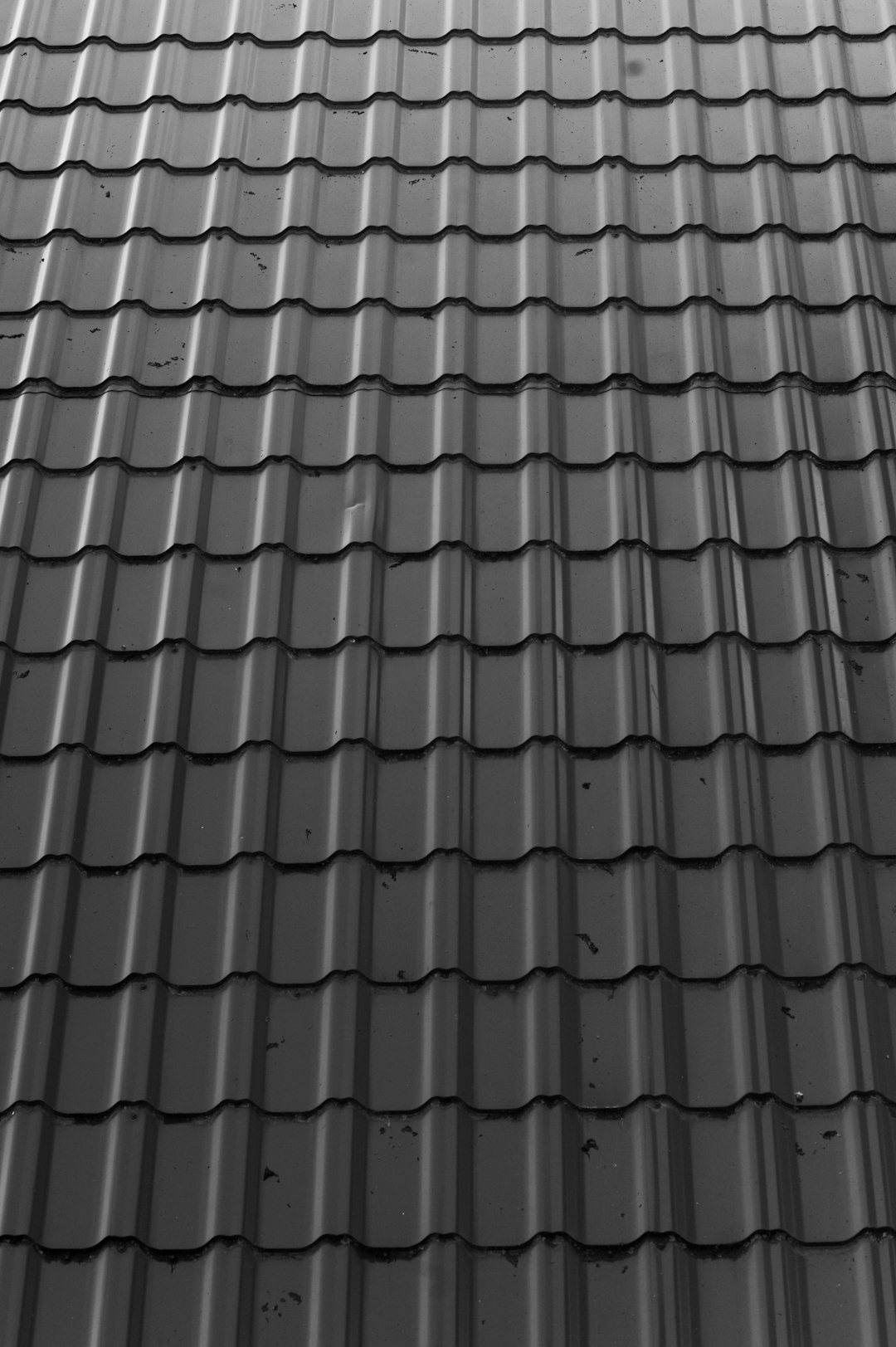
Metal Roofers Near Me: A 25-Year Contractor's Guide to Finding Quality Installation
I have installed over 1,200 metal roofs across Texas since 1999. My team holds certifications from major manufacturers like Metal Roofing Alliance and ATAS International. We have completed projects ranging from historic home restorations to modern commercial buildings. This experience taught me what truly matters in metal roofing. Homeowners often struggle to find reliable contractors. They face confusing marketing claims and unclear pricing. This article solves that problem directly. I will share exactly how to identify quality metal roofers in your area. You will learn what questions to ask and what red flags to avoid. My goal is to save you time, money, and frustration. The information comes from real customer projects and hands-on installation work. I reference manufacturer specifications and local building codes. My recommendations are based on proven results, not theory.
Finding the right metal roofer is crucial. A proper installation lasts 50+ years. A poor one can fail in just a few. This guide provides transparent, actionable advice. You will understand the entire process from start to finish. I explain costs, materials, and installation techniques. You will learn what makes one contractor better than another. This knowledge helps you make confident decisions. You can protect your largest investment—your home. Let's begin with understanding why metal roofing has become so popular. Then we will explore how to find the best installers for your specific needs.
Why Choose a Metal Roof? Benefits Beyond Longevity
Metal roofing offers exceptional value for homeowners. The initial cost is higher than asphalt shingles. However, the long-term benefits often justify the investment. Metal roofs can last 40 to 70 years with proper installation. They withstand severe weather including hail, high winds, and heavy rain. Many insurance companies offer discounts for metal roofs. This is due to their superior fire resistance and durability. Energy efficiency is another major advantage. Metal roofs reflect solar radiant heat. This can reduce cooling costs by 10-25% according to the U.S. Department of Energy. They are also environmentally friendly. Most metal roofing contains 25-95% recycled content. At the end of its life, the material is 100% recyclable.
Durability and Weather Resistance
Metal panels resist wind uplift better than most materials. Properly installed systems can withstand winds over 140 mph. This is crucial in storm-prone areas like Texas. Hail resistance varies by gauge and coating. Standing seam metal roofs handle hail exceptionally well. They have no exposed fasteners that can leak. The interlocking panels create a continuous water barrier. Snow slides off metal roofs easily. This prevents ice dam formation and roof collapse. Metal does not rot, crack, or warp like wood. It resists insect damage and mold growth. These properties make it ideal for humid climates.
Energy Efficiency and Environmental Impact
Cool roof coatings on metal reflect sunlight. They keep attic spaces significantly cooler. This reduces strain on your air conditioning system. Some homeowners see energy bill reductions immediately. The reflective properties work year-round. Metal roofs work well with solar panel installations. They provide a durable, long-lasting base for mounting systems. The recyclability factor appeals to eco-conscious homeowners. Manufacturing metal roofing uses less energy than asphalt production. Transportation costs are lower due to lighter weight. A metal roof often can be installed over an existing roof. This reduces landfill waste from tear-off disposal.
How to Find and Vet Local Metal Roofing Contractors
Finding qualified metal roofers requires careful research. Start with local referrals from neighbors who have metal roofs. Ask about their experience with the contractor. Check online reviews on multiple platforms. Look for patterns in feedback rather than isolated complaints. Verify contractor licenses through your state licensing board. In Texas, check the Texas Department of Licensing and Regulation. Ensure they carry proper insurance including workers' compensation and liability. Request certificates of insurance directly from their provider. Look for manufacturers' certifications. Companies like MBCI and Petersen certify installers on their products. These certifications indicate specialized training.
Essential Questions to Ask Potential Contractors
Ask specific questions during consultations. How many metal roofs have you installed in the past year? Request addresses of recent local projects you can drive by. What is your crew's experience level with metal installation? Who will be the project foreman on my job? What manufacturer training have you completed? Can you provide references from similar projects? How do you handle unexpected issues during installation? What is your process for protecting my property? Do you obtain all necessary permits? How do you ensure compliance with local building codes? These questions reveal the contractor's professionalism and experience.
Red Flags to Watch For During Your Search
Several warning signs indicate potential problems. Contractors who pressure you to sign immediately. Those who only accept cash payments. Companies without a physical local address. Quotes significantly lower than others without clear explanation. Lack of manufacturer certifications for the products they install. Unwillingness to provide proof of insurance. Vague answers about crew experience and training. No written warranty or unclear warranty terms. Poor communication during the initial consultation. Negative patterns in online reviews about workmanship. These red flags suggest you should continue your search elsewhere.
Understanding Metal Roofing Materials and Options
Metal roofing comes in various materials and profiles. Each has different characteristics and price points. Steel is the most common residential metal roofing material. Galvalume steel combines aluminum and zinc coatings for corrosion resistance. Aluminum is lighter and excellent for coastal areas. Copper and zinc offer premium aesthetics but higher costs. Standing seam panels have raised seams that interlock. These seams are typically 1.5 to 2 inches high. Exposed fastener panels have screws visible on the surface. They are more affordable but potentially less waterproof. Metal shingles mimic traditional materials like slate or wood. They offer aesthetic appeal with metal's durability.
Gauge Thickness and Protective Coatings
Gauge refers to metal thickness with lower numbers indicating thicker material. Residential roofing typically uses 26 to 29 gauge steel. Thicker gauges (24-26) offer better dent resistance. Coastal areas often require aluminum due to salt corrosion. Protective coatings include Kynar 500 and Hylar 5000. These fluoropolymer coatings resist fading and chalking. They carry 20 to 30-year warranties on finish integrity. Galvalume coatings provide sacrificial corrosion protection. They protect cut edges and scratches through galvanic action. Understanding these specifications helps you compare quotes accurately.
Profile Styles and Aesthetic Considerations
Standing seam profiles create clean, vertical lines. They offer the best waterproof performance. R-panel and corrugated profiles have exposed fasteners. They provide a more industrial or agricultural look. Metal shingles and tiles replicate traditional materials. They work well for historic district requirements. Color options have expanded dramatically in recent years. Modern coatings offer 40+ year color warranties. Dark colors absorb more heat but work well in cold climates. Lighter colors reflect heat better for energy efficiency. Consider your home's architectural style when choosing profiles. Some neighborhoods have restrictions on metal roofing appearance.
Realistic Cost Breakdown for Metal Roof Installation
Metal roofing costs vary based on multiple factors. Material type, profile, and thickness affect price significantly. Installation complexity and roof accessibility also impact costs. National averages range from $9 to $16 per square foot installed. This translates to $18,000 to $32,000 for a 2,000 square foot roof. Standing seam systems typically cost $12-$16 per square foot. Exposed fastener systems range from $9-$12 per square foot. Metal shingles often cost $10-$14 per square foot. These prices include professional installation with warranty. They typically include removal of one layer of existing roofing. Additional layers or complex tear-offs increase costs.
Factors That Influence Your Final Price
Roof pitch and complexity dramatically affect labor costs. Steeper roofs require more safety equipment and slower work. Multiple valleys, dormers, and chimneys increase installation time. Skylights and roof penetrations require careful flashing details. Two-story homes need more extensive setup than single-story. Geographic location influences material availability and labor rates. Urban areas often have higher costs than rural locations. Time of year can affect pricing with spring being busiest. Material choice creates the largest price variation. Aluminum costs 20-30% more than steel in most markets. Copper and zinc can triple the material cost compared to steel.
Comparing Quotes: What Should Be Included
A proper quote should include detailed line items. Complete tear-off and disposal of existing roofing materials. Installation of new underlayment and ice/water shield in valleys. All necessary flashing for walls, chimneys, and penetrations. Ridge vent installation for proper attic ventilation. Starter strips, closure strips, and trim pieces. Labor for installation with estimated timeline. Cleanup and debris removal from your property. Manufacturer warranty information for materials. Contractor workmanship warranty details. Permit acquisition and inspection coordination. Payment schedule tied to project milestones. Beware of quotes missing any of these essential components.
The Professional Installation Process: What to Expect
Quality metal roof installation follows a systematic process. It begins with thorough measurement and planning. The contractor should measure your roof precisely. They need to account for panel lengths and seam locations. Proper planning prevents unnecessary seams over living spaces. Material ordering comes next with careful calculation of components. Delivery should be scheduled close to installation date. This prevents material storage issues and potential theft. The installation crew arrives with proper equipment and safety gear. They begin by protecting your property with tarps and plywood. Landscaping and windows need protection from falling debris. Existing roofing removal happens systematically from top down.
Critical Installation Steps for Longevity
Deck inspection and repair is crucial after tear-off. Any rotten or damaged wood must be replaced immediately. Proper underlayment installation provides secondary waterproofing. Synthetic underlayments offer better tear resistance than felt. Ice and water shield in valleys and eaves prevents ice dam leaks. Flashing installation requires meticulous attention to detail. Step flashing against walls must integrate with the metal panels. Valley flashing needs proper width and secure fastening. Panel installation begins at the eave with starter strips. Panels should be squared to the roof, not the eave edge. Fasteners must be driven straight and at proper torque. Over-tightening can distort panels and compromise seals.
Final Details That Separate Good from Great Installations
Ridge cap installation completes the weatherproof seal. Ventilation products must integrate seamlessly with the ridge. Trim pieces at rakes and eaves need proper fastening. They should be straight and visually consistent. Cleanup should include magnetic sweeping for metal fragments. Final inspection ensures all fasteners are properly seated. The contractor should walk the roof checking for imperfections. They should test water flow in valleys and at penetrations. A final walkthrough with the homeowner documents completion. The contractor should explain maintenance requirements clearly. They should provide warranty documentation and contact information. Proper installation ensures decades of trouble-free performance.
Maintenance Requirements and Long-Term Care
Metal roofs require minimal maintenance compared to other materials. Annual visual inspections from the ground are recommended. Look for loose fasteners, damaged panels, or debris accumulation. Clear leaves and branches from valleys and gutters regularly. This prevents water backup and potential corrosion. Trim overhanging tree branches to prevent abrasion. Wash the roof occasionally with mild detergent and soft brush. Avoid pressure washers which can damage coatings. Check sealants at penetrations every few years. Reapply as needed to maintain waterproof integrity. Monitor for any signs of galvanic corrosion. This occurs when dissimilar metals contact each other. Install dielectric separators where different metals meet.
Addressing Common Issues and Repairs
Loose fasteners occasionally need tightening after settlement. Use the proper tool to avoid damaging the screw head. Minor scratches can be touched up with matching paint. Most manufacturers provide touch-up kits for this purpose. Dent repair depends on the severity and location. Small dents often can be left alone if not leaking. Larger damage may require panel replacement. Always use original manufacturer components for repairs. This maintains warranty coverage and proper fit. Leaks typically occur at flashings, not in field panels. Re-sealing flashings often solves minor leaks. Major storm damage should be assessed by professionals. Document damage thoroughly for insurance claims.
Warranty Understanding and Claims Process
Metal roofing typically includes multiple warranties. The manufacturer provides material and finish warranties. These often cover 20-40 years depending on product. The installer provides a workmanship warranty. This covers installation errors, not material defects. Understand what each warranty covers and excludes. Most require proper maintenance for validity. Keep records of inspections and any maintenance performed. Register your warranty with the manufacturer promptly. Know the claims process before you need it. Most require inspection by certified professionals. Some warranties are transferable to new homeowners. This can increase your home's resale value significantly.
Frequently Asked Questions About Metal Roofing
Is metal roofing noisier during rainstorms?
Properly installed metal roofs are not noticeably noisier. They have solid decking and underlayment beneath panels. This dampens sound effectively. Attic insulation provides additional sound reduction. Many homeowners report metal roofs being quieter than expected. The perception comes from agricultural buildings with exposed purlins. Residential installations with solid decking perform differently.
Can I install a metal roof over my existing shingles?
Many local building codes allow one overlay installation. The existing roof must be in sound condition with only one layer. The deck must be structurally adequate for additional weight. Proper ventilation considerations become more critical with overlays. Some manufacturers void warranties when installed over existing roofing. Always check local codes and manufacturer requirements first.
Will a metal roof interfere with cell phone or TV signals?
Modern metal roofs do not significantly affect signals. The panels are not solid continuous metal sheets. They have gaps at seams and fasteners. Signals pass through attic vents and openings easily. If you have marginal signal strength already, you might notice slight reduction. Most homeowners experience no issues with communications signals.
How does metal roofing perform in hail storms?
Metal roofs perform exceptionally well in hail. Thicker gauges (24-26) resist denting from most hailstones. The smooth surface allows hail to slide off rather than accumulate. Hail damage typically appears as small dimples rather than punctures. Many insurance companies offer discounts for metal roofs in hail-prone areas. Always check the UL 2218 Class 4 rating for impact resistance.
Is metal roofing more likely to attract lightning?
Metal roofs do not attract lightning more than other materials. Lightning seeks the tallest point in an area, not specific materials. If lightning does strike, metal roofs safely dissipate the energy. They are non-combustible, reducing fire risk. Proper grounding provides additional safety. The metal conducts electricity away from the structure effectively.
How long does metal roof installation typically take?
Installation time varies based on roof complexity and size. A simple gable roof might take 2-3 days with a experienced crew. Complex roofs with multiple levels can take 5-7 days. Weather delays can extend the timeline. Proper installation should not be rushed. Quality workmanship takes time for attention to detail. Most contractors provide realistic timelines during estimation.
Can I walk on my metal roof after installation?
Limited walking is possible with proper precautions. Wear soft-soled shoes without exposed metal. Step only on the lower portion of panels where supported. Avoid walking on panels during extreme temperatures. Early morning when panels are cool is safest. For frequent access, consider installing permanent walkways. Most maintenance can be performed from ladders without roof walking.
Real Project Case Studies: Lessons from the Field
A 2018 project in Kingwood demonstrated proper storm preparation. The homeowners chose a standing seam metal roof after hail damage. We installed 26-gauge steel with Kynar 500 coating. The roof survived 2021 hail storms without damage. Neighbors with asphalt shingles needed complete replacements. The insurance savings alone justified their investment. Another project in The Woodlands showed energy efficiency benefits. The homeowners tracked utility bills before and after installation. Their summer cooling costs decreased by 22%. The reflective white coating made a noticeable difference. They recouped the cost premium within 12 years through energy savings.
Historic Home Restoration Challenges
A 1920s bungalow in Houston Heights required special consideration. Historic district guidelines limited color and profile options. We used metal shingles that replicated the original slate appearance. The lightweight metal required no structural reinforcement. The homeowners maintained historical authenticity with modern durability. They avoided the maintenance demands of real slate. The project won a local preservation award. It demonstrated how metal roofing can respect historical character while providing contemporary performance.
Coastal Installation Considerations
Galveston Island properties face unique challenges. Salt spray accelerates corrosion of unprotected metals. We specified aluminum standing seam panels with special coatings. All fasteners and flashings were stainless steel. The installation included enhanced wind resistance details. The roof survived Hurricane Ike with minimal damage. This case showed how proper material selection matters in specific environments. The homeowners avoided the constant maintenance of painted wood or asphalt.
Industry Statistics and Data-Driven Insights
The metal roofing market has grown consistently. According to the Metal Roofing Alliance, residential metal roofing installations increased 12% annually from 2015-2022. Texas leads the nation in metal roofing adoption due to severe weather. Hail claims drive much of this adoption. Insurance industry data shows metal roofs have 40% lower claim frequency than asphalt. They also have 50% lower claim severity when damage occurs. The National Association of Home Builders reports 85% of homebuyers would pay more for a metal roof. This reflects growing consumer recognition of the value proposition.
Longevity and Return on Investment Data
Studies show metal roofs retain 85-95% of their installed value at resale. This compares to 60-70% for mid-grade asphalt shingles. The Remodeling Impact Report indicates metal roof replacement recoups 61% of cost at sale. This is among the highest returns of any home improvement. Energy savings add to the financial benefits over time. Proper maintenance extends the lifespan beyond 50 years in most climates. These statistics demonstrate why metal roofing represents a sound investment.
Step-by-Step Guide to Hiring Your Metal Roofer
- Research local contractors with metal roofing specialization
- Check licenses, insurance, and manufacturer certifications
- Read reviews and ask for local references you can verify
- Schedule consultations with 3-4 qualified contractors
- Ask detailed questions about their process and experience
- Review written quotes with complete breakdown of costs
- Verify warranty terms and understand coverage limitations
- Check contractor reputation with the Better Business Bureau
- Visit completed projects to assess workmanship quality
- Make your selection based on value, not just lowest price
This systematic approach ensures you find the right professional. Rushing the selection process often leads to disappointment. Take time to verify each contractor's qualifications thoroughly. The investment in research pays dividends for decades.
Conclusion: Making an Informed Decision for Your Home
Finding quality metal roofers near you requires diligence. The right contractor makes all the difference in performance and longevity. Use the guidelines in this article to evaluate potential installers. Focus on experience, certifications, and proven results. Remember that proper installation matters more than material brand. A mediocre installer can ruin premium materials. A skilled professional maximizes any product's potential. Consider your long-term goals for your home. Metal roofing represents a significant investment that pays dividends for decades. The initial cost premium delivers value through durability, energy savings, and reduced maintenance. Protect your decision with proper due diligence during contractor selection.
Your next step should be creating a shortlist of local contractors. Begin with the verification steps outlined above. Schedule consultations with those who meet basic qualifications. Ask the detailed questions provided in this guide. Request quotes that include all necessary components. Compare not just price, but value, experience, and warranty terms. Take your time making this important decision. Your metal roof will likely outlast your mortgage. Choose an installer who understands this responsibility. With proper research and selection, you will enjoy decades of trouble-free protection. Your home deserves nothing less than professional, quality metal roof installation.