
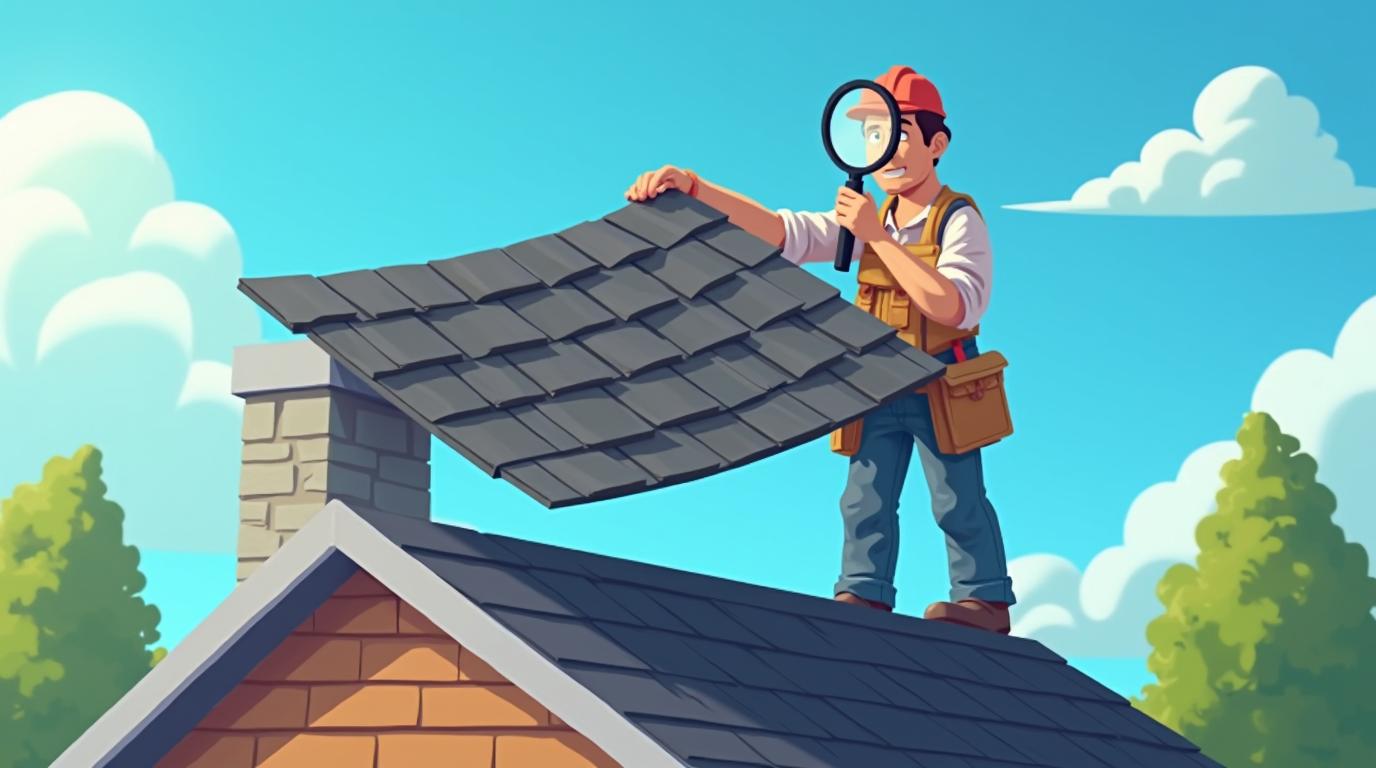
Local Roofers Near Me: Finding Trusted Roofing Contractors & Installation Experts - A Guide From 15 Years of Roofing Experience
I have been a roofing contractor for over fifteen years. I have completed more than two thousand roofing projects. I hold certifications from GAF, CertainTeed, and Owens Corning. I have worked on everything from small repairs to complete tear-offs. This experience gives me a unique perspective on finding good local roofers. I want to share that knowledge with you today.
This article exists to solve a real problem. Homeowners often feel overwhelmed when choosing a roofer. They face confusing estimates and technical jargon. They worry about being overcharged or getting poor work. My goal is to answer your most important question: How do I find and hire a truly trustworthy local roofing contractor? I will give you clear, honest answers based on real projects.
I gathered this information from my daily work. It comes from customer interactions, material specifications, and building code requirements. I reference manufacturer guidelines and industry standards. My recommendations are based on proven methods that work in the real world. I will explain the why behind every piece of advice. This transparency helps you make an informed decision with confidence.
Why Choosing the Right Local Roofer Matters More Than You Think
Your roof is your home's first line of defense. A poor installation can lead to leaks, mold, and structural damage. It can also void manufacturer warranties. Choosing the right contractor is the most critical part of any roofing project. A skilled local roofer understands your area's specific weather challenges. They know local building codes and permit requirements.
I have seen the consequences of bad roofing jobs. Water damage repairs often cost more than the original roof. Insurance companies may deny claims for improper installations. A quality roof should last twenty to thirty years or more. The right contractor ensures you get that full lifespan. They protect your biggest investment: your home.
The Real Cost of Hiring the Cheapest Bid
Many homeowners make the mistake of choosing the lowest price. This often leads to higher costs later. Cheap bids usually mean cut corners. Contractors may use inferior materials or skip essential steps. They might not install proper underlayment or ventilation. These shortcuts cause premature failure.
I recently inspected a roof installed just three years ago. The homeowner chose the lowest bidder. The shingles were already curling and losing granules. The flashing around the chimney was incorrectly installed. The repair cost exceeded the original installation price. Always consider value over initial price. A fair price reflects quality materials and skilled labor.
How to Vet and Verify Local Roofing Contractors
Finding a good roofer requires research. You cannot rely on advertisements alone. You need to verify their credentials and reputation. Start by checking their physical business address. A legitimate local roofer should have a local office or yard. Be wary of contractors who only use P.O. boxes.
Ask for proof of insurance. They should carry both liability and workers' compensation insurance. Request certificates directly from their insurance provider. Verify their state contractor's license through your local licensing board. Check their standing with the Better Business Bureau. Look for patterns in customer complaints.
Essential Questions to Ask Every Roofer
Prepare a list of questions before meeting contractors. Their answers will reveal their professionalism. Ask how long they have been in business locally. Inquire about their crew's experience and training. Request references from recent projects similar to yours. Ask about their warranty coverage for both materials and workmanship.
Discuss their project timeline and cleanup process. Will they use a dump trailer or leave a dumpster? Who handles the permit acquisition? How do they protect your landscaping? Do they perform a final inspection with you? Clear answers show organization and respect for your property.
Understanding Roofing Estimates and Contracts
A detailed estimate is your first sign of a professional. It should be itemized and specific. It must list all materials by brand, style, and color. It should specify the underlayment type and thickness. It needs to include all flashing details for valleys, chimneys, and vents.
The contract should outline the project scope clearly. It must include start and completion dates. It should state the payment schedule. Never pay the full amount upfront. A typical schedule is a deposit, progress payment, and final payment upon completion. The contract must include warranty information in writing.
Red Flags in Roofing Contracts
Watch for vague language in contracts. Avoid phrases like "materials of equal quality." Reject pressure to sign immediately. Be cautious of contractors who only accept cash payments. Question estimates that seem too good to be true. They usually are. Never sign a contract with blank spaces.
I reviewed a contract for a client last month. It lacked specific shingle brand names. It did not mention ice and water shield installation. The payment terms required eighty percent upfront. These are major warning signs. A trustworthy contractor provides transparency. They want you to understand exactly what you are paying for.
Roofing Materials: What Your Local Roofer Should Recommend
Quality materials are crucial for roof longevity. Your contractor should explain your options. Asphalt shingles are the most common choice. Architectural shingles offer better durability and appearance than three-tab shingles. They have a longer warranty and better wind resistance.
Metal roofing is gaining popularity. It lasts forty to seventy years. It reflects solar heat, improving energy efficiency. Tile and slate are premium options with exceptional lifespan. Synthetic slate offers the look of real slate at a lower cost. Each material has different installation requirements.
Key Material Specifications to Discuss
Discuss shingle weight and warranty length. Heavier shingles typically last longer. Ask about algae resistance in humid climates. Inquire about impact resistance if you experience hail. Review the manufacturer's installation requirements. Proper installation is required to validate the warranty.
Underlayment is a critical hidden component. Synthetic underlayment offers better tear resistance than felt. Ice and water shield is essential in cold climates. It provides an extra layer of protection at eaves and valleys. Ventilation components are equally important. Proper airflow prevents heat and moisture buildup in your attic.
The Roof Installation Process: What to Expect Day by Day
A professional roofing project follows a clear sequence. Understanding this process helps you monitor progress. Day one typically involves preparation and tear-off. The crew will protect your property with tarps. They will remove old shingles and inspect the decking for damage.
Day two focuses on repairs and underlayment. They replace any rotten wood on the roof deck. They install drip edge along the eaves. Then they roll out the synthetic underlayment. They install ice and water shield in critical areas. Proper flashing installation around penetrations happens now.
Shingle Installation and Final Details
Day three is for shingle installation. They start at the eaves and work upward. They cut and fit shingles around vents and chimneys. They install ridge caps along the peaks. Day four involves cleanup and final inspection. They use magnetic tools to pick up nails from your yard.
The foreman should walk the roof with you. They will point out key installation features. They will explain the warranty paperwork. They should provide before-and-after photos. They will review maintenance tips for your new roof. This final step ensures your complete satisfaction.
Navigating Insurance Claims with Your Local Roofer
Storm damage often requires insurance involvement. A good local roofer can help with this process. They should offer to meet with your insurance adjuster. They can provide documentation of damage. They can explain repair requirements based on current building codes.
Be wary of contractors who door-knock after storms. Some use high-pressure tactics. They may offer to cover your deductible, which is illegal in many states. A reputable roofer will never suggest insurance fraud. They work ethically to get you the coverage you deserve.
Understanding Actual Cash Value vs. Replacement Cost
Insurance policies differ in how they pay claims. Actual Cash Value (ACV) deducts for depreciation. Replacement Cost Value (RCV) pays the full cost of replacement. Your roofer should explain your policy details. They can help you understand supplement requests if initial estimates are low.
I assisted a family after a major hailstorm last year. Their insurance initially denied full replacement. We documented matching issues with discontinued shingles. We provided manufacturer statements on repairability. The insurance company eventually approved a full roof replacement. Knowledgeable advocacy makes a significant difference.
Maintenance Tips to Extend Your Roof's Lifespan
Regular maintenance prevents major problems. Inspect your roof twice a year, in spring and fall. Look for missing, cracked, or curling shingles. Check for loose flashing around chimneys and vents. Ensure gutters are clean and properly attached. Trim tree branches hanging over the roof.
Attic inspection is equally important. Check for signs of water stains on the underside of the decking. Ensure insulation does not block soffit vents. Proper attic ventilation extends shingle life. It also reduces energy costs by preventing heat buildup.
When to Call a Professional for Repairs
Some repairs require professional expertise. Never attempt to fix major leaks yourself. Do not walk on a roof if you are not trained. Call a local roofer if you notice multiple missing shingles. Contact them if you see sagging areas on the roof deck. Act quickly if you find granules in your gutters.
Small repairs prevent larger issues. A few damaged shingles can be replaced easily. Ignoring them can lead to deck rot and interior leaks. Proactive maintenance saves thousands in repair costs. It also maintains your home's curb appeal and value.
Frequently Asked Questions About Local Roofers
How much does a new roof cost?
Roof costs vary based on size, materials, and complexity. The average asphalt shingle roof costs between $8,000 and $15,000. Metal roofs range from $15,000 to $30,000. Get multiple detailed estimates. The cheapest option is rarely the best value for your investment.
How long should a roof replacement take?
A standard residential roof replacement takes two to four days. Weather can cause delays. Complex roofs with multiple angles take longer. Your contractor should provide a realistic timeline upfront. They should communicate any schedule changes promptly.
What warranties should I expect?
You should receive two warranties. The manufacturer's warranty covers material defects. The contractor's workmanship warranty covers installation errors. Read both warranties carefully. Understand what is covered and what voids the protection.
Can I install a new roof over old shingles?
Building codes often allow one overlay. I do not recommend it. Tear-off allows inspection of the roof deck. It ensures proper installation of underlayment and flashing. It also prevents excess weight on your home's structure.
How do I verify a roofer's license and insurance?
Ask for their license number and insurance certificates. Verify the license with your state's contractor licensing board. Call the insurance company to confirm active coverage. Do not accept verbal assurances. Always get proof in writing.
What time of year is best for roof replacement?
Spring and fall offer ideal temperatures. Avoid extreme heat or cold. Shingles need time to seal properly. Your contractor will consider weather forecasts. They will schedule your project during suitable conditions.
How do I handle unexpected repairs during installation?
Reputable contractors will notify you immediately. They will provide photos of any discovered damage. They will give you a written change order with costs. You should approve any additional work before it proceeds. Transparency is key.
Real Project Case Studies: Lessons from the Field
Case Study 1: The Importance of Proper Ventilation
A homeowner complained about high energy bills. Their roof was only ten years old but showed premature aging. We inspected and found inadequate attic ventilation. The heat buildup was cooking the shingles from underneath. We installed ridge vents and soffit vents. We replaced the damaged shingles. Their cooling costs dropped by twenty percent the following summer.
Case Study 2: Storm Damage and Insurance Advocacy
A severe windstorm damaged multiple roofs in a neighborhood. One homeowner's insurance offered only patch repairs. We documented widespread granule loss and functional damage. We cited the Insurance Information Institute guidelines on matching. We provided a second opinion from an independent adjuster. The insurance company approved a full replacement, saving the homeowner $12,000.
Case Study 3: Historic Home Roof Restoration
A century-old home needed roof preservation. Modern materials would ruin its character. We sourced custom-made cedar shakes. We worked with a historic preservation specialist. We followed traditional installation methods. The project took longer but maintained the home's architectural integrity. The homeowner received a historic preservation tax credit.
Industry Statistics and Data Insights
The roofing industry has grown significantly. According to IBISWorld, the roofing contractors industry generates over $56 billion annually. There are more than 122,000 roofing businesses in the United States. Most are small, locally-owned companies.
Material costs have increased due to supply chain issues. Asphalt shingle prices rose fifteen percent in the last two years. Metal roofing demand has grown by thirty percent over five years. Energy-efficient cool roofing options are becoming more popular. Homeowners are investing in durability and longevity.
Insurance claims data shows interesting patterns. Hail damage accounts for forty percent of roofing claims. Wind damage represents thirty percent. The average insurance claim for roof damage is $11,500. Proper installation reduces claim frequency by sixty percent.
Step-by-Step Guide to Hiring Your Local Roofer
Follow this proven method to find the right contractor. Start by asking friends and neighbors for recommendations. Check online reviews on Google, Facebook, and the BBB. Create a shortlist of three to five local roofers. Verify their licenses and insurance before contacting them.
Schedule in-person consultations with each contractor. Prepare your list of questions. Walk your property with them. Discuss your concerns and expectations. Request detailed written estimates from each. Compare the estimates line by line. Look for differences in materials and scope.
Check references for each finalist. Ask previous customers about their experience. Visit completed projects if possible. Review warranty documents carefully. Trust your instincts about communication and professionalism. Choose the contractor who offers the best overall value, not just the lowest price.
Conclusion: Your Path to a Quality Roofing Experience
Choosing a local roofer is a significant decision. It affects your home's protection, value, and comfort. Use the information in this guide to make an informed choice. Look for experience, credentials, and transparency. Value quality workmanship over low prices.
Your roof is too important to trust to just anyone. Find a contractor who communicates clearly and respects your home. They should explain every step of the process. They should stand behind their work with solid warranties. They should be someone you would recommend to your own family.
Start your search today. Gather recommendations and verify credentials. Schedule consultations with reputable local roofers. Ask detailed questions and compare estimates. Take your time to choose the right partner for your project. Your future self will thank you for doing the research. A quality roof provides peace of mind for decades to come.