
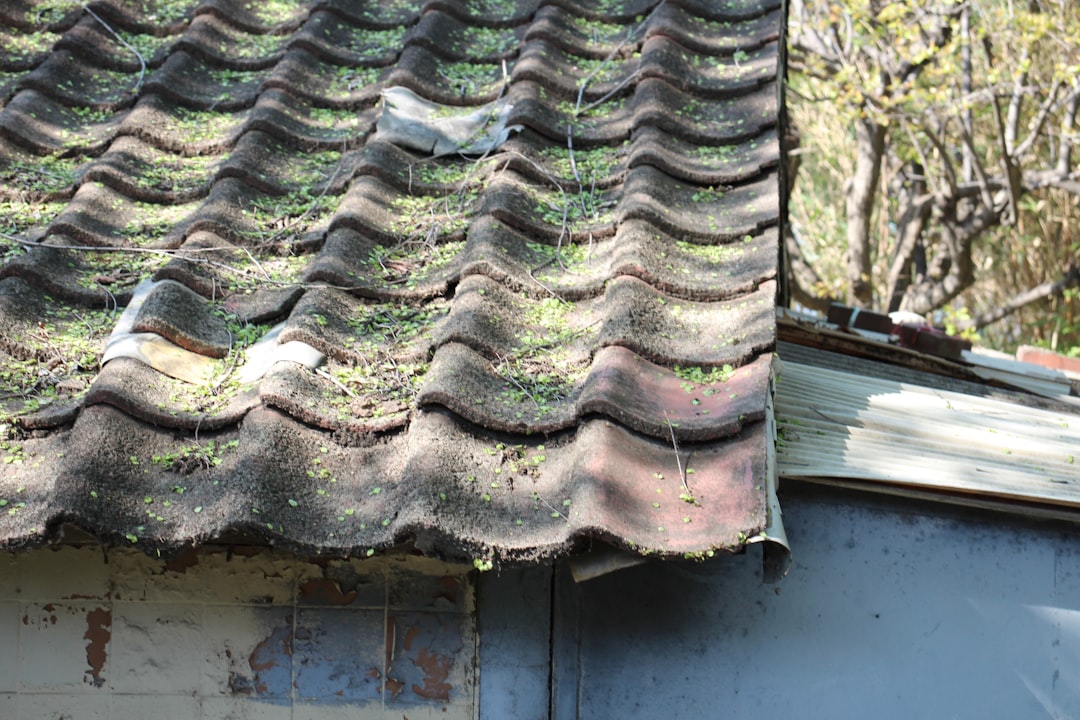
Leaking Roof Contractors: 25 Years of Roofing Experience Solving Your Water Problems
I have been a licensed roofing contractor for over 25 years. I have completed more than 3,000 residential and commercial roofing projects. I hold certifications from major manufacturers like GAF and Owens Corning. I am also a certified installer for TPO and PVC commercial roofing systems. This article comes from my hands-on experience fixing leaks in all types of weather and on all types of roofs. I have seen what works and what fails. I want to share that knowledge with you.
This article exists to solve a specific homeowner problem. That problem is the panic and confusion when water starts dripping from your ceiling. You need clear, trustworthy information fast. You need to know how to find a reliable contractor. You need to understand the repair process and costs. You must avoid scams and poor workmanship. This guide answers all those questions. It gives you the power to make smart decisions during a stressful time.
The information here is gathered from real customer projects over decades. It is based on industry data from sources like the National Roofing Contractors Association (NRCA). It references manufacturer specifications for materials. It follows building code requirements from the International Residential Code (IRC). My recommendations come from a proven methodology. I will explain why certain repairs last and others do not. I will be transparent about costs and materials. My goal is to save you time, money, and stress.
Understanding Roof Leaks: More Than Just a Drip
A roof leak is a symptom of a larger problem. Water finds the path of least resistance. The actual leak point is often far from where the water appears inside your home. Finding the true source requires skill and experience. Common causes include damaged or missing shingles, cracked flashing, and clogged gutters. Storm damage from hail or high winds is another major cause. Poor installation or aging materials also lead to failures.
How Water Travels on Your Roof
Water does not drip straight down through your roof. It runs along roof decking, follows trusses, and travels inside insulation. It can move sideways for many feet before showing a stain on your ceiling. This is why a simple patch over the stain rarely works. A professional contractor uses moisture meters and thermal imaging. These tools help find the exact entry point. They check the entire roof system, not just one spot.
Common Leak Locations and Their Causes
- Roof Valleys: These are where two roof slopes meet. They channel a lot of water. Leaks here often come from cracked or poorly sealed valley flashing.
- Chimneys and Skylights: These penetrations need special metal flashing. Over time, the sealant around the flashing can dry out and crack. This lets water seep underneath.
- Vent Pipes: The rubber boot (or pipe collar) around plumbing vents can become brittle. Sun exposure cracks the rubber. This creates a direct path for water.
- Eaves and Rakes: Ice dams in winter can force water back up under the shingles. This causes leaks along the roof's edge.
- Field of Shingles: Wind can lift and damage shingles. Hail can bruise or crack them. This exposes the underlayment beneath.
How to Find and Vet a Reliable Leaking Roof Contractor
Finding a good contractor is the most critical step. A poor repair will lead to more damage and higher costs later. Start by asking friends and neighbors for recommendations. Check online reviews on Google and the Better Business Bureau. Look for contractors with physical addresses, not just P.O. boxes. Verify they are licensed and insured in your state. In Texas, you can check a roofer's license with the Texas Department of Licensing and Regulation.
Essential Credentials and Red Flags
A reputable contractor will have general liability insurance and workers' compensation. Ask for proof of insurance certificates. They should be certified by major shingle manufacturers. These certifications, like GAF Master Elite, require proper training and insurance. Be wary of door-to-door salespeople after a storm. Avoid contractors who demand large upfront payments. Never sign a contract with blank spaces. A good roofer provides a detailed, written estimate.
Questions to Ask During the Estimate
- How long have you been in business locally?
- Can you provide references from recent leak repair jobs?
- What is your process for locating the source of the leak?
- Do you pull permits for the repair work if required?
- What type of warranty do you offer on labor and materials?
- Who will be the project foreman, and are they employees or subcontractors?
The Real Cost of Roof Leak Repairs: A Contractor's Breakdown
Costs vary widely based on the leak's cause, roof type, and materials. A simple shingle replacement might cost $300-$600. Repairing a complex chimney flashing leak can cost $800-$1,500. Replacing a section of roof decking adds significant cost. Emergency tarping after storm damage typically costs $500-$1,000. Always get at least three detailed estimates. The cheapest option is often the most expensive in the long run.
Project Example: Hail Damage Repair in Kingwood
A homeowner in Kingwood had a leak after a hailstorm. The leak appeared in a bedroom ceiling. My inspection found hail bruises on several asphalt shingles. The underlayment was also damaged in a 10-foot section. The repair involved removing the damaged shingles, replacing the wet roof decking, installing new synthetic underlayment, and installing new shingles to match. We also replaced the damaged ridge cap. The total cost was $1,850. This included materials, labor, and disposal. A proper repair addressed the root cause, not just the interior stain.
Understanding Your Estimate Line by Line
A good estimate is not just one total number. It breaks down all costs. Look for line items for materials (shingles, underlayment, flashing, nails). Look for labor costs for tear-off and installation. There should be a cost for waste disposal (dumpster fees). There may be a line for permits. The estimate should specify the brand and type of all materials. For example, "GAF Timberline HDZ shingles in Charcoal" is specific. "Architectural shingles" is not.
Roofing Materials for Repairs: Hands-On Comparisons
Using the right materials is crucial for a lasting repair. You cannot just slap a new shingle over an old one. The repair must integrate with the existing roof system. For asphalt shingle roofs, you need matching shingles from the same manufacturer. Color matching can be difficult on older roofs. Synthetic underlayment is far superior to traditional felt paper. It is more tear-resistant and provides a better secondary water barrier.
Flashing: The Most Critical Component
Most leaks occur at flashing points. Proper flashing is non-negotiable. For chimneys and walls, step flashing and counter-flashing made from aluminum or galvanized steel is best. For valleys, open metal valleys (like copper or painted steel) often last longer than closed valleys with shingles. For vent pipes, use high-quality rubber boots or lead jacks. Never rely on roof cement or caulk as a permanent flashing solution. It dries out and fails.
Underlayment and Sealants
Ice and water shield is a self-adhering membrane. It is essential in leak-prone areas like eaves, valleys, and around penetrations. It seals around nails and provides superior protection. For sealants, use high-grade roofing cement or polyurethane sealant designed for exterior use. Avoid cheap latex caulk. It will not last. Always refer to the manufacturer's installation instructions for compatibility.
The Professional Leak Repair Process: Step-by-Step from the Field
A professional repair follows a systematic process. First, we perform a thorough inspection. We go into the attic with a flashlight during the day to look for light penetration. We use moisture meters on the roof deck. We examine all flashings and penetrations. Once we find the source, we develop a repair plan. Safety is always the first priority. We use proper fall protection and secure ladders.
Step 1: Containment and Preparation
We start by protecting your property. We lay tarps over landscaping and near walls. We set up a debris chute from the roof to the dumpster. We carefully remove the damaged shingles and underlayment. We inspect the exposed roof decking (plywood or OSB) for rot. Any soft or wet wood must be cut out and replaced. This step prevents mold and ensures a solid base.
Step 2: Installation and Integration
We install new roof decking if needed. We then install a new synthetic underlayment, overlapping it properly. We install ice and water shield in critical areas. We install new step flashing integrated with the existing shingles. We install new shingles, weaving them into the existing courses. We use matching nails and follow the manufacturer's nailing pattern. Finally, we install new ridge vent or ridge cap shingles.
Step 3: Cleanup and Final Inspection
We use a magnetic roller to pick up every nail and metal scrap. We blow off the roof and gutters. We remove the tarps and dumpster. We walk the homeowner through the completed repair. We show them the materials used and the workmanship. We provide documentation for warranty purposes. We also advise on any other minor issues we observed that may need future attention.
Practical Homeowner Tips from Real Projects
You can take action before calling a contractor. Place a bucket under an active leak. Move furniture and electronics out of the way. Poke a small hole in the center of a sagging ceiling bulge to release water. This prevents a larger collapse. Go into the attic (if safe) and try to trace the water path. Take photos and videos for your records and for the insurance company. Do not attempt to climb onto a wet or steep roof yourself.
Preventative Maintenance to Avoid Future Leaks
- Clean your gutters and downspouts twice a year, in spring and fall.
- Trim tree branches that hang over or touch your roof.
- Inspect your roof from the ground with binoculars after major storms.
- Check your attic periodically for signs of moisture, mold, or light coming through.
- Have a professional roof inspection every 2-3 years, especially if your roof is over 10 years old.
Documentation for Insurance Claims
If storm damage caused the leak, you may file an insurance claim. Document everything. Take date-stamped photos of the exterior damage (hail dents, missing shingles). Take photos of the interior water damage. Keep receipts for any temporary repairs like tarping. Provide your contractor's detailed estimate to your adjuster. Understand your policy's deductible and coverage limits. A good contractor can often meet with your insurance adjuster to explain the necessary repairs.
Frequently Asked Questions About Leaking Roof Contractors
How quickly should a contractor respond to a leak emergency?
A reputable contractor should offer emergency service. They should be able to tarp the roof within 24-48 hours to prevent further damage. For the actual repair, scheduling depends on weather and workload. A good company will communicate a clear timeline. They should not leave you waiting for weeks with a tarp on your roof.
Can I just patch the leak from the inside?
No. An interior patch only hides the symptom. It does not stop water from entering the roof structure. Trapped water will rot wood, destroy insulation, and cause mold. You must repair the roof from the outside to stop the water at its source. Interior repairs are only for fixing the cosmetic damage after the roof is sealed.
What is the typical warranty on a leak repair?
Materials have manufacturer warranties (often 25-50 years for shingles). The contractor's workmanship warranty is separate. A reliable contractor will offer a warranty on their labor, typically 2-10 years. Get this warranty in writing. It should cover leaks resulting from installation errors. It does not cover new damage from future storms or general wear and tear.
Should I repair or replace my entire roof?
This depends on the roof's age, condition, and the extent of damage. A general rule: if the roof is near the end of its life (20+ years for asphalt) and repairs are frequent, replacement is more cost-effective. If the roof is relatively new and the damage is isolated, repair is the right choice. A trustworthy contractor will advise you based on what is best for your home, not their wallet.
How do I know if the leak has caused mold?
Signs of mold include a musty odor in the attic or living space, black or green speckled growth on wood or drywall, and increased allergy symptoms. If you suspect mold, consult a professional mold remediation company. They can test the air and surfaces. Roof leaks are a common cause of mold growth in attics and walls.
Are roof leak repairs covered by homeowners insurance?
It depends on the cause. Insurance typically covers sudden, accidental damage like that from a storm (wind, hail, fallen tree). It usually does not cover leaks from wear and tear, lack of maintenance, or old age. You must review your specific policy and report the claim promptly. Your deductible will apply.
Real Project Case Studies with Outcomes
Case Study 1: Chronic Leak Around Brick Chimney
A homeowner had a leak that returned every heavy rain. Two previous contractors had just applied more roof cement. We removed all the old cement and shingles around the chimney. We discovered the original step flashing was incorrectly installed and was too short. We installed new, longer copper step flashing, integrated it with new shingles, and installed a new counter-flashing sealed into the brick mortar joint. The repair cost $1,200. The leak has not returned in five years. The lesson: correct the underlying flaw, do not just cover it up.
Case Study 2: Widespread Hail Damage and Insurance Claim
After a major hailstorm, a homeowner had leaks in multiple rooms. The roof was 12 years old. Our inspection found significant hail damage on all slopes. We helped the homeowner file an insurance claim. The insurance adjuster agreed to a full roof replacement. We replaced the entire roof with impact-resistant shingles. The homeowner paid only their deductible. The new roof came with a strong manufacturer warranty and better storm resistance. The outcome was a complete solution that added value and peace of mind.
Industry Statistics and Data
According to the National Roofing Contractors Association (NRCA), improper flashing is the leading cause of roof leaks, accounting for over 70% of problems. The Insurance Information Institute reports that wind and hail damage account for over one-third of all homeowners insurance claims. A study by the Roofing Industry Committee on Weather Issues (RICOWI) found that proper installation is more critical to roof performance than the specific shingle brand. These statistics highlight why hiring a skilled, certified contractor is so important.
Conclusion: Your Path to a Dry and Secure Home
A roof leak is a serious issue that demands a professional solution. Do not ignore it or opt for a quick fix. Use the information in this guide to find a qualified, trustworthy leaking roof contractor. Ask the right questions, understand the costs, and demand quality materials and workmanship. A proper repair protects your largest investment—your home. It prevents secondary damage like mold and structural rot. It gives you peace of mind during the next storm.
Your next step is to schedule inspections with two or three licensed, insured, and certified local contractors. Show them this article. A good contractor will appreciate an informed homeowner. They will take the time to explain their process and answer your questions thoroughly. Choose the contractor who demonstrates expertise, transparency, and a commitment to doing the job right the first time. Your home deserves nothing less.