
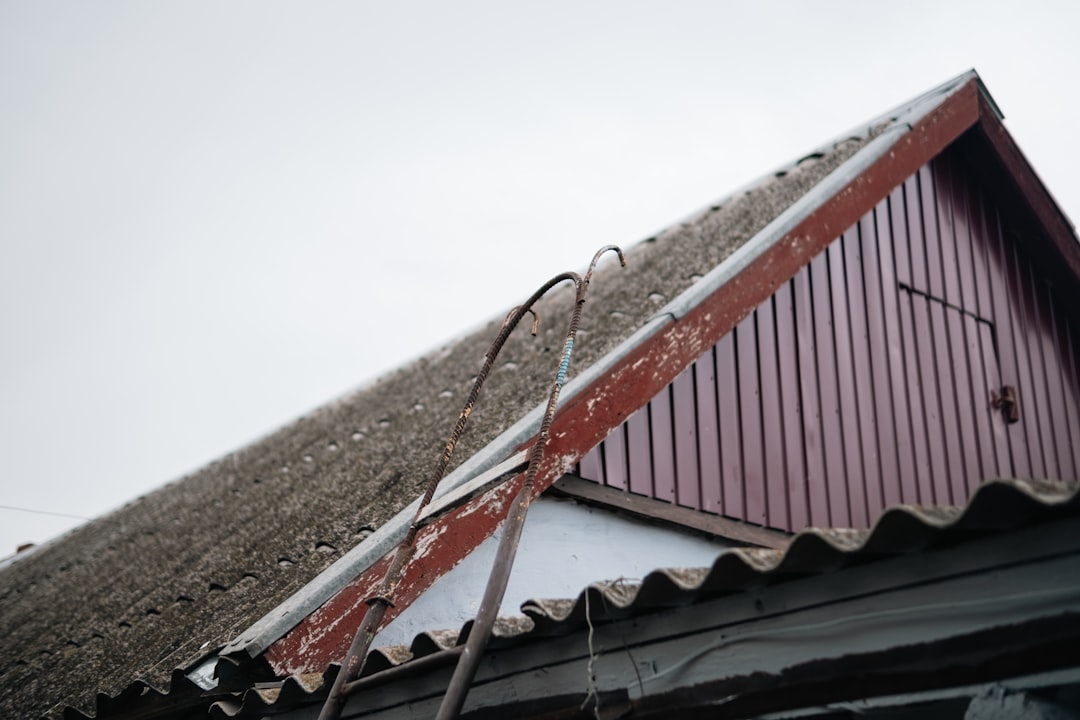
Get a Roofer: Your Complete Guide from a 15-Year Roofing Contractor
I have installed and repaired over 2,000 roofs across Texas. I hold GAF Master Elite certification and Owens Corning Platinum Preferred status. I have seen every roofing problem imaginable. This article exists because homeowners face confusing choices after storm damage. You need clear guidance to avoid costly mistakes. I will share real contractor insights from actual projects. This information comes from 15 years of hands-on work. I reference manufacturer specifications and building codes. My recommendations follow proven methods that protect your home.
Why You Need a Professional Roofer Immediately
Many homeowners try DIY roof repairs after storms. This often causes more damage and safety risks. Professional roofers understand complex installation requirements. They follow strict building codes for your area. They know how to identify hidden water damage. They work with insurance companies regularly. A proper roof protects your entire home structure. It prevents mold growth and structural decay. It maintains your home's energy efficiency. It preserves your property value for years.
The Real Cost of Waiting Too Long
Water damage spreads quickly after initial leaks. Within 48 hours, mold can begin growing in attic spaces. Structural wood rot compromises roof decking integrity. Insulation loses effectiveness when wet. Electrical systems face short-circuit risks. Interior ceilings and walls show water stains. These repairs cost far more than timely roof fixes. Insurance claims become more complicated with delayed reporting. Manufacturers may void warranties without proper installation. Building departments require permits for major repairs.
How to Find Qualified Roofing Contractors
Start with local referrals from trusted neighbors. Check online reviews on multiple platforms. Verify contractor licenses through state databases. Look for manufacturer certifications like GAF Master Elite. Confirm proper insurance coverage for workers. Ask about local building code knowledge. Request references from recent similar projects. Avoid storm chasers who appear after weather events. Choose established companies with physical addresses. Verify Better Business Bureau ratings and complaint history.
- Check Texas Department of Licensing and Regulation for license verification
- Verify insurance certificates with providers directly
- Request copies of manufacturer certifications
- Ask for local building department permit experience
- Confirm storm damage repair specialization
Essential Questions to Ask Every Roofer
How long have you worked in our specific area? Can you provide local references? What manufacturer certifications do you hold? Do you carry workers' compensation insurance? Who will supervise the project daily? What is your process for obtaining permits? How do you handle unexpected issues during installation? What warranty do you provide on labor? How do you protect landscaping during work? What is your cleanup process after completion?
Understanding Roofing Materials and Costs
Material choices affect durability, appearance, and cost. Asphalt shingles remain most popular for Texas homes. Architectural shingles offer better wind resistance than 3-tab. Metal roofing provides superior hail protection but costs more. Tile roofs offer longevity but require reinforced structures. Synthetic materials mimic natural looks with lighter weight. Each material has different installation requirements. Costs vary based on material quality and complexity. Labor represents 40-60% of total project costs. Proper underlayment and ventilation add necessary expenses.
Real Project Cost Examples
A 2,000 square foot roof with architectural shingles costs $8,000-$12,000. This includes tear-off, disposal, and new installation. Metal roofing for same home runs $15,000-$25,000. Tile installation typically exceeds $20,000 for material alone. Synthetic slate costs $20,000-$30,000 for premium products. These prices include all materials, labor, and warranties. They assume standard roof pitch and accessibility. Complex designs or steep slopes increase costs significantly. Historical homes require specialized techniques adding expense.
The Roof Installation Process Explained
Professional installation follows systematic steps for quality results. First comes thorough inspection and measurement of existing roof. Next is complete tear-off of old roofing materials. Roof deck inspection reveals hidden damage needing repair. Proper underlayment installation creates secondary water barrier. Drip edge and flashing installation prevent water intrusion. Starter shingles provide critical first course foundation. Shingle installation follows manufacturer specifications precisely. Ridge vent installation ensures proper attic ventilation. Final cleanup removes all debris from property. Final inspection verifies quality and completeness.
Critical Installation Details Homeowners Miss
Ice and water shield should protect vulnerable roof areas. This includes valleys, eaves, and around penetrations. Proper nail placement prevents wind uplift damage. Nails must hit roof decking solidly without over-driving. Flashing details around chimneys require special attention. These areas cause most leaks when installed incorrectly. Ventilation balance prevents moisture buildup in attics. Too little ventilation causes heat and moisture damage. Too much ventilation reduces energy efficiency. Drip edge must extend properly over gutters. This directs water away from fascia boards.
Navigating Insurance Claims for Roof Damage
Insurance companies have specific requirements for storm damage claims. Document damage immediately with clear photographs from multiple angles. Contact your insurance company to start claim process. Most policies require prompt reporting of damage. Request insurance adjuster inspection of your roof. Have your roofing contractor present during adjuster visit. They can identify damage adjusters might miss. Provide complete documentation of pre-existing conditions. Keep records of all communications with insurance representatives. Understand your policy's deductible and coverage limits. Know difference between actual cash value and replacement cost.
- Photograph damage from ground and ladder-safe positions
- Document date of storm with weather service reports
- Keep samples of damaged roofing materials
- Maintain log of all phone calls and emails
- Request written explanation for claim denials
Common Insurance Claim Mistakes
Failing to report damage within policy time limits causes denial. Not documenting pre-existing conditions creates disputes. Accepting first settlement offer without contractor review loses money. Choosing cheapest contractor without insurance experience complicates process. Not understanding depreciation calculations reduces payment amounts. Missing supplemental damage discovered during tear-off. Failing to get proper permits and inspections voids coverage. Not reviewing policy exclusions before storms occur.
Maintenance Tips from Real Roofing Projects
Regular maintenance extends roof life significantly. Clean gutters twice yearly to prevent water backup. Trim overhanging tree branches that damage shingles. Inspect roof after major storms for visible damage. Check attic for water stains indicating leaks. Ensure proper attic ventilation to prevent heat buildup. Remove debris like leaves from roof surface. Inspect flashing around chimneys and vents annually. Check for moss or algae growth in shaded areas. Verify shingle granules in gutters indicate wear. Schedule professional inspection every 3-5 years.
Seasonal Maintenance Checklist
Spring: Clean winter debris, inspect for ice damage, check gutters. Summer: Trim trees, check for hail damage, ensure ventilation. Fall: Clear leaves, inspect flashing, prepare for winter. Winter: Monitor ice dams, check for snow load issues, ensure insulation. These simple steps prevent major problems developing. They cost far less than emergency repairs. They maintain warranty requirements from manufacturers. They provide peace of mind during severe weather.
Frequently Asked Questions from Homeowners
How do I know if I need a full roof replacement?
Multiple factors determine need for replacement. Age exceeding manufacturer's expected lifespan indicates replacement. Widespread storm damage across multiple slopes requires replacement. Multiple leaks in different areas suggest systemic failure. Curling or missing shingles over 30% of roof surface. Granule loss visible in gutters and downspouts. Daylight visible through roof boards in attic. Professional inspection provides definitive answer.
What warranty should I expect from a roofing contractor?
Quality contractors offer comprehensive warranty coverage. Manufacturer warranties cover material defects for 25-50 years. Contractor workmanship warranties typically cover 5-10 years. Some offer lifetime warranties on labor for original owner. Warranties require proper installation and maintenance. They exclude damage from severe weather or improper care. Always get warranty details in writing before work begins.
How long does a roof installation typically take?
Timeline depends on roof size, complexity, and weather. Simple asphalt shingle installation takes 1-3 days typically. Tear-off of old materials requires additional day. Metal or tile installations take 3-7 days normally. Weather delays can extend timeline significantly. Proper installation cannot be rushed without compromising quality.
Can I install new shingles over old ones?
Building codes often prohibit multiple roof layers. Most municipalities limit to two layers maximum. Proper inspection requires seeing roof deck condition. Hidden damage remains undetected with overlay installation. Weight considerations affect structural integrity. Most manufacturers void warranties over existing layers. Professional contractors recommend complete tear-off.
What payment schedule is normal for roofing projects?
Reputable contractors use reasonable payment schedules. Initial deposit covers material ordering and mobilization. Progress payments align with completion milestones. Final payment occurs after satisfactory completion. Avoid contractors demanding full payment upfront. Payment should correlate with work completed. Use checks or credit cards for payment protection.
How do I prepare my home for roof installation?
Clear driveway and access areas for contractor vehicles. Move vehicles away from work area for safety. Remove wall decorations that might vibrate loose. Cover attic belongings from dust and debris. Trim landscaping near house for equipment access. Inform neighbors about noise and parking impacts. Secure pets indoors during work hours. Plan alternative parking if driveway blocked.
What happens if it rains during roof installation?
Professional contractors monitor weather forecasts closely. They schedule work around predicted dry periods. They use tarps to protect exposed areas overnight. They work in sections to minimize exposure. They have emergency procedures for unexpected storms. Quality underlayment provides temporary water protection. Reputable companies assume responsibility for weather-related damage.
Real Project Case Studies with Outcomes
Case Study 1: Hail Damage Insurance Claim
A Kingwood homeowner had severe hail damage. Insurance adjuster initially denied full replacement claim. We documented every damaged shingle with photographs. We provided hail size data from weather service. We presented manufacturer specifications showing compromised integrity. Insurance company approved full replacement after review. Homeowner received $15,000 coverage for complete roof. Proper documentation made crucial difference in outcome.
Case Study 2: Historic Home Tile Restoration
A 1920s home needed tile roof restoration. Original tiles were no longer manufactured. We sourced matching tiles from specialty supplier. We reinforced roof structure for added weight. We installed proper underlayment for modern protection. Project cost $28,000 but preserved historical character. Home value increased significantly with authentic restoration. Proper planning ensured historical accuracy with modern durability.
Industry Statistics and Data
According to National Roofing Contractors Association, proper installation prevents 80% of roofing problems. Insurance claims for wind and hail damage increased 65% in past decade. Metal roofing installations grew 40% in Texas over five years. Proper ventilation extends asphalt shingle life by 30%. Regular maintenance reduces repair costs by 50% over roof lifespan. Energy-efficient roofing materials reduce cooling costs by 15%. These statistics demonstrate value of professional roofing services.
Step-by-Step Guide to Hiring Your Roofer
- Assess your roof damage and document with photographs
- Research local roofing contractors with proper credentials
- Request detailed written estimates from 3-4 companies
- Verify licenses, insurance, and manufacturer certifications
- Check references from recent similar projects
- Review contracts carefully before signing
- Coordinate with insurance company if making claim
- Schedule installation during favorable weather period
- Conduct final inspection before final payment
- Maintain warranty documentation for future reference
Conclusion: Your Path to a Quality Roof
Getting the right roofer protects your largest investment. Follow this guide to make informed decisions. Use the questions and checklists provided here. Remember that quality installation matters more than lowest price. Proper materials and techniques ensure long-term protection. Your home deserves professional care from experienced contractors. Take time to choose wisely and verify credentials thoroughly. The right roofer provides peace of mind for years. Start your search today with confidence using this information.